






Early Carved Wooden Figure
An early carved wooden figure brings centuries of hand-carved character, devotional history, and vernacular charm directly into your interior.
Early Carved Wooden Figure
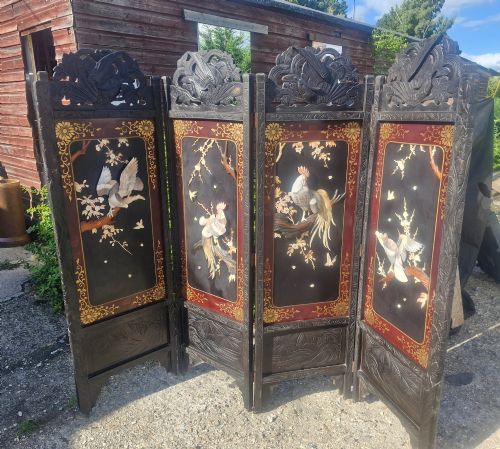
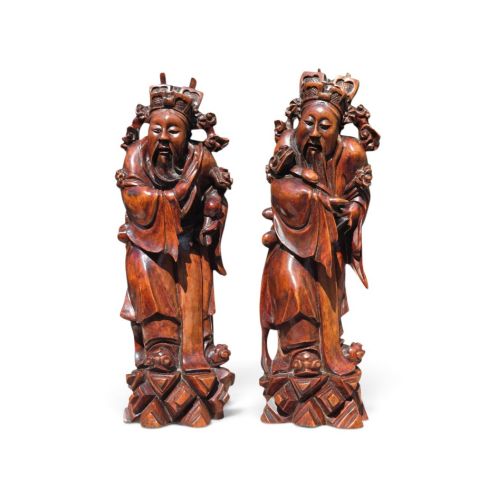
An early carved wooden figure encompasses a remarkably broad sweep of global sculpture, ranging from devotional European saints and temple figures to playful folk art and fairground fragments. When searching for this phrase, you encounter centuries of sculptural tradition expressed through various regional interpretations.
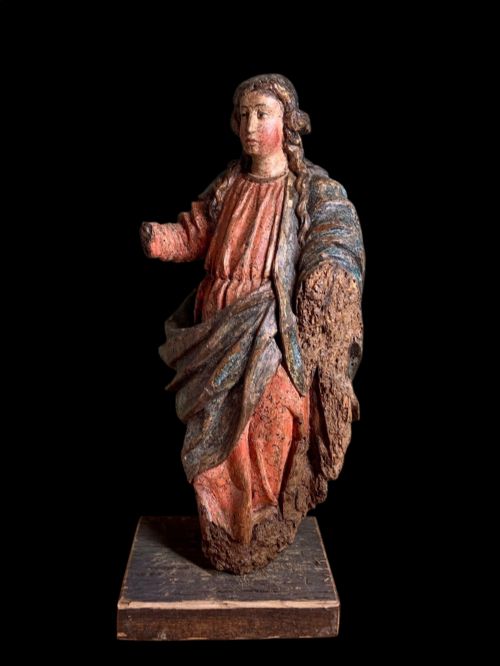
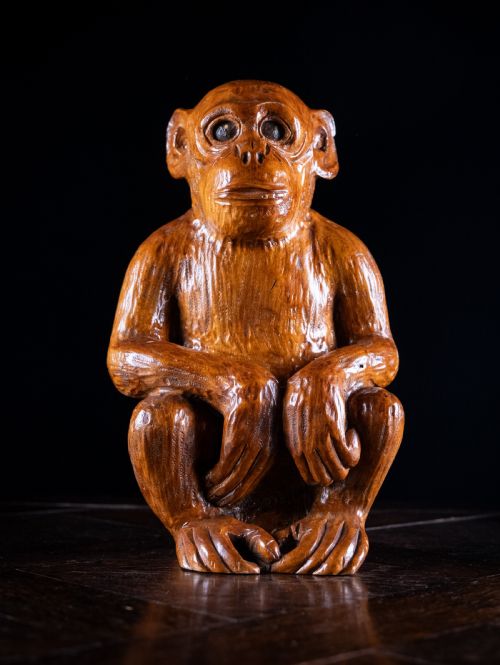
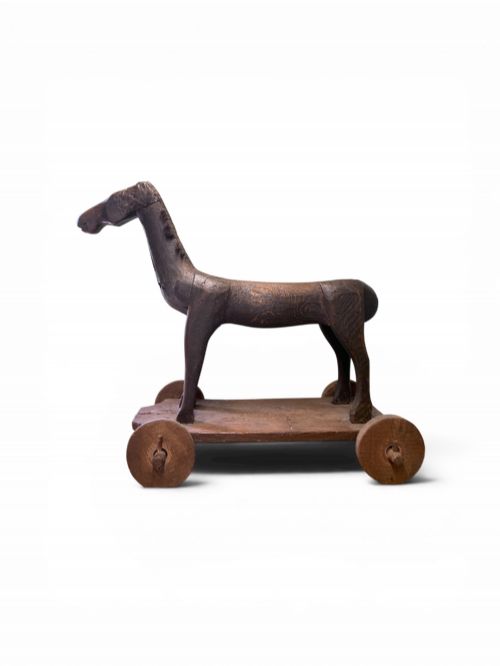
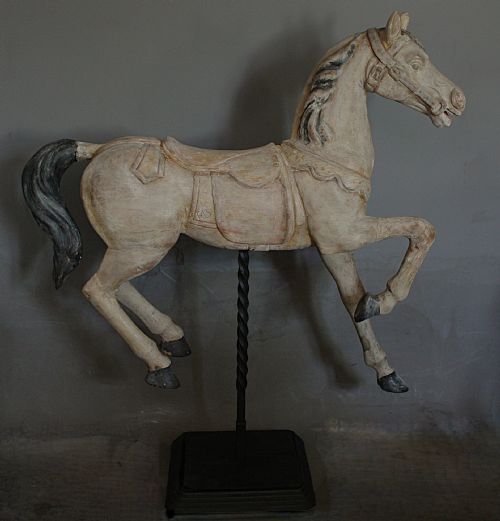
Religious subjects dominate the earlier periods, including depictions of saints, the Madonna and child, and figures of Christ carved in oak, fruitwood, or limewood. Secular and vernacular works also appear frequently, spanning whimsical jigger dolls, carousel horses, and traditional tribal carvings.
How they were made
Maker-carvers relied primarily on native timbers such as oak, fruitwood, boxwood, walnut, and chestnut, shaping them with gouges and chisels to reveal expressive forms. Many pieces retain traces of their original preparation, including gesso grounds applied to timber before painting.
Surface treatments frequently involve polychrome paint and gold leaf, which added rich colour and luminosity to ecclesiastical and temple statues. Over the centuries, these pigments have naturally aged, often wearing away to expose the warm grain of the underlying wood.
What varies in quality
Quality rests heavily on the confidence of the carving and the anatomical proportion achieved by the maker, distinguishing master workshops from naive vernacular production. Sculptures that retain their original polychrome paint or gilding command greater appreciation than those stripped down to bare timber in later restorations.
The survival of original surface patina and the integrity of the timber grain determine the visual depth of the object. Pieces displaying spirited execution and well-preserved surface details outshine those with heavy modern intervention.
Simon Troger·Franz Keller·Hans Müller
The Early Carved Wooden Figure Glossary
- Polychrome paint
- Decoration consisting of several colours applied to the surface of wood or stone sculpture. This technique was widely utilised on religious statues to create lifelike appearances.
- Folk art
- Utilitarian or decorative objects created by self-taught or vernacular makers outside the formal academic tradition. These pieces often exhibit a charming directness of form.
- Gilt wood
- Timber surfaces covered with a thin layer of gold leaf or gold powder. It provides a reflective, opulent finish frequently seen on Asian temple figures and European church carvings.
- Ecclesiastical
- Relating to the Christian Church or clergy. Ecclesiastical carvings usually comprise saints, angels, and architectural figures produced for places of worship.
- Jigger doll
- A mechanical folk art toy featuring an articulated figure designed to dance on a wooden board when tapped. These quirky wooden items gained popularity in the early twentieth century.
Early Carved Wooden Figure: Frequently Asked Questions
How do I date an early carved wooden figure?
Dating relies on tool marks, timber species, style of dress, and the natural ageing of the surface finish. Comparing the carving technique to known period examples helps narrow down the century.
Examinations under magnification often reveal whether hand tools like adzes or early gouges were used, providing further clues to the workshop era.
Did all wooden figures start out painted?
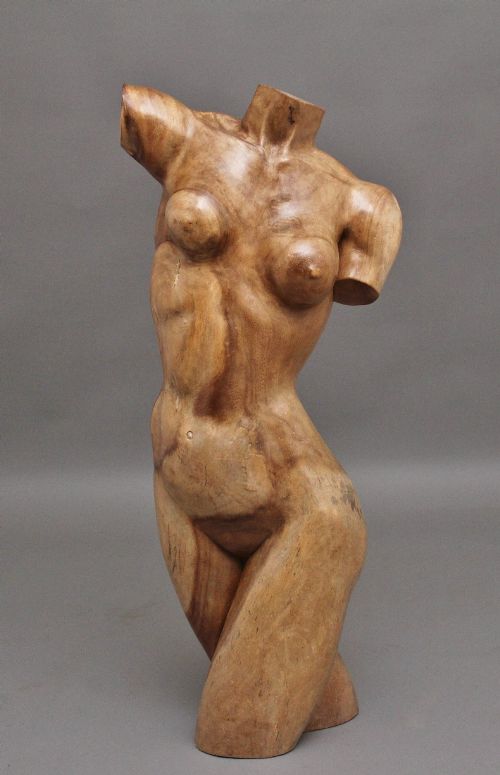
Many early ecclesiastical and temple figures were intended to be covered with gesso and brightly painted or gilded. However, secular folk art pieces and certain hardwood carvings were often left as plain timber.
Traces of original pigment hiding in recessed folds often confirm whether a piece has lost its historic polychromy over time.
How should I care for a wooden sculpture?
Keep wooden figures away from direct heat sources, strong sunlight, and rapid humidity fluctuations to prevent the timber from splitting. Dust them gently with a dry, soft brush rather than using liquid polishes.
Stable indoor environments help preserve fragile painted surfaces and historic gold leaf without disturbing the accumulated patina.
What is the difference between folk art and religious carvings?
Religious carvings follow strict iconographical rules defined by church traditions, aiming to inspire devotion. Folk art figures arise from local vernacular traditions, often prioritising utility, movement, or whimsical charm.
Religious figures typically depict specific saints or deities, whereas folk art encompasses fairground fragments, whirligigs, and toys.