
Polychrome Porcelain Statues
Polychrome porcelain statues combine intricate moulded forms with rich painted palettes, offering collectors centuries of European and Asian sculptural artistry.
Polychrome Porcelain Statues
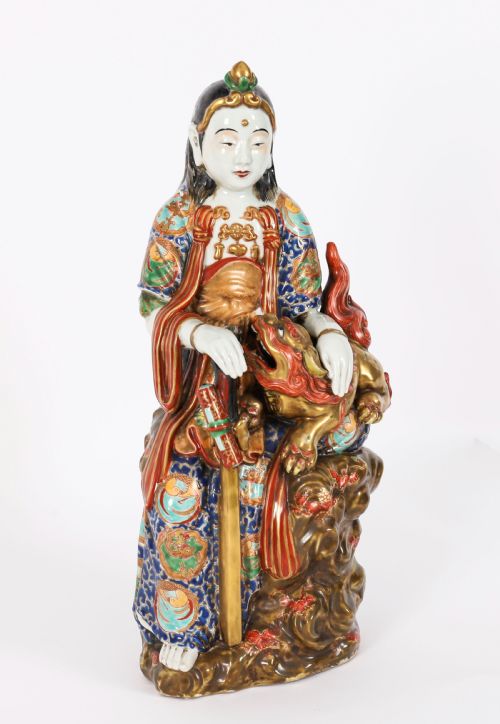
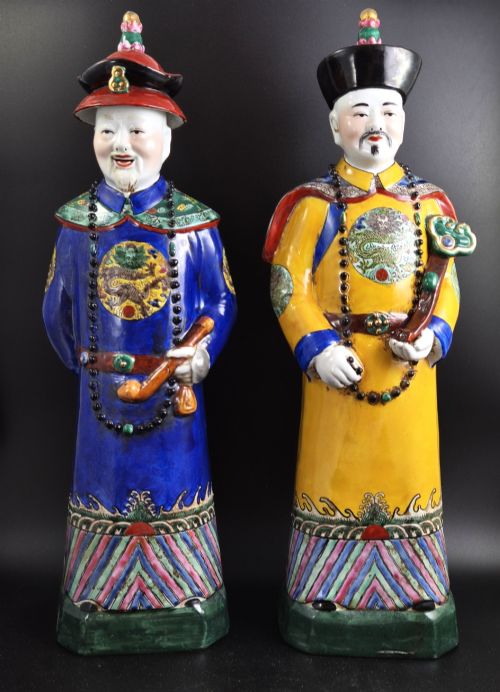
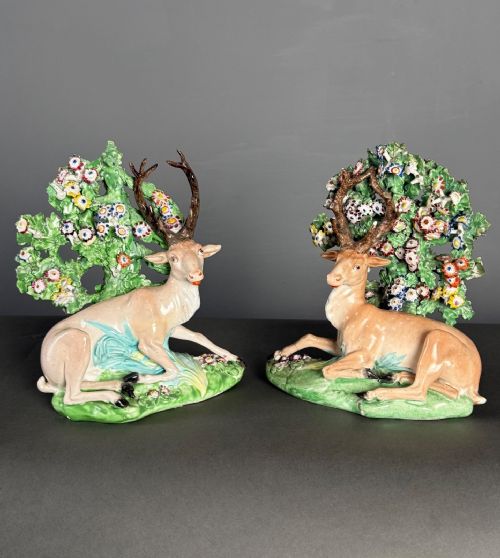
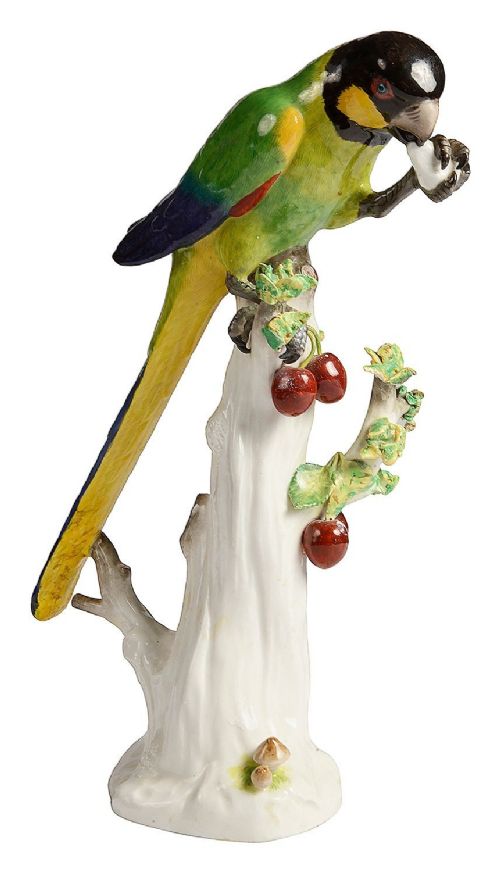
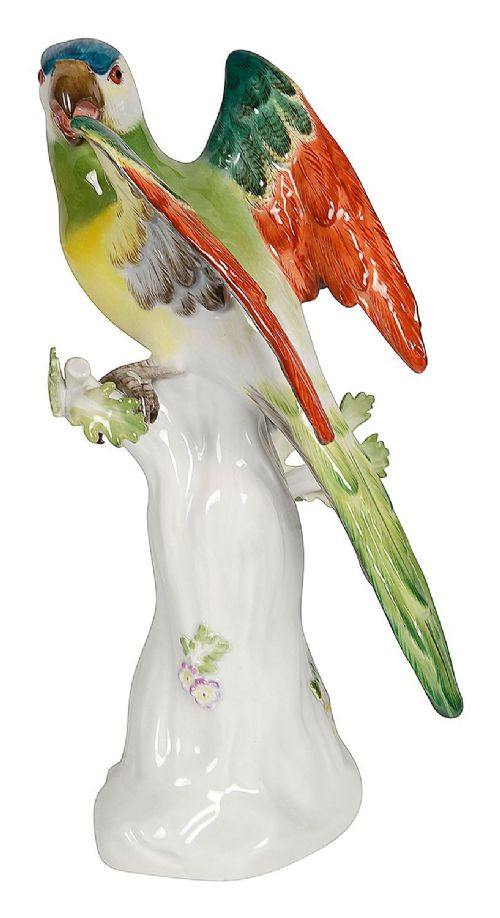
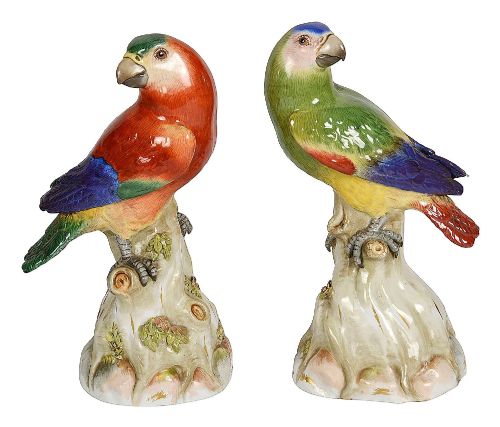
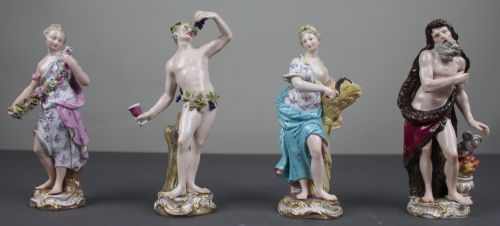
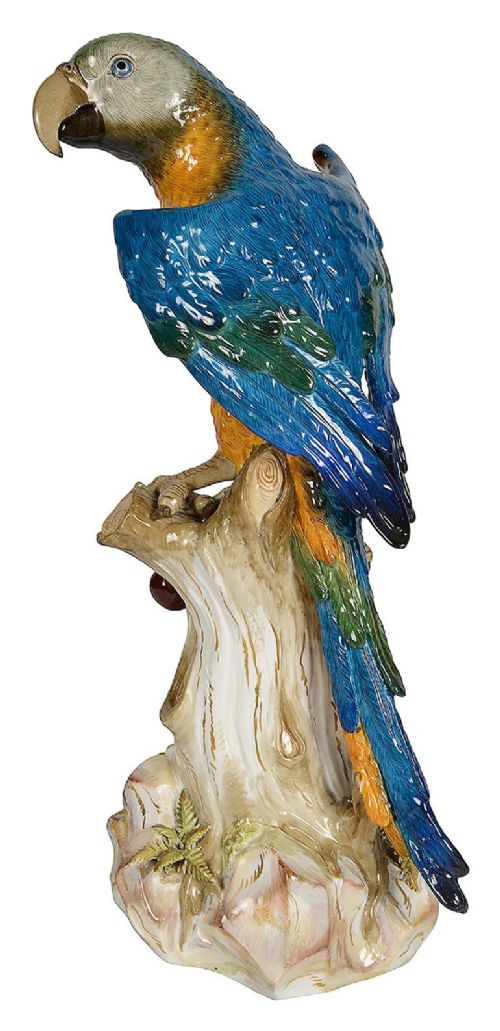
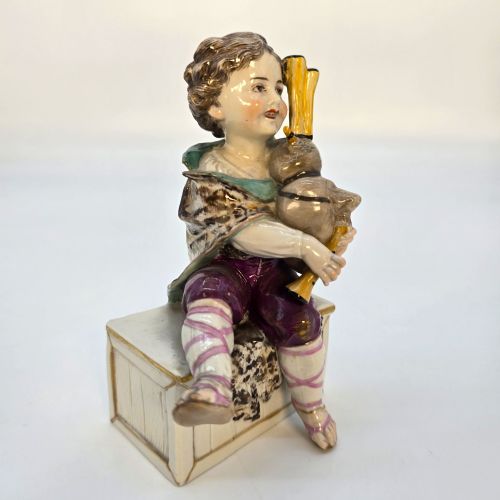
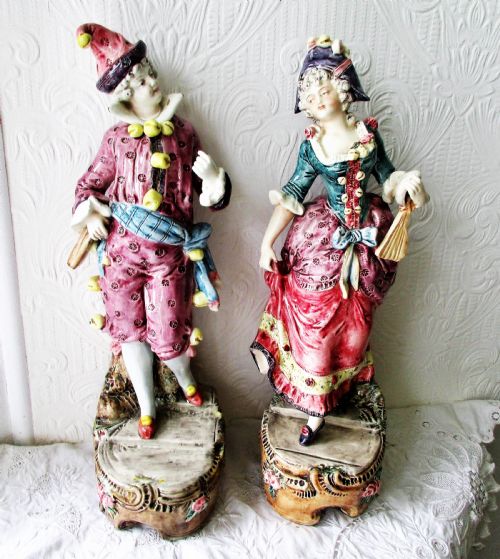
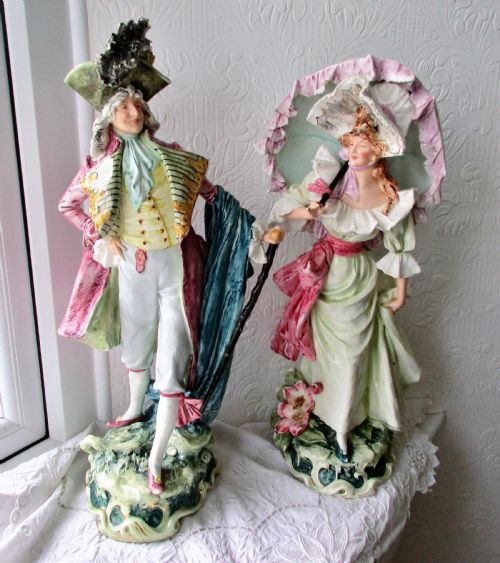
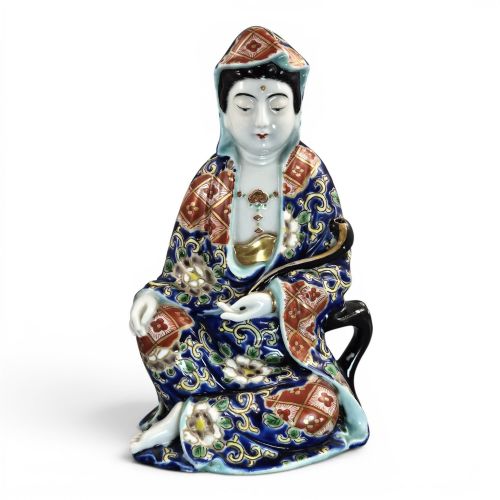
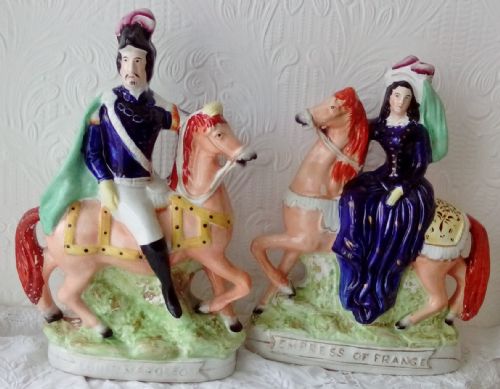
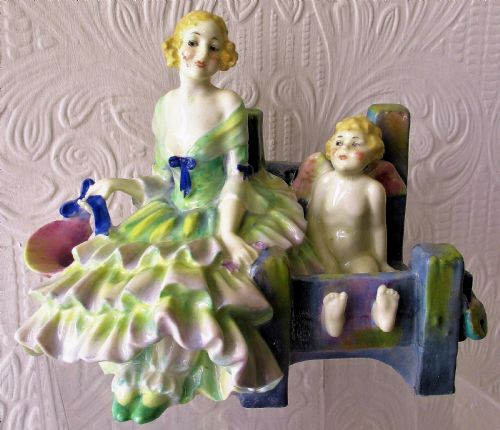
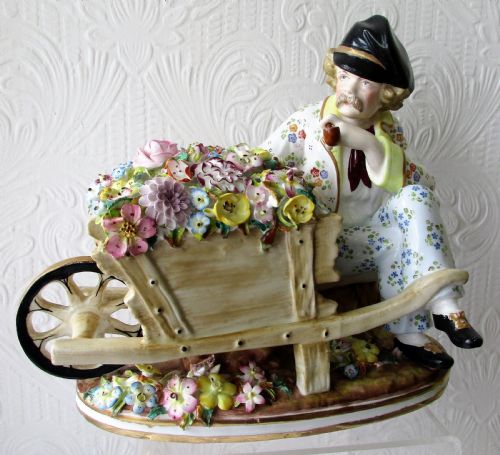
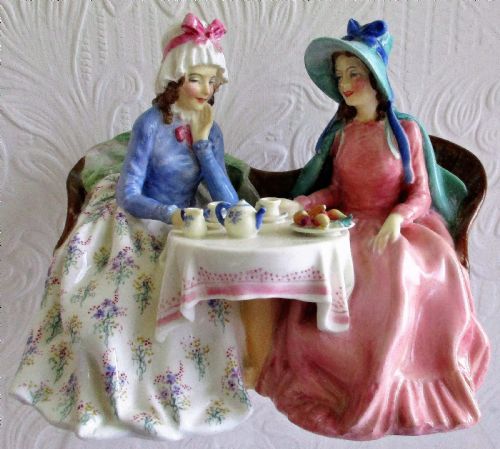
Polychrome porcelain statues encompass a diverse array of figures, groups and animals created across the eighteenth, nineteenth and twentieth centuries in European and Asian workshops. When searching for polychrome porcelain statues, buyers encounter everything from eighteenth-century English figures and Meissen parrots to Japanese Kutani deities and Chinese Famille Rose immortals.
The selections span distinct stylistic movements, including Rococo Revival, Georgian, Victorian and the Meiji period. Common representations range from classical allegories and mythological putti to historical personages and traditional Eastern figures.
Materials and Technique
Manufacturers utilised hard-paste porcelain, soft-paste porcelain, earthenware and faience, shaping them into detailed figurines and larger sculptural groups. Artisans applied glazes, gold leaf and enamel decoration by hand to achieve vibrant surface finishes.
Firing techniques varied according to the medium, with many pieces receiving delicate hand painting over the glaze to highlight facial expressions, garments and naturalistic elements like tree trunks.
Current listings feature porcelain figures and earthenware statues spanning the eighteenth, nineteenth, and twentieth centuries across European and Asian traditions.
Evaluating the Pieces
Quality rests in the crispness of the modelling and the precision of the hand painting, where finer examples display subtle tonal gradations in the enamel work and clean definition in moulded details. The sophistication of the firing process and the preservation of original gilding and surface decoration also distinguish superior specimens from simpler commercial productions.
Volkstedt Rudolstadt Factory·John Bevington·Makuzu Kozan II·Letu & Mauger·Samson of Paris
The Polychrome Porcelain Statues Glossary
- Biscuit porcelain
- Unglazed porcelain fired once to produce a matte, white surface resembling marble. It is frequently seen in nineteenth-century French romantic figures.
- Enamel
- Opaque vitreous composition fused to the porcelain surface through firing to create colourful painted designs. Enamels provide the bright polychrome palette seen on many figures.
- Okimono
- Japanese decorative sculpture designed for display in a household setting, often depicting deities, immortals or animals from the Meiji period.
- Sancai
- A three-colour glaze tradition used on ceramics, commonly incorporating amber, green and cream tones. It appears on Chinese pottery figures such as ducks in the Ming style.
- Hard-paste porcelain
- A durable ceramic compound composed of kaolin and petuntse, fired at very high temperatures. It forms the robust body of many eighteenth and nineteenth-century European figures.
Polychrome Porcelain Statues: Frequently Asked Questions
What is the difference between European and Asian statues?
European pieces frequently depict allegorical themes, romantic couples, pastoral subjects, or theatrical characters influenced by Rococo and neoclassical aesthetics.
Asian statues, such as Kutani or Satsuma wares, typically represent Buddhist deities, historical figures, or auspicious animals like the Laughing Buddha and temple dogs.
Where should I display porcelain figures?
These statues require stable locations away from direct sunlight and heavy foot traffic to protect delicate extremities, protruding fingers, and painted enamel surfaces.
Enclosed cabinets with glass doors offer ideal protection from dust while allowing clear visibility of the intricate polychrome details from all angles.
How do I care for antique statues?
Dusting should be performed gently using a soft, dry artist's brush rather than cloths that might catch on raised fingers, leaves, or delicate gilding.
Water and liquid cleaners must be avoided, particularly on pieces with overglaze enamels or exposed biscuit porcelain that can absorb moisture and stain.