




Polychrome Porcelain Lidded Jar
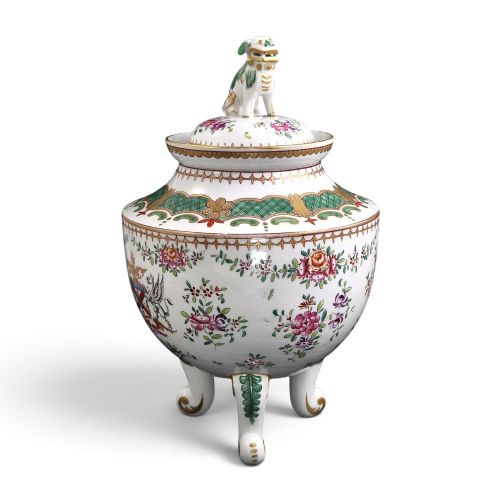
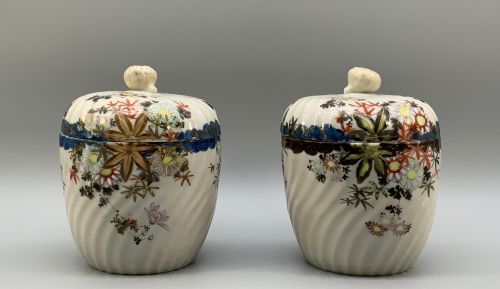
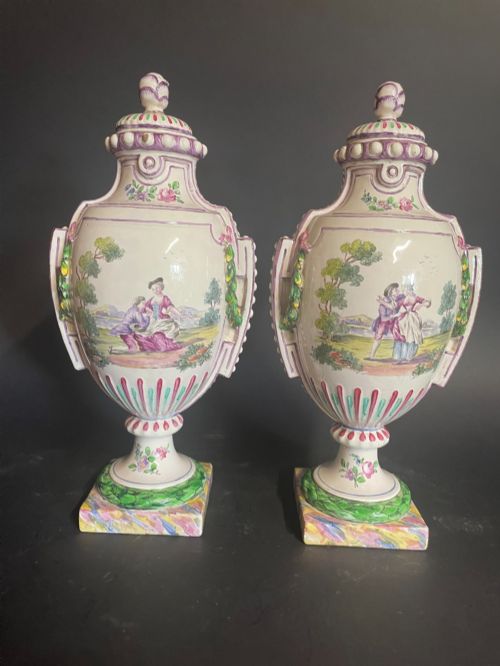
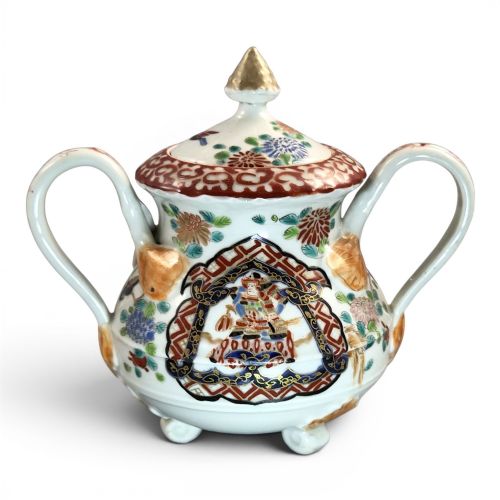
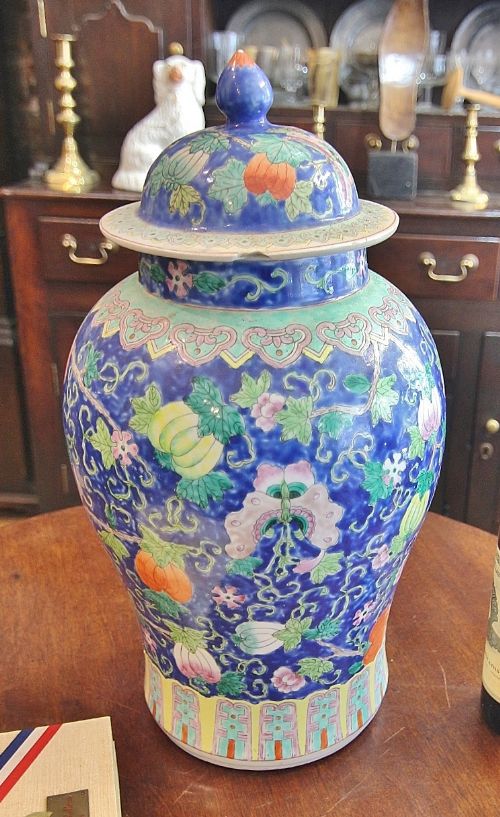
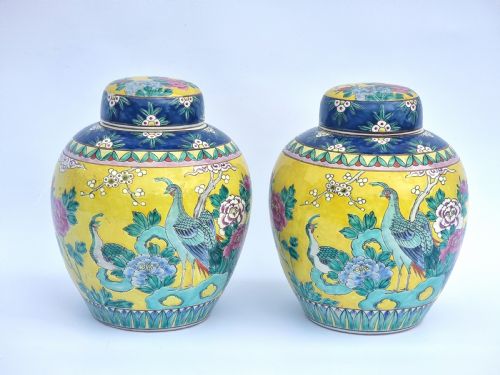
These polychrome porcelain lidded jars bring vibrant hand-painted enamel and intricate gilding to a room, offering both decorative presence and traditional storage.
Polychrome Porcelain Lidded Jar
When you search for a polychrome porcelain lidded jar, you encounter vessels designed to hold dried flowers, pot pourri, or dry goods while serving as focal points on furniture.
The selections span distinct cultural traditions, ranging from English porcelain factories like Royal Worcester and Coalport to Japanese Imari, Satsuma, and Kutani wares, alongside Chinese ginger jars and European studio pieces.
Forms vary from classic baluster shapes and ginger jars to pot pourri urns, frequently appearing in matched pairs alongside individual cabinet pieces.
Materials and construction methods
Potters shaped these vessels from hard-paste porcelain, earthenware, or faience, applying white glazes as a smooth base for subsequent decoration.
Artisans applied multi-coloured enamel pigments by hand, frequently incorporating gold leaf and gilding to highlight floral motifs, figures, and armorial details.
Listings feature hard-paste porcelain, earthenware, and faience spanning the nineteenth and twentieth centuries.
Assessing visual and material standards
The weight and purity of the porcelain body, alongside the crispness of the moulded form and the stability of the fitted cover, separate finer examples from simpler utilitarian vessels.
Royal Worcester·Coalport·Samson Paris·Fukagawa
The Polychrome Porcelain Lidded Jar Glossary
- Polychrome
- Decoration executed in multiple enamel colours. This technique allows for vibrant, multi-hued pictorial scenes across the surface of the ceramic.
- Imari
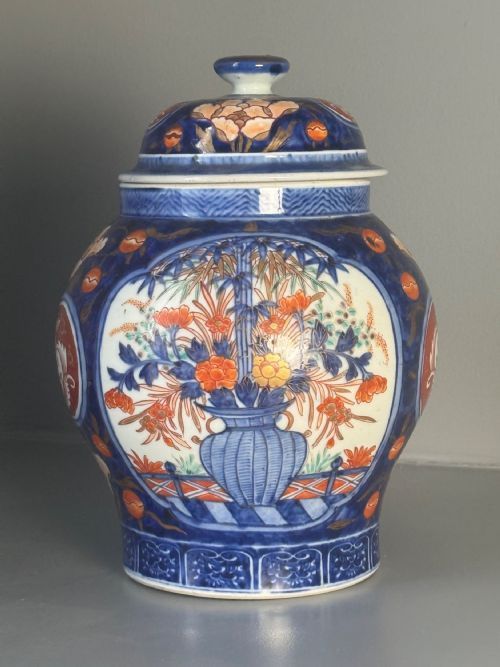
- A traditional style of Japanese porcelain featuring cobalt blue underglaze and iron red overglaze, frequently enriched with gold leaf. These wares were widely exported to Europe from the port of Imari.
- Satsuma
- A type of Japanese earthenware characterised by a crackle ivory glaze and elaborate polychrome and gilt enamel decoration. It originated in the Satsuma Province during the Edo period.
- Baluster
- A vertical architectural form shaped with a rounded lower body tapering to a narrower neck. This silhouette is common in large decorative vases and jars with covers.
- Pot Pourri
- A vessel designed with a pierced or perforated lid to diffuse dried flower scents into a room. English factories often decorated these with painted fruit scenes.
Polychrome Porcelain Lidded Jar: Frequently Asked Questions
What is a polychrome porcelain lidded jar used for?
These vessels were traditionally used to store dry goods, spices, or fragrant pot pourri within domestic interiors.
Today, collectors primarily display them on mantelpieces, side tables, or cabinets as decorative ornaments.
How do I identify Japanese Imari ware?
Japanese Imari porcelain is recognisable by its distinct palette combining underglaze cobalt blue with iron red enamel.
Painters frequently added gold leaf highlights over the glaze to create complex geometric and floral patterns.
What distinguishes Satsuma pottery from porcelain?
Satsuma pieces are constructed from earthenware rather than porcelain, resulting in a warmer, buff-coloured body.
They are coated with a characteristic finely crackled ivory glaze that receives detailed polychrome and gilt painting.
Are these jars usually found in pairs?
Many lidded jars and vases survive as symmetrical pairs intended for balanced placement on furniture.
Single jars also appear frequently, often representing larger baluster or ginger jar forms from Chinese and Japanese traditions.
How do English factory pieces differ from Asian exports?
English manufacturers such as Royal Worcester and Coalport typically feature naturalistic painted fruit and floral studies executed by named artists.
Asian export pieces from the nineteenth century focus on traditional figures, armorial motifs, and dense Imari or Satsuma patterning.