




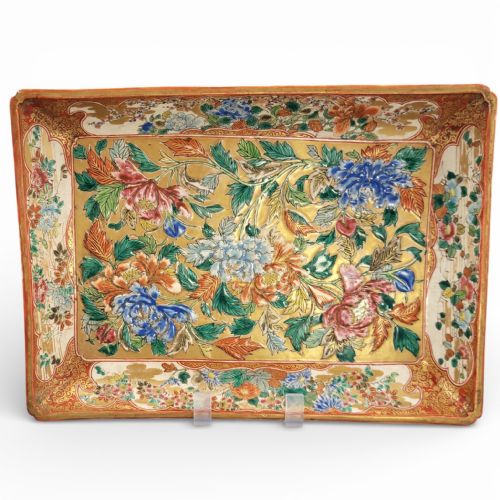


Polychrome Porcelain Charger
A polychrome porcelain charger brings bold enamel work and intricate hand painting to a wall or cabinet.
Polychrome Porcelain Charger
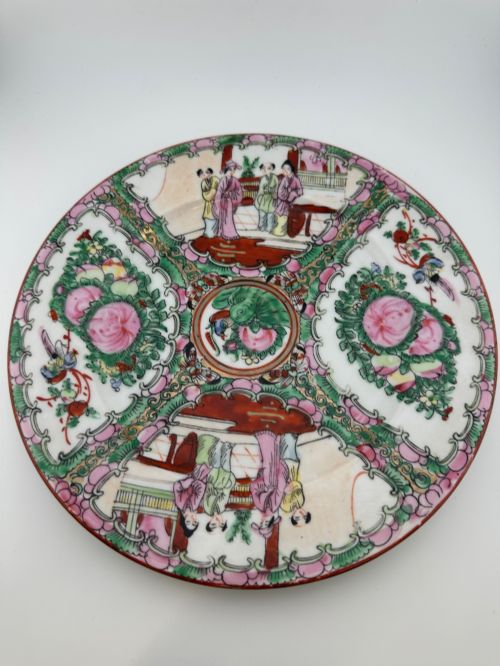
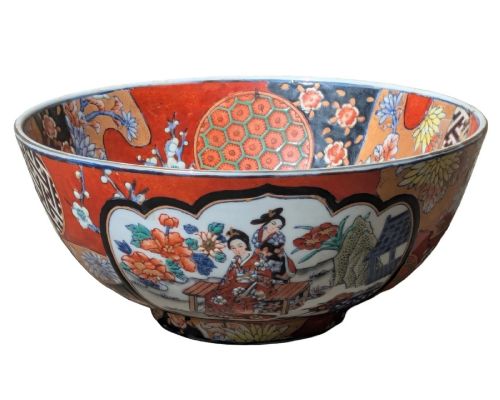
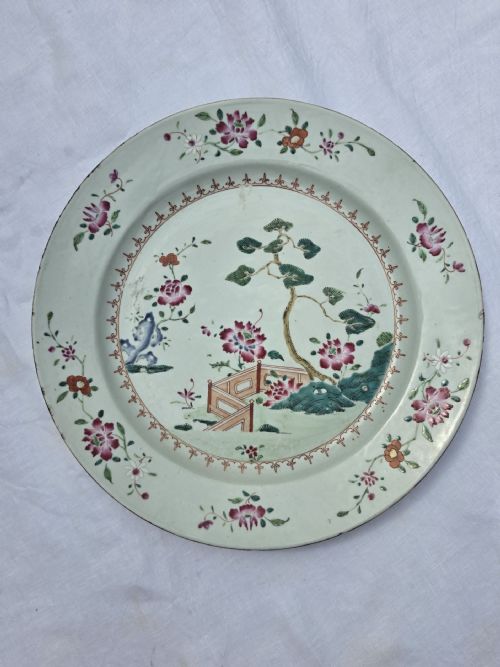
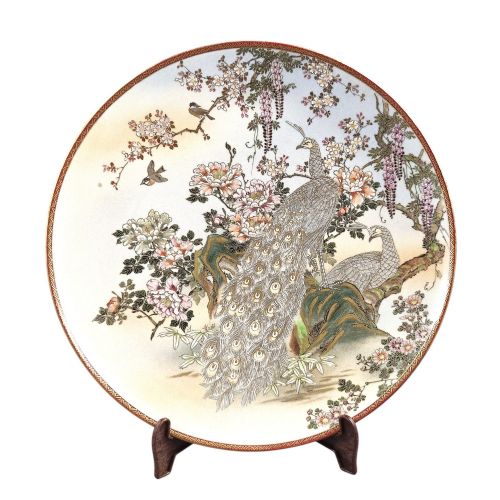
When you search for a polychrome porcelain charger, you encounter large decorative plates and shallow dishes designed for display rather than dining. The examples seen here span Chinese export pieces from the eighteenth century, Japanese Imari and Kutani works from the Meiji period, and European porcelain and ironstone productions from the nineteenth century.
How they were made
Potters shaped high-fired porcelain and ironstone bodies before applying cobalt underglaze pigments and rich overglaze enamel colours. Artisans added fine details using gold leaf, gilt highlights, and moriage relief work to create textured surfaces.
Kiln firing fixed the cobalt underglaze details, while subsequent lower-temperature firings set the intricate polychrome enamels and gold additions.
Polychrome Porcelain Charger Retail Price Guide 2026
Typical asking prices for polychrome porcelain charger among the pieces listed under this phrase on Sellingantiques today, from the lower quarter to the upper quarter. They describe what is for sale here now, not the wider market.
The listings span the eighteenth, nineteenth, and early twentieth centuries, encompassing Georgian, Victorian, and Edwardian eras.
What varies in quality
Quality rests in the precision of the hand painting and the clarity of the enamel palette. Pieces with crisp brushwork, balanced composition, and well-preserved gilt or gold leaf demonstrate superior workshop execution.
The complexity of the subject matter, such as multi-figure scenes or detailed flora and fauna, separates standard decorative plates from exceptional cabinet pieces.
Mason·Meissen·Shoza
The Polychrome Porcelain Charger Glossary
- Imari
- A style of Japanese porcelain featuring a distinctive palette of cobalt blue, iron red, and gilt highlights. These pieces were heavily exported to Europe from the Edo period onwards.
- Famille Rose
- A major palette of Chinese ceramic glazes introduced in the eighteenth century, distinguished by an opaque pink or rose enamel derived from colloidal gold.
- Moriage
- A Japanese ceramic technique where slip is piped onto the surface to create raised, textured patterns before enamelling and gilding.
- Kutani
- A style of Japanese coloured porcelain traditionally associated with Kutani village, known for bold designs and extensive gold work.
- Armorial
- Ceramic ware decorated with painted family coats of arms, commonly commissioned by European families from Chinese export workshops.
Polychrome Porcelain Charger: Frequently Asked Questions
How were polychrome chargers displayed?
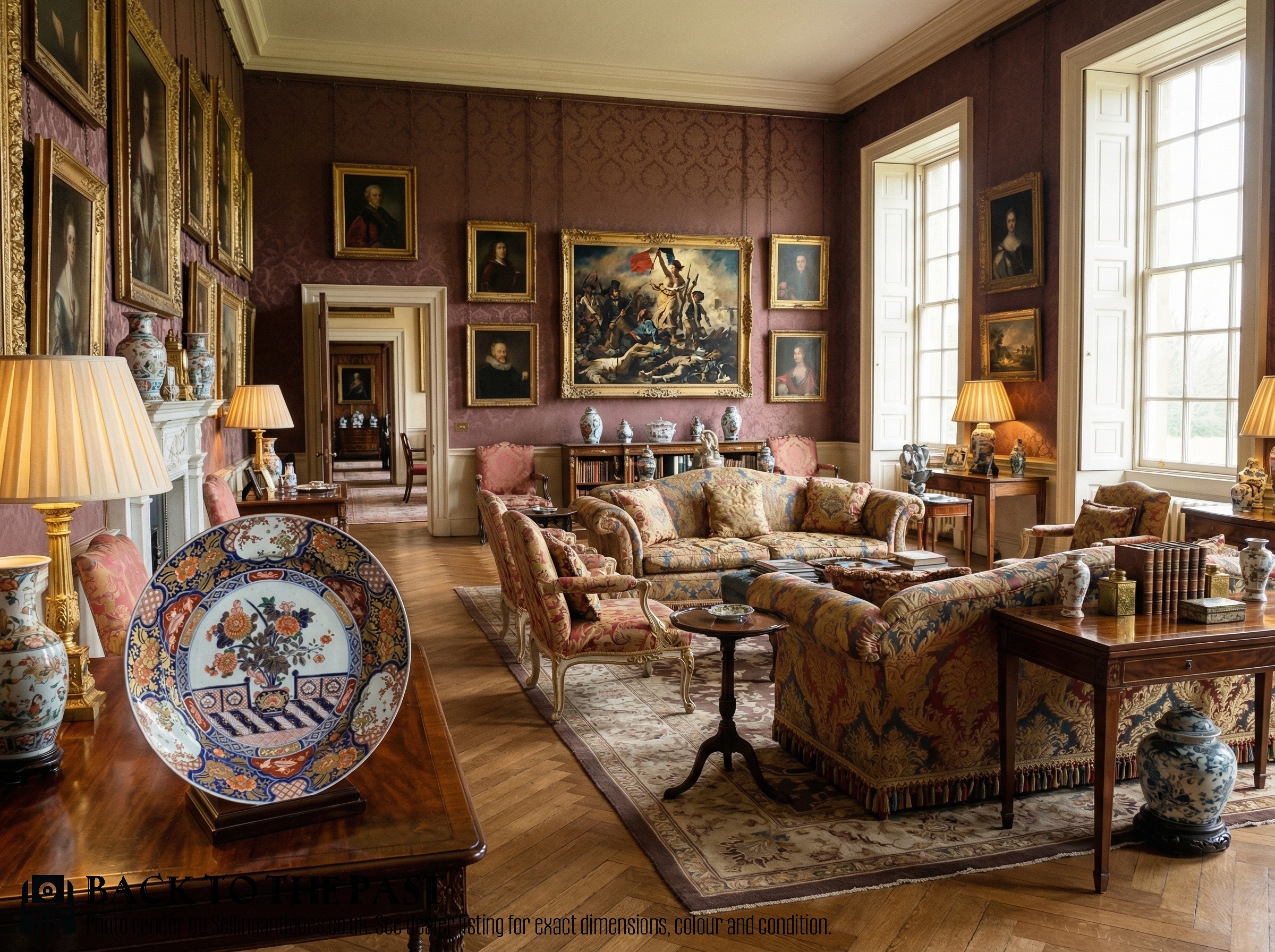
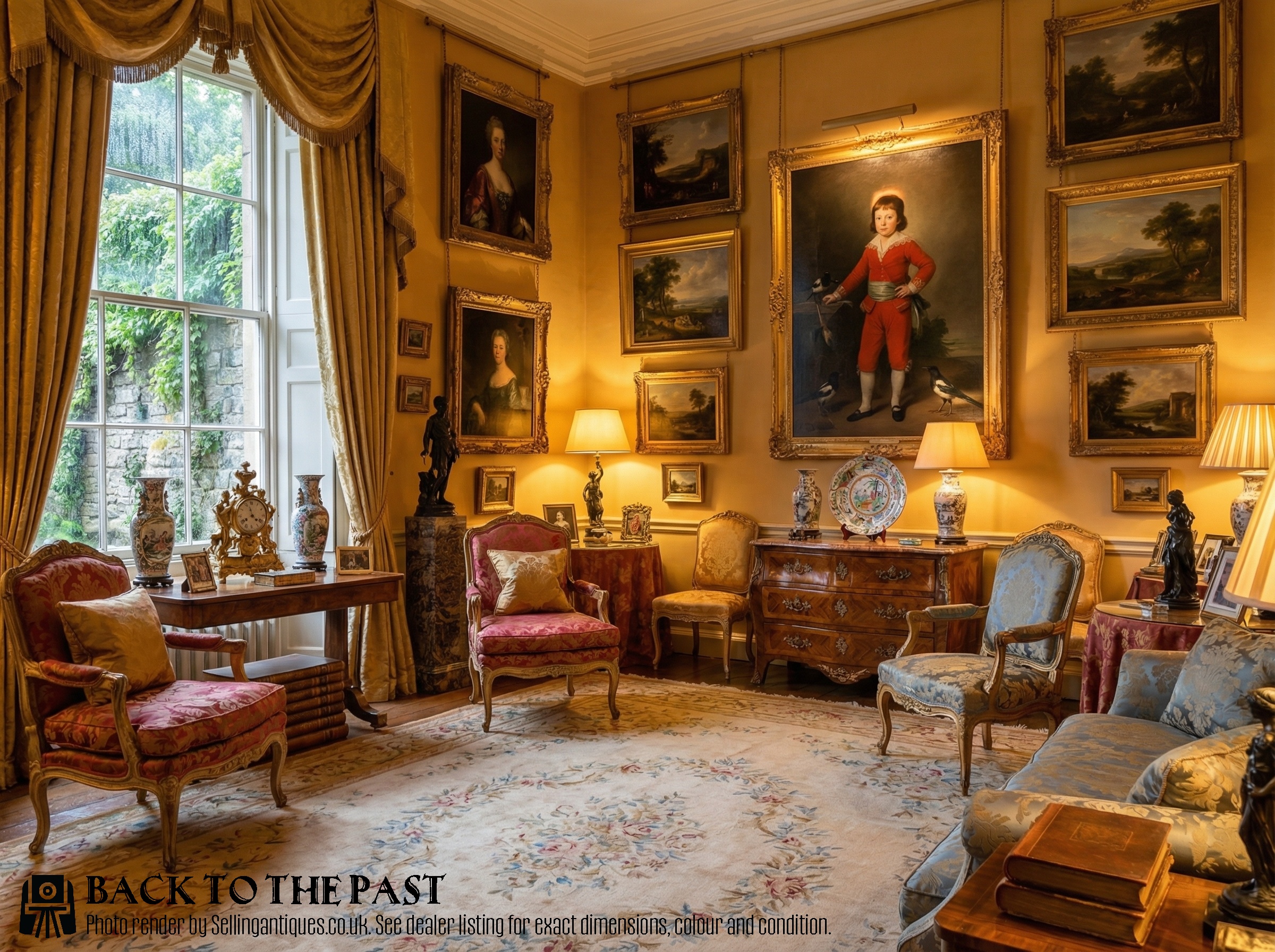
These large plates were traditionally shown on sideboards, hung on walls, or placed in cabinets to display the wealth and taste of the owner.
Today, they function similarly in domestic settings, utilising plate hangers or dedicated stands to secure the heavy ceramic bodies safely.
What is the difference between an Imari charger and a Kutani charger?
Imari chargers typically rely on a tripartite colour scheme of underglaze blue, iron red, and gold, often featuring symmetrical floral and geometric brocade patterns.
Kutani chargers tend to employ a wider, denser palette of greens, purples, and heavy gold leaf, frequently depicting figurative scenes or natural subjects.
How do I distinguish eighteenth-century Chinese export pieces from later Japanese pieces?
Eighteenth-century Chinese pieces, such as Famille Rose or armorial designs, generally feature thinner, finer porcelain bodies with soft, opaque enamel tones.
Later Japanese Meiji period works display heavier potting, brighter contrasting enamels, and often more energetic or crowded compositions.
Can I use these chargers for serving food?
These items are intended as decorative objects rather than functional tableware, particularly due to delicate overglaze enamels and gold leaf that can wear with use.
Cleaning should be limited to gentle dusting with a dry cloth to preserve the historical surface finish.