



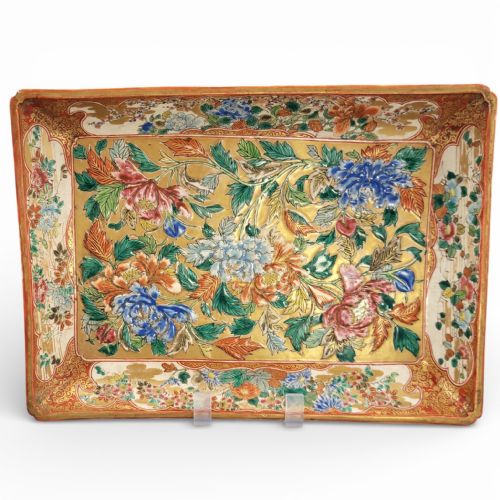
Polychrome Floral Porcelain Dish
A polychrome floral porcelain dish brings brilliant painted botanicals and historic ceramic craftsmanship straight to the table.
Polychrome Floral Porcelain Dish
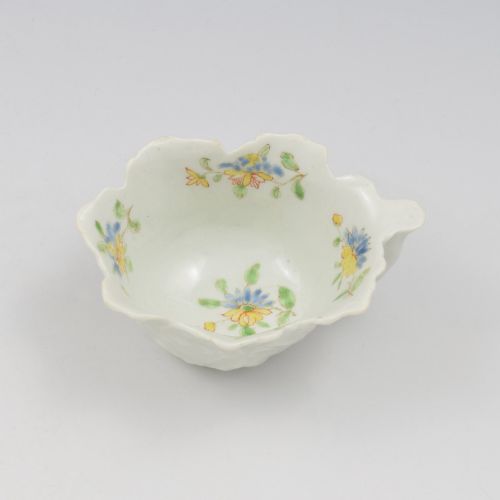
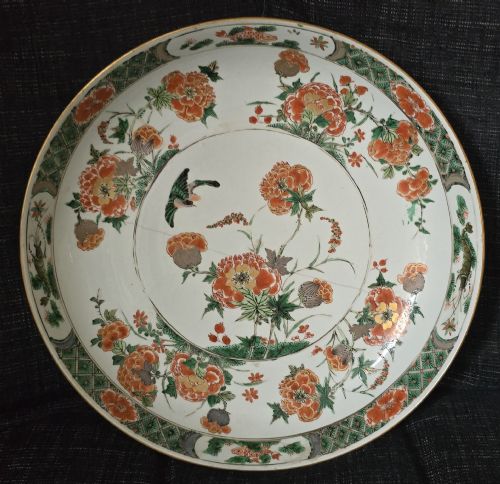
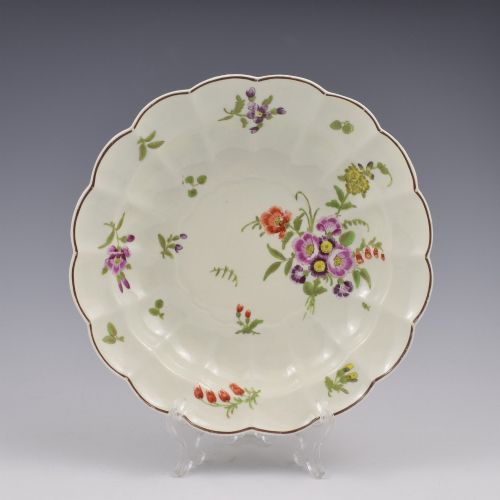
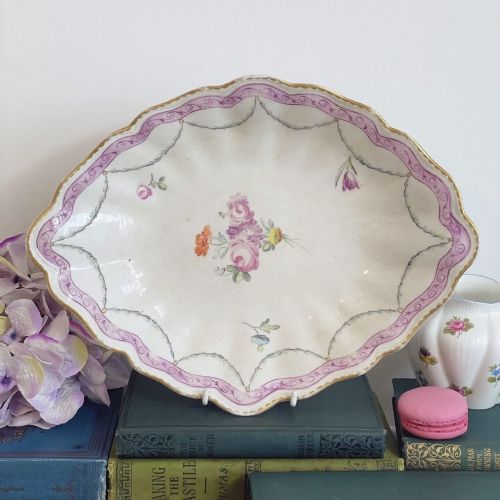
When you search for a polychrome floral porcelain dish, you are looking at vibrant serving vessels, bowls, and plates decorated with multiple enamel colours and botanical motifs. These pieces span centuries of global ceramic production, reflecting diverse aesthetic traditions from European factories and Asian kilns alike.
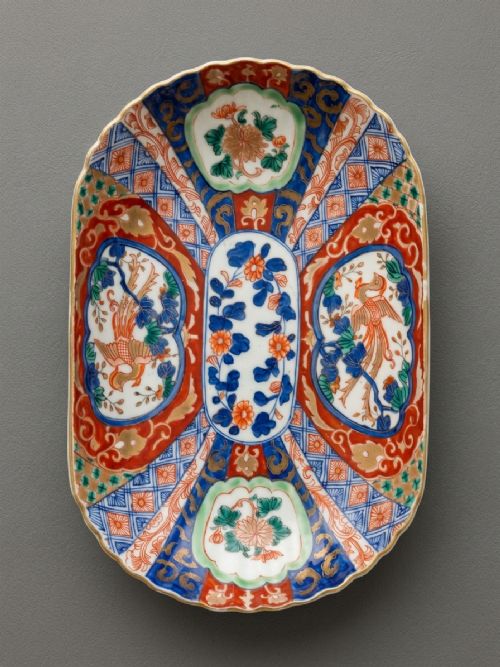
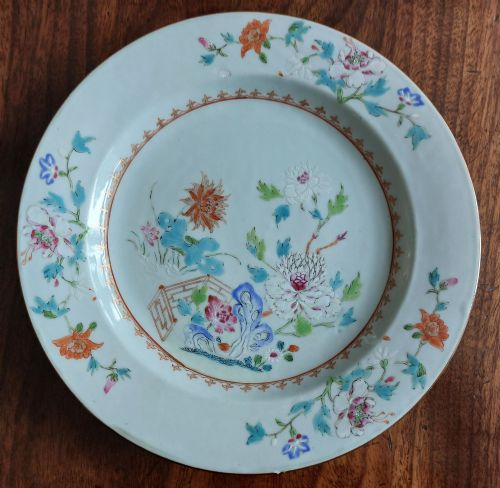
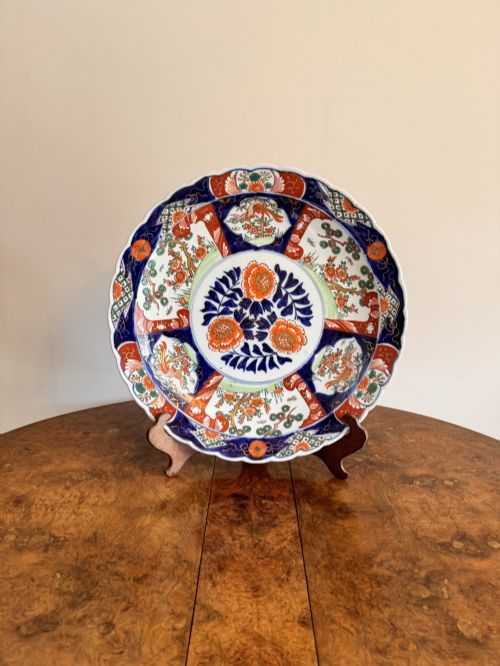
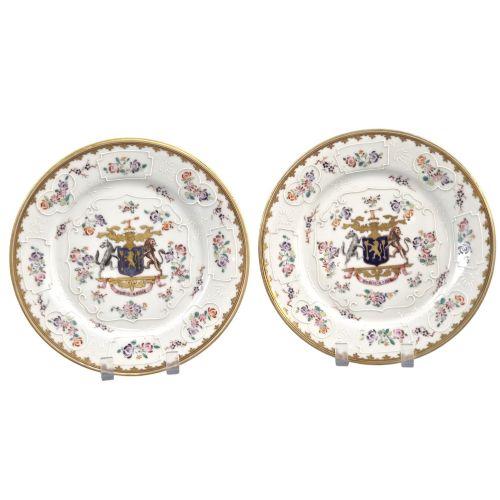
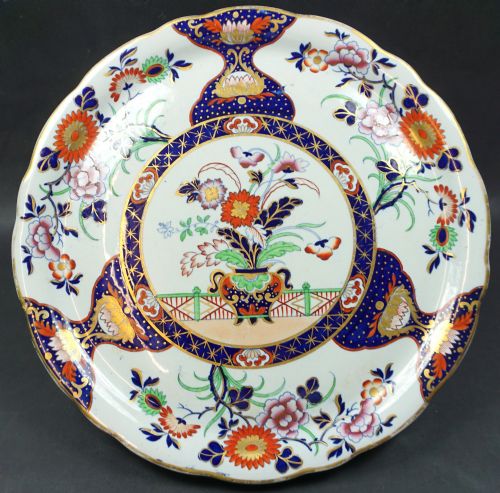
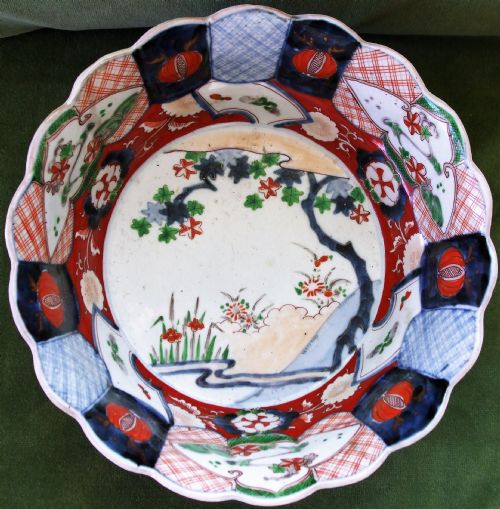
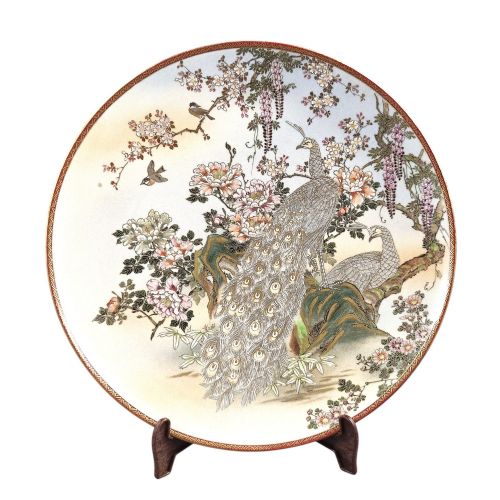
The versions you are most likely to meet on this page range from eighteenth-century English porcelain plates and Chinese export porcelain to nineteenth-century Japanese Imari chargers and Meiji period Satsuma wares. Forms vary from simple round plates to lobed dessert dishes, serving platters, and elaborate centrepieces.
How they were made
Makers shaped these items using porcelain, soft-paste porcelain, and ceramic bodies, often applying an opaque glaze before hand-painting the surface. Artisans then utilised coloured enamels alongside gold leaf and gilt detailing to bring floral patterns, birds, and figures to life.
Many works required multiple firings in kilns to set the intricate underglaze and overglaze colours firmly onto the ceramic base. Additional techniques such as moriage relief work and hand colouring further enriched the surface texture of the finished vessels.
Polychrome Floral Porcelain Dish Retail Price Guide 2026
Typical asking prices for polychrome floral porcelain dish among the pieces listed under this phrase on Sellingantiques today, from the lower quarter to the upper quarter. They describe what is for sale here now, not the wider market.
Several pieces squeeze painted peacocks, wisteria, peonies, and cheerful putti directly onto the same dining table.
What varies in quality
The standard of painting determines much of the distinction between ordinary production and superior work. Finely articulated brushwork, subtle colour shading, and precise hand-painted botanical details elevate a piece significantly above standard factory output.
The crispness of the porcelain moulding and the stability of the glaze also dictate overall merit. Early soft-paste bodies and complex shapes with lobed edges or applied figures demand greater technical skill from the potter.
Hicks & Meigh·Edmé Samson & Cie
The Polychrome Floral Porcelain Dish Glossary
- Polychrome
- Decorated in multiple colours. This term describes ceramics painted with a diverse palette of enamels rather than a single monochrome tone.
- Imari
- A style of Japanese porcelain. These pieces typically feature a distinctive palette of underglaze blue, iron red, and gilt highlights.
- Famille Rose
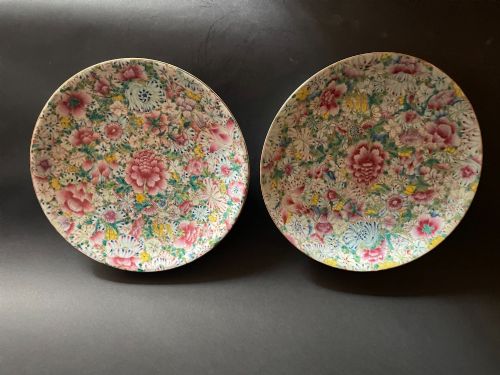
- A major palette of Chinese ceramic enamel colours. Introduced in the Qing dynasty, it relies predominantly on an opaque pink enamel derived from colloidal gold.
- Soft-paste porcelain
- A ceramic material composed of clay and glass frit. Fired at lower temperatures than hard-paste, it possesses a softer lustre and texture.
- Moriage
- A Japanese ceramic decorating technique. Slip is applied in raised dots or lines to create a textured, three-dimensional surface design.
Polychrome Floral Porcelain Dish: Frequently Asked Questions
What is a polychrome floral porcelain dish?
It is a ceramic plate, bowl, or serving vessel decorated with hand-painted botanical designs in multiple enamel colours. These items were produced across European and Asian potteries over several centuries.
Such vessels served practical dining functions as well as decorative display purposes in historic households. They combine utility with intricate artistic expression.
How do I care for antique porcelain dishes?
Wash antique porcelain gently by hand using mild soap and lukewarm water rather than placing them in a dishwasher. Avoid abrasive sponges that could damage the overglaze enamel or gilt highlights.
Store or display them securely on stable surfaces away from direct edges. Support larger chargers with appropriate plate stands to prevent tipping.
How do I date an antique porcelain dish?
Examine the foot ring, glaze texture, and any painted or impressed factory marks on the underside of the piece. Stylistic clues such as floral motifs, colour palettes, and manufacturing techniques also indicate the period of origin.
Comparing the paste and weight to documented examples from specific eras helps narrow down the decade of production. Eighteenth-century pieces often differ notably in paste composition from Victorian or Edwardian wares.
What is the difference between Imari and Famille Rose?
Imari porcelain originates from Japan and typically utilises a bold palette of cobalt blue, iron red, and gold. The patterns often incorporate dense brocade designs and floral panels.
Famille Rose is a Chinese ceramic style characterised by an opaque pink enamel alongside soft greens, yellows, and blues. The designs frequently feature naturalistic flowers, birds, and figurative scenes.