



Antique Derby Floral Dish
An antique derby floral dish brings handpainted botanical charm to a table, offering centuries of porcelain artistry and vibrant floral design.
Antique Derby Floral Dish
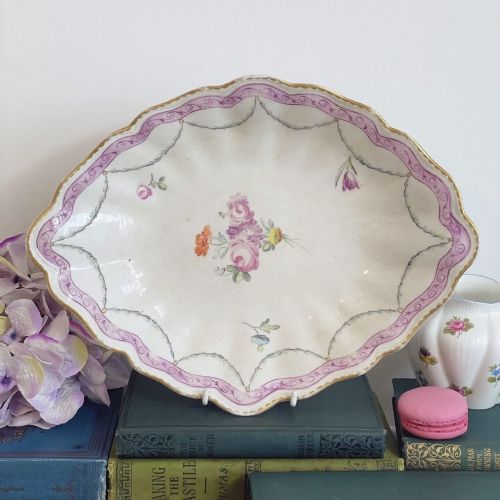
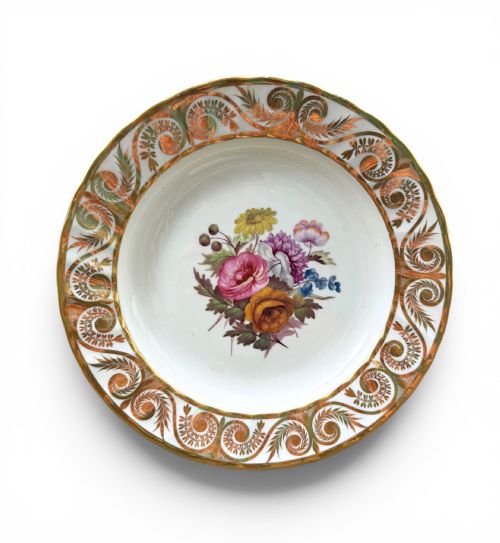
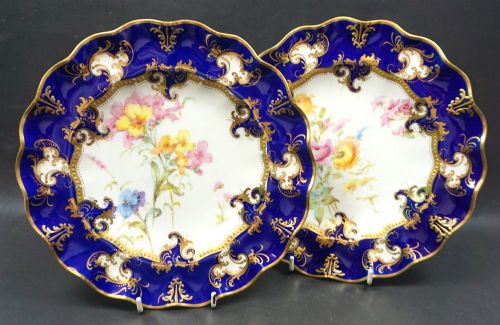
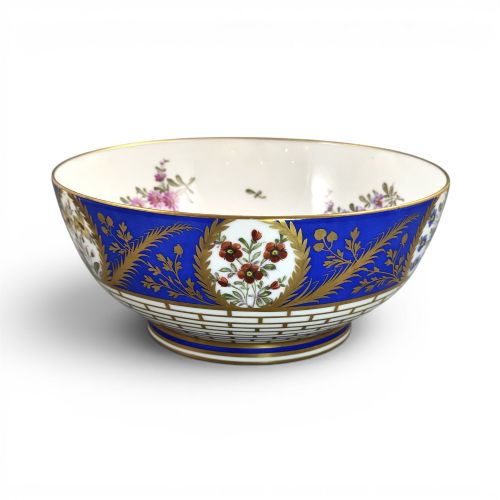
When you search for an antique derby floral dish, you encounter fine British ceramics spanning the eighteenth, nineteenth, and early twentieth centuries. These pieces take forms such as cabinet plates, serving dishes, footed bowls, and lobed dishes designed for decorative use or formal dessert service.
The versions most commonly met on this page range from Georgian soft-paste porcelain and Regency painted services to later Royal Crown Derby productions and Chelsea-Derby revival pieces. Each object showcases botanical artistry, combining utility with ornamental appeal in traditional porcelain forms.
How they were made
Potters shaped porcelain, bone china, and soft-paste porcelain into plates, bowls, and serving dishes before applying detailed handpainted polychrome floral motifs. Artisans enhanced these painted botanical scenes with meticulous applications of gold leaf and gilding to enrich the borders and edges.
Factories utilised specialised marks and skilled painters, while certain pieces incorporate distinct elements like cotton stem painter designs and cobalt blue marks dating back to the late eighteenth century.
Antique Derby Floral Dish Retail Price Guide 2026
Typical asking prices for derby floral dish among the pieces listed under this phrase on Sellingantiques today, from the lower quarter to the upper quarter. They describe what is for sale here now, not the wider market.
Cotton stem painters left their tiny floral signatures in porcelain history.
What varies in quality
The standard of an antique derby floral dish depends heavily on the skill of the botanical painting and the prestige of the recorded artist or specific factory period. Pieces bearing attribution to known painters or commissioned retailers hold distinct artistic merit compared to standard factory output.
The preservation of the handpainted polychrome enamels and the crispness of the underlying porcelain form also determine the overall refinement of the piece.
Royal Crown Derby·Moses Webster·Samson Paris·Bloor Derby·John Ford Edinburgh
The Antique Derby Floral Dish Glossary
- Soft-paste porcelain
- An artificial porcelain composition fired at lower temperatures, commonly used in early English ceramic production before bone china became dominant. It gives eighteenth-century pieces a characteristic warm translucency.
- Polychrome
- A decorative scheme utilising multiple distinct colours in the painted design. This method allowed artists to render botanical subjects with lifelike floral variation.
- Gilding
- The application of gold leaf or powdered gold to ceramic surfaces, typically highlighting rims and borders. It provides a rich contrast to the painted flowers.
- Cabinet plate
- A decorative ceramic plate intended for display in a cabinet rather than for dining use. These pieces often feature the most elaborate handpainted scenes.
Antique Derby Floral Dish: Frequently Asked Questions
What is an antique derby floral dish?
An antique derby floral dish is a porcelain plate, bowl, or serving vessel produced by Derby and related factories, featuring handpainted botanical decoration.
These items range from eighteenth-century soft-paste porcelain to twentieth-century bone china productions, reflecting changing ceramic fashions.
How do I identify periods?
Identifying periods involves examining the ceramic body, glaze characteristics, and factory marks found on the underside of the piece.
Earlier eighteenth-century items often utilise soft-paste porcelain and handpainted blue marks, while nineteenth- and twentieth-century examples display bone china bodies and distinct retailer or factory stamps.
Were these dishes used for dining?
Many forms, such as dessert plates and serving dishes, served practical functions during formal meals in Georgian and Victorian households.
Others, particularly cabinet plates, were created specifically for ornamental display within interior settings.
Who painted these botanical designs?
Skilled ceramic artists and independent painters decorated these wares, sometimes signing their work or receiving attribution through historical records.
Noted painters include figures associated with specific Derby eras alongside outside decorators who embellished porcelain blanks.