


Polychrome Export Porcelain
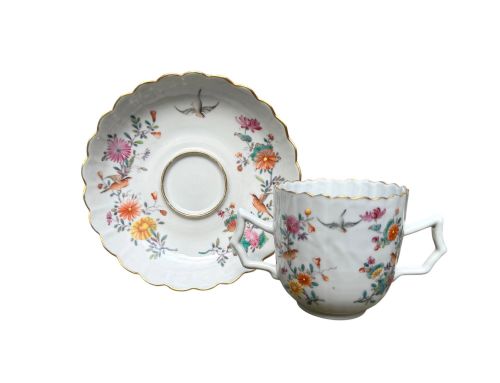
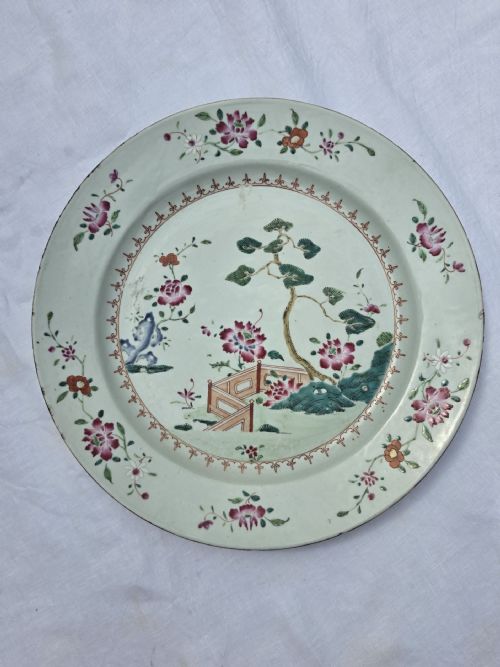
These pieces of polychrome export porcelain bring vibrant hand-painted enamel palettes and hard-paste bodies directly from historic Asian and European kilns to the table.
Polychrome Export Porcelain
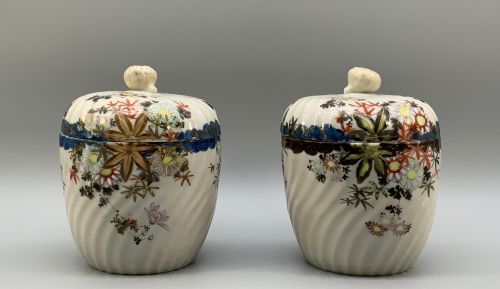
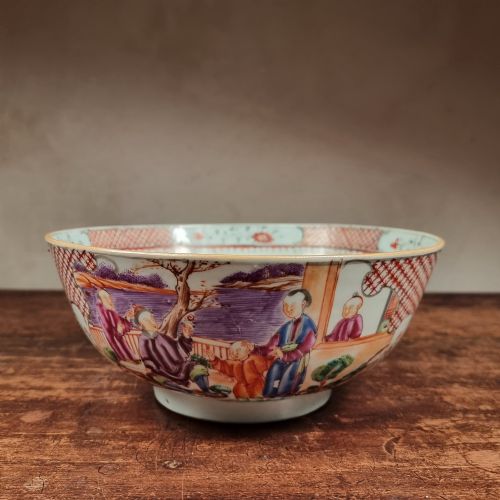
When buyers search for polychrome export porcelain, they encounter a range of decorative bowls, vases, chargers and table services made for international trade. The pieces span the eighteenth, nineteenth and early twentieth centuries, crossing Qing Dynasty China, Meiji and Taisho period Japan, and European imitation houses.
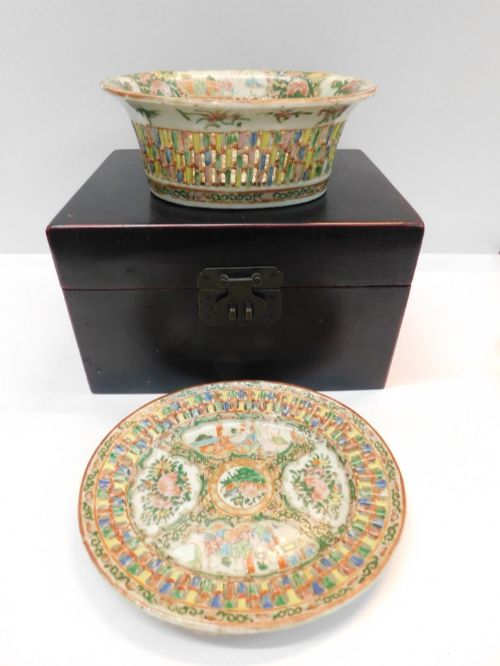
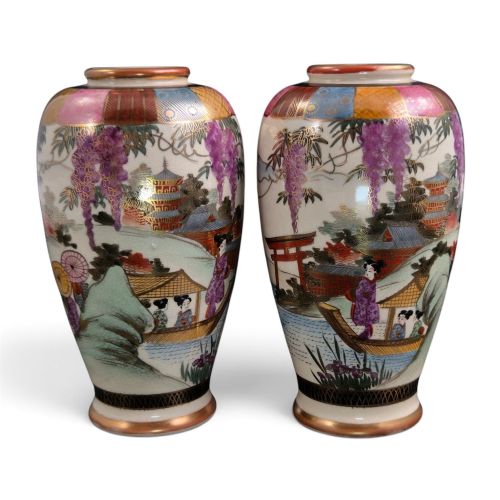
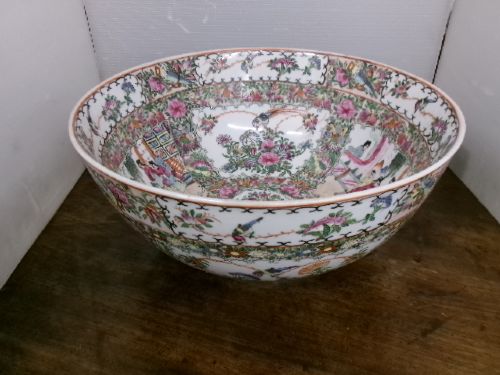
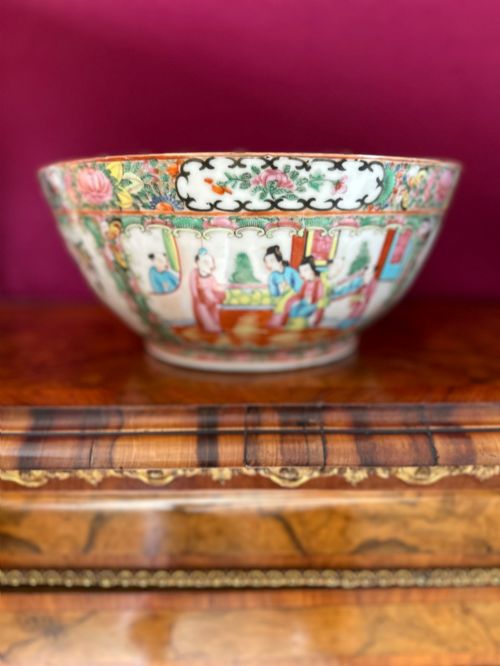
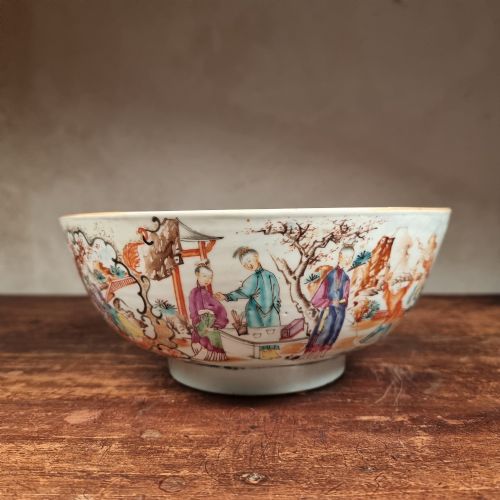
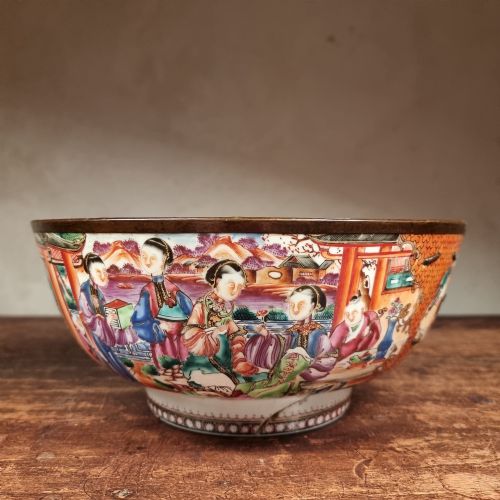
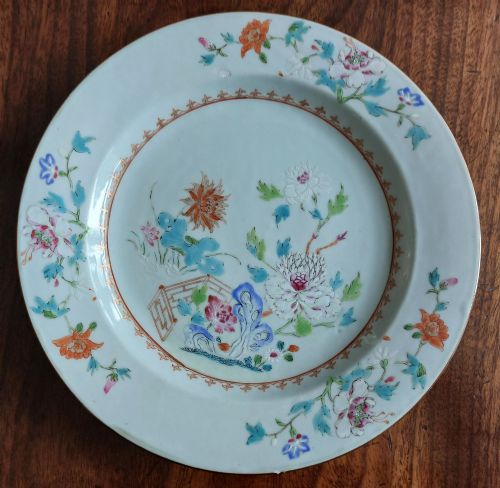
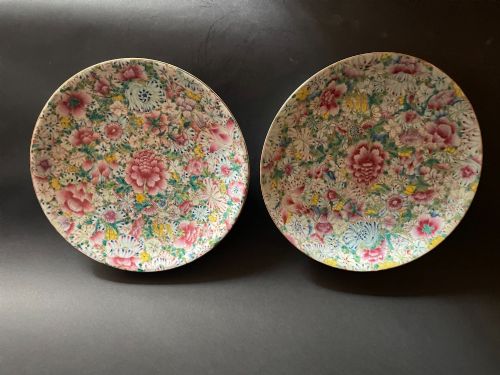
The most common forms on this page are nineteenth-century Chinese Canton bowls, famille rose dishes, and Japanese Satsuma or Kutani chargers. These vessels combine traditional domestic iconography with forms tailored for Western interiors.
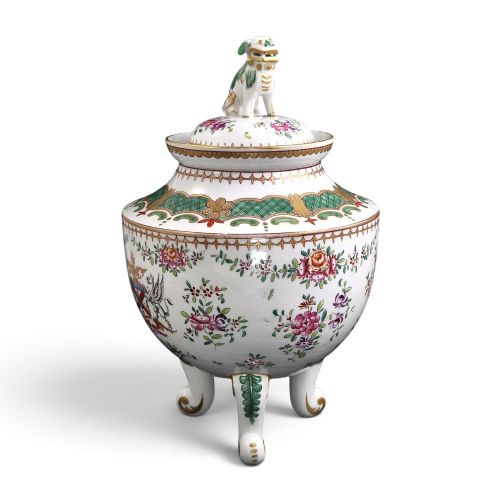
Vessels also include armorial plates produced by European factories such as Samson in Paris alongside direct imports from Asian workshops. Each item represents a cross-cultural exchange of taste executed in durable ceramic.
How they were made
Makers utilised hard-paste porcelain bodies fired at high temperatures to create a dense, vitreous base suitable for intricate surface decoration. Artisans then applied overglaze enamels in bright palettes before secondary low-temperature firings to fix the colours.
Gold leaf, gilt and gilding highlight painted borders, figures and floral motifs across both Asian originals and European revival pieces. Earthenware occasionally appears alongside porcelain, while bronze mounts are added to lamps and large vessels.
Listings feature eighteenth-century Qianlong period plates, nineteenth-century Canton bowls, and early twentieth-century Japanese Kutani chargers.
What varies in quality
The precision and density of the brushwork separate standard decorative items from superior examples. Skilled painters handle fine details in facial expressions, foliage and garments with deliberate control.
The consistency of the glaze and the richness of the overglaze enamels dictate visual depth. Superior pieces maintain crisp outlines and well-preserved gilding without rubbing or fading.
Edmé Samson & Cie·C.J. Mason·Fujian Huiguan·Hichozan Shinpo
The Polychrome Export Porcelain Glossary
- Famille rose
- A polychrome enamel palette dominated by opaque pink or rose colours introduced during the Qing Dynasty. Artisans used these tones to render soft floral and figurative scenes.
- Canton
- A style of Chinese export porcelain decorated in vibrant famille rose colours, often featuring panels of figures alternating with birds and butterflies. These goods were shipped primarily through the southern port of Canton.
- Hard-paste porcelain
- A dense, vitrified ceramic composed of kaolin and petuntse fired at high temperatures. It resists scratching and forms a strong base for overglaze enamels.
- Overglaze enamel
- Coloured glass decoration applied over a previously fired and glazed ceramic surface. The piece undergoes an additional low-temperature firing to fuse the pigments.
- Armorial
- A heraldic design or coat of arms painted onto porcelain commissioned for specific European families. These bespoke services represent a major category of export trade.
Polychrome Export Porcelain: Frequently Asked Questions
What is polychrome export porcelain?
Polychrome export porcelain refers to ceramic wares decorated in multiple enamel colours specifically manufactured for markets outside their country of origin.
These goods include table services, decorative bowls and vases produced in China and Japan, alongside European factories mimicking those styles.
How do I care for export porcelain?
Wash these pieces gently by hand using warm water and mild soap, avoiding abrasive sponges that damage overglaze enamels.
Keep them away from direct sunlight to protect sensitive gilding and painted pigments over time.
How do I date these pieces?
Dating relies on stylistic markers, baseline paste characteristics, and recurring reign marks or factory stamps where present.
Comparing brushwork techniques against documented nineteenth-century Canton or Meiji period standards provides further chronological context.
Where were these wares used?
These wares served as functional tableware and decorative display items in European and American drawing rooms.
Large punch bowls, chargers and reticulated baskets functioned as centerpieces during formal dining occasions.