
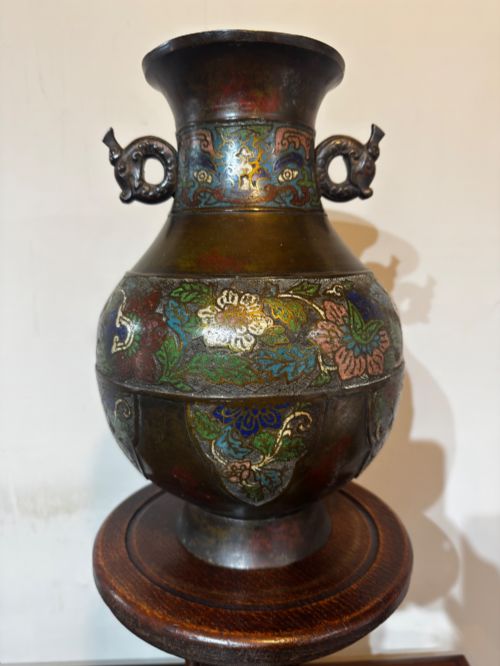

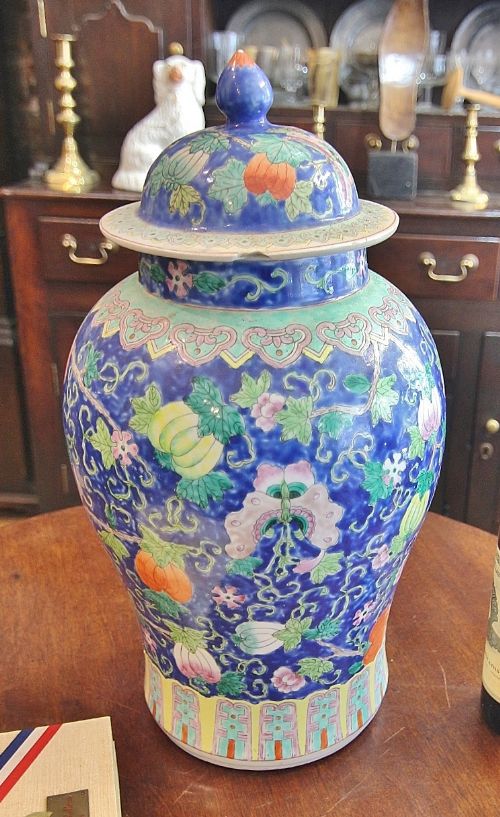
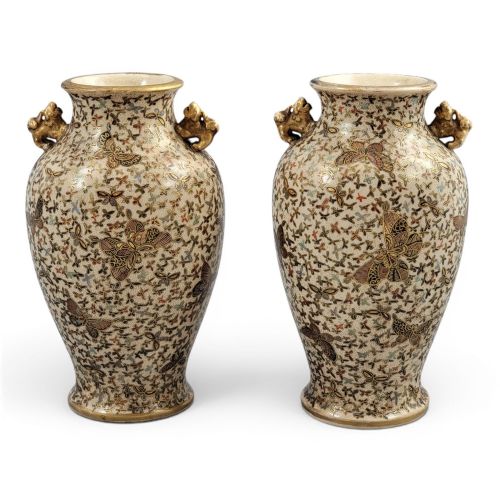


Polychrome Enamel Vase
These polychrome enamel vase examples combine intricate hand-painted palettes with durable bronze, porcelain, and earthenware bodies.
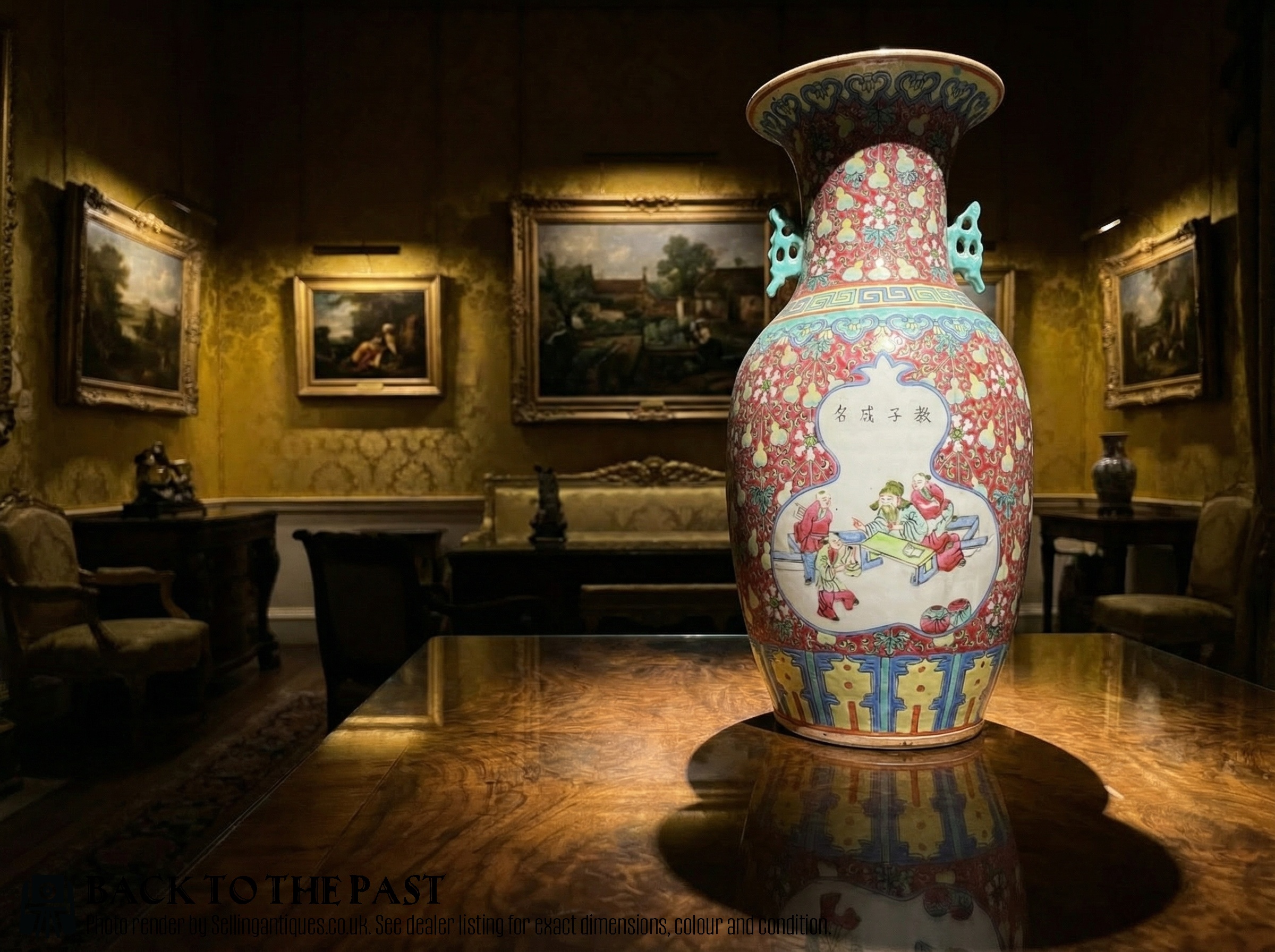
Polychrome Enamel Vase
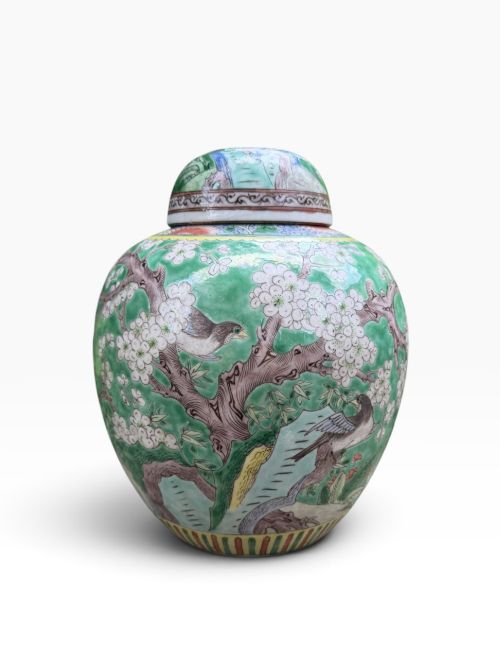
A polychrome enamel vase brings together multiple vibrant pigment colours applied to hard ceramic or metallic surfaces. Buyers seeking these items will encounter diverse forms, ranging from towering floor vessels to delicate ginger jars.
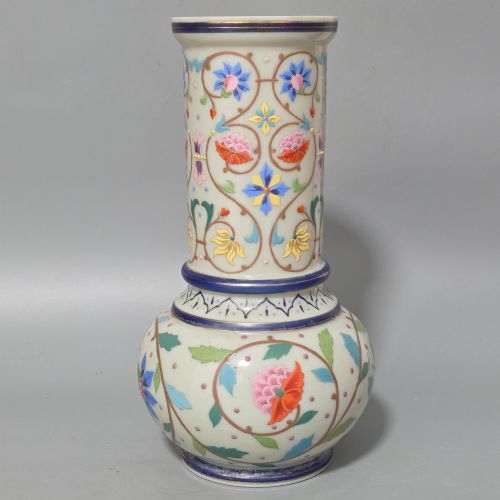
The selection on this page spans from the nineteenth century into the early twentieth century, drawing heavily from Chinese Qing Dynasty and Japanese Meiji Period traditions. Alongside Asian ceramics, European glassworks and earthenware feature prominently in the record.
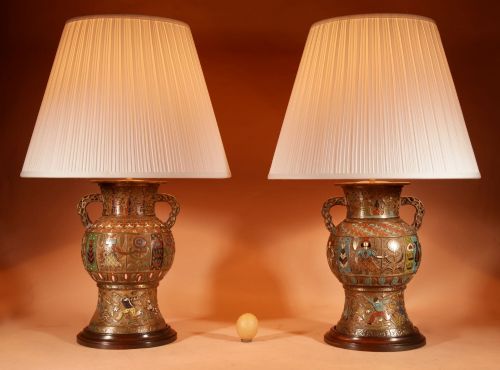
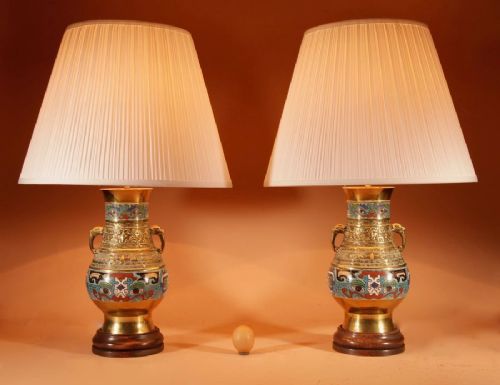
Vessels take many shapes, including baluster profiles, lidded jars, and monumental palace pieces. Several historical examples have also been converted into table lamps while retaining their decorative bodies.
Materials and construction
Makers utilised porcelain, earthenware, and bronze as foundational bodies, often finishing surfaces with rich glazes and metallic elements like gold leaf. Champlevé and cloisonné techniques involve sinking enamel pastes into recessed metal channels or wire cells before firing.
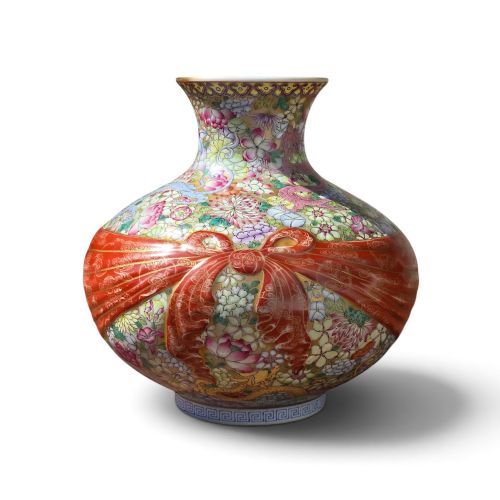
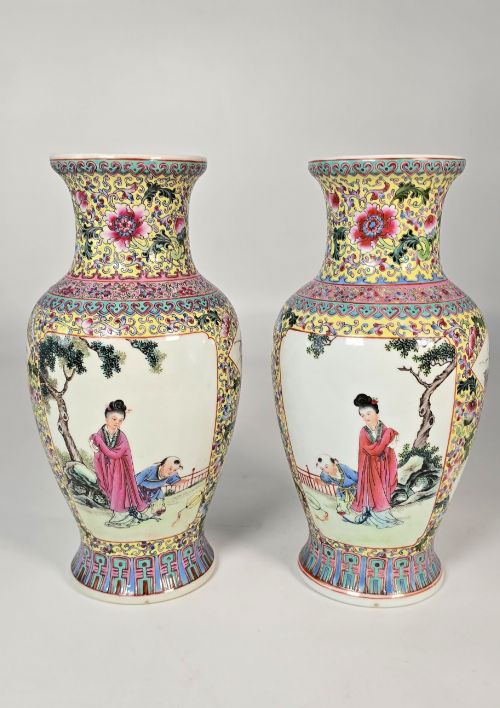
Pigments such as iron-red sit alongside complex famille rose and famille verte palettes, applied by hand to ceramic glazes. Artisans combined precision brushwork with kiln-firing processes to fix the multi-coloured vitreous enamels permanently to the substrate.
Polychrome Enamel Vase Retail Price Guide 2026
Typical asking prices for polychrome enamel vase among the pieces listed under this phrase on Sellingantiques today, from the lower quarter to the upper quarter. They describe what is for sale here now, not the wider market.
Listings incorporate nineteenth-century Chinese Qing Dynasty ceramics, Japanese Meiji Period Satsuma earthenware, and European Victorian enamel glassworks.
Separating the ordinary from the exceptional
Excellence in a polychrome enamel vase rests upon the precision of the hand-painting and the complexity of the decorative scheme. Dense motifs like thousand butterfly patterns or intricate millefleurs require immense discipline from the artisan.
The weight and finish of the underlying bronze or porcelain dictate the structural integrity of the piece. Superior examples display crisp borders in the enamel work and harmonious colour balances without muddying between adjacent pigment cells.
Thomas Webb·Kinkozan·Kinzan·Manpei·Maruni Kobe·Hododa
The Polychrome Enamel Vase Glossary
- Famille Rose
- A palette of opaque pink and rose enamels introduced to Chinese ceramics during the Qing Dynasty. This classification includes soft reds, purples, and yellows used for naturalistic floral and figurative scenes.
- Champlevé
- An enamelling technique where troughs or cells are carved directly into a metal surface to hold coloured glass pastes. The piece is then fired and polished smooth.
- Cloisonné
- A method where thin metal wires are soldered onto a bronze or brass body to create compartments for enamel powders. These partitioned fields produce sharply defined coloured patterns after firing.
- Satsuma
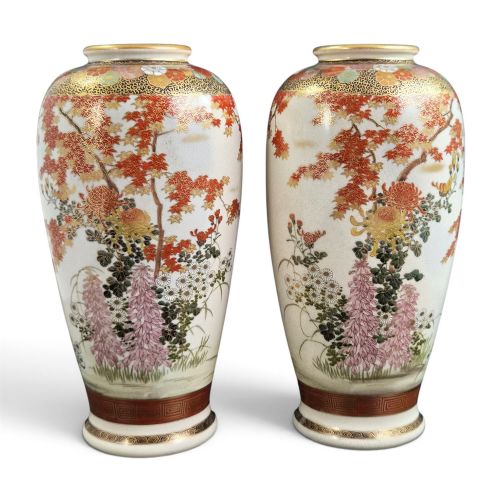
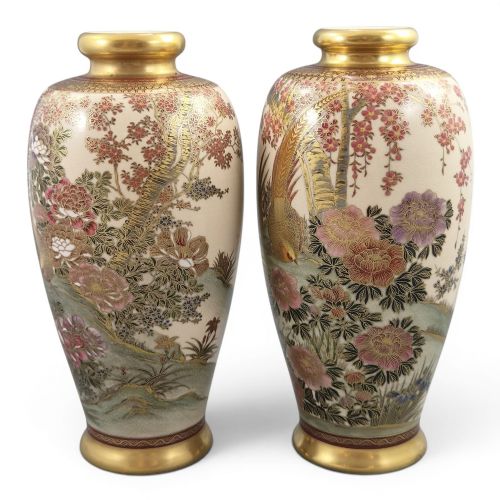
- A type of earthenware originating from Japan, typically featuring a creamy, crackled glaze decorated with intricate polychrome enamels and gilding. These wares were widely produced for export during the Meiji period.
- Baluster
- A vertical vase form characterised by a rounded body that tapers toward a narrow neck and flares slightly at the rim. This traditional silhouette provides a stable base for detailed pictorial decoration.
Polychrome Enamel Vase: Frequently Asked Questions
What is a polychrome enamel vase?
A polychrome enamel vase is a decorative vessel decorated with multiple fired glass-based colours applied to metal, porcelain, or earthenware bodies. These items rely on skilled hand-painting and metallic partitioning techniques to achieve rich surface patterns.
Such pieces range from small ginger jars to monumental floor vessels produced across Asian and European workshops during the nineteenth and early twentieth centuries.
How do I care for my antique vase?
Dust these vessels gently with a soft, dry cloth to prevent particulate accumulation on the enamel and gilt surfaces. Avoid liquid cleaners or chemical agents, which can damage delicate overglaze enamels or exposed bronze mounts.
Keep pieces away from direct sunlight and extreme humidity fluctuations to protect vulnerable glazes and organic binding materials over time.
How can I tell Satsuma ware apart?
Satsuma ware is identifiable by its distinctive ivory-coloured earthenware body covered in a fine network of crackled transparent glaze. Artisans painted these surfaces using densely packed polychrome enamels and heavy gold leaf applications.
Many pieces from this tradition bear signatures or studio marks from specific Japanese makers active during the Meiji period.