



Polychrome Earthenware Vases
When you handle polychrome earthenware vases, you touch a vibrant tradition of ceramic painting spanning centuries of European and Japanese production.
Polychrome Earthenware Vases
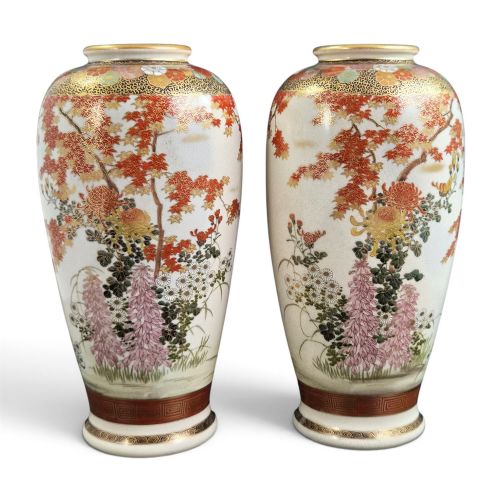
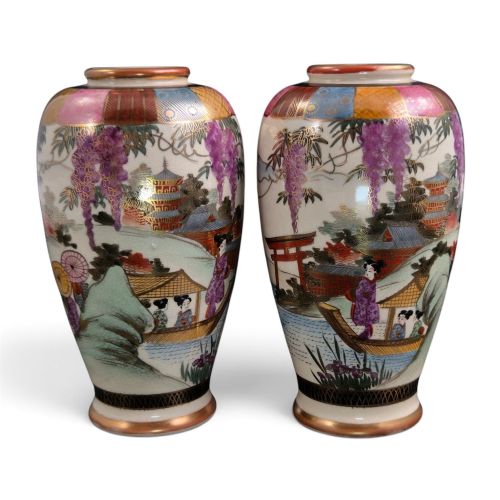
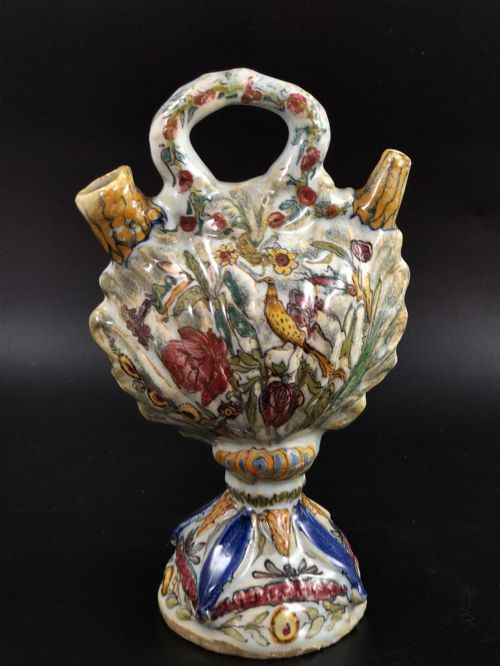
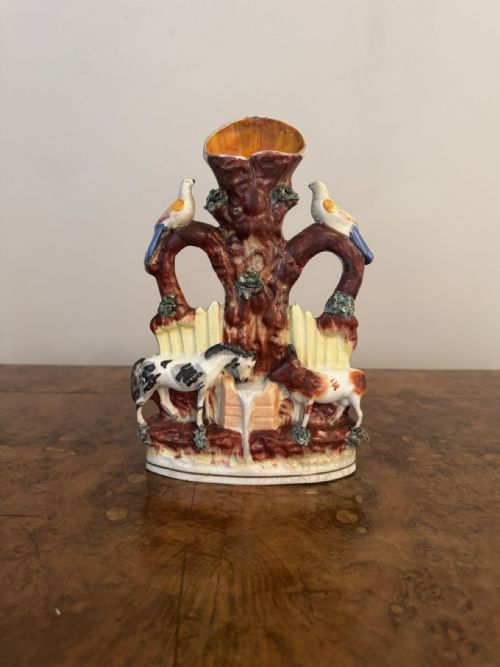
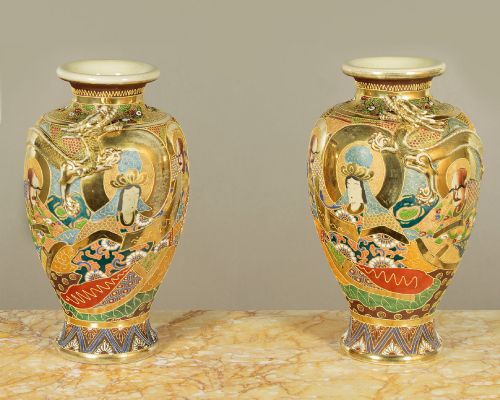
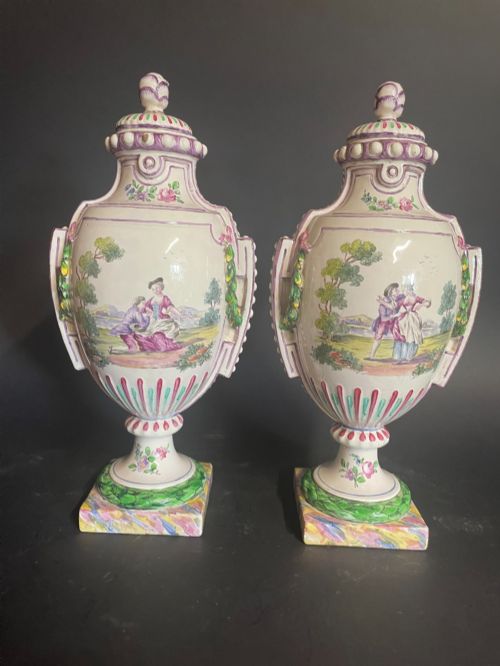
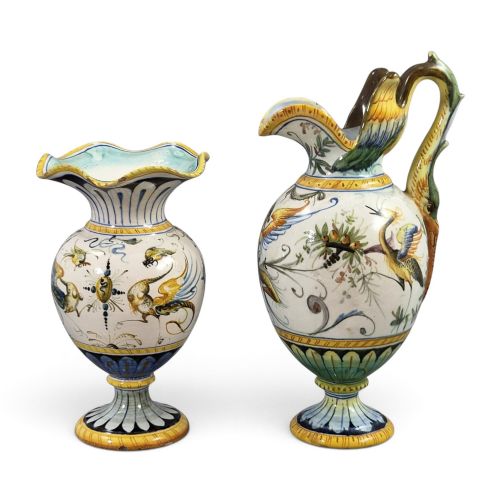
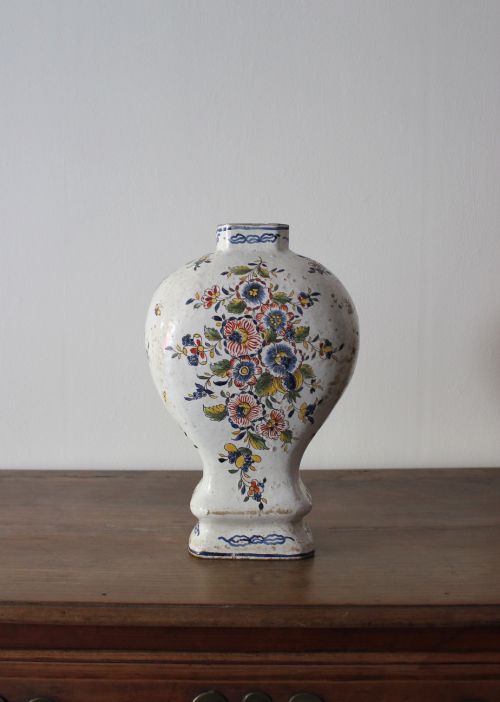
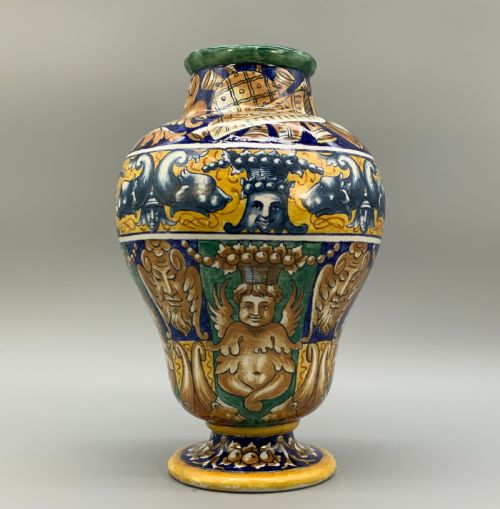
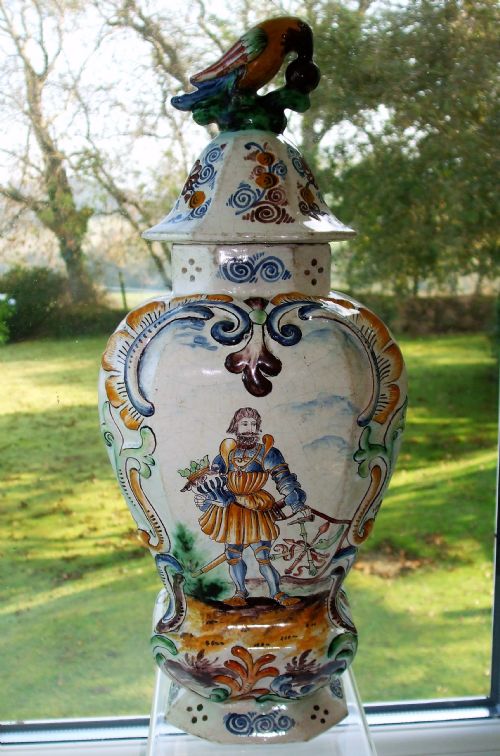
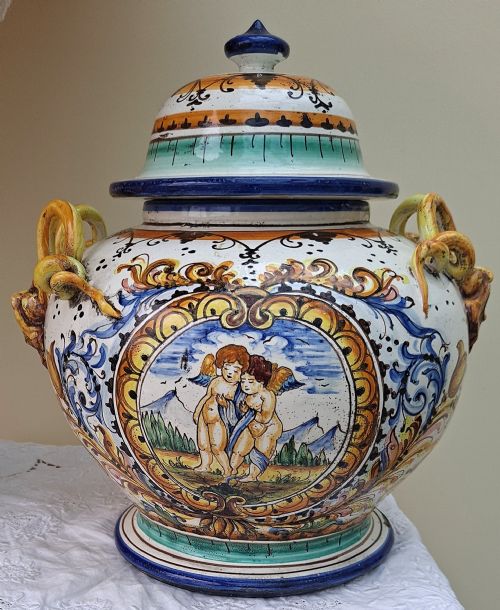
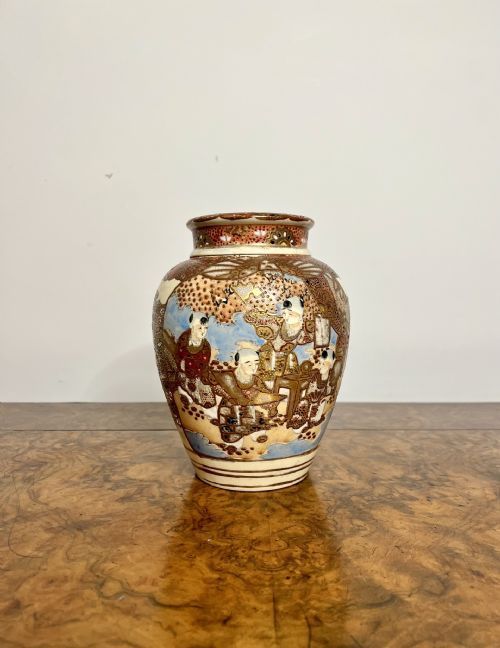
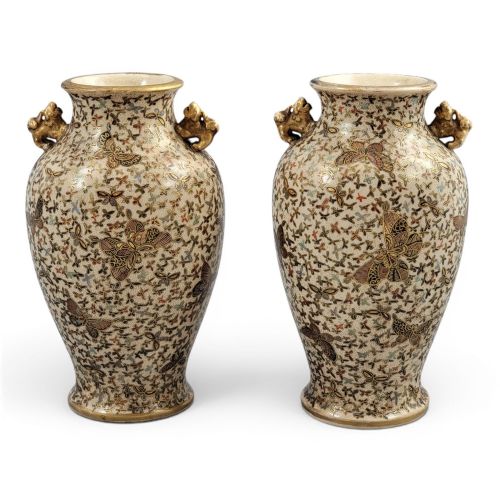
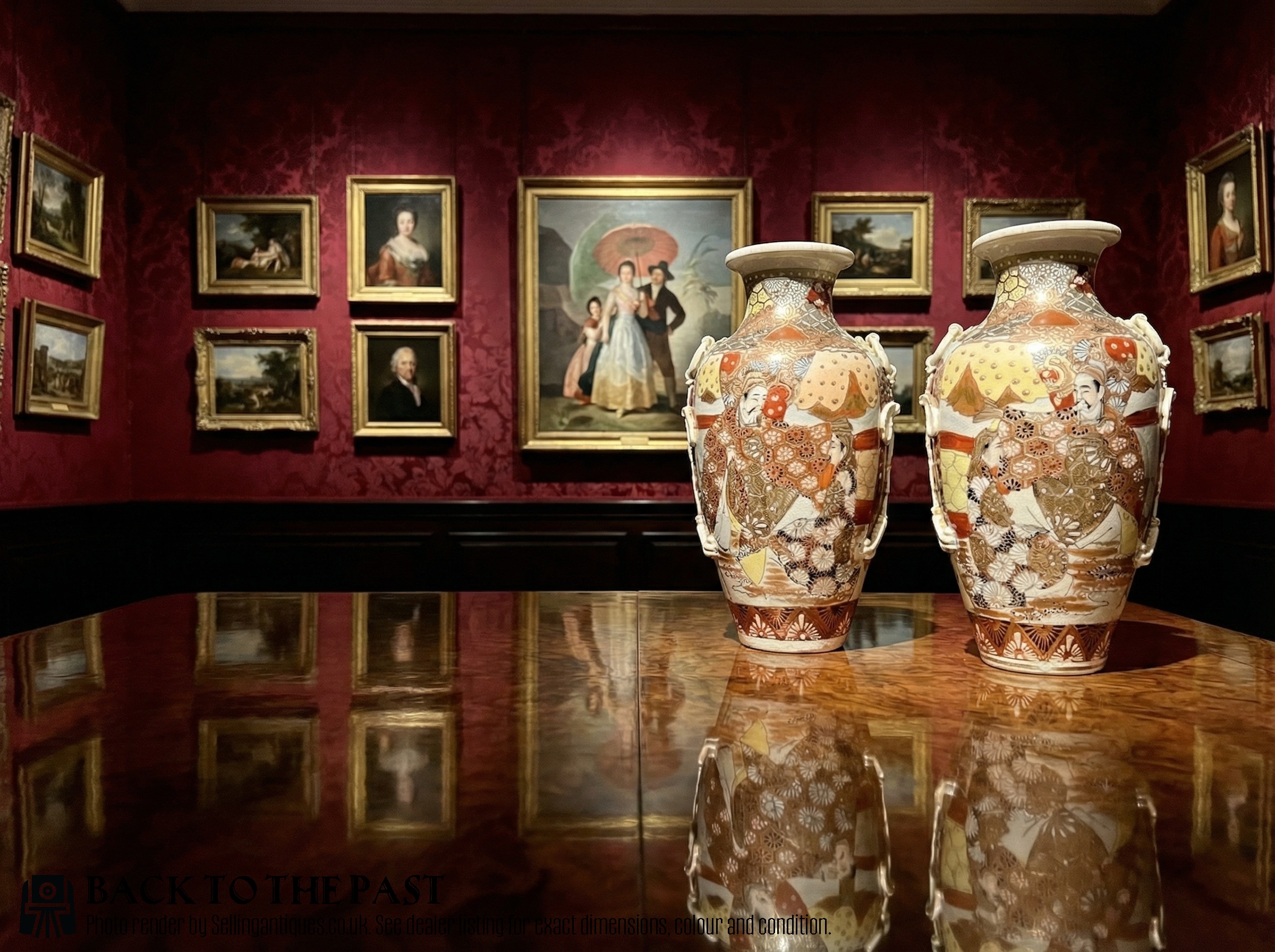
Polychrome earthenware vases encompass a broad spectrum of glazed ceramic vessels decorated in multiple colours, ranging from English Staffordshire spill vases and Poole pottery to Dutch Delft and Italian majolica. You will frequently encounter 18th-century and 19th-century specimens, alongside Japanese Satsuma earthenware pieces dating from the Meiji period and the early twentieth century.
The forms vary significantly across traditions, including lidded jars, pilgrim flasks, ewers, and spill vases. European items often feature tin glaze or majolica techniques, whereas Japanese Satsuma works display intricate enamel and gold leaf detailing on fine ceramic bodies.
Makers represented in this tradition span diverse geographic origins, from regional English potteries to famed Italian workshops like Cantagalli and Japanese studios including Kyoto Satsuma makers.
How they were made
Potters shaped the earthenware body before applying foundational coatings such as tin glaze or opaque enamel to create a smooth canvas for subsequent painting. Artisans then hand-painted detailed scenes and motifs using mineral pigments.
Many items incorporate rich gilding, utilising gold leaf or gold paint applied over the fired glaze for heightened decorative effect. Firing in kilns fused these colours and glazes to the ceramic substrate, setting the polychrome palette.
The selection includes eighteenth-century Dutch Delft and Italian majolica alongside nineteenth-century English Staffordshire and Japanese Satsuma pieces.
What varies in quality
The precision and detail of the hand-painted decoration distinguish finer examples from standard production, particularly evident in the execution of complex figures, landscapes, or floral motifs. Finer Japanese Satsuma and Italian majolica pieces demonstrate exceptional brushwork and depth of colour.
The richness of the palette, including the lavishness of enamel and gold leaf application, marks the upper tier of the range. Additionally, the crispness of the earthenware moulding and the stability of the glaze define the overall caliber of each vessel.
Cantagalli Florence·Miles Mason·Maruni Kobe·Kinzan·Yamashu·Choshuzan·Jissei·Yoshisada·Hayakawa·Drie klokken Factory·Poole Pottery
The Polychrome Earthenware Vases Glossary
- Majolica
- Tin-glazed earthenware produced in Italy and other European regions, celebrated for bright polychrome painting. This technique often employs opaque white glazes beneath colourful metal oxide pigments.
- Satsuma
- Japanese earthenware originating from the Satsuma Province, traditionally characterised by an ivory crackle glaze and dense enamel and gilt decoration. These pieces frequently depict figural scenes, flora, and fauna.
- Delftware
- Tin-glazed earthenware made in the Netherlands and England, featuring characteristic polychrome or blue-and-white palettes. Dutch variants often include floral and architectural motifs.
- Spill vase
- A small tubular vessel designed to hold taper candles or wooden spills used for lighting fires. These decorative items were common in nineteenth-century English households.
- Pilgrim flask
- A flat-sided bottle with handles, originally used by travellers and later rendered as a decorative ceramic form. These vessels offer broad surfaces for narrative painted scenes.
- Earthenware
- Porous pottery fired at lower temperatures than stoneware or porcelain, requiring a glaze to achieve impermeability. This material serves as the base for the majolica, Delft, and Satsuma techniques.
Polychrome Earthenware Vases: Frequently Asked Questions
What is the difference between majolica and Delftware?
Majolica primarily refers to tin-glazed earthenware originating from Italy and revived during the nineteenth century, known for vibrant and varied polychrome palettes.
Delftware represents the tin-glazed pottery tradition centred in the Netherlands and England, which frequently employs distinct floral and geometric motifs across various vase and jar forms.
How do I identify Japanese Satsuma vases?
Japanese Satsuma pieces are distinguished by their characteristic ivory or cream-coloured earthenware bodies covered in a fine network of crackle glaze.
They are further identified by dense, ornate decoration executed in rich enamel colours and gold leaf, often depicting figures from Japanese history or intricate landscapes.
How were nineteenth-century Staffordshire figures used?
Staffordshire pottery figures and spill vases served as decorative chimney ornaments in Victorian homes, bringing colour and narrative charm to domestic interiors.
They often depicted topical events, moral themes, or pastoral scenes to reflect the interests of the period.
Can I use these antique vases for fresh flowers?
Many antique earthenware vessels feature porous bodies and historical glaze shrinkage that may allow water to seep through over time.
It is safer to display them dry or utilise a discreet waterproof liner inside the vessel if you wish to hold fresh stems.
What does polychrome mean on earthenware?
Polychrome describes ceramic decoration executed in several different colours, contrasting with monochrome or blue-and-white wares.
Painters applied various mineral oxides and enamels to achieve this colourful effect before the final kiln firing.