
Polychrome Earthenware Dish
A polychrome earthenware dish brings painted colour and hand-shaped clay together, offering domestic utility and display across centuries of ceramic tradition.
Polychrome Earthenware Dish
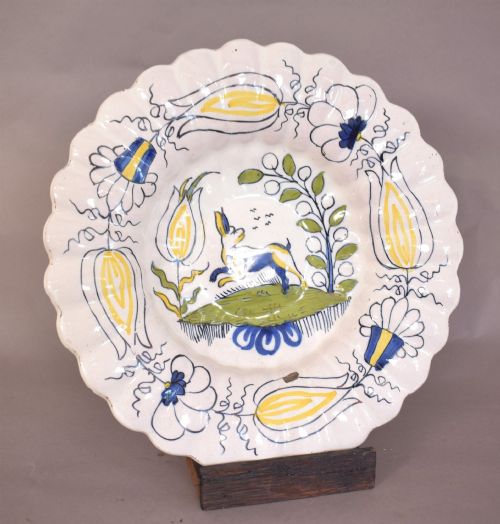
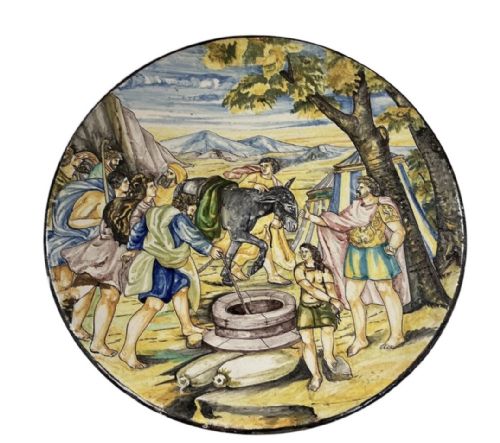
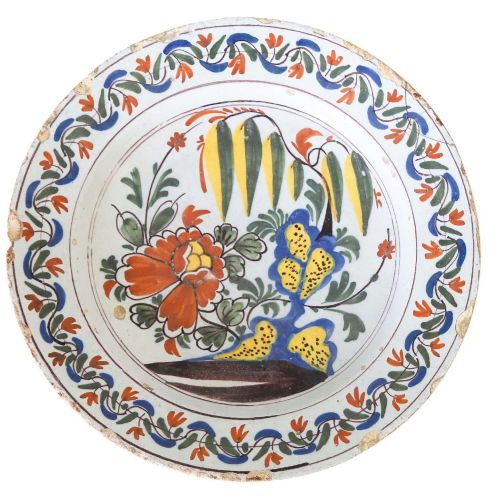
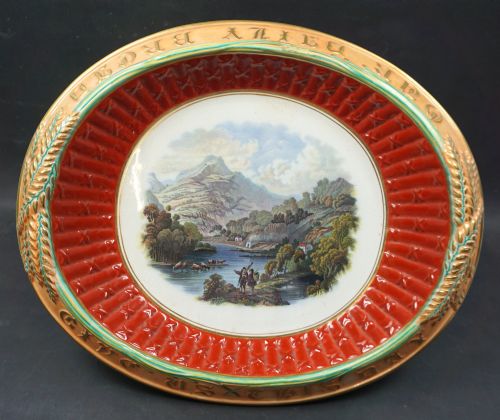
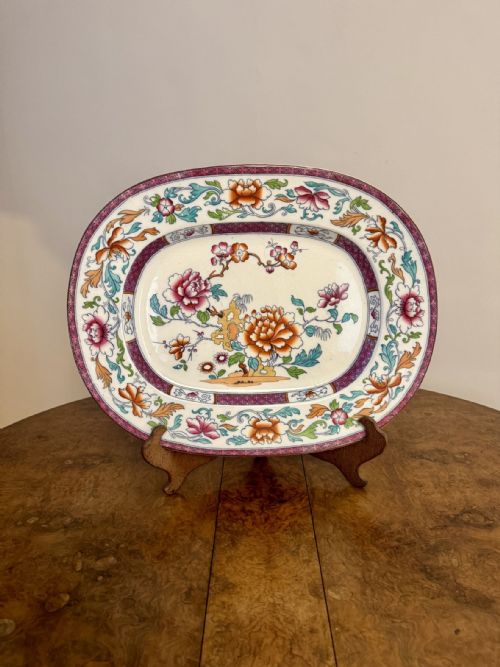
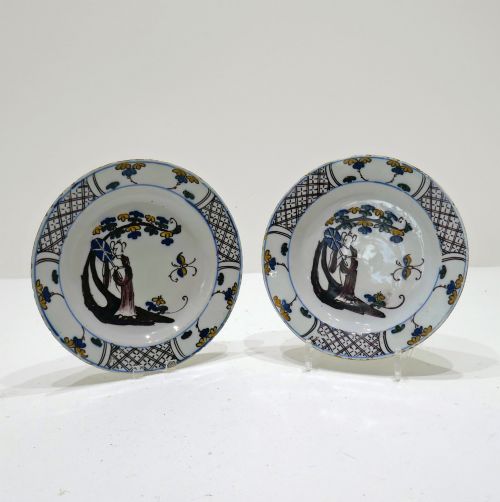
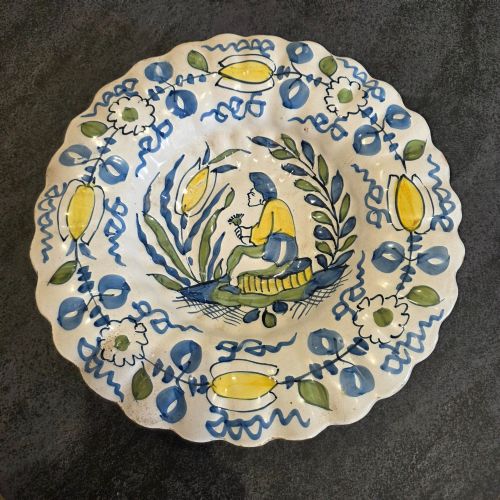
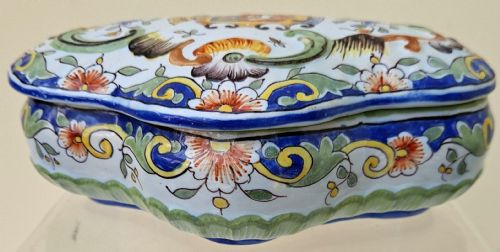
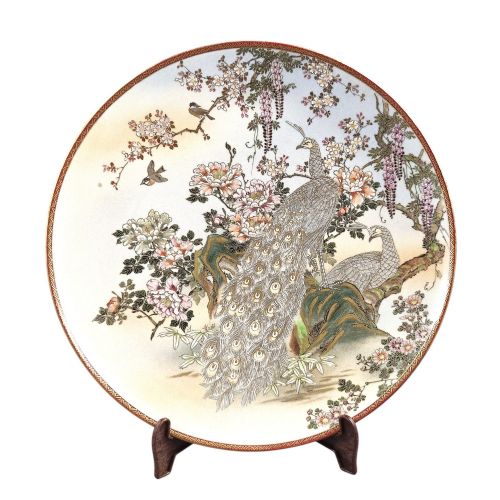
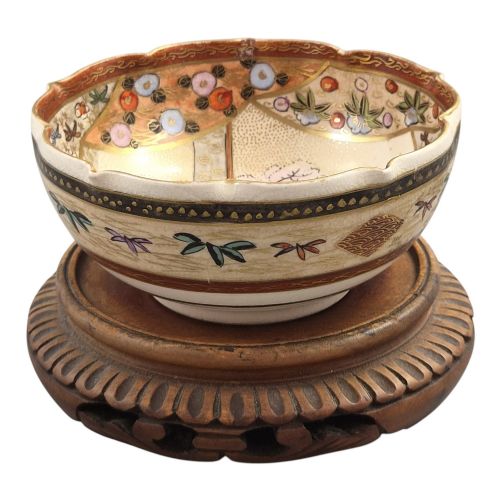
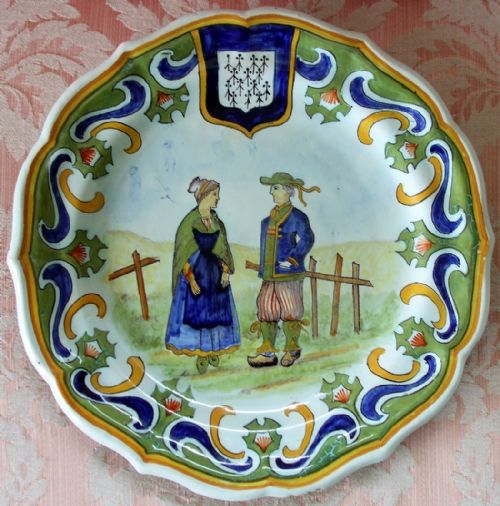
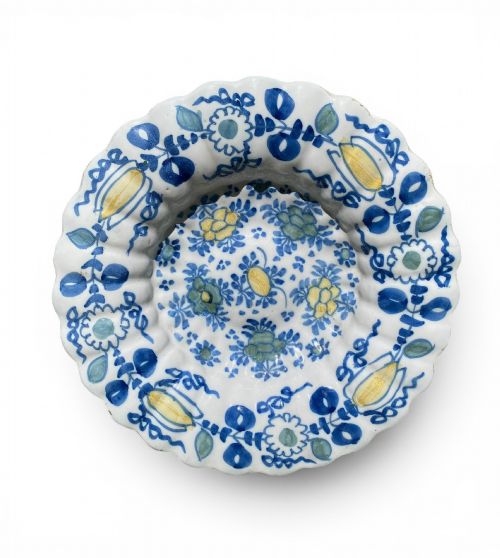
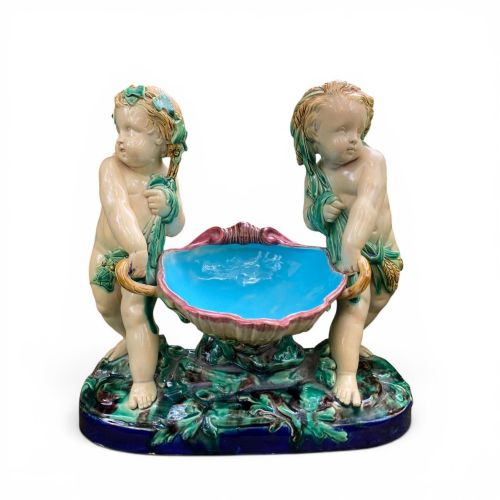
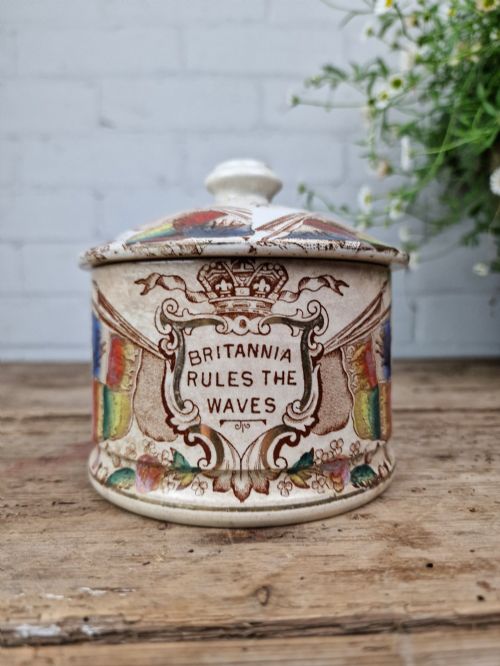
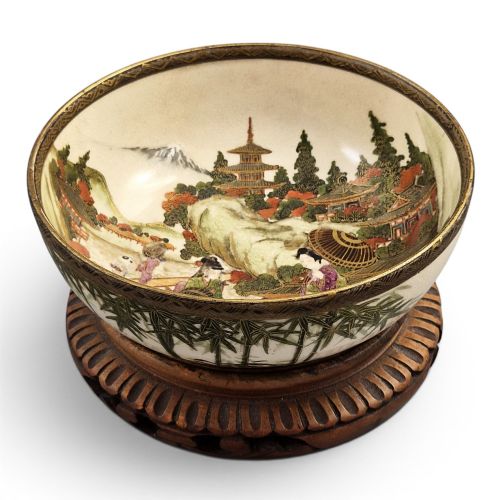
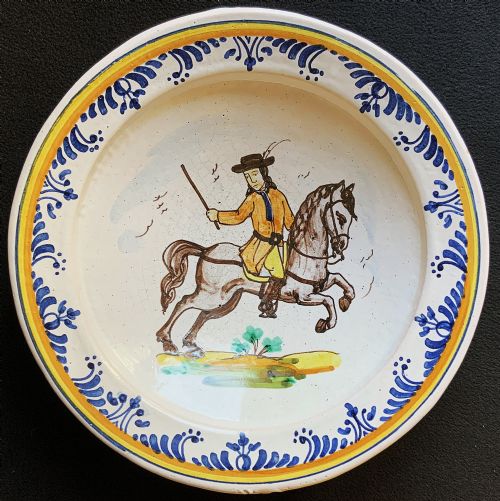
A polychrome earthenware dish encompasses chargers, platters, and decorative plates finished in multiple colours, spanning several centuries of European and Asian production. Buyers pursuing a polychrome earthenware dish will frequently encounter English and Dutch delftware chargers, French faience, and Japanese Satsuma earthenware bowls from the nineteenth century.
The forms range from deep lobbed dishes and sweetmeat presentiers to large wall chargers and serving platters. Earlier examples often display tin-glazed surfaces painted with floral or geometric motifs, while later pieces utilise intricate enamel and gilt detailing.
Origins stretch from Bristol and Lambeth potteries to Dutch workshops and Kyoto kilns, reflecting distinct regional tastes in earthenware decoration. Each centre developed specific palette preferences, moving from simple cobalt and iron red combinations to dense millefleur and moriage patterns.
What Varies in Quality
The precision and fluency of the hand-painted brushwork separate standard utilitarian output from superior examples. Master painters achieved confident, expressive linework in floral, figural, and geometric compositions, whereas lesser pieces display hurried or mechanical execution.
Colour vibrancy and pigment stability depend on kiln temperature control and the purity of mineral oxides used during production. Rich, well-fused enamels retain their density across the surface without dulling or sinking unevenly into the underlying glaze.
The integrity of the earthenware body and the evenness of the glaze application influence the physical presence of the piece. Superior specimens exhibit balanced proportions, minimal kiln distortion, and well-preserved surface gilding or enamel relief.
Listings feature earthenware pieces spanning the seventeenth to the twentieth centuries, utilising tin glaze, enamel, and gold leaf across diverse forms.
C.J. Mason·Mann & Co·Toshozan·Shuzan for Yasuda·Hododa·Gyokkō·Meizan
The Polychrome Earthenware Dish Glossary
- Charger
- A large decorative plate or shallow bowl intended primarily for display on a wall or sideboard rather than daily dining. These substantial dishes provide a broad canvas for painted floral, landscape, and figural scenes.
- Tin glaze
- An opaque white glaze produced by adding tin oxide to a lead glaze base, providing a smooth, absorbent ground for painted decoration. It is characteristic of European delftware and faience production.
- Satsuma ware
- Japanese earthenware featuring a crackled ivory glaze decorated with polychrome enamels and extensive gilding. Originating in Satsuma Province, production later spread to Kyoto and Yokohama studios.
- Moriage
- A Japanese ceramic technique involving raised dots or lines of enamel applied to create a textured, three-dimensional surface decoration. Artisans often highlighted these raised motifs with gold leaf.
- Delftware
- Tin-glazed earthenware produced in England, the Netherlands, and various European centres, typically featuring hand-painted cobalt blue alongside other enamel colours. The style drew heavy inspiration from imported Chinese porcelain.
- Millefleur
- A dense decorative pattern composed of countless tiny painted flowers covering the entire surface of the ceramic vessel. Translated as a thousand flowers, this style appears frequently on late nineteenth-century Japanese pieces.
Polychrome Earthenware Dish: Frequently Asked Questions
How do I hang a heavy charger?
Heavy earthenware chargers require specialist spring-loaded wall hangers with rubber-coated prongs to distribute weight evenly across the rim. These secure fixings prevent slipping while protecting the soft ceramic edges from direct metal pressure.
Ensure the wall anchor is rated for the specific weight of the dish before mounting. Avoid hanging pieces in areas subject to vibrations or direct sunlight to preserve the surface enamels.
Were these dishes used for food?
Many larger platters and serving dishes saw active service at dining tables for meats, game, and sweetmeats during the eighteenth and nineteenth centuries. Glazed earthenware provided a functional surface for serving oily or moist foods.
Fragile decorative chargers and heavily gilded pieces were reserved primarily for display in cabinets or on sideboards. Modern owners generally limit use to decorative display to protect historic glazes and painted surfaces.
Why do some bowls have crackled glazes?
Deliberate crazing of the transparent glaze creates a network of fine decorative lines across the surface of Japanese Satsuma and various earthenware bodies. This intentional crackle effect enhances the visual depth of the underlying clay.
Over centuries, natural ageing and minor thermal expansion can also induce fine crackling in tin-glazed earthenware. This crazing reflects the expansion and contraction of the glaze relative to the porous ceramic body beneath.