


Polychrome Delft Wall Plate
A polychrome delft wall plate brings vibrant tin-glazed earthenware into a room, offering hand-painted floral decoration that commands attention.

Polychrome Delft Wall Plate
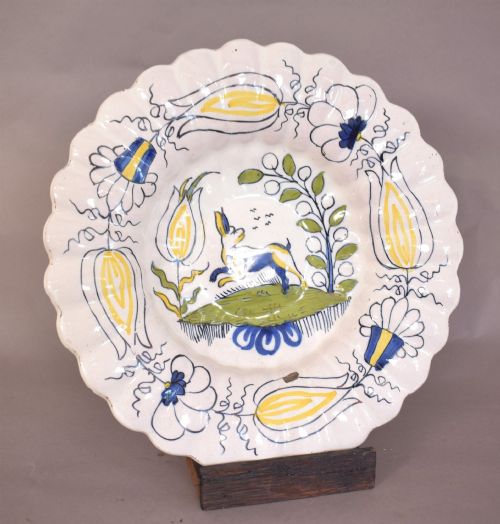
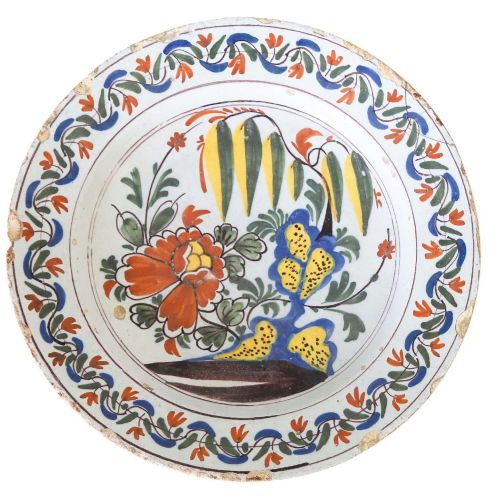
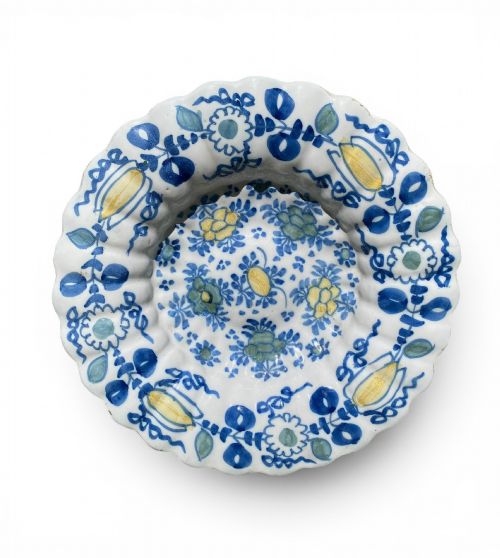
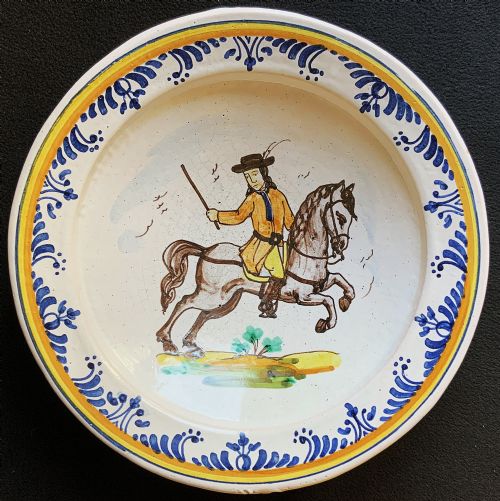
A polychrome delft wall plate is a tin-glazed earthenware dish designed for display, featuring hand-painted floral decoration or geometric patterns. These items appear across the seventeenth and eighteenth centuries, originating from Dutch, English, and Spanish workshops.
The versions most commonly met on this page include large chargers and lobbed dishes from Dutch and English traditions. Makers utilised tin glaze to create a smooth white background for bright pigment application.
Examples span periods like the Dutch Golden Age and Georgian eras, showcasing styles from Dutch Baroque to Chinoiserie. Buyers encounter formats ranging from standard plates to expansive decorative chargers.
Materials and methods
Potters shaped clay into plates, chargers, and dishes before applying a tin glaze that fired to an opaque white surface. Artisans then painted directly onto this unfired or raw glaze using various mineral pigments.
Grand feu techniques fixed manganese and other polychrome colours during the high-temperature firing process. This method fused the painted decoration permanently into the glossy tin-glaze coating.
Manganese pigment occasionally created accidental purple haloes where the brush rested too long on the absorbent tin glaze.
Judging the range
Quality rests in the precision and boldness of the hand-painted floral or geometric motifs applied across the tin-glaze surface. Superior examples display confident brushwork and balanced compositions that enliven the earthenware form.
The depth of the tin glaze and the vibrancy of the polychrome pigments distinguish finer chargers from simpler wares. Scale also plays a part, with larger lobbed dishes and chargers demanding greater technical control during the firing stage.
The Polychrome Delft Wall Plate Glossary
- Tin-Glazed Earthenware
- Pottery covered with a lead glaze made opaque by the addition of tin oxide. This surface provided the ideal white ground for painting colourful designs.
- Charger
- A large decorative plate intended for wall display or ceremonial use rather than dining. These substantial pieces dominate visual arrangements.
- Polychrome
- Decoration employing multiple distinct colours painted onto the ceramic surface. On these plates, hues typically include blues, greens, yellows, and manganese purple.
- Grand Feu
- A high-temperature firing technique that sets the pigments firmly into the glaze. This process requires considerable skill from the potter.
- Lobbed Dish
- A vessel featuring a scalloped or indented rim edge. This stylistic variation adds architectural definition to the circular earthenware form.
Polychrome Delft Wall Plate: Frequently Asked Questions
How were these wall plates displayed?
Plates and chargers were hung on walls or stood on dresser shelves to brighten domestic interiors. Their colourful tin-glazed surfaces provided a striking visual focal point in reception rooms.
Today, modern collectors continue this tradition by mounting chargers on walls using specialist plate hangers. They function effectively as standalone artworks or grouped within larger displays.
What distinguishes Dutch from English delft?
Dutch pieces often display rich polychrome palettes and dynamic floral arrangements influenced by trade with Asia. English production frequently incorporates local stylistic preferences and distinctive regional clay bodies.
Examining the glaze opacity and the specific tone of the tin coating helps differentiate the origin. Workshops in places like Lambeth developed distinct potting characteristics over time.
Can I hang an 18th-century plate?
Mounting an antique earthenware plate requires secure, padded fixings that distribute the weight evenly across the foot ring. Professional framing or coated wire hangers protect the tin glaze from abrasion.
Ensuring the wall anchor is stable prevents accidental displacement in busy hallways or living spaces. Regular checks of the hanging hardware maintain the security of the display.
How do I date an antique delft plate?
Dating relies on stylistic markers, such as Georgian or Dutch Baroque motifs, alongside the characteristics of the earthenware body. Tin-glaze colouration and pigment types also shift across the seventeenth and eighteenth centuries.
Comparing brushwork techniques with documented examples from specific periods clarifies the timeline of manufacture. Subtle shifts in rim shape and plate thickness provide further clues.