
Polychrome Ceramic Pair
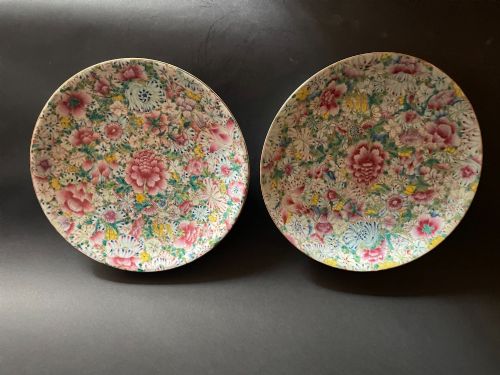
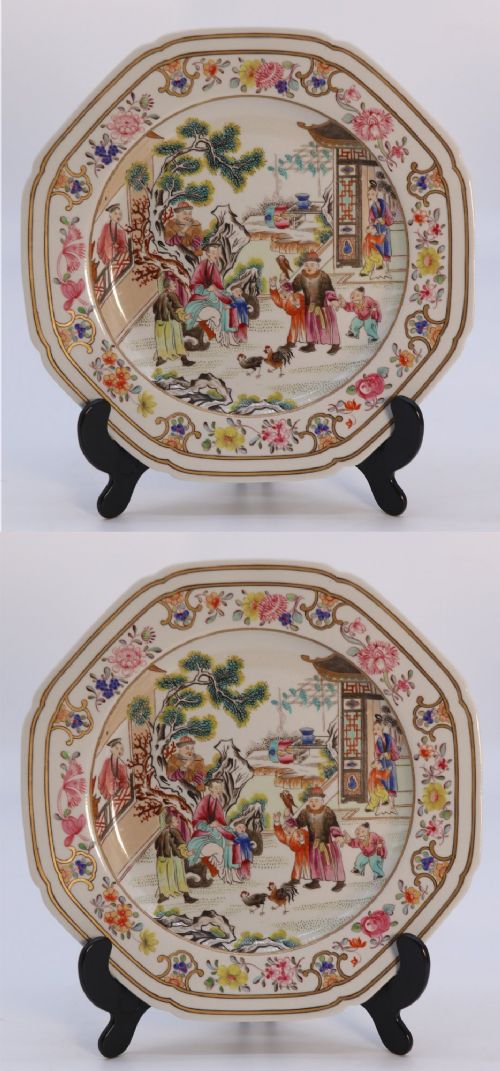
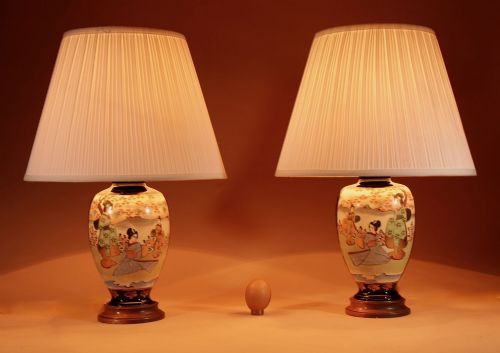
A polychrome ceramic pair brings matching symmetry and vibrant hand-painted colour to a room.
Polychrome Ceramic Pair
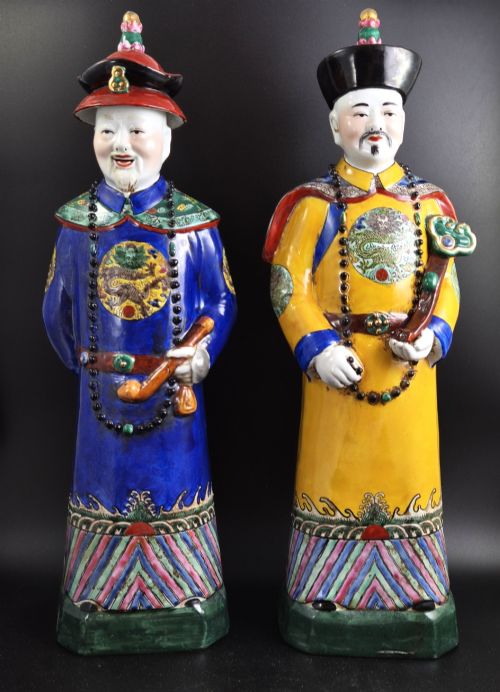
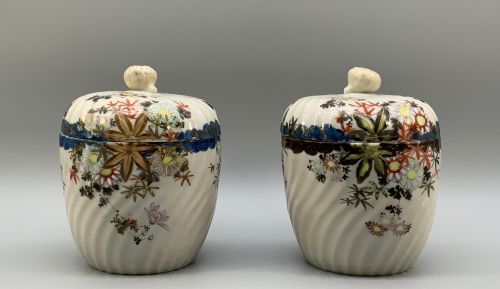
When you search for a polychrome ceramic pair, you encounter matched sets of figures, vases, plates, and jars produced across the eighteenth, nineteenth, and early twentieth centuries. These objects originate from English factories, continental European potteries, and Japanese and Chinese kilns.
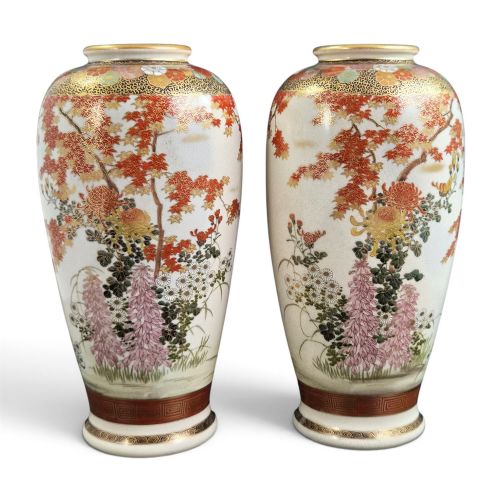
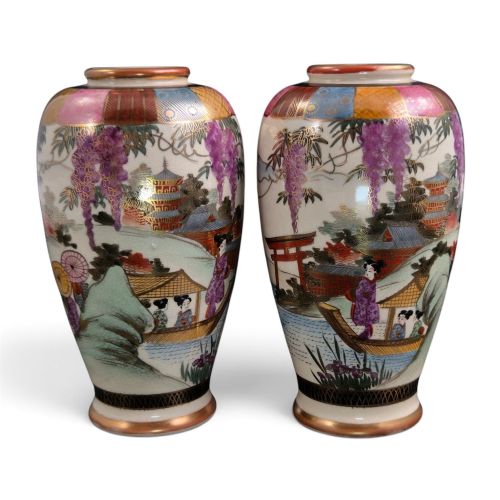
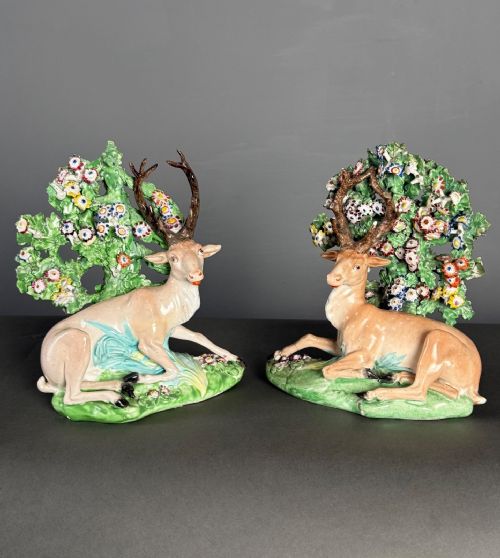
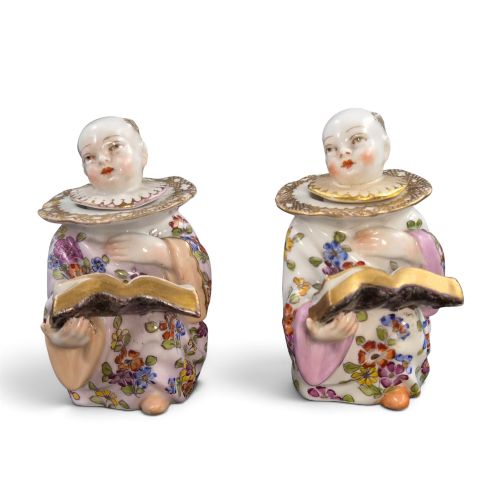
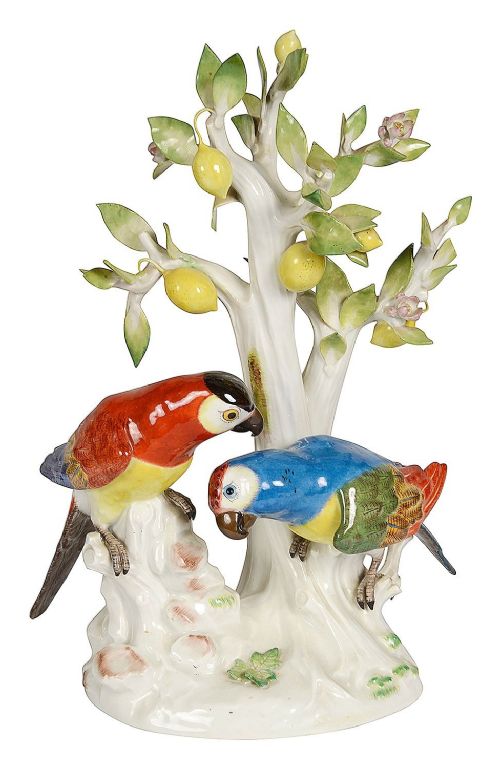
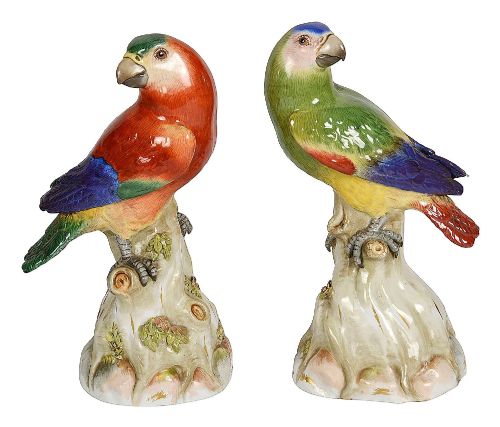
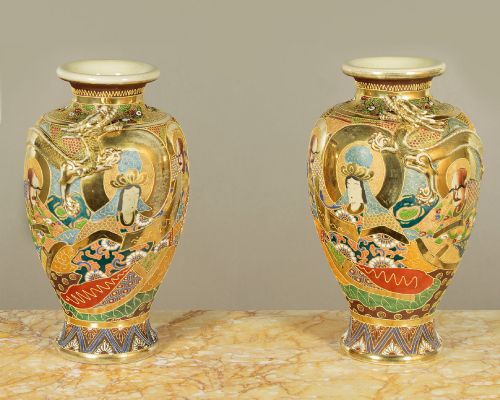
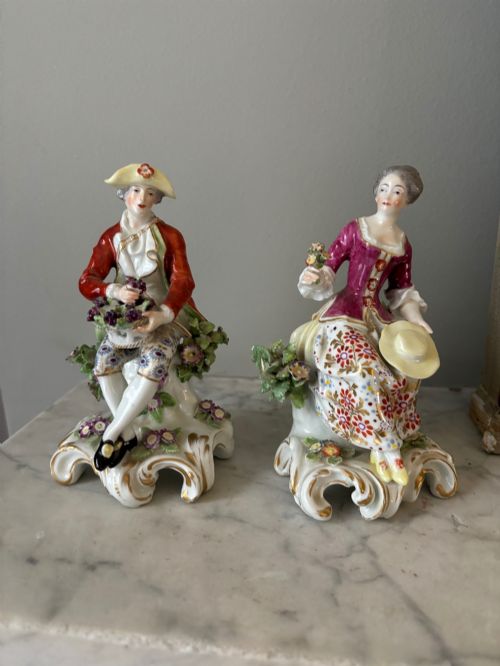
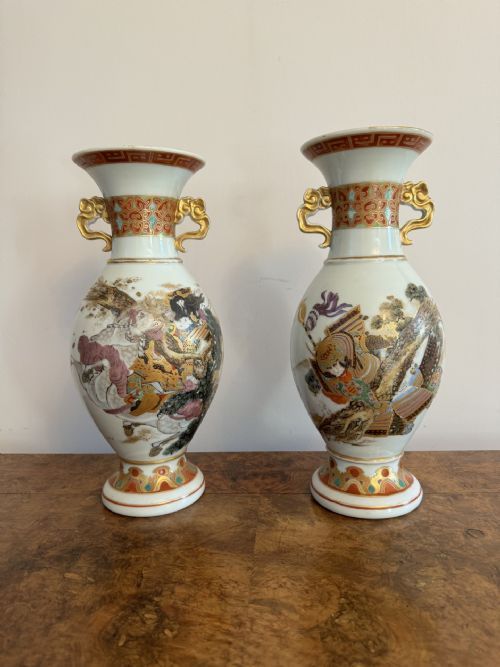
The most common examples on this page are nineteenth-century Staffordshire pottery figures, Japanese Satsuma vases from the Meiji and Showa periods, and eighteenth-century Derby or Meissen porcelain figures. Buyers select these symmetrical duos for mantelpieces, side tables, and cabinet displays.
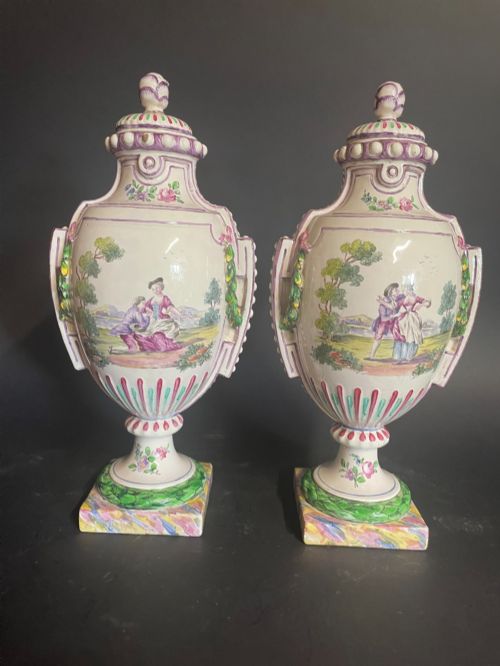
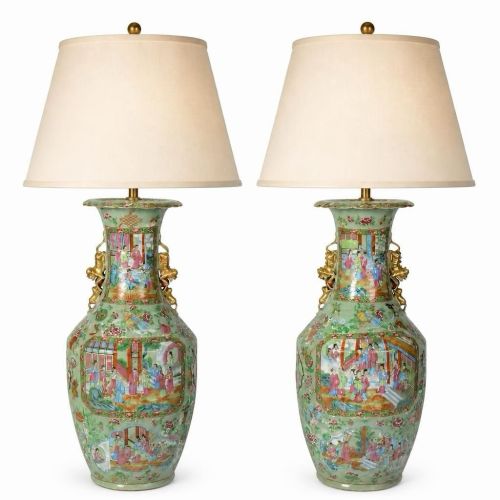
Vessels and figures divide into distinct regional traditions, ranging from English delftware and Staffordshire earthenware to French faience and hard-paste oriental porcelain. Each origin displays specific ceramic bodies and decorative palettes unique to its workshop and period.
How They Were Made
Potters shaped these pieces using soft-paste porcelain, hard-paste porcelain, earthenware, and tin-glazed delft or faience bodies formed by wheel-throwing or mould-pressing. Artisans then applied underglaze pigments or enamel colours over the fired clay.
Many items incorporate hand-painted details combined with gilt highlights, gold leaf, or translucent glaze layers fixed in subsequent kiln firings. Japanese Satsuma pieces utilise dense crackle glazes decorated with intricate enamels, while European figures often employ bocage foliage and moulded rococo scrollwork.
Napoleon and his Empress stand immortalised in Staffordshire pottery alongside French carnival figures and singing boys.
What Varies In Quality
Quality rests upon the precision of the modelling and the crispness of the hand-painted enamel work across both objects in the set. Superior examples display confident brushwork, carefully registered polychrome details, and well-balanced forms that maintain symmetry between left and right.
The sophistication of the original kiln firing and the preservation of the painted surface dictate the standing of a pair. Finer pieces retain crisp gilt accents and clear maker marks, whereas simpler workshop output shows softer details and less disciplined painting.
Edmé Samson·Meissen·Derby·Maruni Kobe·Letu and Mauger
The Polychrome Ceramic Pair Glossary
- Polychrome
- Decoration executed in multiple colours. This term describes ceramics painted with diverse enamel pigments.
- Hard-paste porcelain
- A dense ceramic compound composed of kaolin and petuntse fired at high temperatures. It produces a durable, vitrified body.
- Bocage
- Applied ceramic foliage and floral background work. English figure makers frequently used this leafy backdrop on eighteenth-century figures.
- Spode Stone China
- A durable opaque ceramic body developed in England during the early nineteenth century. It combined porcelain qualities with ironstone strength.
Polychrome Ceramic Pair: Frequently Asked Questions
What defines a polychrome ceramic pair?
These pieces consist of two matching ceramic objects decorated in multiple fired enamel colours. They include matched figures, vases, and dishes created as symmetrical sets.
Craftsmen produced them across various centuries in Europe and Asia using earthenware, stoneware, or porcelain bodies.
How do I care for antique ceramic pairs?
Keep these pieces away from direct sunlight to prevent fading on sensitive enamel and gilt surfaces. Dust them gently with a soft, dry brush without using liquid cleaners.
Handle each item independently by the main body rather than protruding elements like arms, handles, or delicate bocage foliage.
How do I identify the period of a ceramic pair?
Examine the base for factory marks, painted numbers, or impressed signatures left by the pottery. The style of the clothing, modelling technique, and composition of the clay body also indicate the date.
Comparing the glaze texture and enamel palette helps distinguish eighteenth-century pieces from nineteenth-century revivals.