
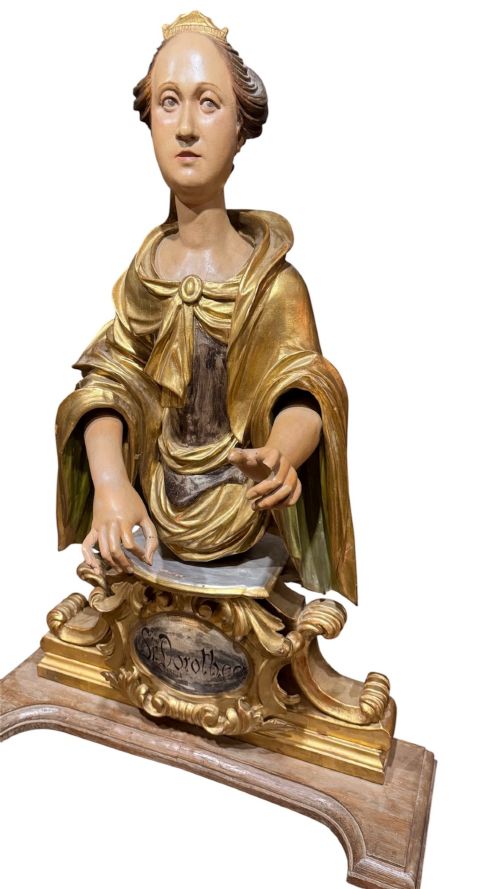
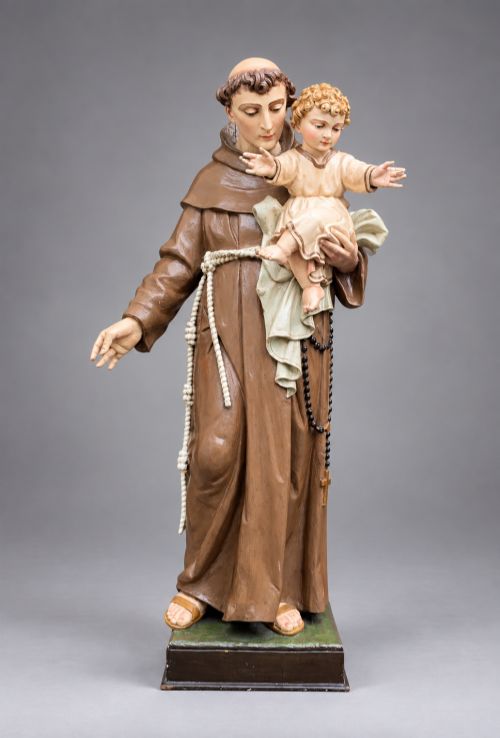
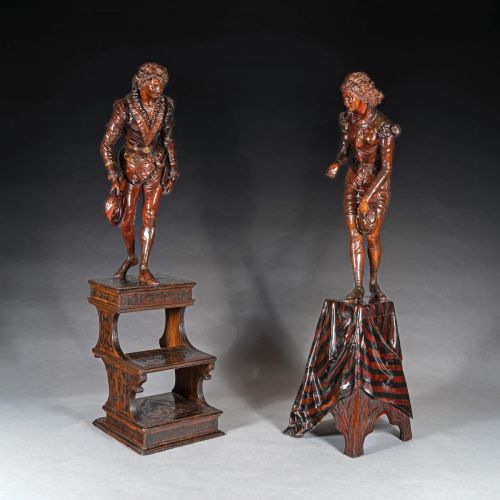
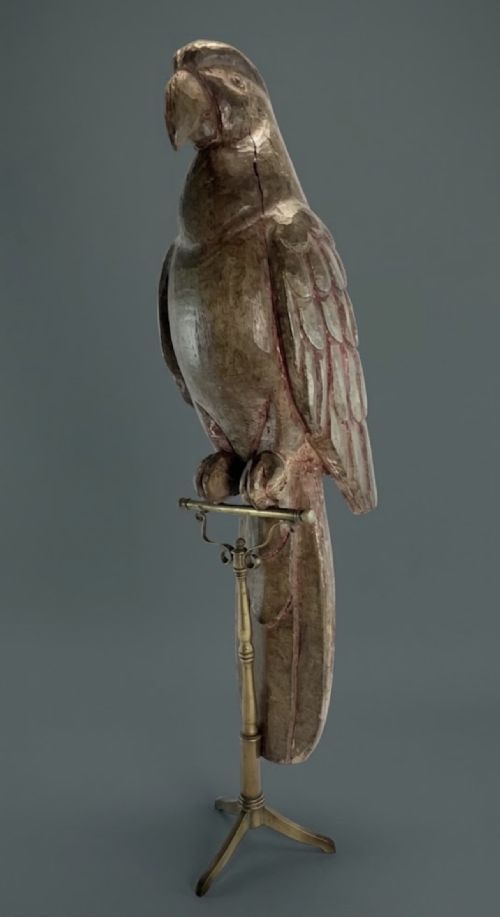
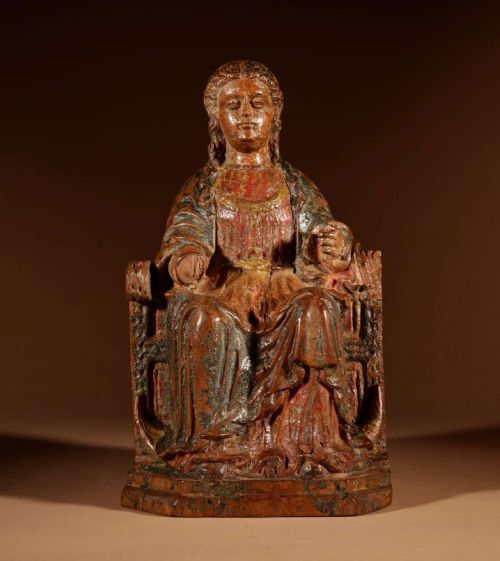
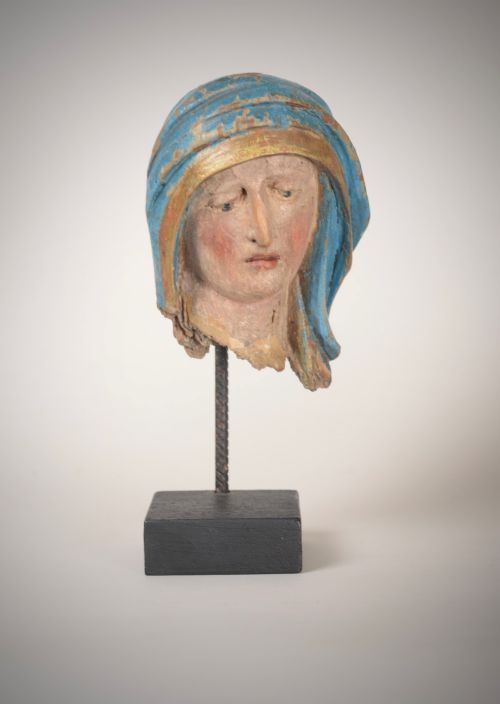
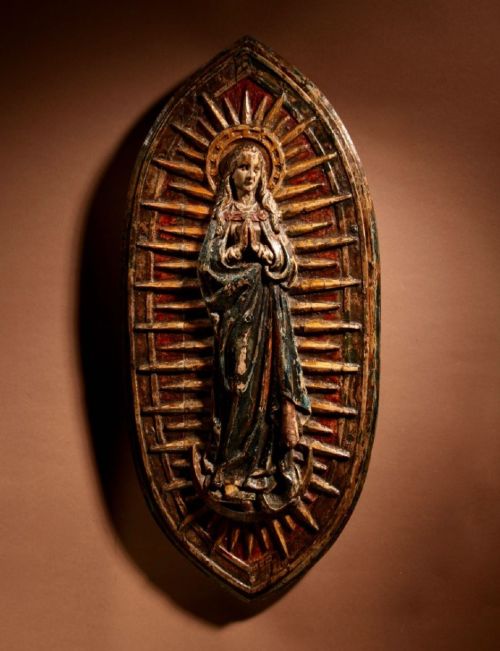
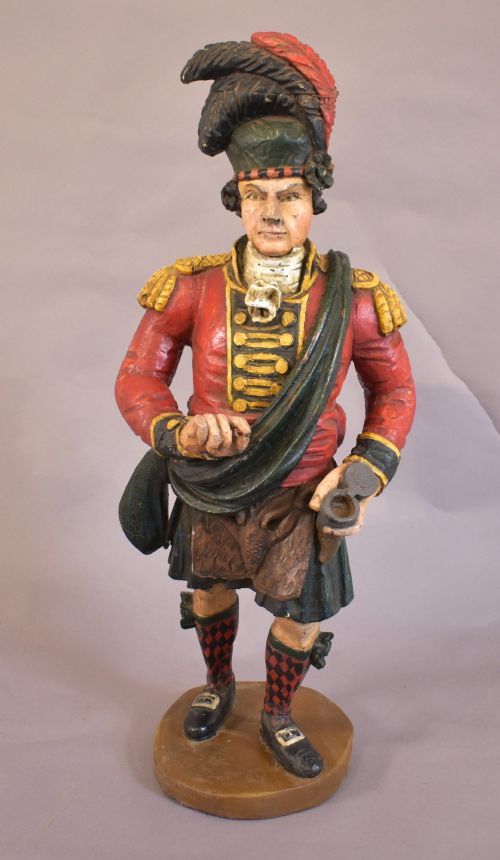
Polychrome Carved Statue
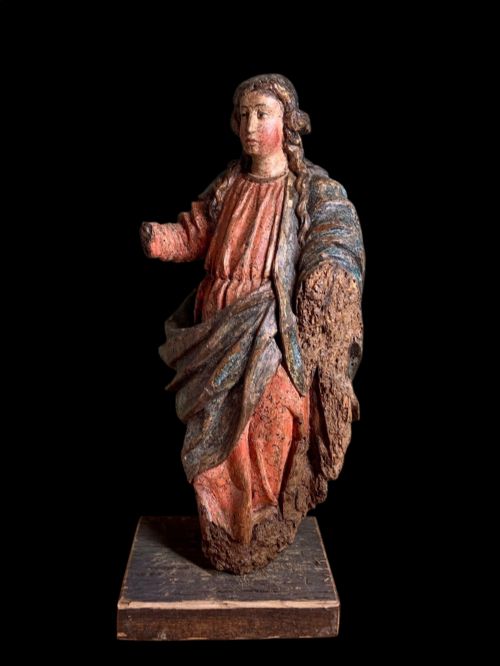
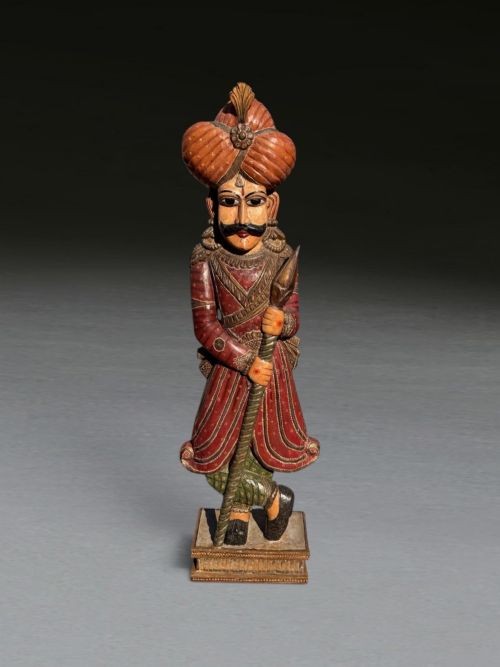
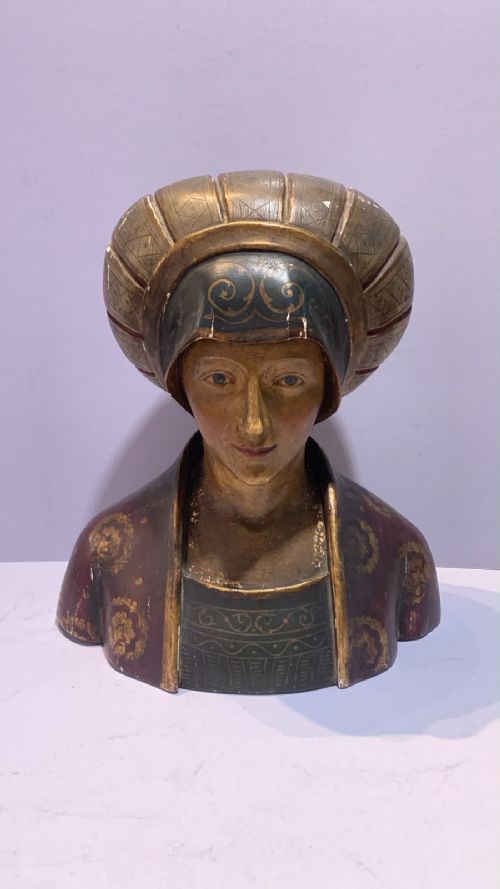
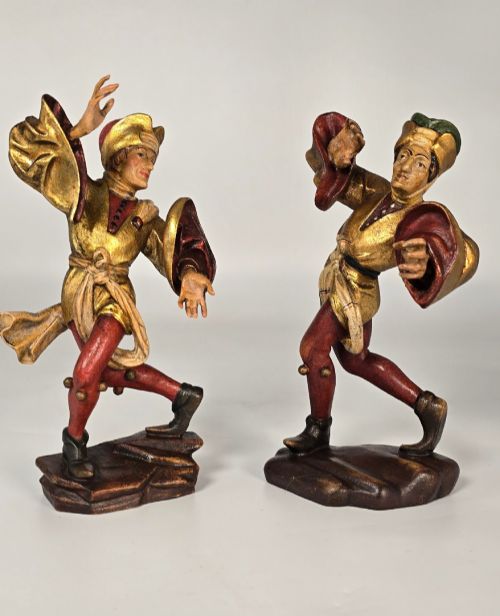
A polychrome carved statue brings centuries of layered pigment, gilt, and shaped timber into a room.
Polychrome Carved Statue
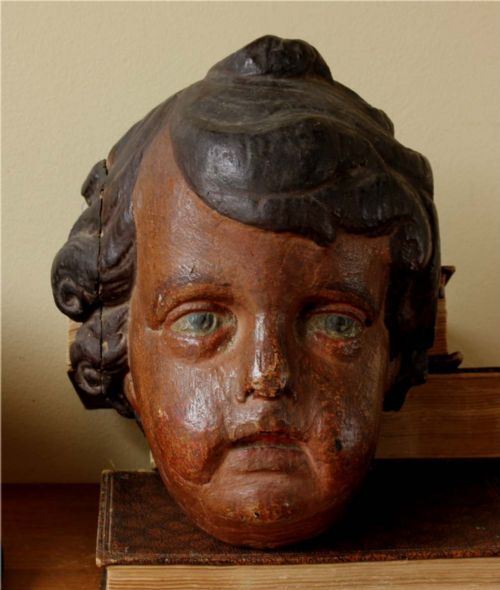
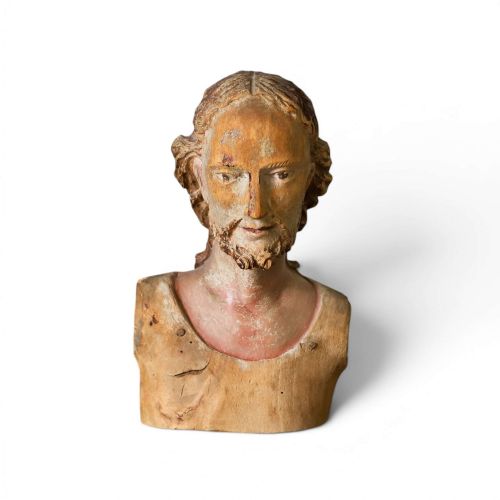
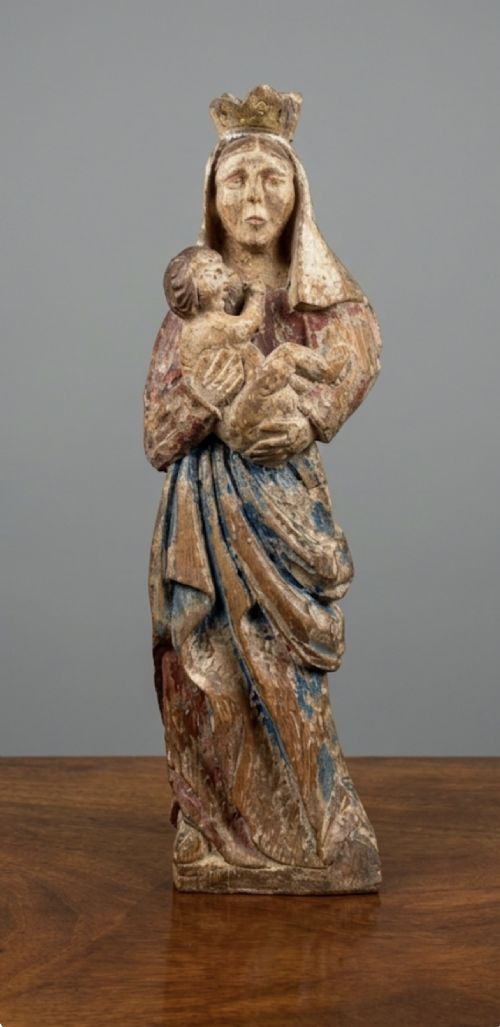
When you search for a polychrome carved statue, you enter a diverse field spanning religious figures, trade signs, and folk art from the medieval era through the nineteenth century. These objects combine sculptural timber forms with painted, gessoed, and gilded surfaces.
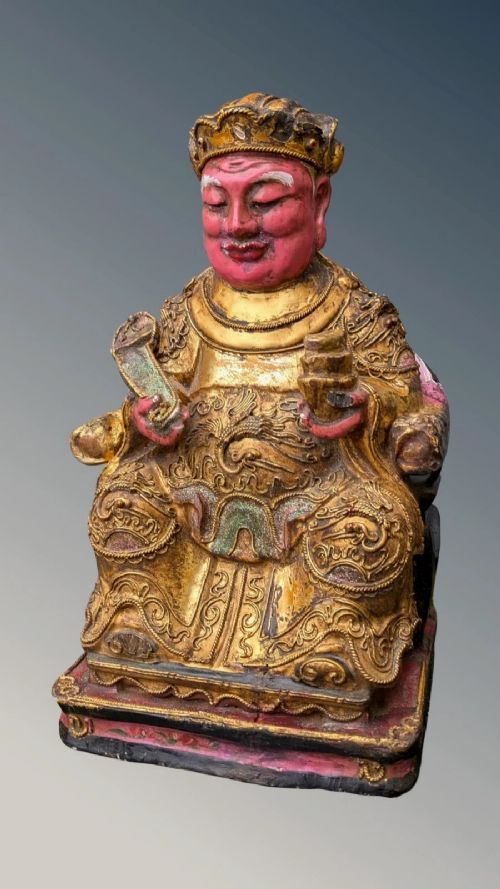
The versions most commonly met on this page include European devotional figures, such as saints and madonnas, alongside Asian temple carvings and nineteenth-century decorative figures. They range from small fragments and portrait busts to monumental church statues and architectural finials.
Origins stretch across Europe and Asia, encompassing Italian, Spanish, German, Chinese, and Indian workshops. Each piece reflects the religious, domestic, or commercial traditions of its specific period and region.
Materials and technique
Carvers shaped these works from timbers such as oak, walnut, olive wood, limewood, and pine, depending on regional availability and the desired level of detail. Artisans then applied layers of gesso to create a smooth ground for subsequent decoration.
Surface colour relied on pigments, paint, lacquer, and gold leaf, often built up in complex strata. Many pieces utilised traditional polychrome techniques where mineral and organic pigments were bound to the wood or gesso substrate.
Object types recorded in the archive range from religious statues and floor lamps to trade sign sculptures and architectural fragments.
What varies in quality
The artistic merit of a carved statue rests on the sensitivity of the chisel work in defining drapery, facial expression, and anatomy. Finer carvers achieved depth and naturalism, whereas simpler vernacular pieces relied on robust, blocky outlines.
The integrity of the original surface decoration dictates much of the visual character. Examples retaining early or untouched layers of pigment, gesso, and gold leaf hold greater historical coherence than those subjected to heavy modern repainting.
The Polychrome Carved Statue Glossary
- Polychrome
- Decorated in multiple colours. This term describes statues and reliefs finished with painted surfaces rather than plain wood or bare stone.
- Gesso
- A plaster mixture used as a base. Artisans applied it to wood carvings to smooth the surface before painting and gilding.
- Giltwood
- Wood that has been decorated with gold leaf. This finish often highlights the garments or halos of religious figures.
- Capipote
- A Spanish devotional figure with a carved head and hands attached to a dressed armature. These statues were often used in religious processions.
- Newel post finial
- An ornamental carving atop the main post of a staircase. These wooden elements frequently took figurative or heraldic forms.
Polychrome Carved Statue: Frequently Asked Questions
How were polychrome statues originally used?
These figures served primarily devotional, ritual, or civic functions in churches, temples, domestic shrines, and public spaces. Many stood on altars or formed parts of larger architectural altarpieces.
Others functioned as trade signs outside shops or served as decorative elements in elite interiors and Grand Tour collections.
How should I clean a painted wooden statue?
Dusting gently with a soft, dry brush is the safest method for routine maintenance. Avoid using water, household cleaners, or solvents on the painted surfaces.
Moisture and harsh chemicals can damage fragile gesso and lift old pigment from the wood.
What is the difference between European and Asian temple figures?
European pieces frequently draw on Christian iconography, depicting saints, madonnas, and biblical figures within Gothic, Renaissance, or Baroque traditions. They often employ gessoed timber with oil or tempera paint.
Asian temple figures, such as Chinese Buddhist immortals or temple guardians, utilise regional carving conventions and lacquer finishes alongside traditional pigments and gold leaf.