
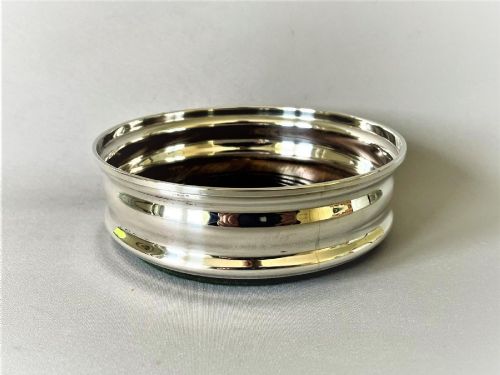


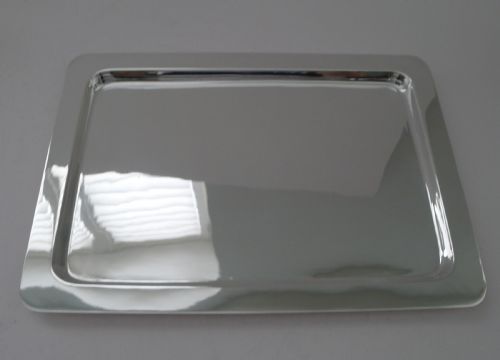


Polished Silver Tray
A polished silver tray brings practical elegance to a table, offering a reflective surface for drinks, cards, or decanters.
Polished Silver Tray
A polished silver tray encompasses a wide range of serving pieces, from eighteenth-century patens to twentieth-century cocktail trays.
The most common examples on this page are silver plated serving trays and drinks trays dating from the Edwardian period through to the 1960s.
Forms vary from simple circular salvers to large rectangular cocktail trays and figural dishes, often incorporating wood or metal mounts.
Materials and construction methods
Pieces in this category are fashioned primarily from solid sterling silver or silver plate over a base metal such as nickel silver or electroplated nickel silver.
Earlier pieces utilise traditional smithing techniques, while later examples often employ twentieth-century plating methods on metal or incorporate polished oak wooden bases.
Polished Silver Tray Retail Price Guide 2026
Typical asking prices for polished silver tray among the pieces listed under this phrase on Sellingantiques today, from the lower quarter to the upper quarter. They describe what is for sale here now, not the wider market.
Materials across these listings span solid silver, silver plate, electroplated nickel silver, and polished oak.
Distinguishing quality and craftsmanship
Quality in a polished silver tray is evident in the weight of the metal, the crispness of chased or engraved details, and the integrity of any applied crests or borders.
Superior examples display balanced proportions and robust construction, whether in the heavy gauge of a solid silver salver or the sturdy joinery of an oak and silver plated gallery tray.
George Cooper·Charles Boyton·John Collyer and Company·Roberts and Belk·Atkin Brothers·William Padley
The Polished Silver Tray Glossary
- Salver
- A flat tray, typically made of silver, used for serving drinks or presenting letters and cards.
- Silver Plate
- A thin layer of silver bonded to a base metal core such as copper or nickel silver.
- Paten
- A small plate or dish, historically used for ecclesiastical purposes but also found in domestic contexts as a small serving dish.
- Gallery Tray
- A tray featuring an upright pierced or solid metal gallery border around the rim to secure items.
- Electroplated Nickel Silver
- A base alloy of copper, nickel, and zinc coated with a layer of pure silver through an electrolytic process.
Polished Silver Tray: Frequently Asked Questions
How do I clean a polished silver tray?
Clean your tray using a soft cloth and a reputable silver polish formulated to remove tarnish without scratching the surface. Avoid abrasive pads or harsh chemical dips, particularly on plated items.
After polishing, rinse the tray thoroughly in warm soapy water and dry it completely with a soft lint-free cloth to restore its bright reflective finish.
What is the difference between solid silver and silver plate?
Solid silver pieces are made entirely of precious silver throughout, whereas silver plated items consist of a base metal core coated with a thin layer of silver.
Solid silver items carry hallmarks indicating purity and maker, while silver plated alternatives offer the visual appearance of silver at a different weight and composition.
How can I date an antique tray?
Dating relies on examining hallmarks on solid silver pieces, which provide specific town, maker, and date letter codes. Stylistic cues such as Art Deco geometric lines or Victorian ornamentation also help.
For silver plated items, maker marks and registration numbers often narrow down the decade of production when hallmark evidence is absent.
How were these trays originally used?
These trays served practical domestic functions, including carrying wine decanters, serving cocktails, or presenting visiting cards in formal households.
Larger salvers and platters were also utilised for serving food at table or displaying decorative items in a reception room.
Can I use an antique tray for serving food?
Many of these trays are suitable for serving dry foods, drinks, or glassware, provided the surface is clean and well maintained. Consideration should be given to the condition of the silver or plating.
Items with wooden bases or delicate antique plating are better suited to decorative display or dry presentation rather than direct contact with acidic foods.