
Polished Brass Hearth
A polished brass hearth sets the fireside tone, combining functional metalwork with decorative period warmth.
Polished Brass Hearth
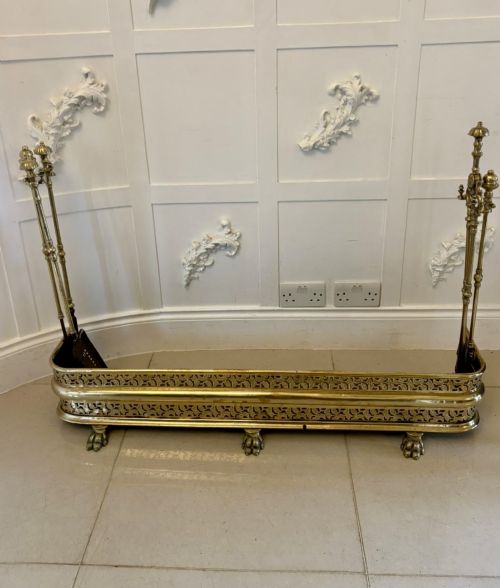
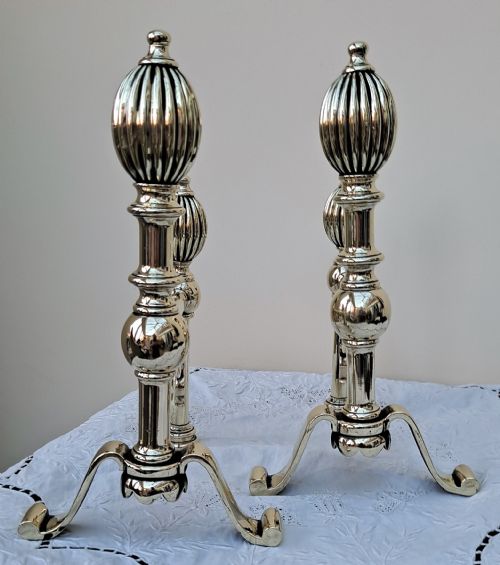
A polished brass hearth brings together the metalwork and accessories that surround a period fireplace. When searching for a polished brass hearth, you encounter fenders, andirons, fire dogs, and companion sets designed to frame the grate. These pieces date principally from the nineteenth century, spanning Victorian, Edwardian, Georgian, and Regency eras.
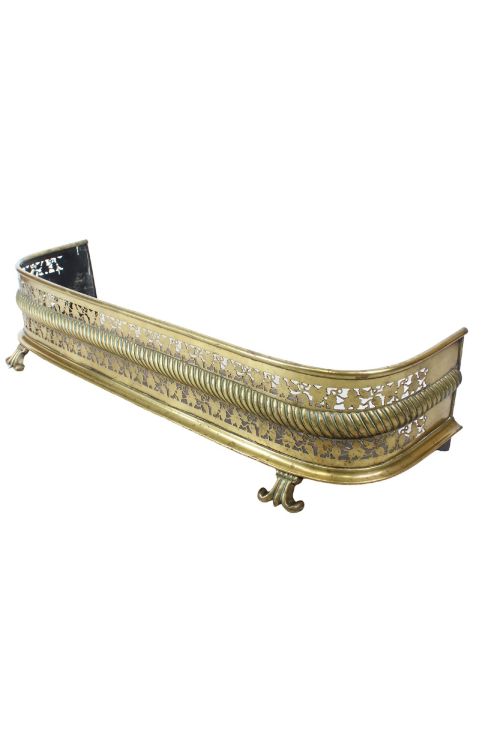
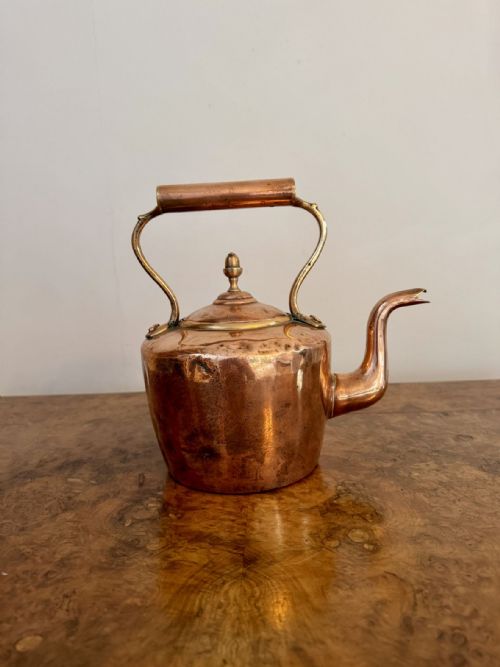
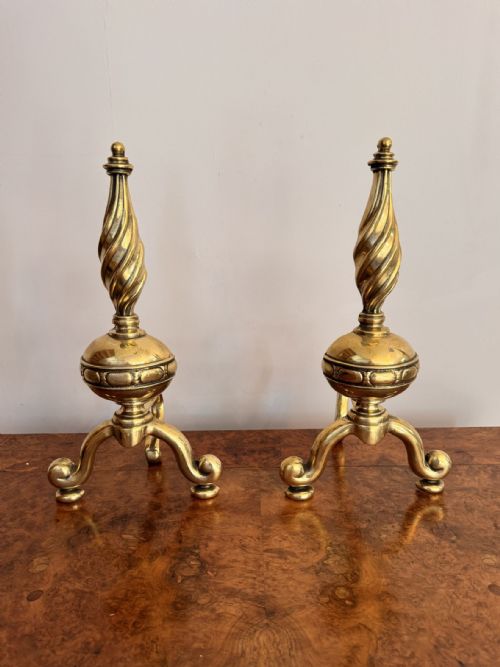
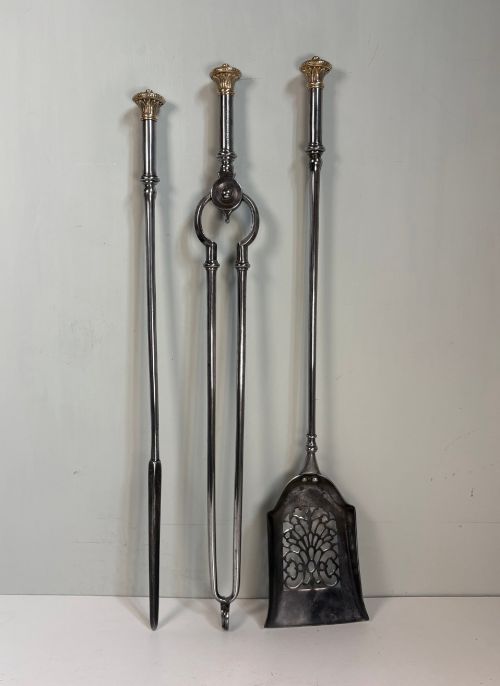
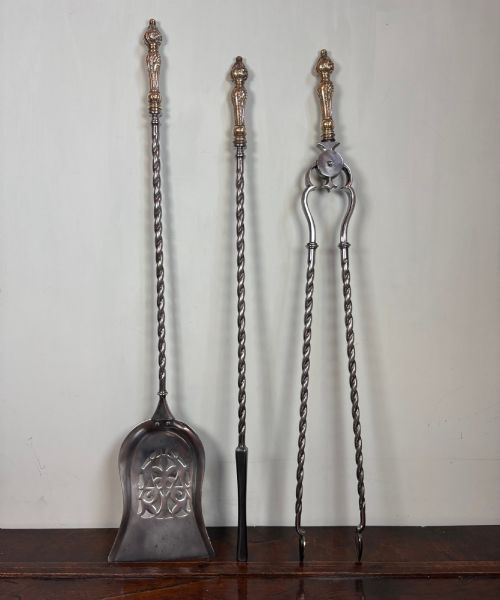
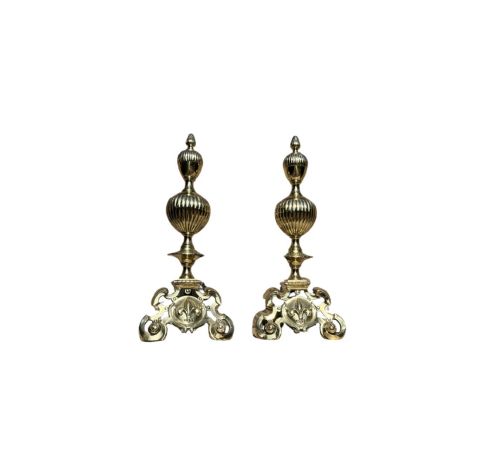
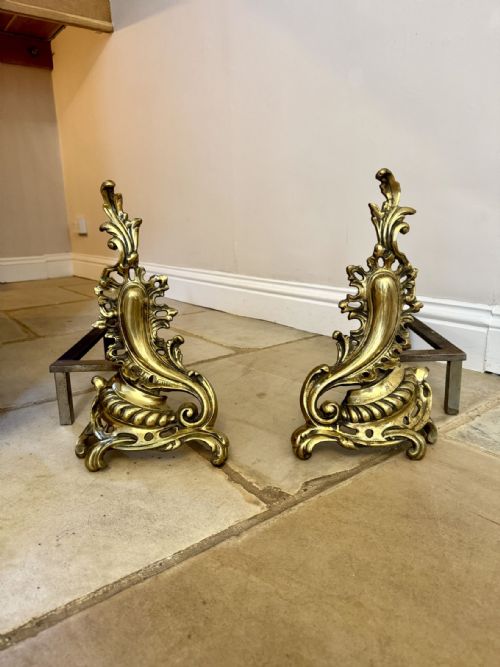
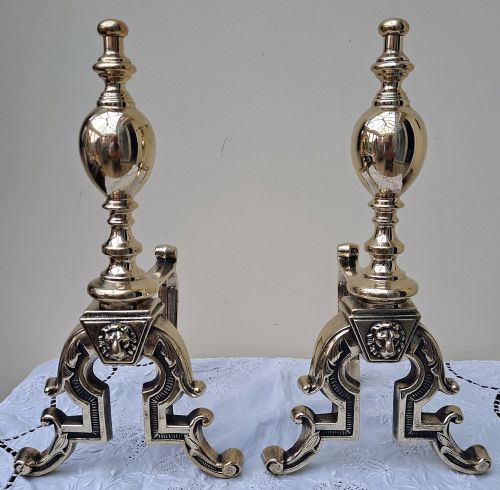
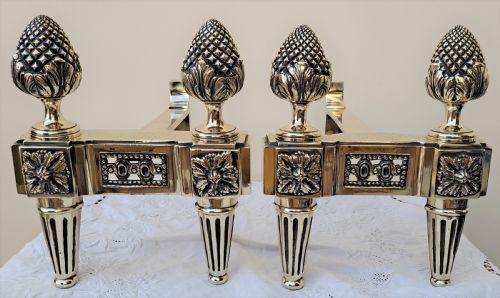
The most common forms on this page include pierced or moulded brass fenders alongside pairs of heavy fire dogs and andirons. Alongside these heavy metal surrounds, you find smaller fireside equipment like kettles, trivets, footmen, coal buckets, and companion sets in brass, copper, and steel. The selection captures both English and French decorative styles, ranging from traditional designs to French rococo and Arts and Crafts movements.
Materials and construction methods
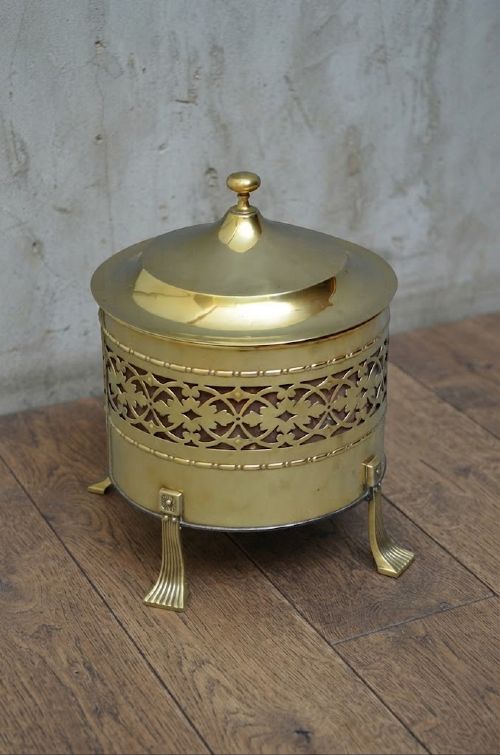
These hearth accessories rely primarily on brass, often paired with iron, steel, or copper for structural strength and functional contrast. Cast brass components provide weight and solid form for fire dogs and andirons, while sheet brass is moulded, pierced, or worked into decorative fenders and coal buckets.
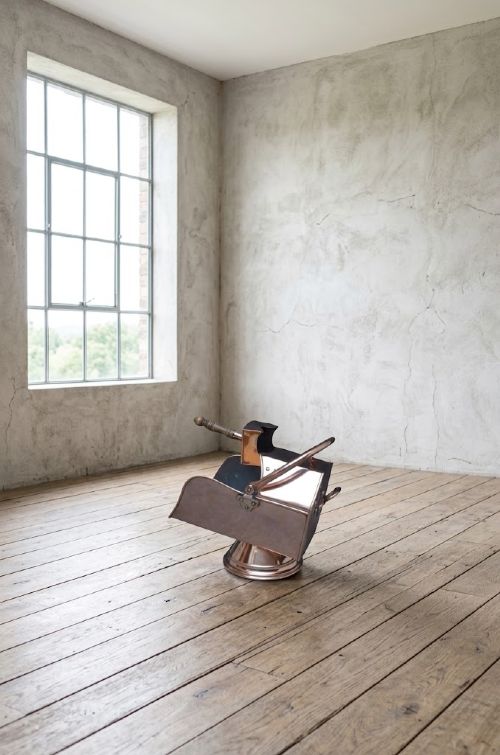
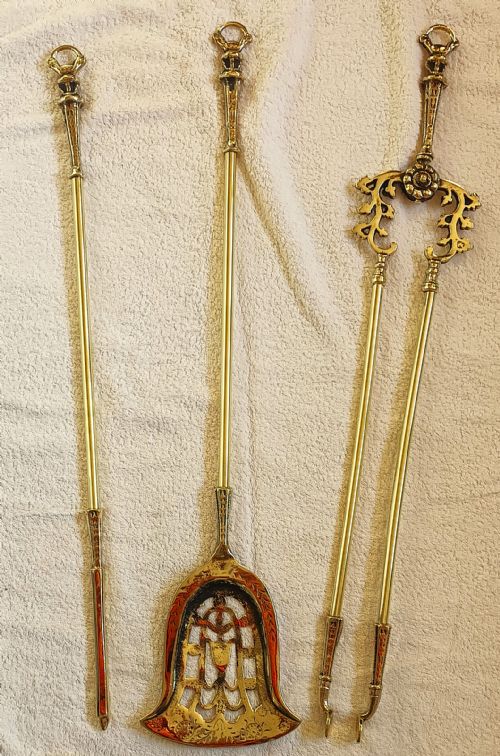
Makers utilised contrasting metals such as steel for fire iron shafts and tool sets, whilst incorporating polished brass handles and mounts. Copper appears frequently in kettles and coal scuttles, sometimes finished with forged iron elements or bronze detailing.
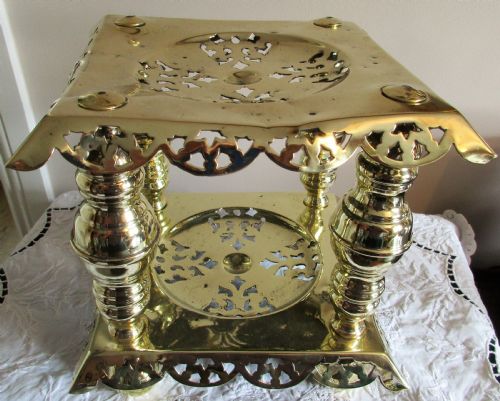
Object forms range from heavy brass andirons and pierced fenders to domestic copper kettles, coal scuttles, and two-tier trivets.
Distinctions in manufacture and design
Quality in these pieces is evident in the crispness of casting and the depth of hand-finishing on the metal surface. Finer examples display meticulous piercing, detailed fretwork, or substantial gauge brass that retains its structural integrity under daily use.
Design complexity also separates standard items from exceptional ones, seen in decorative elements like rope twist handles, bespoke leather upholstery on club fenders, or matched sets of original fire irons rather than assembled groupings.
The Polished Brass Hearth Glossary
- Fender
- A low metal guard placed around the hearth to contain embers and protect the floor. Fenders range from simple moulded brass rails to pierced Victorian designs.
- Andirons
- Supports used to hold logs in an open fireplace, also known as fire dogs. They frequently feature decorative brass fronts visible outside the hearth opening.
- Footman
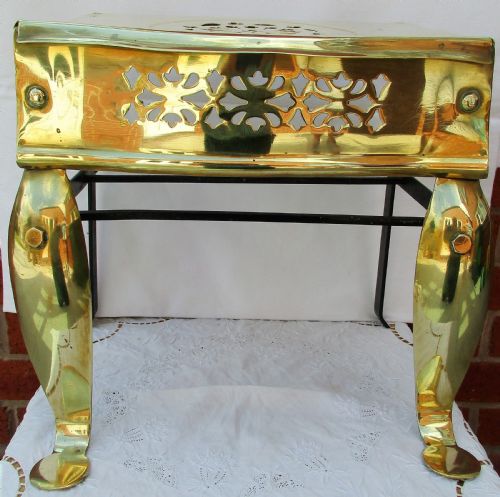
- A metal stand placed in front of the fire to keep food or kettles warm. These Georgian and Victorian pieces often combine brass tops with iron legs.
- Companion set
- A matched group of fireside tools usually comprising a poker, tongs, and shovel. They are often displayed on a dedicated stand or hung near the hearth.
- Trivet
- A small three-legged stand or two-tier holder used for kettles by the fireside. They are commonly constructed from polished brass.
Polished Brass Hearth: Frequently Asked Questions
What is a polished brass club fender?
A club fender is a low hearth guard featuring upholstered top rails, often finished in leather like Chesterfield styles. They served as physical seats around the Victorian or Edwardian fireplace.
These pieces allow people to sit directly beside the fire whilst keeping feet away from the hearth stones. Edwardian examples often incorporate intricate brass frames beneath the leather seating.
How do I identify a Georgian fire dog?
Georgian fire dogs and andirons typically display restrained classical forms executed in heavy cast brass. They predate the more elaborate French rococo revival pieces found later in the nineteenth century.
Look for solid construction and proportioned brass mouldings that match the scale of period register grates. They frequently accompany matching steel and brass fire tools of the same era.
Were brass and steel used together?
Makers routinely combined brass and steel across nineteenth-century hearth equipment. Steel provided the resilient strength needed for fire irons and fender bases.
Brass was applied for decorative handles, feet, and visible mouldings where bright polished surfaces caught the firelight. This material pairing appears in footmen, companion sets, and fenders alike.
How do I care for polished brass?
Polished brass requires gentle cleaning with appropriate metal polishes to maintain its reflective quality over time. Avoid abrasive pads that scratch the historic surface of Victorian or Georgian metalwork.
Regular dusting prevents soot accumulation from dulling the finish. Allowing a natural patina to develop alongside the bright polish is common practice for older pieces.