
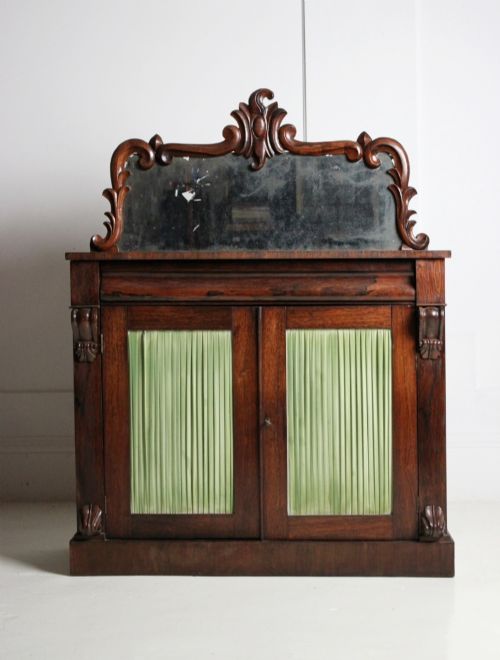
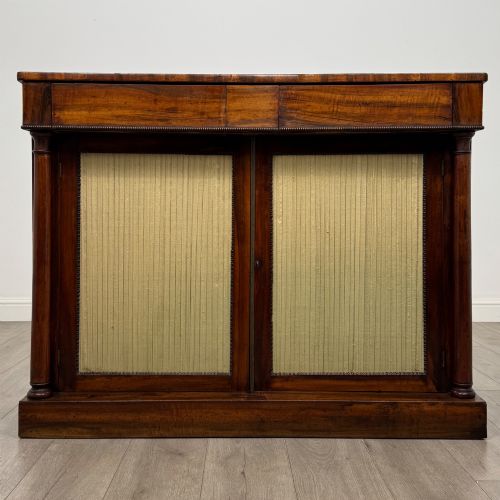
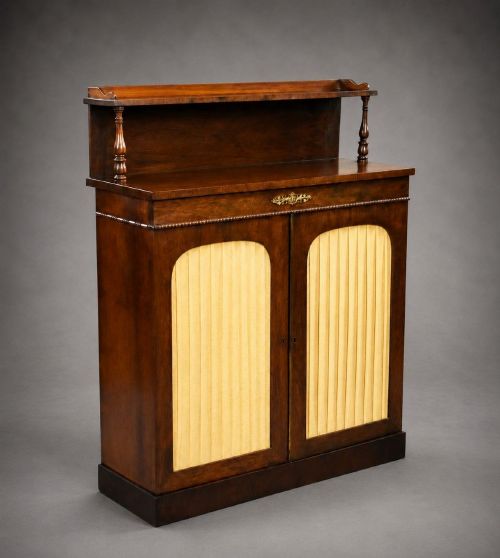
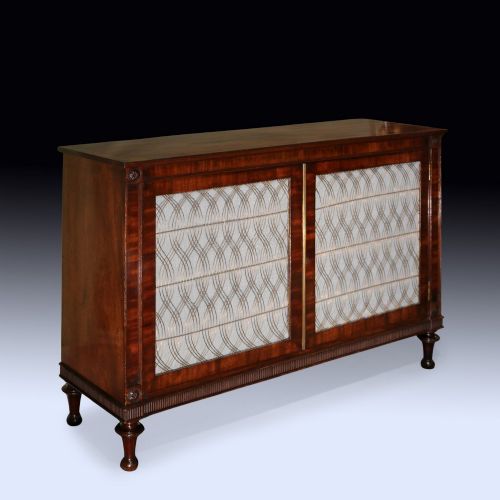


Pleated Silk Chiffonier
These pleated silk chiffonier pieces offer refined 19th-century storage, bringing classic cabinet work and tactile fabric detail into modern interiors.
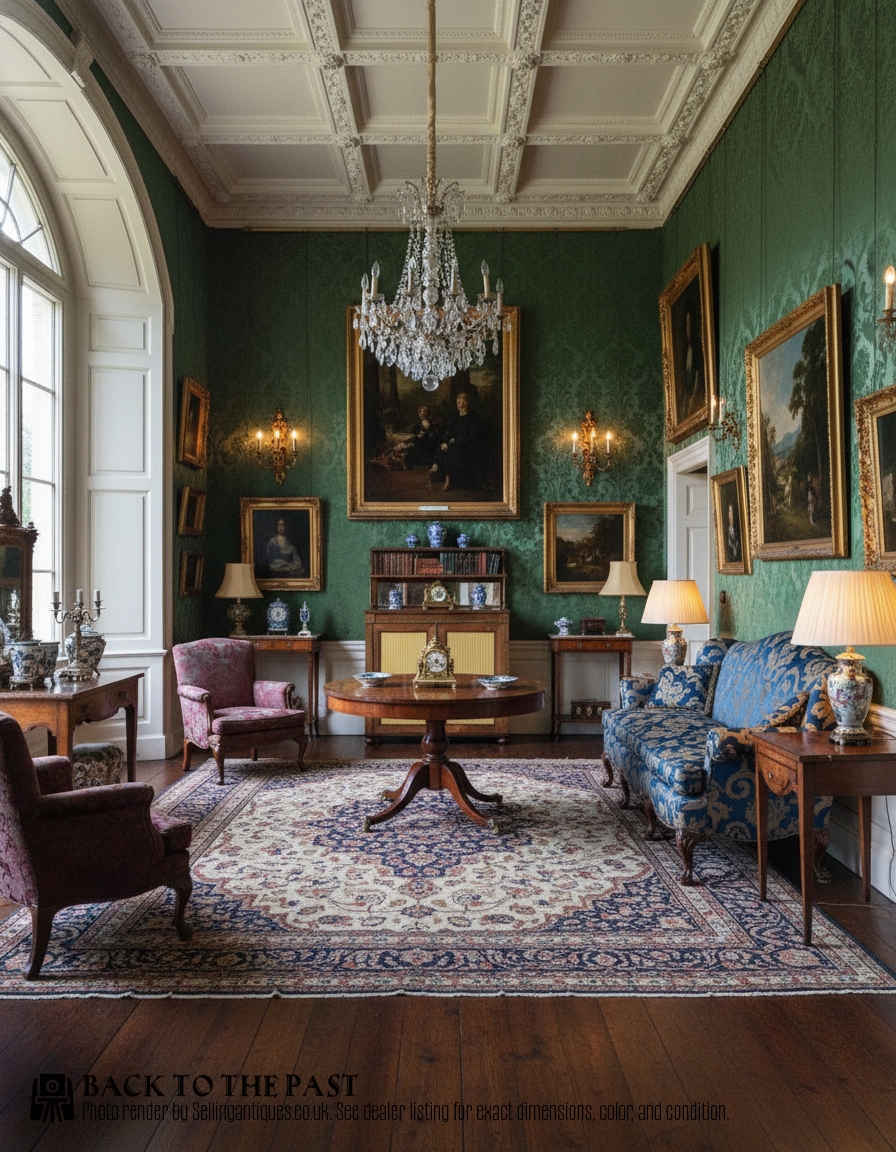
Pleated Silk Chiffonier
A pleated silk chiffonier brings together 19th-century cabinet work and delicate fabric inserts behind glass or wire doors. Buyers searching for a pleated silk chiffonier will encounter a selection primarily rooted in the Regency and Victorian periods.
The forms span side cabinets, sideboards, and dedicated chiffonier bodies constructed in dense timbers. These pieces serve as functional low storage units that anchor a room with period proportion.
Mahogany and rosewood dominate the surviving examples, often paired with brass inlay or gilt mounts. The inclusion of fabric behind the doors softens the formal wood surfaces.
Construction and materials
Cabinet makers utilised solid and veneered rosewood and mahogany over sturdy carcases, shaping breakfront and two-door formats by hand. Timber selection prioritised rich grain patterns and deep natural figures.
Brass elements, including fine grille work and stringing, were meticulously fitted into channels routed across the timber surfaces. Ormolu mounts and marble tops appear on select pieces, adding weight and contrasting texture.
Fabric panels, historically silk, were knife-pleated and secured behind glazed or brass-grille doors to diffuse the view of interior shelving. This textile integration required precise tensioning to maintain the crisp pleat geometry.
Materials recorded across current inventory include marble tops, ormolu mounts, brass grilles, and fabric inserts alongside solid woods.
Factors of quality
Quality rests heavily on the depth of figure in the rosewood or mahogany veneer and the crispness of the brass inlay. Superior examples show seamless timber matching across breakfront doors and panels.
The refinement of the brass grille work and the precision of the joinery distinguish higher workshops from standard production. Cabinet doors hang true and close flush without relying on modern hardware.
The treatment of secondary details, such as ormolu casting and the execution of the pleated silk panels, separates ordinary utility items from top-tier reception room pieces.
The Pleated Silk Chiffonier Glossary
- Chiffonier
- A low cabinet fitted with doors, drawers, or open shelving, originating in the early 19th century for dining or drawing room use. These units frequently incorporated marble tops and pleated silk door panels.
- Regency
- A style period spanning the early 19th century, characterised by classical restraint, architectural lines, and decorative brass inlay. Furniture from this era often draws inspiration from ancient Roman and Greek forms.
- Rosewood
- A dense, heavily figured tropical timber valued for its deep purple-brown colour and dark grain streaks. It served as a primary veneer and solid wood for high-status 19th-century cabinets.
- Ormolu
- Gilded bronze used for decorative mounts, feet, and gallery rails on fine cabinets. The finish provides a bright metallic contrast against dark rosewood and mahogany surfaces.
- Palisander
- A term applied to rich, dark rosewood timbers used extensively for luxury cabinet work during the 19th century. Its bold figuring makes it immediately recognisable on breakfront sideboards.
Pleated Silk Chiffonier: Frequently Asked Questions
Where should I place a chiffonier?
These low cabinets suit living rooms, dining areas, or wide hallways where their surface can display objects without obstructing sightlines.
Their shallow depth allows them to sit comfortably against walls in rooms where bulkier sideboards would overwhelm the floor plan.
How do I care for the silk panels?
Protect the pleated fabric from direct sunlight to prevent fading and brittle degradation over time. Gentle dusting with a soft brush helps maintain the crisp folds without straining the old textiles.
Avoid moisture and liquid cleaners near the fabric inserts to protect the underlying structure.
What is the difference between a chiffonier and a side cabinet?
A chiffonier traditionally includes specific lower storage enclosed by doors, often topped with a shelf superstructure or a simple flat surface. Side cabinets encompass a broader category of low storage furniture without the specific architectural tiers associated with traditional chiffoniers.
Both forms utilise similar 19th-century timbers like rosewood and mahogany.
How do I identify a Regency piece?
Regency furniture displays classical architectural proportions, restrained carving, and precise brass stringing or inlay. Pieces from this era often employ simulated rosewood or genuine figured veneers with dark patination.
Look for structural honesty and classical decorative motifs rather than heavy Victorian ornamentation.