

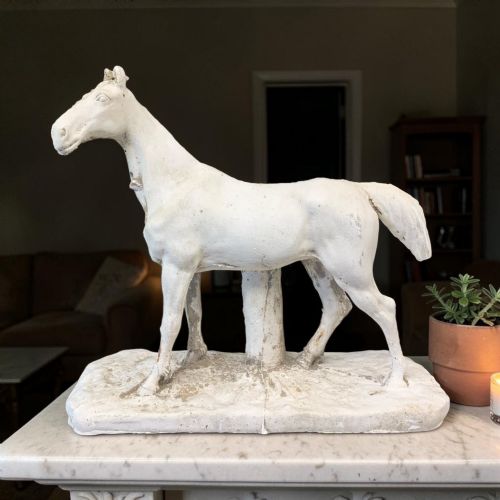


Plaster Cast Statue
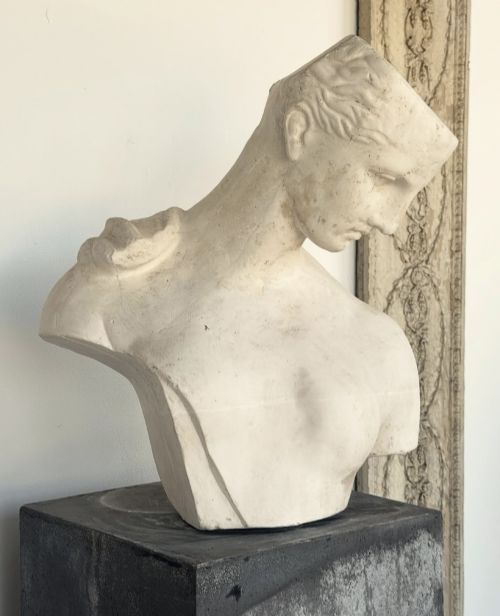
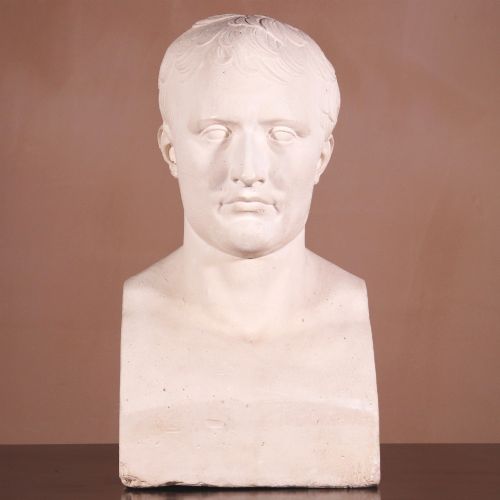
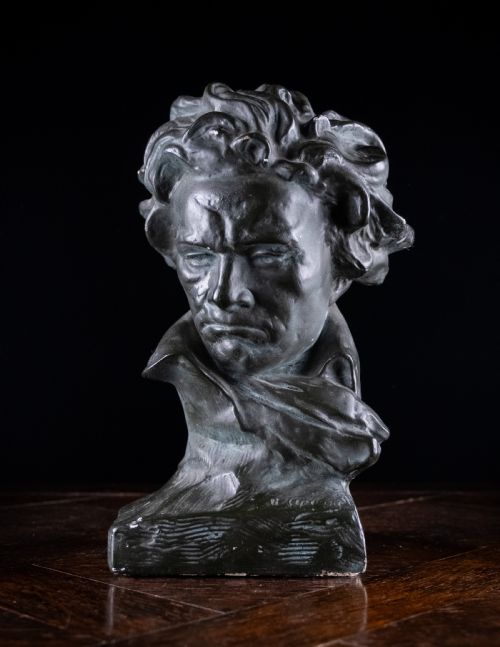
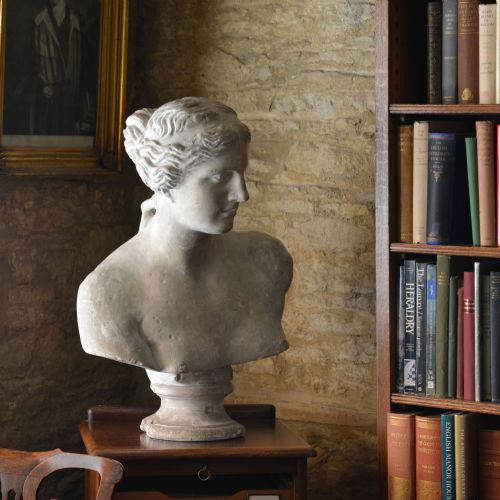
These plaster cast statue pieces bring classical form and historical presence into a room, offering the weighty look of bronze or stone through modelled gypsum.
Plaster Cast Statue
A plaster cast statue captures the likeness of classical figures, historical characters, and animals, drawing on centuries of sculptural tradition. When you search for a plaster cast statue, you encounter works ranging from monumental nineteenth-century busts to early twentieth-century animal studies.
The pieces listed here lean heavily towards neoclassical busts and historical portraits, alongside animalier subjects like horses, pugs, and lions. Many draw directly from antique or Renaissance models, translating famous museum sculptures into domestic scale.
How they were made
These works rely primarily on gypsum plaster, poured into moulds taken from original sculptures and studio models. The resulting cast receives its surface finish through paint, patination, or bronze effects to simulate heavier materials.
Plaster Cast Statue Retail Price Guide 2026
Typical asking prices for plaster cast statue among the pieces listed under this phrase on Sellingantiques today, from the lower quarter to the upper quarter. They describe what is for sale here now, not the wider market.
Listings feature periods spanning the nineteenth century through the 1930s, utilising plaster, terracotta, and bronze patina.
What varies in quality
Quality in these pieces depends upon the crispness of the modelling and the fidelity of the cast to the original source. A superior cast retains sharp facial expressions, clean lettering where present, and subtle texture in hair or drapery.
The handling of the surface finish separates ordinary reproductions from finer studio pieces. Skillants applied patination or paint adds depth and shadow, whereas heavy or flat coatings obscure the underlying detail of the gypsum.
The Plaster Cast Statue Glossary
- Plaster
- A building and sculpting material made from gypsum, mixed with water and allowed to set in a mould. It forms the core medium for all pieces on this page.
- Patinated plaster
- Plaster treated with a chemical or pigment wash to simulate the aged surface of bronze, terracotta, or marble. This technique gives lightweight casts an antique metallic appearance.
- Neoclassical
- A style spanning the eighteenth and nineteenth centuries that revives the aesthetic of ancient Greece and Rome. Many busts and figures on this page reflect this classical revival.
- Grand Tour
- A traditional trip through Europe undertaken by upper-class young men in the eighteenth and nineteenth centuries. Travellers frequently brought home small plaster casts of famous antiquities.
- Animalier
- A nineteenth-century artistic focus on the realistic depiction of animals. Sculptures in this vein capture beasts in naturalistic poses, often modelled after prominent sculptors.
Plaster Cast Statue: Frequently Asked Questions
What is a plaster cast statue?
A plaster cast statue is a sculptural reproduction formed by pouring liquid gypsum into a mould taken from an original work of art. These pieces served as study aids for artists or decorative objects for grand interiors.
They replicate ancient, Renaissance, and nineteenth-century masterpieces, allowing collectors to bring museum-quality forms into domestic spaces.
How do I date an antique plaster cast?
Dating involves examining the surface wear, the composition of the plaster, and the style of the mounting or base. Nineteenth-century examples often show distinct layers of patination and minor surface degradation that modern reproductions lack.
The subject matter and any inscriptions or studio stamps can also help narrow down the period of production.
Where were these statues displayed?
Historically, plaster casts filled artists' studios, libraries, and drawing rooms as objects of education and refined taste. Wealthy collectors used them to demonstrate an appreciation for classical antiquity and fine art.
Today, they function as striking interior decor pieces, placed on mantelpieces, pedestals, or bookshelves.