

Classical Head Bust
A classical head bust captures the solemn grace of antiquity, bringing carved stone, cast bronze or painted plaster portraits into domestic spaces.
Classical Head Bust
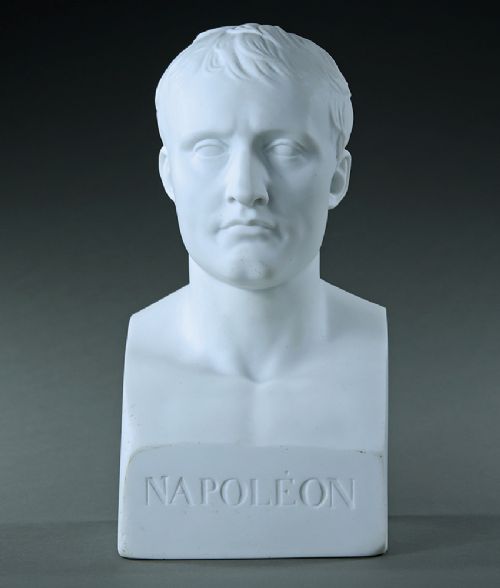
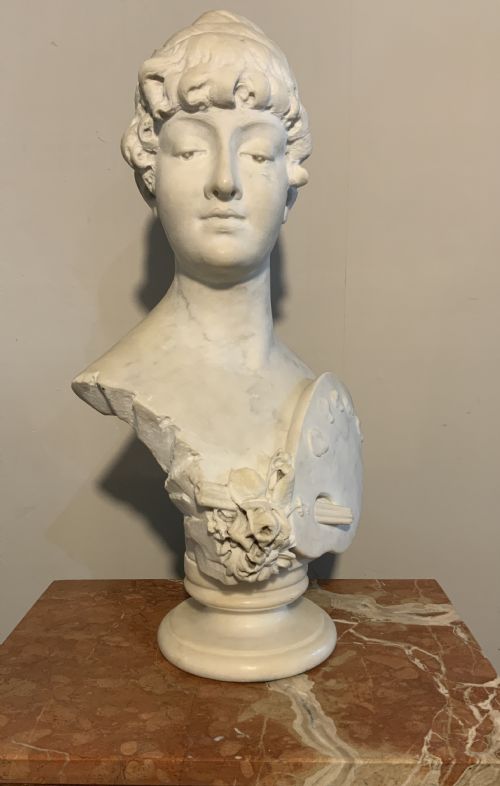
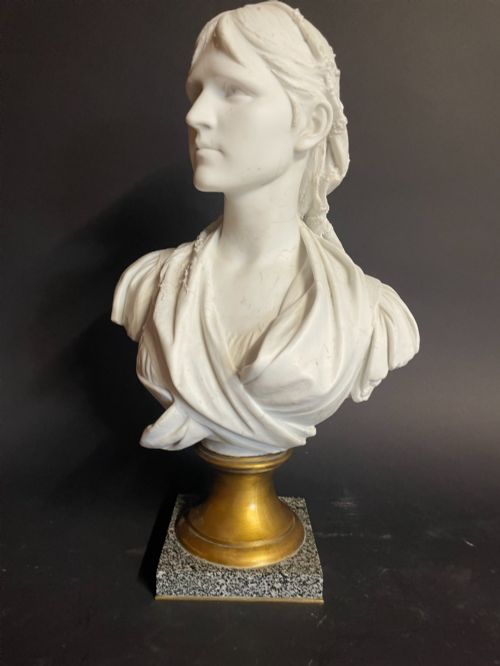
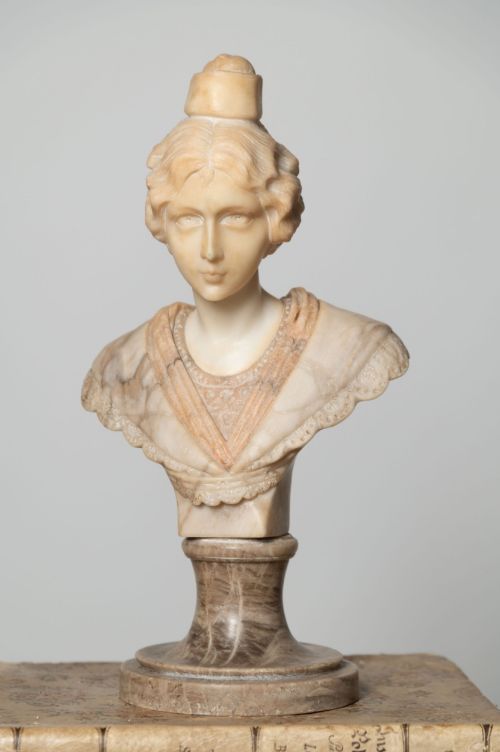
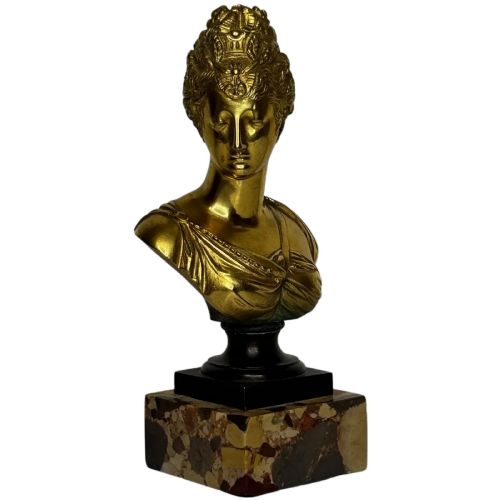
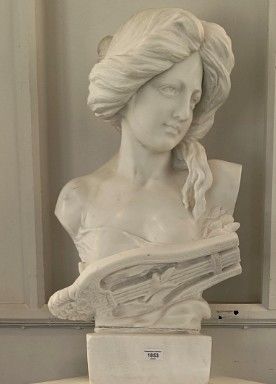
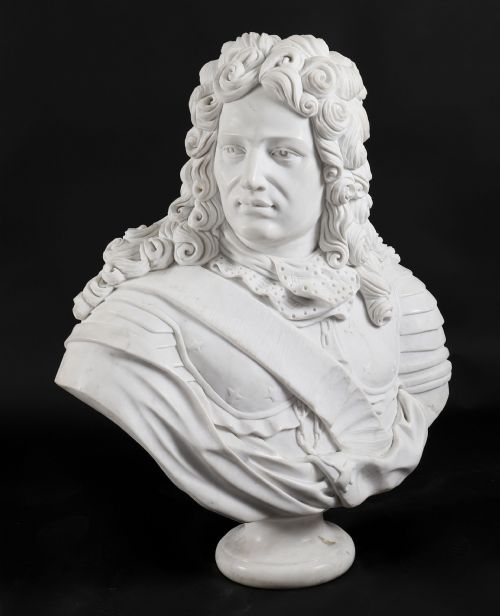
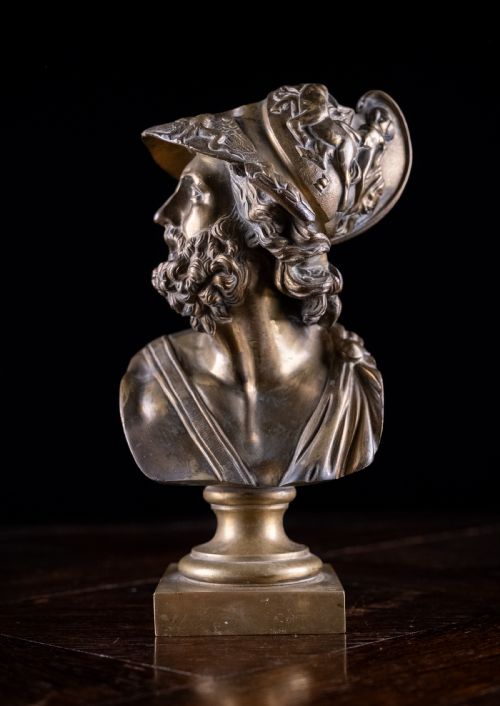
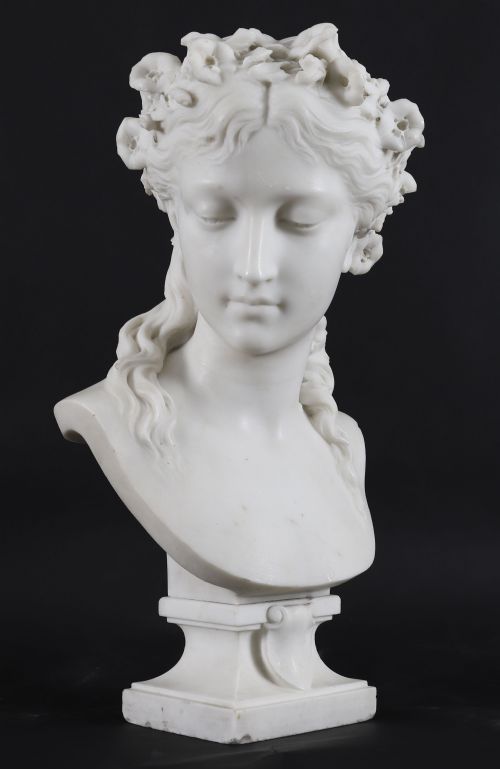
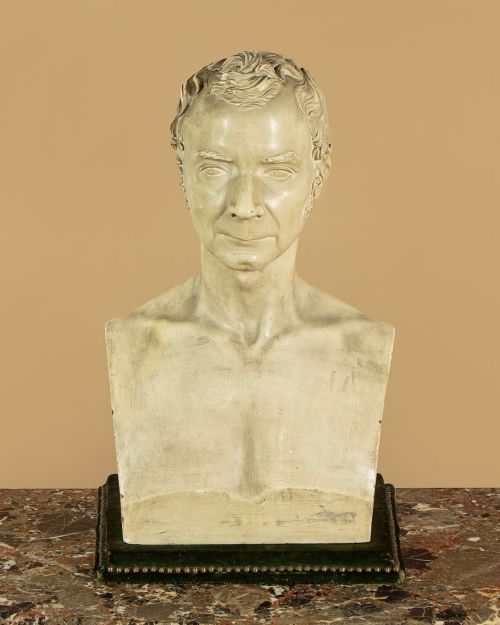
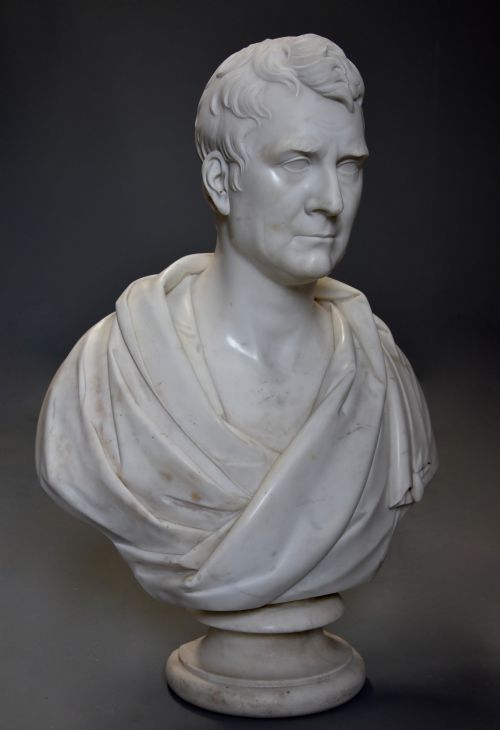
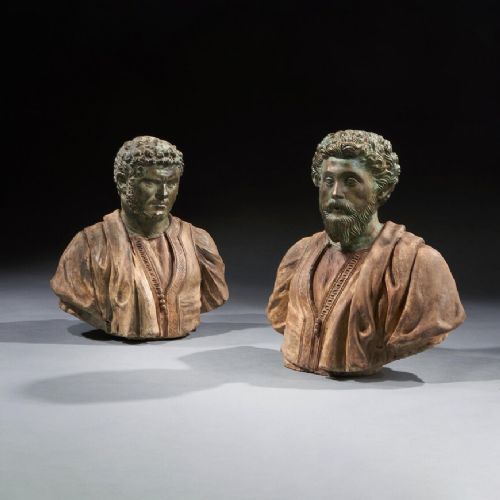
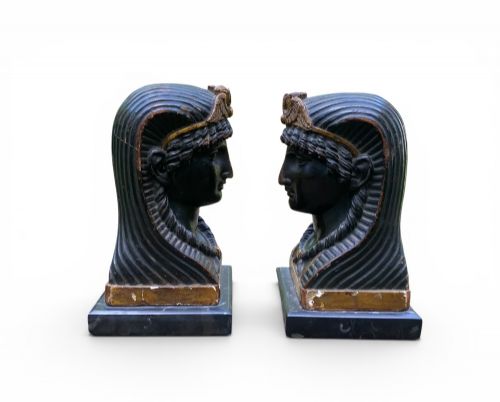
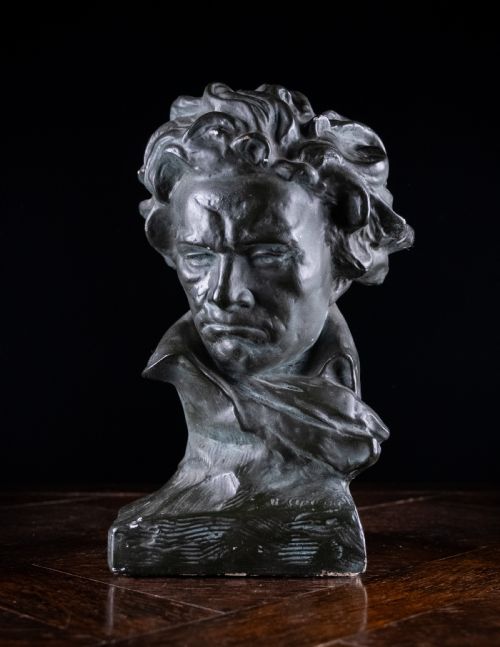
A classical head bust represents historical figures, mythological deities, or anonymous citizens from ancient, Renaissance and neoclassical design traditions. You will encounter white Carrara marble and alabaster library pieces alongside painted plaster casts and bronze portrait studies.
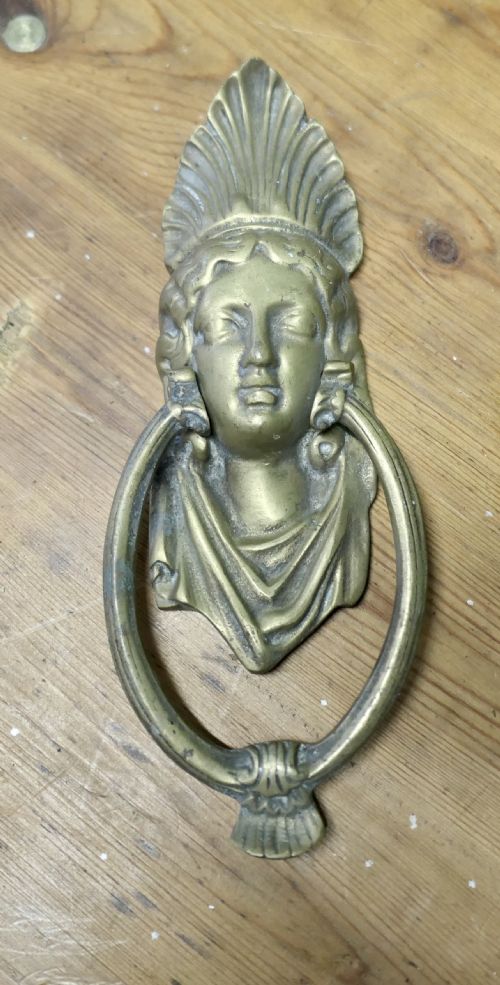
The format ranges from monumental civic sculptures and garden statuary down to diminutive cabinet pieces and architectural door knockers. Many items draw inspiration from Grand Tour souvenirs and Victorian reinterpretations of Greek and Roman models.
Subjects include literary figures such as Dante and Shakespeare, Roman emperors like Julius Caesar and Marcus Aurelius, and classical heroines or mythological muses. These sculptures focus strictly on the head and shoulders, mounted securely upon integral stone or metal bases.
Materials and construction
Carved marble pieces utilise fine-grained Carrara stone or alabaster, shaped with chisels and rasps to achieve subtle facial contours and drapery folds. Sculptors often mounted these completed stone heads onto contrasting pedestals or turned columns.
Metal versions rely on bronze casting, frequently employing the lost-wax method before receiving chemical patination or gilt finishes. Plaster and terracotta examples utilise moulds taken from master models, finished with surface paint or bronze coatings.
One determined philosopher maintains a stern gaze from a library shelf, undisturbed by centuries of shifting interior design trends.
Evaluating craftsmanship and detail
Quality rests in the anatomical precision of the carving or casting, particularly in the rendering of hair texture, muscle tension and facial expression. Superior works capture lifelike individuality and psychological depth, whereas lesser examples remain stiff or formulaic.
The selection of raw material dictates longevity and visual impact, with dense Carrara marble and heavy cast bronze sitting at the upper end of the scale. Signatures from recorded sculptors and documented foundry marks also elevate the standing of an individual piece.
Eugene Aizelin·Raffaelo Monti·Giuseppe Moretti·Sir Thomas Brock·John Wenlock Rollins
The Classical Head Bust Glossary
- Carrara marble
- A type of white or blue-grey marble quarried in the city of Carrara in Tuscany, Italy. Sculptors have favoured this material since Roman times for its fine, uniform grain.
- Caryatid
- A sculpted female figure serving as an architectural support taking the place of a column or a pilaster. They appear in furniture mounts and functional items like door knockers.
- Grand Tour
- A traditional trip of Europe undertaken by upper-class European young men of sufficient status. Travellers frequently acquired small bronzes and plaster casts to bring home.
- Patina
- A thin layer that naturally or artificially develops on the surface of bronze, wood or stone through age and exposure. This coloration offers clues to the age and handling history of the object.
- Terracotta
- Unglazed or glazed fired clay used for sculptural models and finished figures. The material ranges in colour from pale buff to deep reddish-brown.
Classical Head Bust: Frequently Asked Questions
What is a classical head bust made from?
These sculptures utilise various materials including white Carrara marble, alabaster, cast bronze, terracotta and painted plaster. Each medium creates a distinct visual weight and surface texture.
Heavier stones and metals often require reinforced shelving or dedicated pedestals, while hollow plaster versions demand more careful handling to prevent chipping.
How do I clean an antique marble bust?
Dust surfaces regularly with a soft, dry microfibre cloth to prevent particulate accumulation. Avoid harsh chemical cleaners, detergents or excess water which can stain porous stone or dissolve painted finishes.
Stubborn grime requires professional conservation advice to preserve the underlying patina and any historic surface treatments.
Where should I place a heavy stone sculpture?
Position large marble or stone pieces on sturdy tables, dedicated architectural plinths or strong floor-standing pedestals capable of supporting significant weight. Ensure the surface is completely level to prevent tipping.
Keep pieces away from direct heat sources and strong sunlight to protect underlying materials and applied patinas from thermal shock or fading.
How can I tell if a bronze bust is old?
Examine the base, casting seams and surface patination for signs of age, tool marks and wear patterns consistent with historical manufacturing methods. Older bronzes often feature hand-chased details and stable, layered patinas.
Signed pieces or foundry stamps provide further historical context, linking the work to specific nineteenth-century or early twentieth-century production periods.