

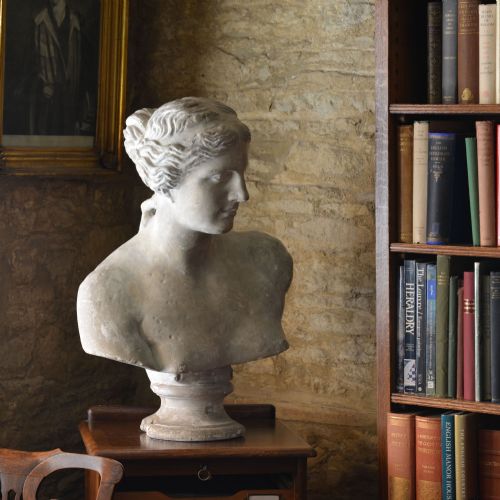


Neoclassical Head Sculpture
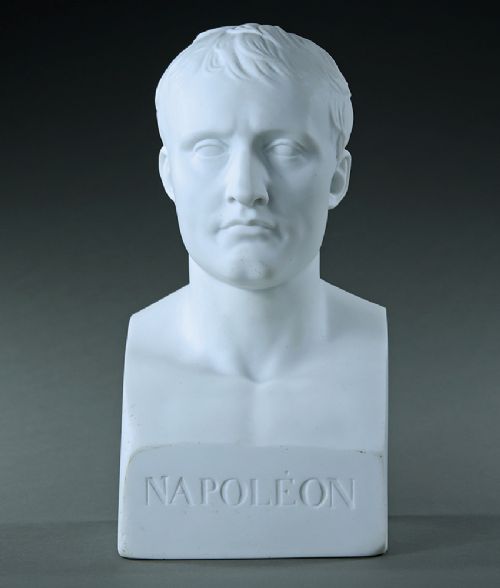
A neoclassical head sculpture brings classical antiquity into a room, offering carved marble and cast bronze likenesses of emperors, mythological figures and classical heroes.
Neoclassical Head Sculpture
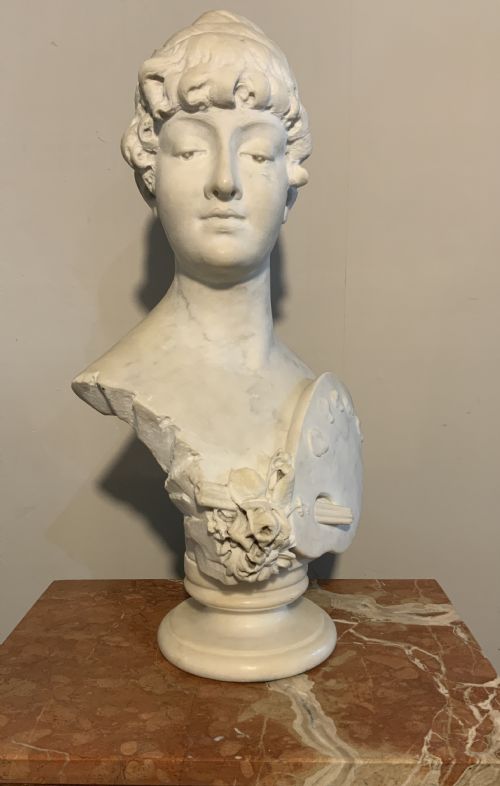
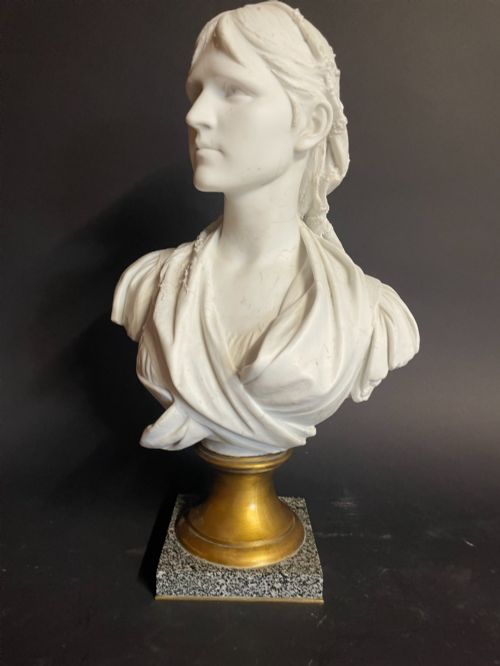
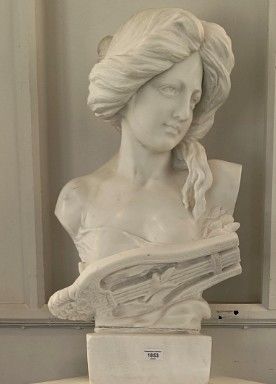
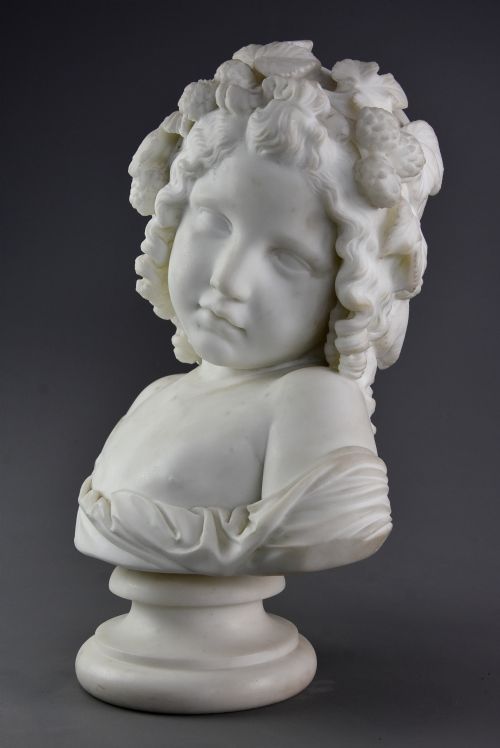
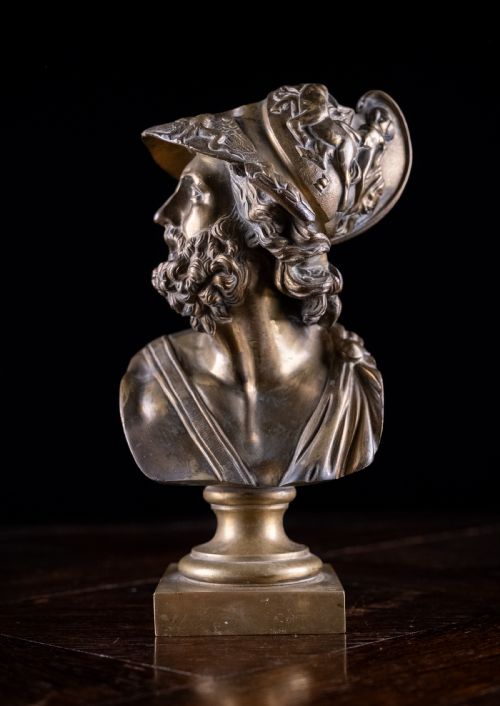
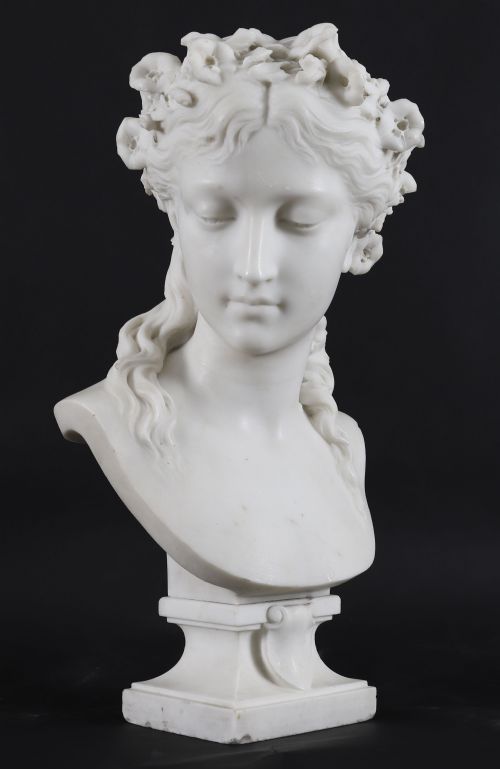
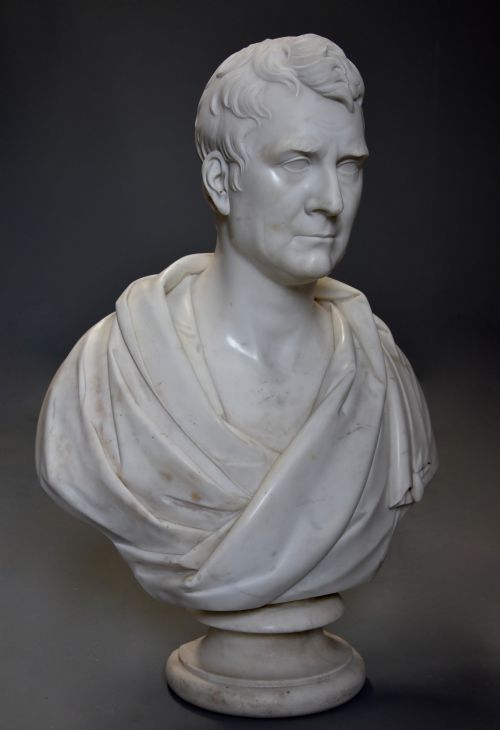
A neoclassical head sculpture takes many forms across this selection, predominantly appearing as carved marble or cast bronze portrait busts depicting historical figures, mythological subjects and classical deities. These pieces draw directly on the artistic traditions of ancient Greece and Rome, often produced during the nineteenth century as library ornaments, cabinet pieces or garden statuary.
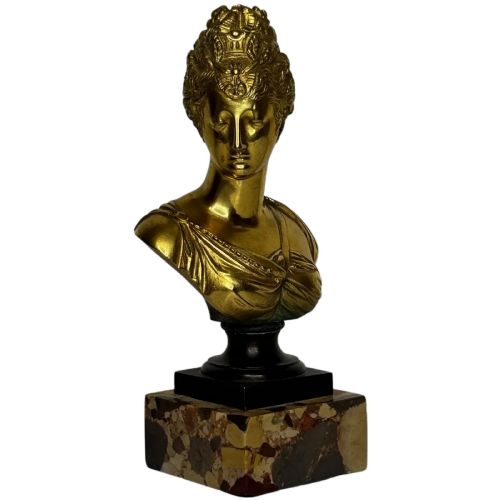
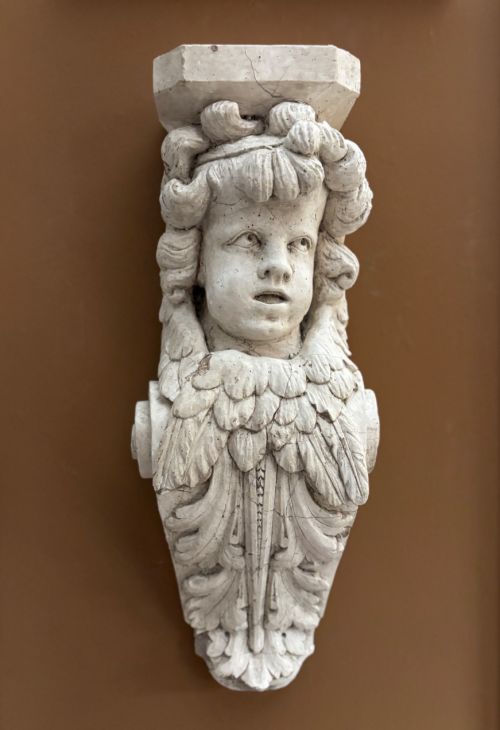
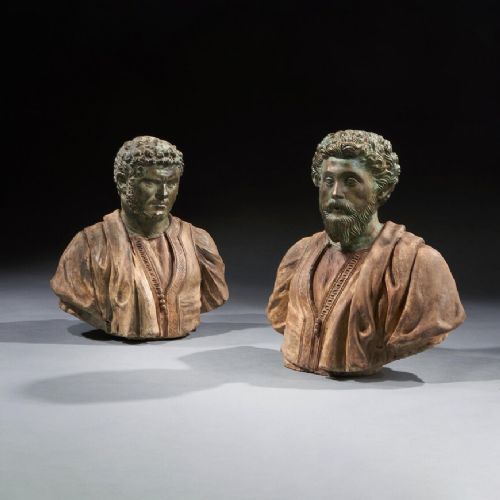
The most common examples on this page are nineteenth-century Carrara marble busts and Grand Tour bronzes that capture likenesses of Roman emperors, Greek philosophers and mythological personages like Diana de Poitiers or Venus de Milo. Alongside these tabletop sculptures, buyers encounter larger garden statuary, wall brackets, corbels and plaster casts intended for domestic study and display.
How they were made
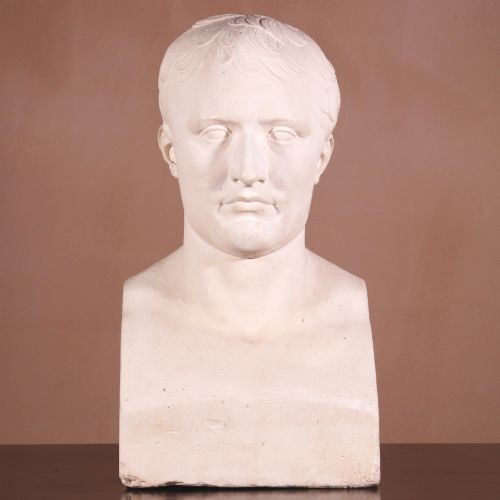
Bronze casting involved the lost-wax method or sand casting, frequently finished with gilt, ormolu or patination to emulate ancient metalwork. Plaster and reconstituted stone served as alternative mediums, allowing workshops to cast library busts and architectural ornaments from established classical moulds.
Materials across these listings span Carrara marble, bronze, plaster, terracotta and cast stone, capturing nineteenth-century interpretations of classical antiquity.
What varies in quality
Quality rests primarily on the crispness of the carving and the fidelity of the cast. Superior marble pieces exhibit deep, clean undercut work in the hair and drapery, whilst lesser examples display softer details and mechanical machine finishing.
The presence of a known signature from a reputable sculptor or foundry elevates a piece significantly. Finer bronze iterations demonstrate careful patination and precise chasing after casting, whereas lower-tier plaster and stone versions lack surface definition.
Houdon·Eugene Aizelin·J Francis·Mathurin Moreau
The Neoclassical Head Sculpture Glossary
- Grand Tour
- A traditional trip through Europe undertaken by upper-class young men to collect art and antiquities. Pieces from this context often replicate famous classical sculptures in bronze or marble.
- Carrara marble
- A type of white or blue-grey marble from the city of Carrara in Tuscany, widely used for neoclassical sculpture because of its fine grain and luminous surface.
- Gilt bronze
- Bronze metal coated with a thin layer of gold or gold amalgam, providing a rich metallic finish often seen on nineteenth-century portrait busts.
- Corbel
- A structural piece of stone or plaster jutting from a wall to carry a superincumbent weight, sometimes taking the form of a classical head or putto.
- Patina
- A thin layer that naturally or artificially develops on the surface of bronze through age and exposure, altering its colour and texture.
Neoclassical Head Sculpture: Frequently Asked Questions
What is a neoclassical head sculpture?
It is a carved or cast representation of a human head or bust inspired by the art of ancient Greece and Rome. These pieces typically depict emperors, philosophers or mythological figures.
Most examples found here date from the nineteenth century, reflecting the period's fascination with classical antiquity through Grand Tour travel and academic art.
Where were these sculptures displayed?
Historically, these portrait busts and library sculptures stood in domestic studies, libraries, entrance halls and gardens. They served as symbols of classical learning, taste and refinement.
Smaller bronzes and plaster casts were often kept on mantelpieces or bookshelves, whilst stone and marble versions occupied pedestals or wall brackets.
How do I identify a Grand Tour piece?
Grand Tour sculptures are typically reduced-scale bronze or marble copies of famous antique statues found in Italian museums and archaeological sites. They were acquired by travellers during the eighteenth and nineteenth centuries.
Look for fine patination on the bronze and accurate rendering of classical prototypes such as the Charioteer of Delphi or Capitoline Lion.
Are these pieces made of solid marble?
Many of the stone examples on this page are carved from solid white or Carrara marble, which offers a heavy and translucent quality. Other pieces utilise cast stone, reconstituted stone or plaster.
Plaster and cast stone versions were popular nineteenth-century alternatives for library busts, providing an accessible way to display classical forms at home.
How do I care for marble and bronze?
Marble requires gentle dusting with a dry cloth and should be kept away from acidic liquids that can etch the polished surface. Avoid abrasive cleaners entirely.
Bronze benefits from occasional light dusting and maintaining a stable indoor humidity to preserve the patinated surface without damaging the metal.