

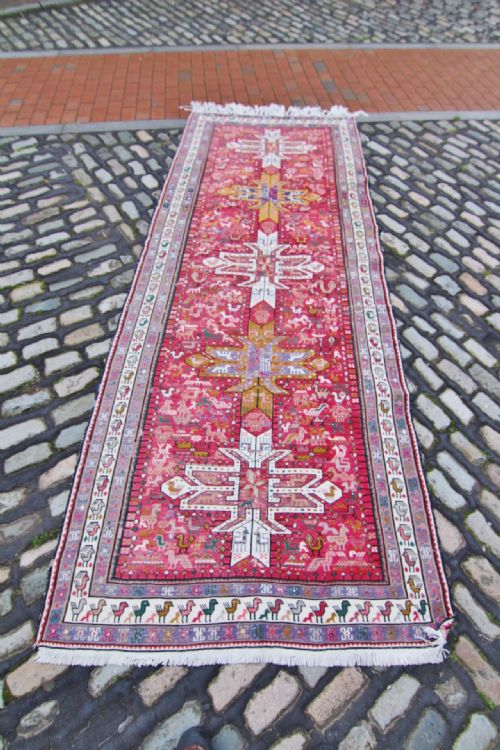

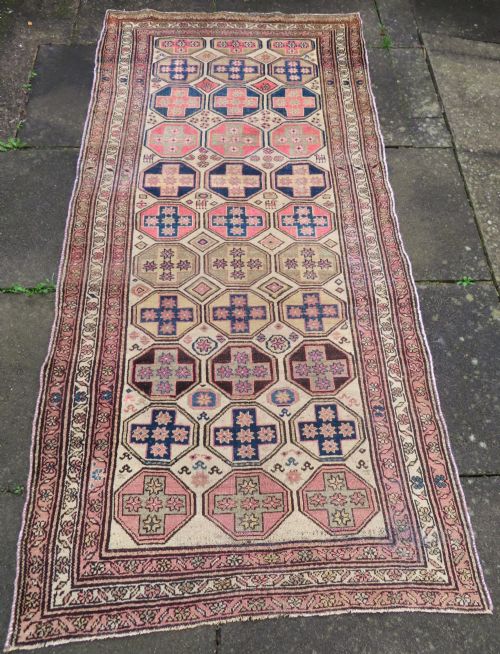
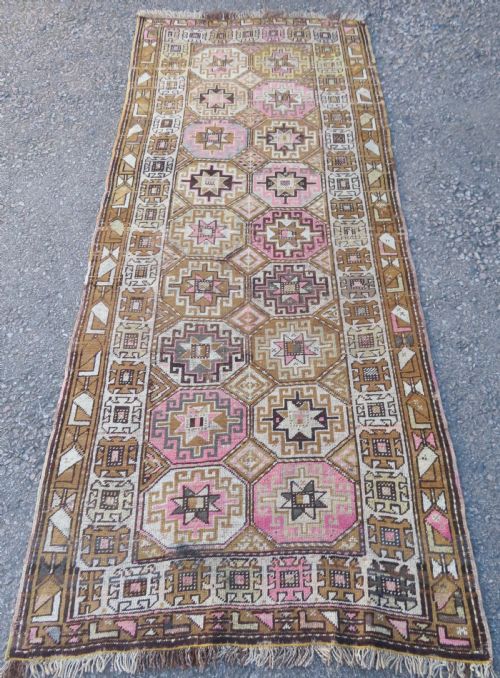
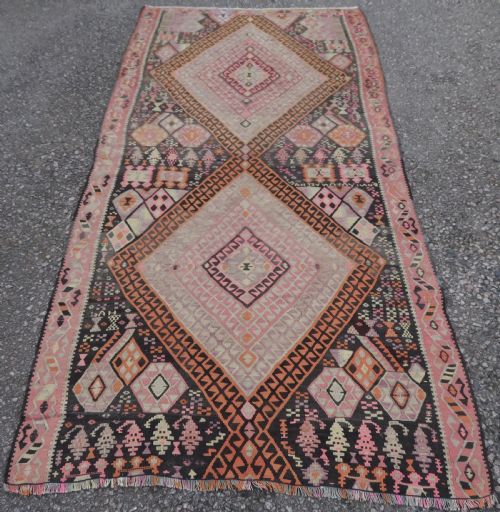


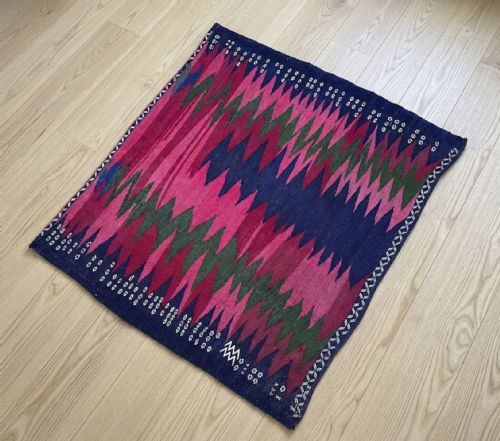


Pink Tribal Wool Rug
A pink tribal wool rug brings distinct nomadic artistry and enduring wool warmth to an interior.
Pink Tribal Wool Rug
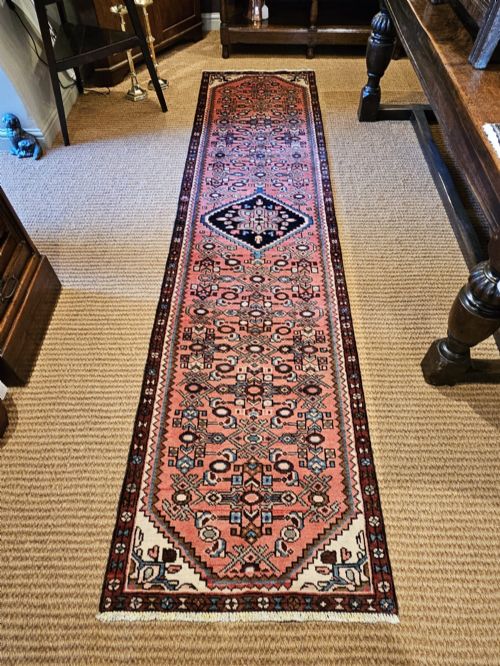
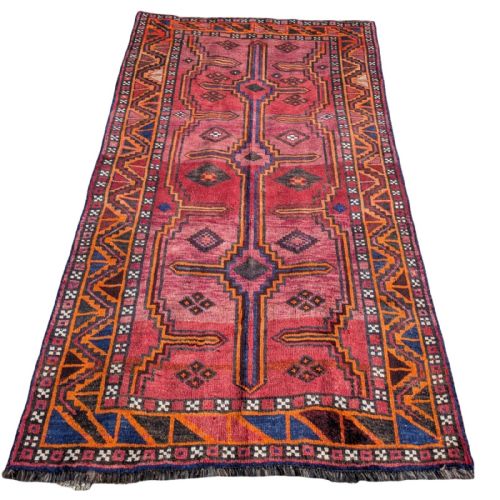
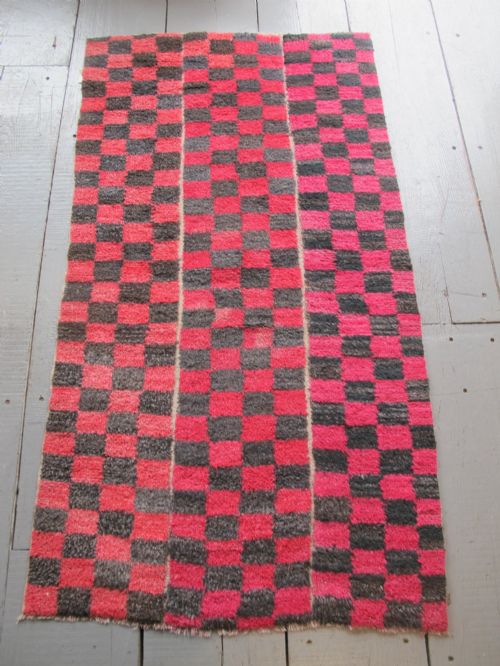
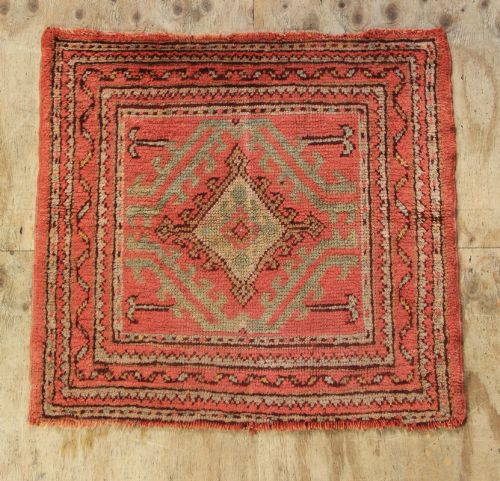
A pink tribal wool rug represents centuries of nomadic weaving traditions expressed through resilient floor coverings. These pieces originate from Persian, Anatolian, Caucasian, Afghan, and North African regions, encompassing village rugs, long runners, flatweaves, and meditation mats.
The materials and motifs reflect the daily lives and cultural symbolism of tribal groups such as the Qashqai, Kurdish, Luri, Afshar, and Berber peoples. Designs range from geometric medallions to folk art compositions created by village and nomadic weavers.
Buyers encountering this selection will find examples dating from the nineteenth century through the early decades of the twentieth century. These floor coverings bridge utility and heritage, offering practical durability alongside historic village character.
How they were made
Weavers constructed these rugs using animal fibres, predominantly hand-spun wool for the pile and foundation, often supplemented by cotton threads. Artisans sourced natural dyes to achieve varied colour palettes, resulting in soft patinas that develop gracefully over decades.
Production techniques involved both knotted pile construction and flatweave methods such as kilim and sofref weaving. Each piece took shape on portable or village looms, guided by traditional patterns passed down through generations.
Pink Tribal Wool Rug Retail Price Guide 2026
Typical asking prices for pink tribal wool rug among the pieces listed under this phrase on Sellingantiques today, from the lower quarter to the upper quarter. They describe what is for sale here now, not the wider market.
The listings span from the nineteenth century through the 1930s, featuring wool, cotton, and natural dyes across Persian, Anatolian, Caucasian, and Berber traditions.
What varies in quality
The standard of a weaving rests upon the integrity of the wool, the precision of the knotting or flatweave structure, and the stability of the foundation. Tighter construction and resilient fibre selection produce textiles designed to withstand generations of daily use.
Artistic execution and dye consistency also distinguish different examples. The depth of natural colour variation, the balance of tribal motifs, and the preservation of original edges and borders determine the visual presence of each rug.
The Pink Tribal Wool Rug Glossary
- Kilim
- A flatweave textile produced without a pile, traditionally utilised as a floor covering, wall hanging, or storage bag.
- Sofreh
- A woven spread or cloth used historically by nomadic tribes for handling bread or sharing meals.
- Runner
- A long, narrow carpet format designed specifically for hallways, staircases, or corridors.
- Medallion
- A central decorative motif placed in the field of a rug, often geometric or floral in conception.
Pink Tribal Wool Rug: Frequently Asked Questions
How do I clean a wool rug?
Regular gentle vacuuming without a beater bar removes surface dust and grit from the wool pile. Professional specialist cleaning remains essential for deep maintenance to preserve natural dyes.
Avoid soaking antique textiles or applying harsh chemical detergents. Prompt blotting manages accidental spills safely.
Are these rugs suitable for hallways?
Many examples are woven as runners specifically shaped for corridors and narrow spaces. Durable wool construction handles regular foot traffic effectively.
Utilising a quality underlay prevents slipping and cushions the foundation against hard flooring.
How do I date an old rug?
Structural analysis of the wool, dye types, and fringe wear offers initial chronological clues. Specific weave densities and regional motifs often align with particular decades or centuries.
Recorded dates, inscriptions, or specific tribal attribution help narrow the period of origin further.
Will natural dyes fade in sunlight?
Natural dyes derived from plants and minerals possess good stability but can mellow further under direct, continuous ultraviolet exposure. Rotating the rug periodically distributes light exposure evenly across the surface.
Placing the textile away from intense south-facing windows protects the varied pink and red wool tones.