




Pink Dress Portrait
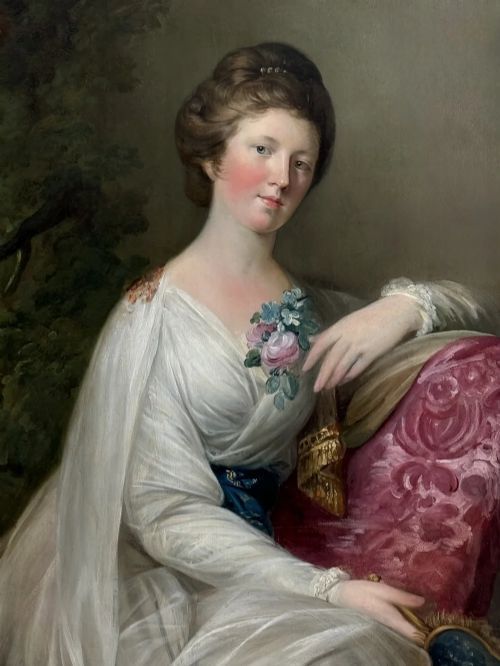
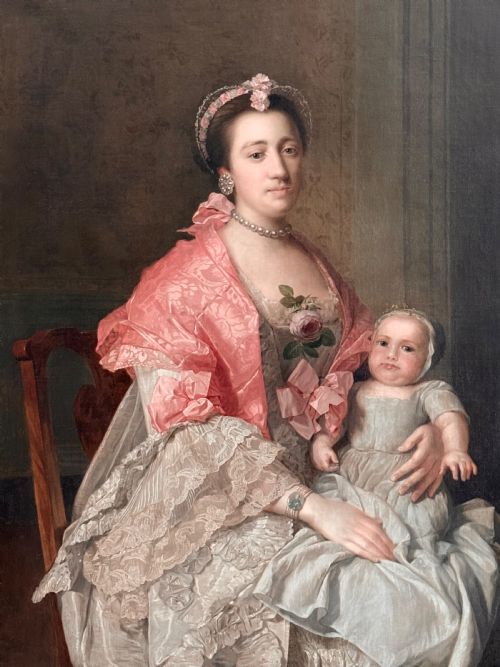
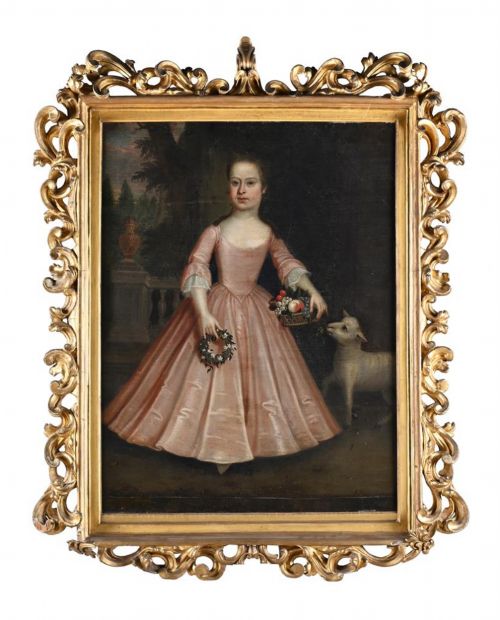
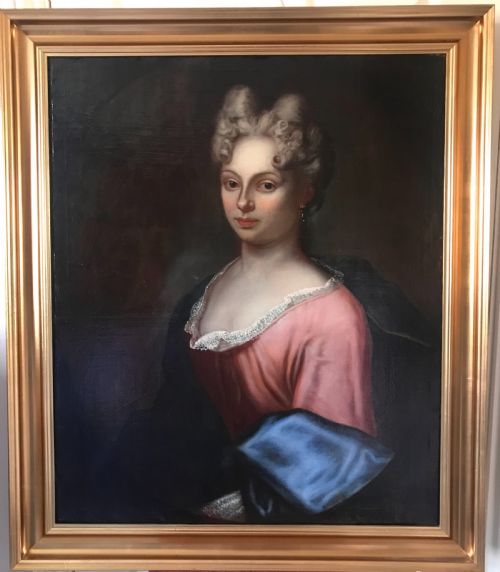
A pink dress portrait captures the enduring appeal of painted subjects captured in striking rose-toned attire across multiple centuries.
Pink Dress Portrait
A pink dress portrait brings together centuries of painted likenesses, focusing on subjects adorned in distinctive rose, coral, or blush garments. When searching for this phrase, buyers encounter works executed in oil on canvas and watercolour, presented in varied historical frames.
The selections span from the seventeenth century through the Georgian and Victorian eras up to the early twentieth century. Many examples depict named sitters from British, French, Scandinavian, and wider European traditions, ranging from formal aristocratic commissions to naive school depictions.
The dominant formats on this page are oil paintings and watercolours, capturing sitters ranging from young girls by the sea to elegant ladies with pearls and parasols. These artworks preserve historical costume and pigment choices from distinct artistic periods.
Materials and Technique
Artists relied primarily on oil paint applied to woven canvas surfaces, building rich layers of colour to depict the sheen of silk fabrics and the warmth of skin tones. Watercolour on paper was also utilised for finer, more immediate portrait studies.
Support structures typically involved stretched wood frames, often complemented by carved and gilded gold leaf surrounds that enhanced the visual presence of the artwork. Pigments were blended by hand to achieve the subtle hues characteristic of historical rose garments.
The listings on this site encompass works executed in oil on canvas, wood, gold leaf, and watercolour across multiple centuries.
Factors of Quality
The distinction between ordinary and exceptional works rests in the dexterity of the brushwork and the psychological depth captured in the sitter's expression. Masterful handling of light upon fabric distinguishes finer pieces from routine studio output.
Condition of the canvas surface, stability of the original oil or watercolour media, and the integrity of accompanying period frames influence the standing of each piece within its historical category.
George Willison·Sir Allan Ramsay·Paul Schier·George Knapton·Robert Byng·Alfred Seifert·Francis Alleyne·Nathaniel Hone·Harry John Pearson·Franz Xaver Winterhalter·Michael Dahl·John Theodore Heins·Henry Pickering·Sir Godfrey Kneller
The Pink Dress Portrait Glossary
- Oil on canvas
- A traditional painting medium where pigments suspended in drying oils are applied to a woven fabric support stretched across a wooden frame. This combination allows for rich colour blending and durable preservation over centuries.
- Watercolour painting
- A work executed with water-soluble pigments on paper, valued for its translucent quality and delicate application. Such pieces often provide intimate, immediate records of the sitter.
- Giltwood
- Wood carved and surfaced with a thin layer of gold leaf or gold paint, frequently used for traditional picture frames. It adds a reflective border that complements the tones within the portrait.
- English naive school
- A classification for paintings created outside formal academic traditions, characterised by a direct, unpretentious perspective and charming stylistic simplicity. These works offer a candid record of historical subjects.
- Circle of
- A designation indicating an artist who worked closely in the style and period of a master, often within the same workshop or under direct influence. This term denotes proximity to a recognised hand without direct attribution.
Pink Dress Portrait: Frequently Asked Questions
What periods do these portraits cover?
The available artworks span from the seventeenth century through the Georgian, Victorian, and Edwardian eras up to the early twentieth century. Each period brings distinct clothing styles and painting techniques.
Buyers will find examples ranging from late seventeenth-century depictions to 1920s modernist interpretations, reflecting changing artistic conventions across hundreds of years.
How should I display a canvas painting?
Canvas paintings require stable environmental conditions away from direct sunlight and excessive humidity to protect the oil pigments and wooden stretchers. Proper hanging ensures the structural integrity of the piece.
Many works come housed in period giltwood frames that enhance the visual impact and provide appropriate historical context for display on interior walls.
Are all the sitters identified?
Some portraits record the actual names of historical individuals, such as Henrietta Fordyce or Elizabeth Curteis, alongside biographical dates. Other pieces depict anonymous subjects whose identities remain lost to time.
Both named sitters and unknown subjects offer a direct window into the fashion, portraiture conventions, and society of their respective centuries.
What is the difference between oil and watercolour portraits?
Oil paintings utilise viscous pigments on canvas, allowing for deep colour saturation, heavy layering, and durable longevity. Watercolours employ translucent pigments on paper for a lighter, more intimate effect.
Both mediums were utilised across different periods to capture sitters in rose attire, each offering a distinct aesthetic texture.