

British Country Scene
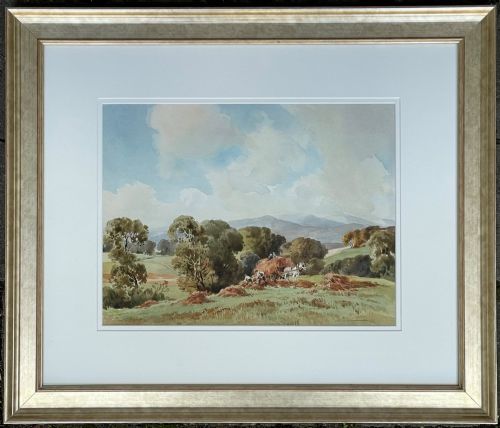
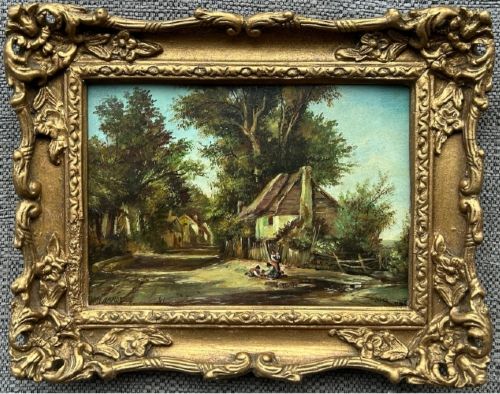
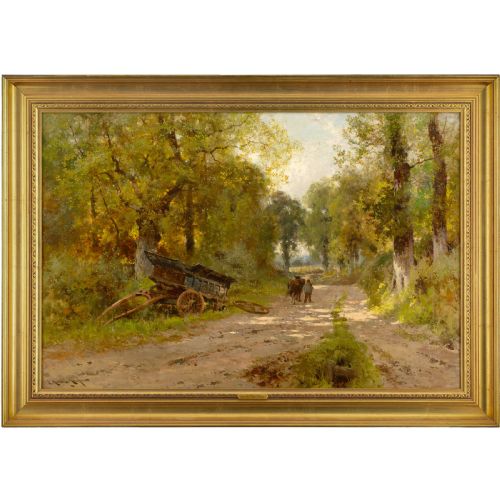
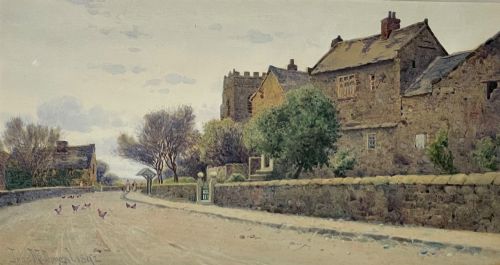
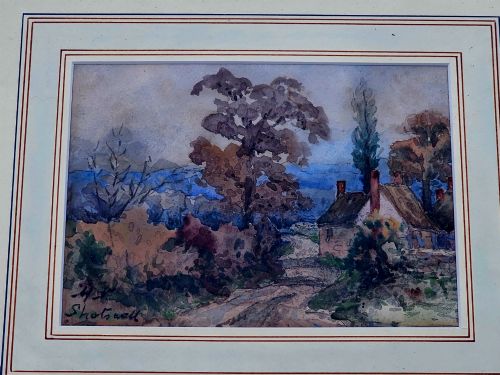
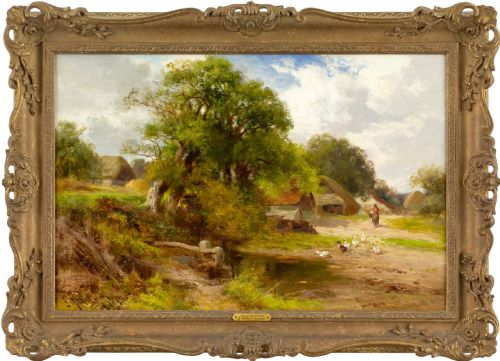
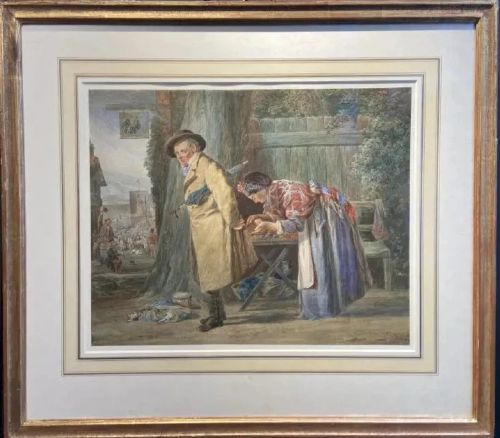
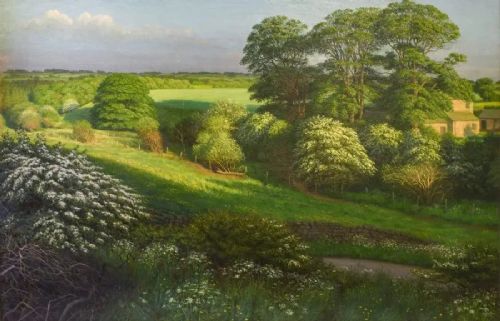
These works capture a British country scene through traditional painting and watercolour, offering a glimpse into historic rural life.
British Country Scene
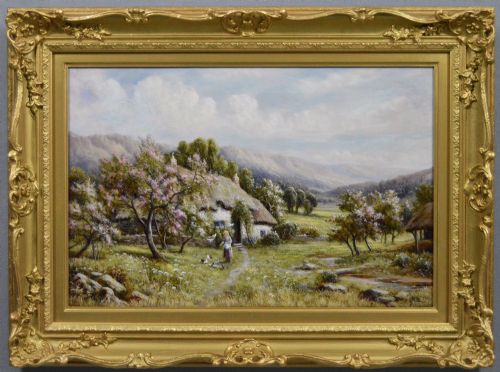
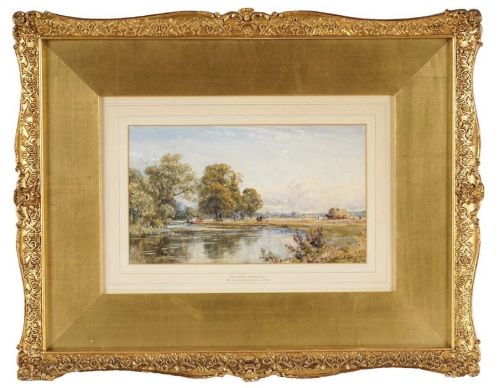
A British country scene encompasses oil paintings, watercolours, and etchings depicting rural landscapes, agricultural life, and country houses. These works frequently record figures by cottages, rivers, and farmland across various British counties.
The pieces appearing here span from the nineteenth century through the Edwardian era into the mid-twentieth century. Victorian pastoral and British Impressionist styles dominate the selection available to collectors.
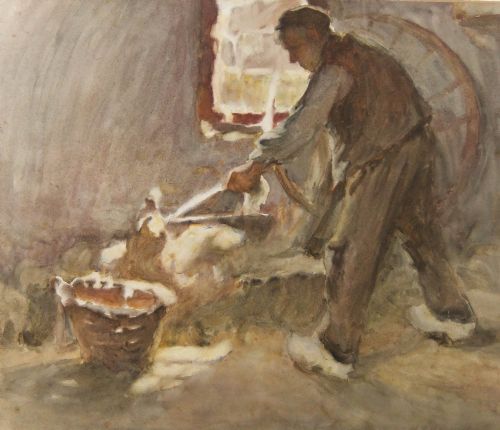
Watercolours on paper and oil paintings on canvas or wooden panels represent the most common formats. Viewers frequently encounter framed artworks highlighting agricultural labour, livestock, and local waterways.
Materials and methods
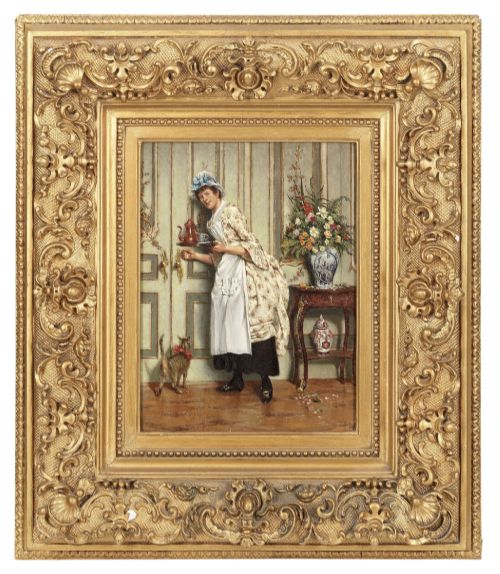
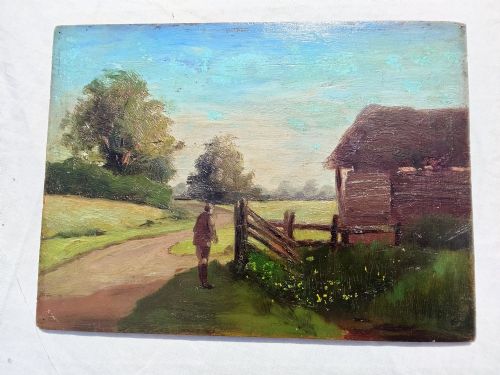
Artists relied primarily on oil paint on canvas, wood panels, or board, alongside watercolour and gouache on paper. Giltwood frames frequently house these works, preserving the painted surfaces over generations.
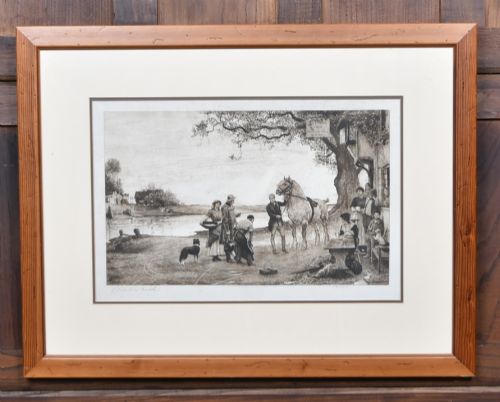
Pigments were applied using traditional brushwork techniques ranging from precise Victorian realism to looser British Impressionist strokes. Etchings on paper demonstrate alternative printmaking methods utilised during the nineteenth century.
The listings span from nineteenth-century Victorian works through the Edwardian period to mid-century examples executed in oil, watercolour, and pastel.
Evaluating the works
The distinction between standard works and exceptional examples rests upon the artist's handling of light, atmosphere, and composition. Pieces by recognised named painters working within the English School generally demonstrate superior draughtsmanship and tonal balance.
The condition of the original canvas, panel, or paper surface alongside period framing influences the overall integrity of the piece. Works retaining their original signed status and documented exhibition histories carry greater weight.
Percy Lancaster·William Howard Hardy·John Horace Hooper·John McDougal·Stephen Samuel Lewin·Henry Silkstone Hopwood·Robert John Hammond·Robert W. Macbeth·Robert Thorne Waite·Joseph H Barnes·Raymond Booth·Frederick James Kerr·Edgar Hunt·Herbert Royle·Henry H Parker·Joseph Knight·Sydney Yates Johnson·Hubert Wellington·John Arthur Lomax·Ernest Higgins Rigg·John Bell·Henry John Kinnaird·Arthur Hopkins·Henry John Yeend King·Ernest Pile Bucknall
The British Country Scene Glossary
- Watercolour
- A painting method where fine pigment is suspended in a water-based, translucent solution applied to paper. This technique often yields soft atmospheric effects in landscape studies.
- Oil on Canvas
- Pigment mixed with drying oil applied to a stretched woven fabric support. This medium allowed artists to build rich textures and deep colour layers.
- Giltwood
- Wood carved and coated with a thin layer of gold leaf or metallic gold paint. It frequently forms the decorative surface of period picture frames.
- Etching
- A printmaking process where acid is applied to bite into unprotected parts of a metal plate to hold the ink. This technique produces fine, detailed linear imagery on paper.
- Tondo
- A Renaissance term describing a circular work of art, whether a painting or a relief. These round formats appear occasionally in nineteenth-century British landscape compositions.
British Country Scene: Frequently Asked Questions
What subjects appear in these scenes?
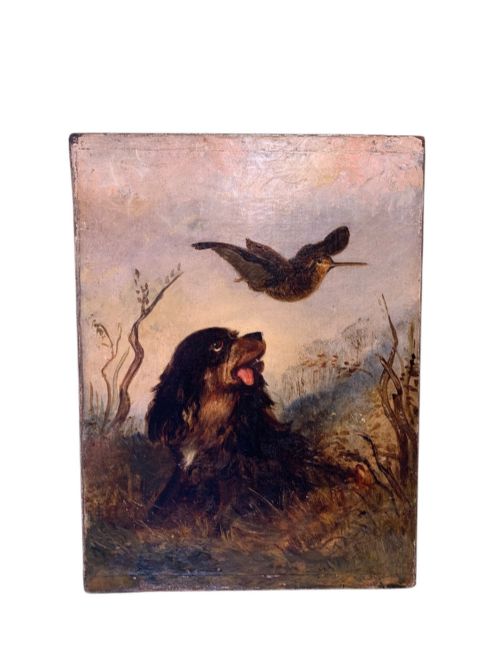
These works display rural landscapes, agricultural laborers, cottages, livestock, and hunting parties across various regions of Britain.
Artists frequently recorded local rivers, village paths, and coastal farmland during the nineteenth and early twentieth centuries.
How do I identify the period of a painting?
Stylistic markers, framing types, and the artist's recorded working dates help establish the era of creation. Victorian pieces often favor detailed realism, while Edwardian examples lean toward impressionistic brushwork.
Signatures, inscriptions on the reverse, and artist exhibition records provide further chronological certainty.
Are these paintings original works?
The selection consists primarily of original hand-painted oils on canvas, wood panels, and unique watercolours on paper. Etchings represent original printmaking techniques from the period rather than modern reproductions.
Each piece reflects the direct hand of the artist working in the studio or field.
How should I care for these framed artworks?
Keep paintings and watercolours away from direct sunlight and damp environments to protect the pigments and paper supports. Maintaining stable indoor temperatures prevents warping in wooden panels and giltwood frames.
Dust gilt frames gently with a dry cloth and avoid liquid cleaners on painted surfaces.