
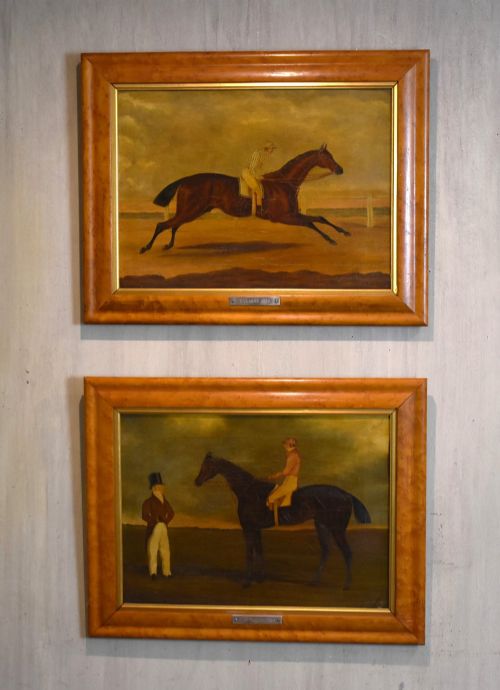

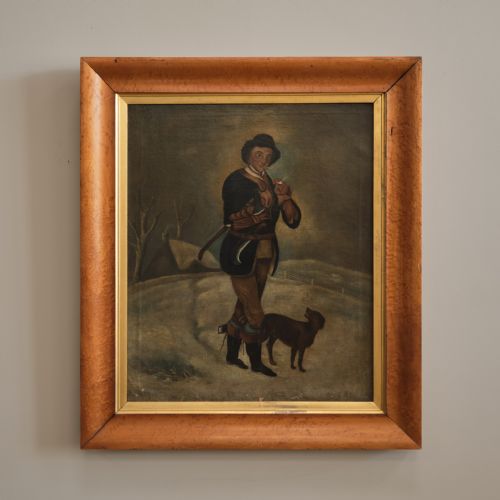


Maple Framed Painting
A maple framed painting brings warmth to a wall through the distinctive pale, birdseye figure of its wooden border.
Maple Framed Painting
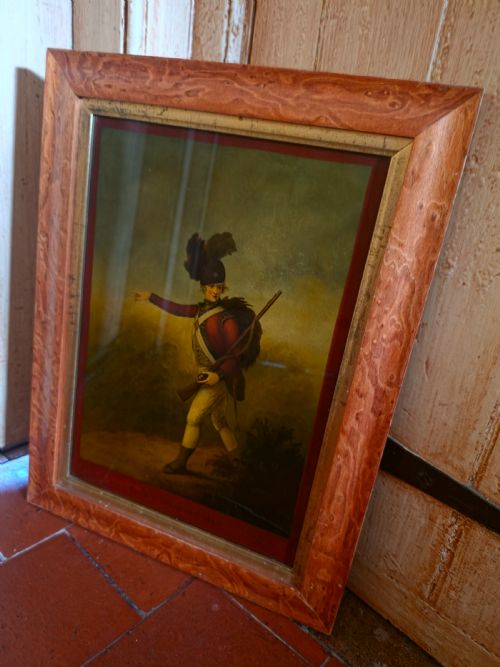
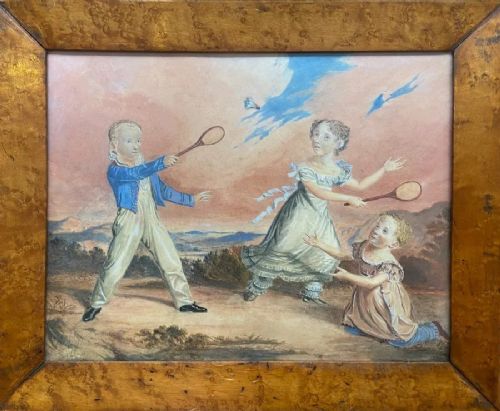
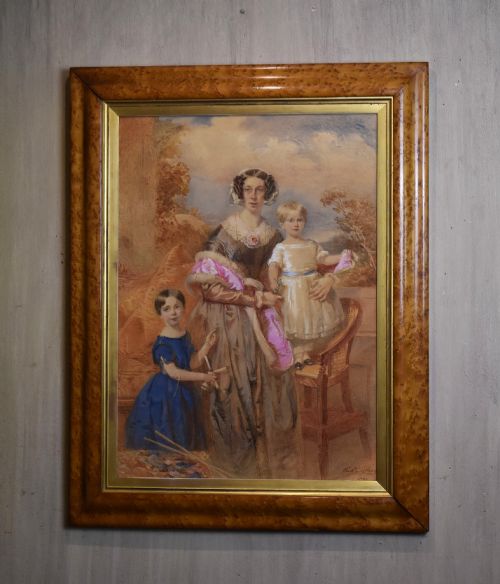
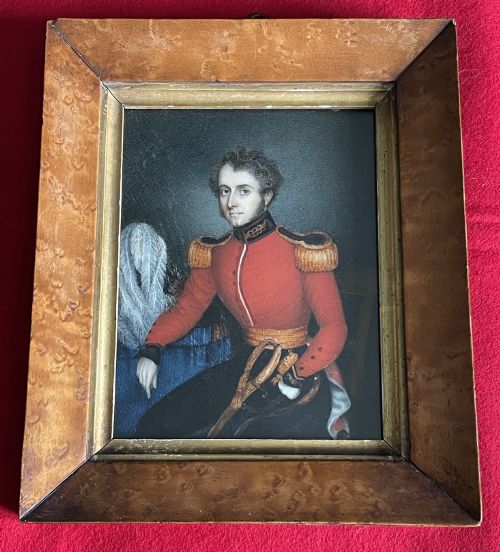
A maple framed painting combines nineteenth-century artistry with distinctive timber surrounds, encompassing watercolours, oils and silhouettes. Buyers seeking a maple framed painting encounter works spanning the Georgian, Regency and Victorian periods, often featuring botanical studies, domestic scenes and portraiture.
The selection ranges from naive oils on canvas to delicate portrait miniatures and botanical watercolours. Most pieces originate from the nineteenth century, displaying the characteristic warm, honeyed tones of maple wood housings.
Materials and construction
Makers utilised timber, paper, glass and canvas, pairing oil and watercolour mediums with distinctive wooden mouldings. Burr maple and maple veneer provided a decorative, figured grain that complemented the delicate nature of the enclosed artworks.
Frames were constructed from solid wood or faced with veneer, protecting paper watercolours, oils on canvas and reverse glass pictures. Glazing preserved delicate watercolours and silhouettes from environmental damage while allowing clear visibility.
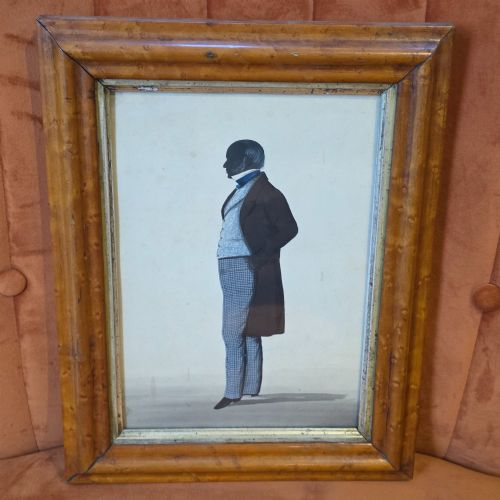
Several Victorian subjects gaze past the viewer with intense solemnity, seemingly judging your choice of wall space.
Factors of quality
Quality rests in the depth of the timber's figure and the preservation of the original framing. Burr maple with active grain patterns and intact surface finishes elevates a piece above simpler mouldings.
The execution of the artwork itself dictates the standard, distinguishing accomplished academic works from naive or folk art expressions. Original housings that retain their early glass and backing papers command greater attention from collectors.
Vincent Clare·Frederick Tatham·John Frederick Herring Snr·Robert Faulkner·John Ferneley Jnr
The Maple Framed Painting Glossary
- Maple
- A dense hardwood known for its pale colour and distinctive grain patterns, frequently utilised for decorative picture frames in the nineteenth century.
- Watercolour
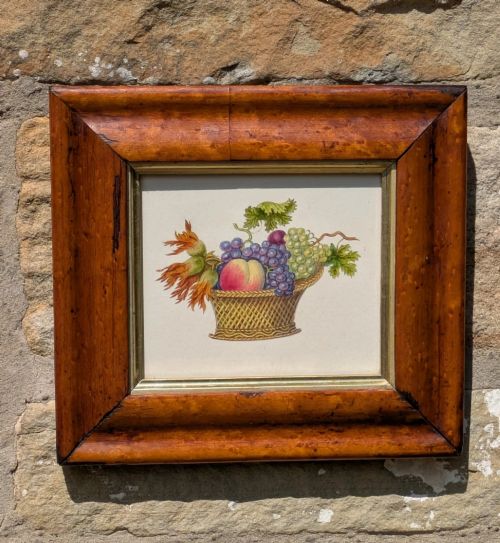
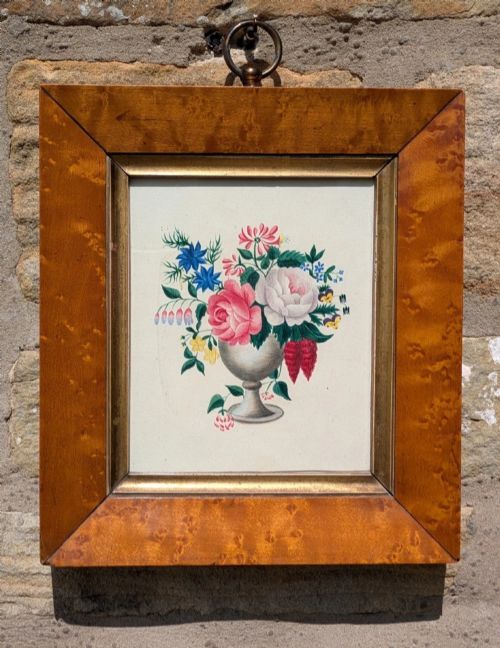
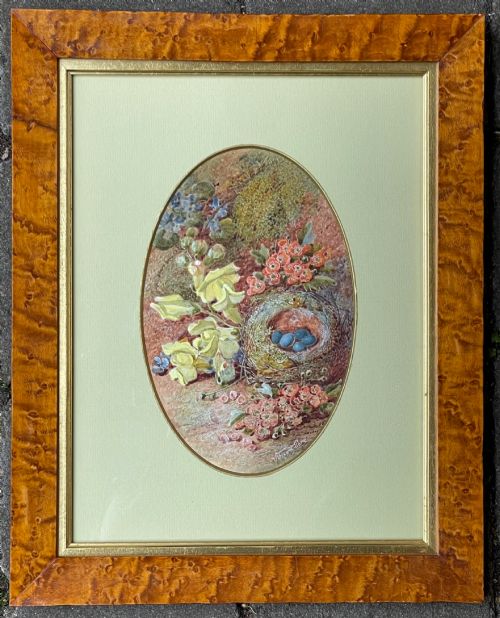
- A painting method where fine pigment is suspended in a water-soluble binder, widely employed for portraits and botanical studies on paper.
- Reverse glass painting
- An intricate technique involving the application of pigment directly to the rear of a glass sheet so the image is viewed through the front.
- Silhouette
- A filled profile portrait, often cut from black paper or painted on card, popular during the Georgian and Regency eras.
Maple Framed Painting: Frequently Asked Questions
How do I date a maple frame?
Dating relies upon the profile of the moulding, the construction methods used at the corners, and the type of glass fitted in the rebate. Earlier nineteenth-century examples often display wider, simpler ogee profiles compared to later Victorian variations.
Backboards, fixings and old paper labels also assist in establishing an accurate period for the piece.
Are maple framed watercolours delicate?
Works on paper require careful placement away from direct sunlight to prevent the fading of watercolour pigments. The paper itself reacts to high humidity and temperature fluctuations if not properly sealed.
Original glass helps protect the surface, but positioning the artwork in a stable environment remains essential for preservation.
What is burr maple?
Burr maple comes from a tree growth that produces complex, swirling grain patterns rather than straight lines. Framers utilised this highly decorative wood for premium pieces where visual impact was paramount.
The natural figure creates a rich texture that complements traditional portraits and landscapes.
How should I hang these paintings?
Secure hanging requires strong picture wire attached to sturdy original rings on the wooden frame stiles. Avoid damp walls, such as exterior brickwork, which can affect both the timber frame and the artwork within.
Balanced interior lighting highlights the natural figure of the maple without generating excessive heat.