






British Folk Art Portrait
A british folk art portrait captures individual character with direct honesty, offering an unvarnished window into past lives that elevates any interior.
British Folk Art Portrait
A british folk art portrait brings together naive depictions of gentlemen, children, and domestic scenes executed outside academic traditions. These works span the eighteenth, nineteenth, and early twentieth centuries, capturing subjects with a charming directness.
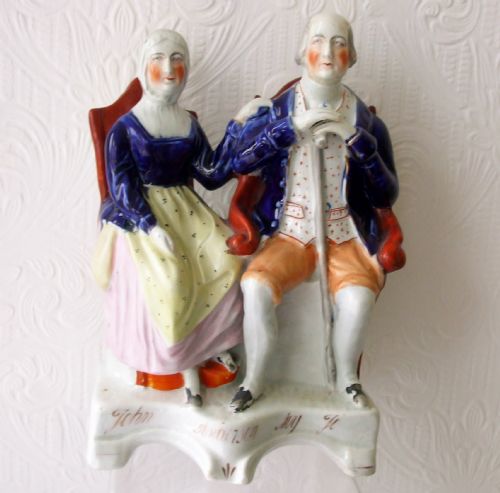
Most examples encountered here are oil paintings on canvas or panel, alongside watercolours and earthenware figures. Makers range from provincial painters to anonymous hands working within the English naive school.
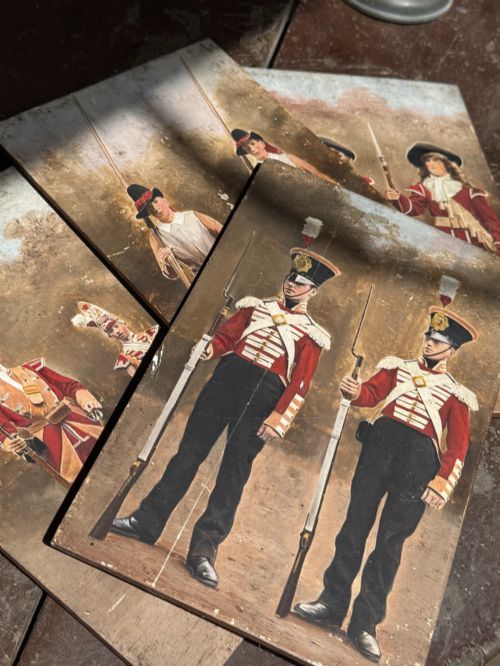
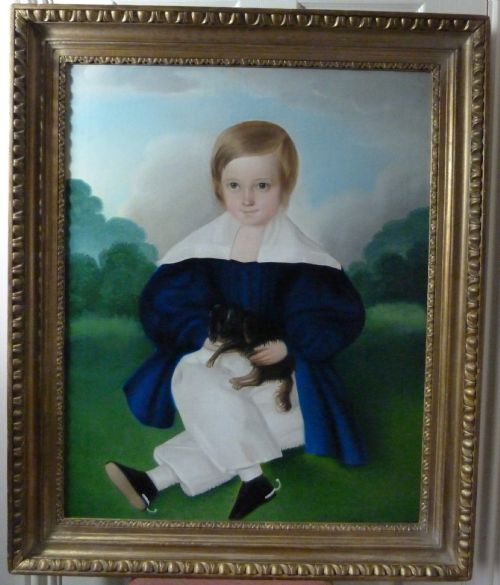
Subjects include young boys with pets, aristocratic gentlemen, and framed artwork depicting soldiers or racing pigeons. Each piece reflects the vernacular visual culture of its specific period.
How they were made
Painters applied oil and watercolour onto canvas, wooden panels, and paper substrates using straightforward techniques. Brushwork tends to be unpretentious, prioritising bold presence over academic proportion.
Pottery figures utilise earthenware bodies finished with glaze, sometimes incorporating gilt and gold leaf highlights. Wooden panels provide sturdy surfaces for rural and provincial compositions.
British Folk Art Portrait Retail Price Guide 2026
Typical asking prices for british folk art portrait among the pieces listed under this phrase on Sellingantiques today, from the lower quarter to the upper quarter. They describe what is for sale here now, not the wider market.
Racing pigeons and domestic pets share canvas space with solemn Victorian children, proving our ancestors loved their animals just as much.
What varies in quality
Visual strength in a british folk art portrait relies on the confidence of the line and the intensity of the subject's gaze. Stronger examples command attention through expressive immediacy rather than technical precision.
The choice of medium and surface preservation dictates the visual impact of the piece. Surviving frames, original canvas supports, and stable paint layers contribute to the integrity of the work.
J Brown·E H Windred·Holley Bros
The British Folk Art Portrait Glossary
- Naive art
- Artistic work produced by a person without formal training, often characterised by a childlike simplicity in perspective and proportion.
- Provincial school
- A regional group of artists working outside metropolitan artistic centres, developing distinctive local styles.
- Oil on panel
- A painting executed on a flat wooden board rather than stretched canvas, common in earlier periods.
- Earthenware
- Porous pottery fired at a relatively low temperature, typically glazed to hold liquids or provide a smooth decorative surface.
British Folk Art Portrait: Frequently Asked Questions
What is a british folk art portrait?
These works are provincial paintings and figures created by non-academic artists across the eighteenth, nineteenth, and early twentieth centuries.
They depict individuals, children, and animals with a direct honesty that distinguishes them from formal academic portraiture.
How do I date a primitive painting?
Dating relies on the materials used, such as canvas types, wooden panels, and the framing style associated with specific centuries.
Subject clothing, hair styles, and the written records left by dealers or makers also help narrow the period.
Where should I hang naive art?
These portraits work well in domestic spaces where their strong graphic qualities can anchor a room's decor.
Pairing them with period furniture or modern interiors creates a striking contrast that highlights their character.
Are all naive paintings by unknown artists?
Many surviving works are unsigned and attributed simply to provincial schools or anonymous regional painters.
However, some pieces bear signatures or attributions to specific nineteenth-century figures and local makers.