

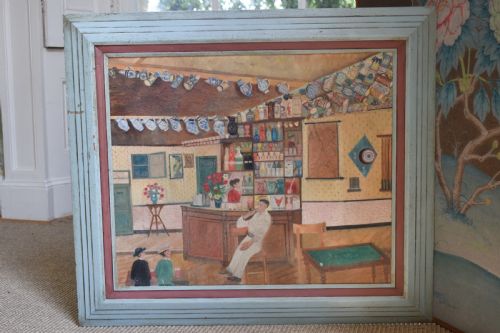
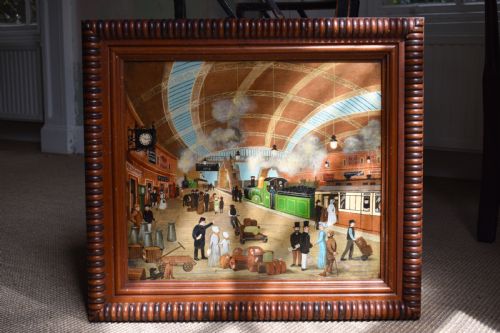
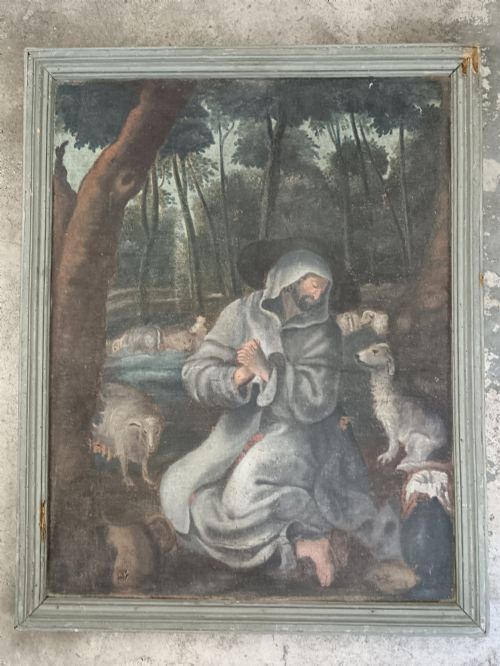
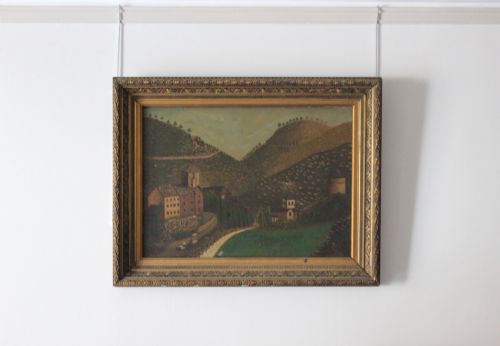

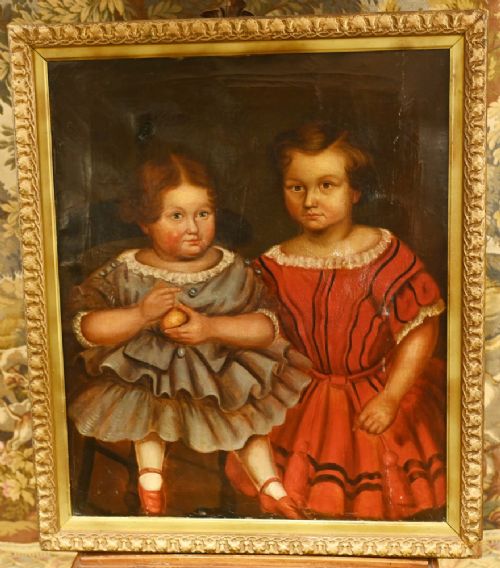


Framed Naive Oil Painting
A framed naive oil painting brings authentic domestic charm and untutored artistic vision straight to a wall.
Framed Naive Oil Painting
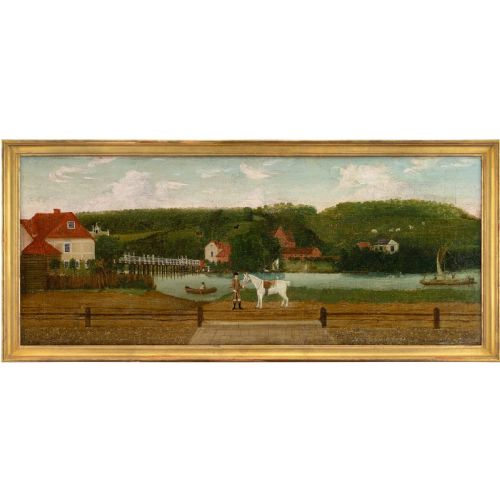
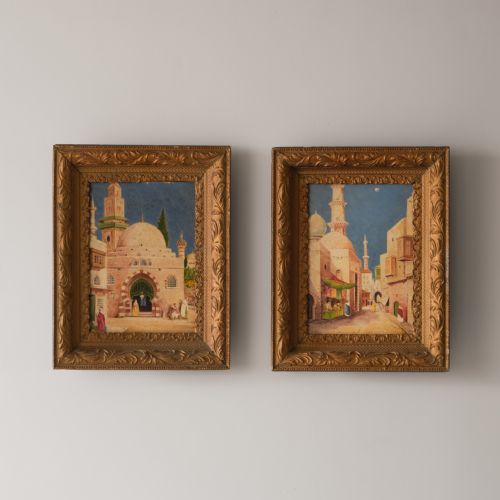
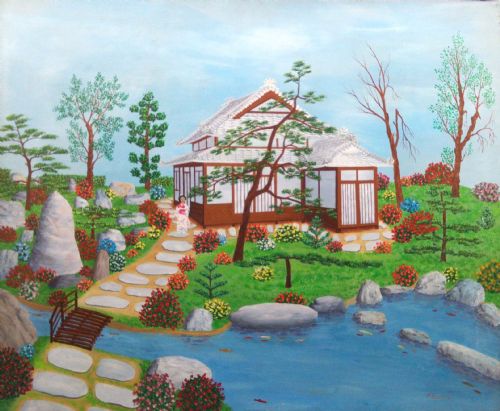
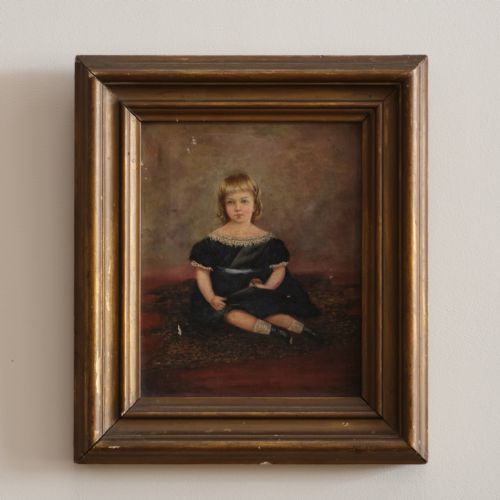
A framed naive oil painting represents the unacademic, vernacular tradition of picture-making created by provincial or self-taught artists. These works span the eighteenth, nineteenth, and mid-twentieth centuries, capturing subjects ranging from rural landscapes and townscapes to intimate domestic portraits.
The selections encountered here frequently include nineteenth-century English and European school portraits, alongside topographical views and animal studies. Each piece relies on direct perspective and honest observation rather than formal academic proportion.
Framed securely in period timber, often with original gilt wood or simple painted mouldings, these works retain their historical context. They offer a window into domestic spaces and regional life from past centuries.
Materials and construction
The physical build of these pieces relies on oil paint applied to woven canvas, wooden panels, or occasionally board and tinplate. Painters utilised readily available domestic materials, sometimes working over earlier compositions visible as pentimenti.
Frames are constructed from wood, incorporating gilt leaf or simple mouldings that complement the unpretentious nature of the canvas within. These housings often show the honest wear of long tenure in domestic interiors.
Racing pigeons and household pets share wall space with Regency gentlemen and quiet European townscapes.
Distinctions in quality
Quality rests upon the strength of the composition and the confidence of the brushwork, where even untutored hands achieve remarkable character and directness. The psychological engagement of a portrait or the atmospheric depth of a landscape separates standard provincial records from compelling works of folk art.
The integrity of the original surface, including untouched paint layers and period framing, holds significant weight. Works that retain their uncleaned patination and historic mounts preserve the distinct voice of the maker.
J Brown·E H Windred·Gertrude Halsband·Fred Yates·John Vine of Colchester
The Framed Naive Oil Painting Glossary
- Naive Art
- Painting produced by a self-taught artist working outside formal academic traditions. Perspective and proportion are handled intuitively rather than geometrically.
- Pentimento
- An alteration in a painting, evidenced by previous strokes or shapes showing through the upper layers of paint. This reveals the artist changing their mind during the creative process.
- Gilt Wood
- Timber carved or moulded and coated with a thin layer of gold leaf or metallic powder. It provides a reflective border common in period framing.
- Folk Art
- Artistic work created within a community culture, reflecting traditional motifs and domestic uses rather than high art ambitions.
- Provincial School
- Art produced in regional areas away from metropolitan centres, carrying distinct local characteristics and materials.
Framed Naive Oil Painting: Frequently Asked Questions
What defines a naive oil painting?
A naive oil painting is created by an artist without formal academic training, resulting in work that prioritises direct expression over strict rules of perspective and anatomical accuracy.
These pieces often display a charming flatness and an honest approach to colour and subject matter, capturing everyday life and portraiture with immediate sincerity.
How do I date an antique naive painting?
Dating relies on examining the support materials such as hand-woven canvas, wood panels, or nineteenth-century board, alongside the construction of the frame.
Clothing styles in portraits and the pigments used also offer clear chronological clues that anchor the work to a specific century or decade.
Where should I hang a framed folk art piece?
These works suit traditional and contemporary interiors alike, bringing warmth and character to neutral walls or studies.
Keeping them away from direct sunlight and excessive moisture ensures the oil paint and wooden frames remain stable for years to come.
Are these paintings cleaned or restored?
Many examples survive in untouched condition with their original patination and period frames intact.
Minor stabilization occurs over time, but the primary aim remains the preservation of the artist's original surface and historical context.