
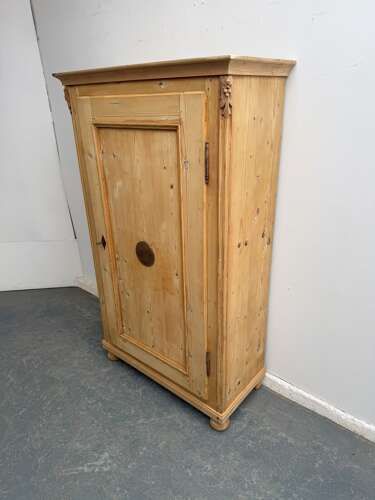
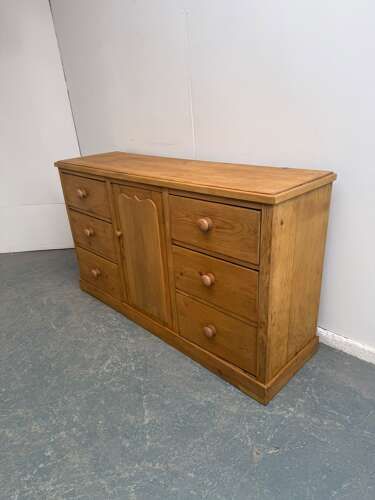
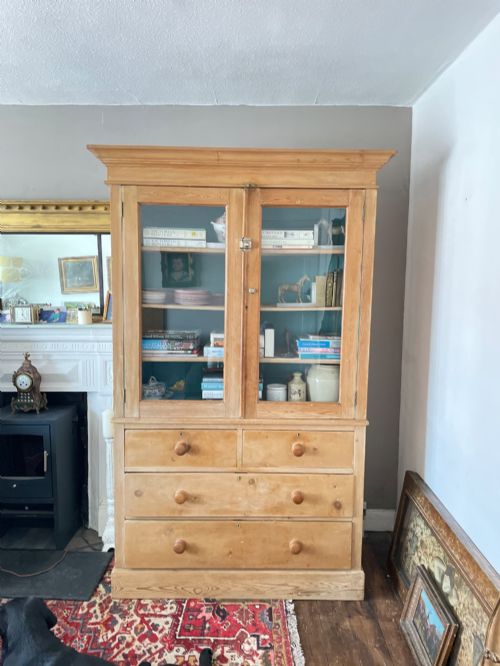
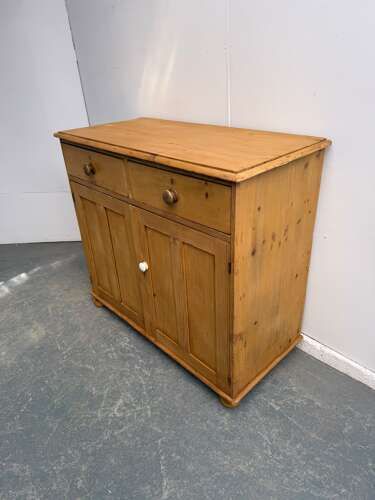
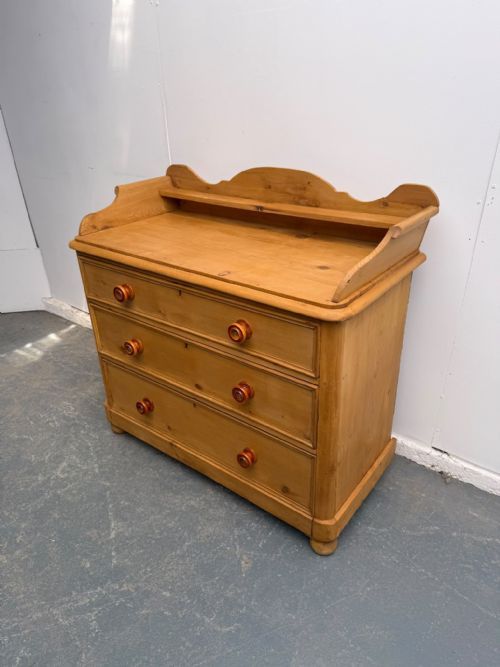
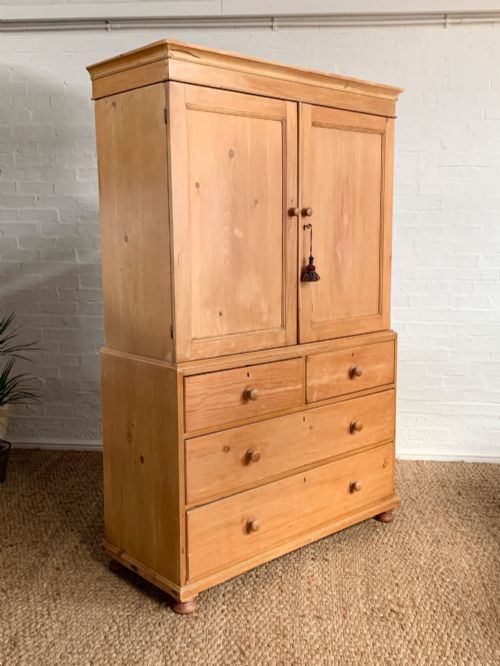
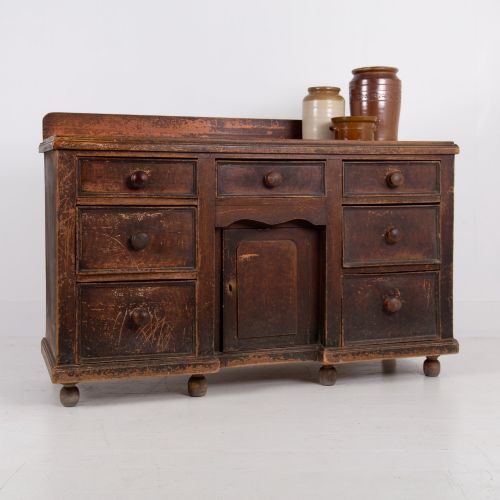
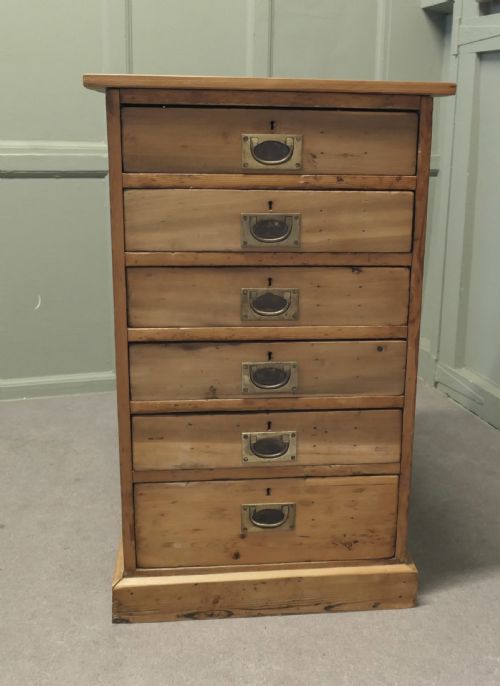
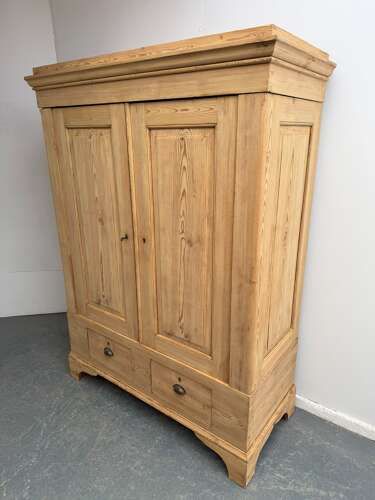
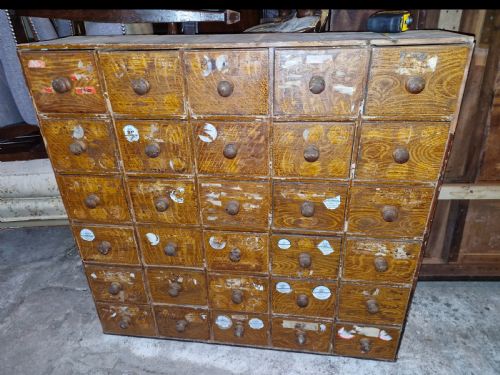

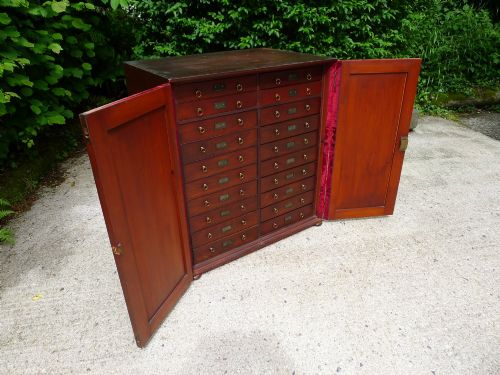
Pine Storage Drawers Cabinet
A pine storage drawers cabinet brings practical utility and honest warmth into a room, offering robust storage built to last.
Pine Storage Drawers Cabinet
A pine storage drawers cabinet encompasses a varied group of functional furniture designed to hold belongings securely in domestic and working spaces. When exploring this selection, buyers frequently encounter pieces originating from the Georgian, Victorian, and early twentieth-century periods.
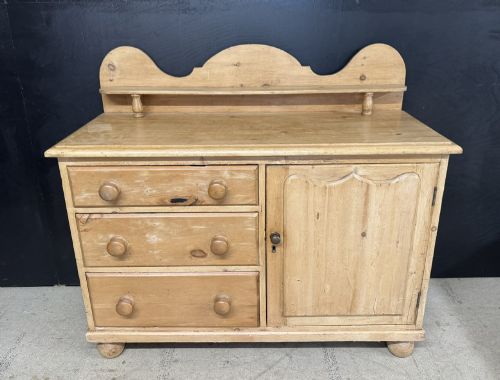
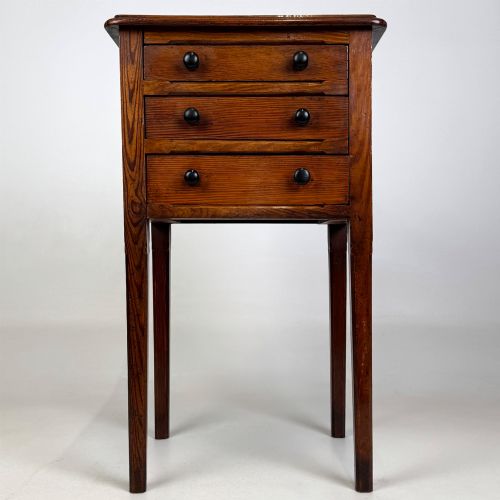
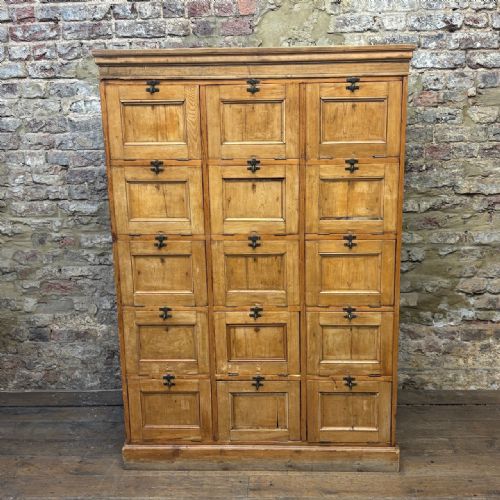
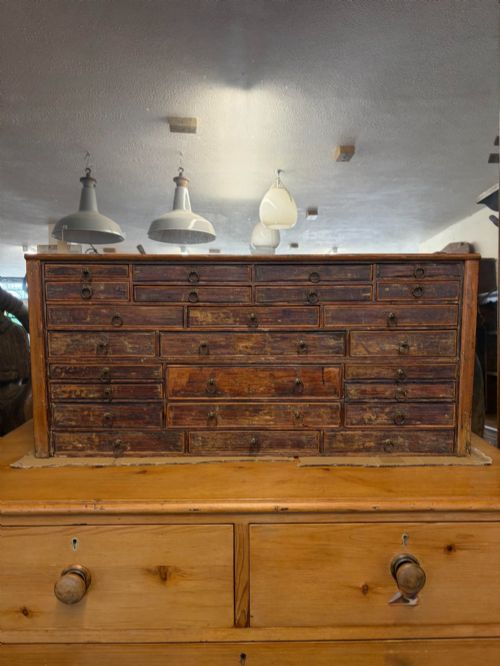
The forms span banks of shallow drawers, kitchen dresser bases, tall collectors cabinets, and multi-drawer lockers originally utilised in shops or offices. These items reflect traditional English, Welsh, and European country workshop traditions, alongside industrial utility designs.
Most examples rely on sturdy timber construction, often finished with a waxed surface, original paint, or stained polish. Buyers select these cabinets to introduce functional storage with period character into contemporary interiors.
Materials and construction
Makers built these cabinets primarily using solid pine, pitch pine, anddeal, often pairing the timber with iron or brass handles, hinges, and drawer pulls. Some pieces incorporate ceramic elements or survive in their original painted finishes, ranging from green and white to unpainted waxed surfaces.
Construction techniques prioritise utility and durability, visible in dovetailed drawer joints, panelled doors, and substantial framework designed to withstand heavy daily use. Workshops shaped these storage units by hand or with early industrial machinery, depending on whether the piece served a domestic kitchen, a shop interior, or an artist studio.
Some multi-drawer cabinets retain faint traces of old shop inventory labels tucked inside the drawer runners, recording forgotten trinkets.
Factors that distinguish individual examples
Quality in a pine storage drawers cabinet rests on the integrity of the original timber and the retention of authentic surface treatments, such as early paint or a deep waxed patina. Pieces that retain their original hardware, including period brass handles and working locks, demonstrate higher integrity.
Proportional balance and structural soundness differentiate standard utility furniture from finer workshops or bespoke shop fittings. The tightness of the joinery and the smooth operation of numerous drawers indicate the care taken during initial construction.
Luxmore's of Ilfracombe·D Napier and Sons
The Pine Storage Drawers Cabinet Glossary
- Pitch pine
- A dense, resinous variety of pine known for its prominent grain pattern and exceptional durability. Makers frequently selected this timber for heavy-use cabinets and lockers.
- Dresser base
- The lower section of a traditional kitchen dresser, typically featuring a combination of cupboards and drawers beneath a flat top. These units functioned as standalone sideboards.
- Wellington chest
- A tall, narrow chest of drawers secured by a hinged locking side flap that fastens with a key. This design protected sensitive documents or small specimens.
- Haberdashers drawers
- Multi-drawer units originally designed for retail shops to sort small textiles, ribbons, or buttons. Collectors prize these for their numerous shallow compartments.
- Deal
- A general historical term for softwood timber cut from fir or pine. It served as a primary material for utilitarian furniture.
Pine Storage Drawers Cabinet: Frequently Asked Questions
How were multi-drawer pine cabinets originally used?
These cabinets served in shops, offices, and studios to organise specific goods, documents, or artist materials efficiently. Haberdashers and merchants relied on them to keep small inventory items accessible behind counter spaces.
Domestic users also utilised similar drawer arrangements in kitchens and bedrooms for household storage. Their modular utility made them adaptable to various trades over time.
What is the difference between pitch pine and standard pine?
Pitch pine contains a higher resin content, which gives the wood a heavier weight, greater strength, and a distinct reddish-brown grain. Standard pine offers a lighter, softer alternative commonly used in domestic furniture.
Both timbers responded well to waxing or painting, but pitch pine frequently survived industrial environments better due to its natural toughness.
How do I care for a waxed pine surface?
Maintain a waxed pine cabinet by dusting it regularly with a soft, dry cloth to prevent dirt build-up. Apply a nourishing beeswax periodically to preserve the moisture and sheen of the timber.
Avoid placing these pieces near direct heat sources or strong sunlight, which can dry out the old wood and cause the finish to fade.
Can I paint a stripped pine cabinet?
Many historical pine cabinets were originally painted, and applying a modern or traditional paint finish follows established precedent. Preparation involves cleaning the surface and applying a suitable primer if the wood was previously waxed.
Leaving the timber exposed allows the grain and natural patina to remain visible for those preferring a simpler aesthetic.