
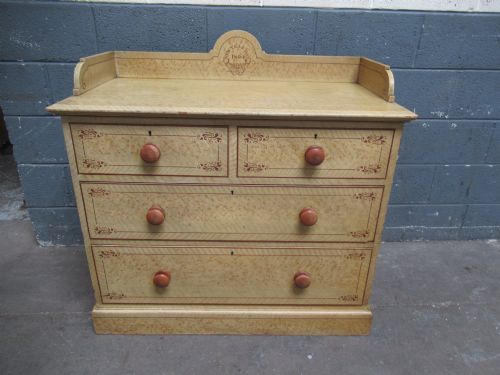
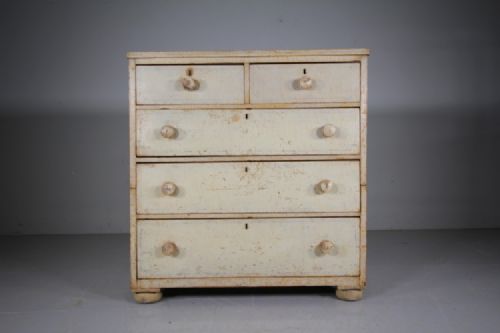
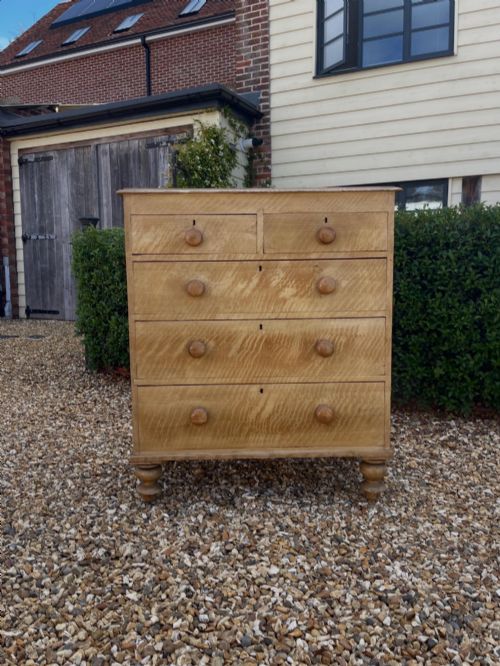
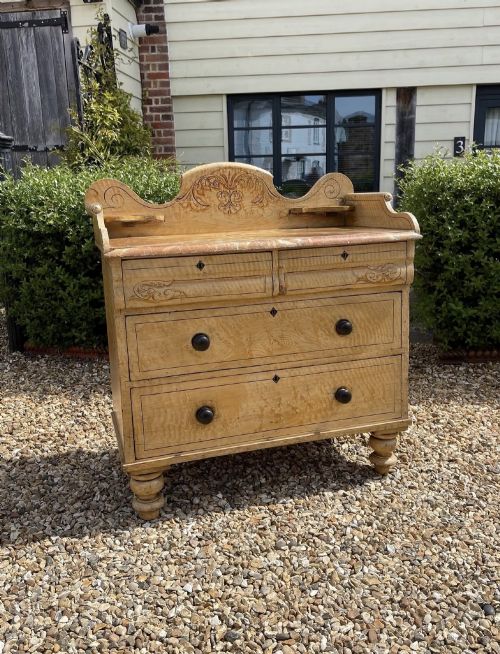
Original Paint Pine Chest
An original paint pine chest brings tactile surface history and domestic utility into a room, spanning periods from the eighteenth century to the early twentieth.
Original Paint Pine Chest
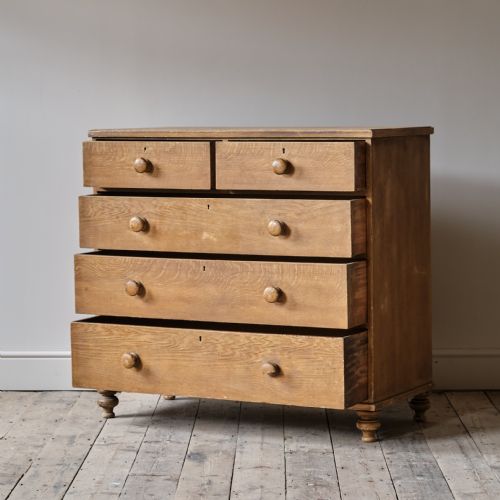
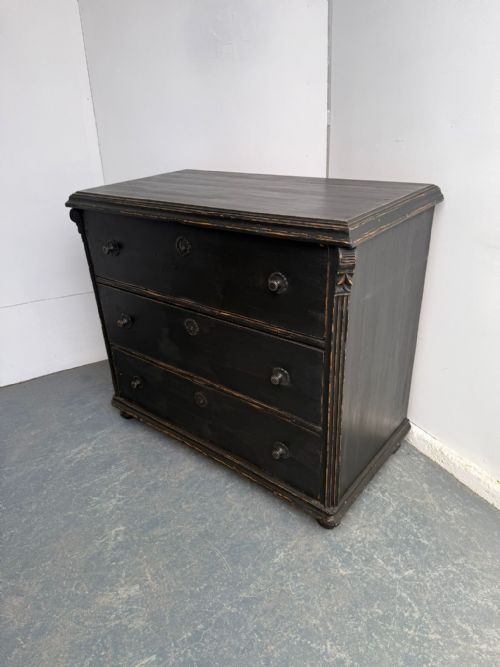
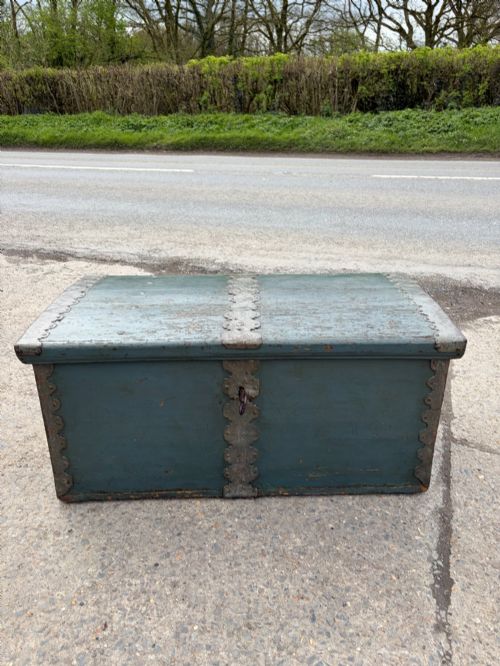
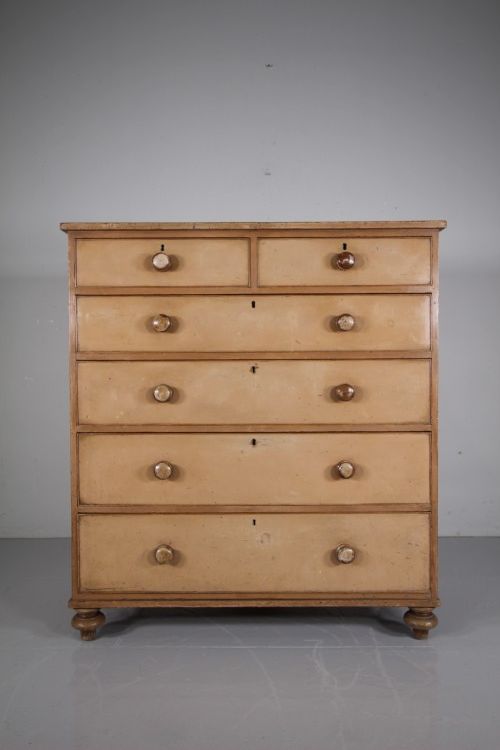
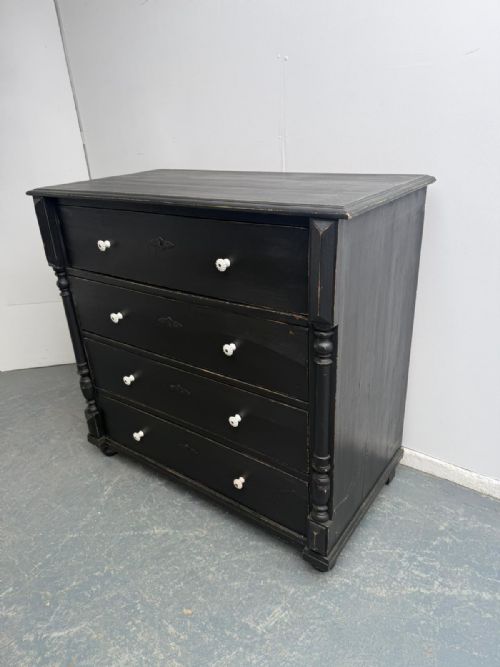
When searching for an original paint pine chest, buyers encounter utilitarian storage furniture carrying surviving historic decorative finishes rather than stripped bare wood. The selection here centres heavily on nineteenth-century Victorian and Regency examples, alongside Georgian country pieces, domed coffers, and blanket boxes.
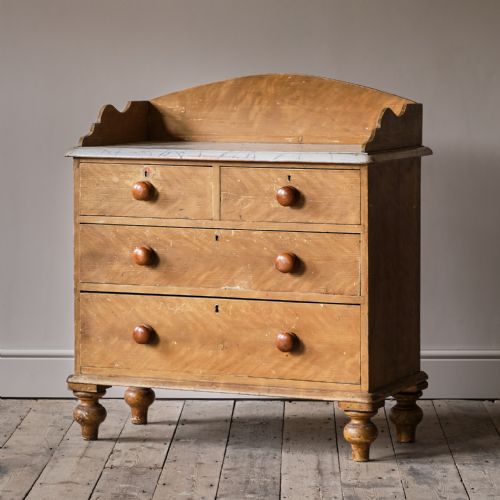
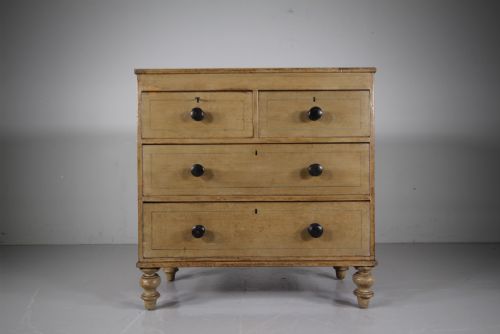
Forms range widely from standard two-over-three drawer configurations and washstand chests to larger Scottish chests and smaller Welsh coffers. Many pieces hail from English country workshops, while others reflect European folk art traditions from Hungary, Austria, and Sweden.
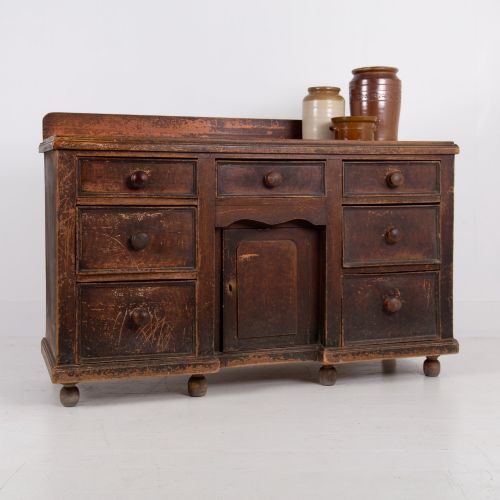
Beyond standard drawer units, the category occasionally encompasses related storage forms such as cupboards, cabinets, sideboards, and log bins sharing the same defining characteristic of untouched historic painted surfaces.
Materials and construction methods
These pieces are constructed primarily from solid pine timber, utilising traditional joinery appropriate for domestic storage furniture built across the Georgian and Victorian eras. Iron, brass, and metal hardware such as handles, brackets, and key escutcheons are frequently integrated into the structural design.
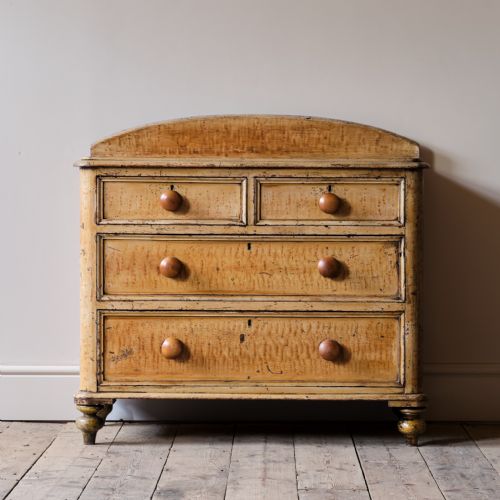
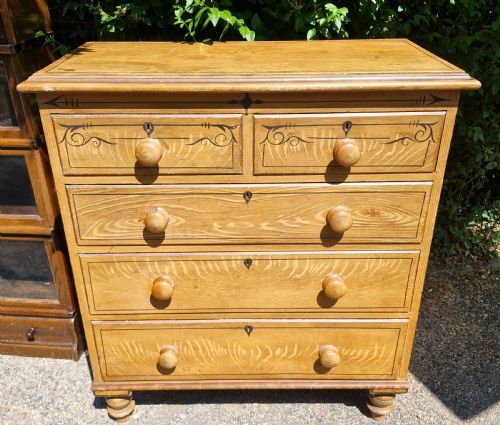
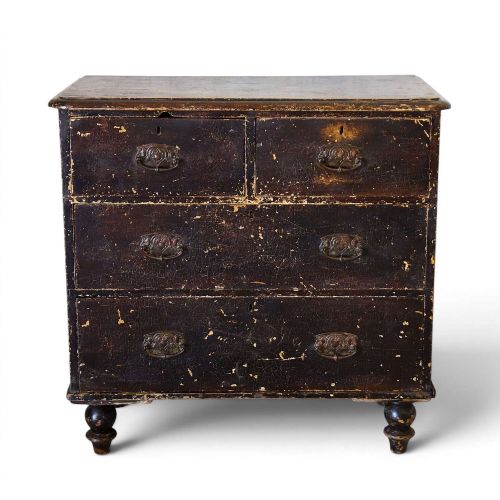
The defining feature is the original paint finish, which encompasses flat colours such as blue, black, green, and cream, alongside decorative techniques like scumble glaze and simulated oak or bamboo effects. Surfaces often show weathering, patination, and minor wear reflecting decades or centuries of domestic use.
Evaluating surface preservation and form
Quality in these pieces is dictated by the survival and integrity of the original paint surface, distinguishing examples with untouched patination from those with later overpainting or intervention. Untouched surfaces retain authentic tonal depth and textural character that heavily influence desirability.
Structural proportion and regional cabinetmaking hallmarks also separate standard pieces from exceptional examples, such as those originating from known makers like Gillows or featuring uncommon architectural configurations like two-part builds and bracket feet.
Gillows
The Original Paint Pine Chest Glossary
- Scumble paint
- A decorative surface technique where a translucent glaze is dragged or brushed over a lighter base coat to simulate wood grain or create mottled texture. This finish is frequently encountered on Victorian country furniture.
- Bracket feet
- Small architectural feet supporting the base of a chest, often shaped in an ogee or simple curved profile. They elevate the body of the piece off the floor.
- Dowry chest
- A traditional storage box constructed to hold household linen and personal possessions in anticipation of marriage. These pieces frequently feature painted decoration and regional folk art motifs.
- Washstand chest
- A lower form of drawer unit traditionally designed to hold washing basins and sanitary ware on the top surface. They combine practical drawer storage with specific domestic utility.
- Dome top
- A rounded or arched lid construction seen on earlier coffers and caskets, allowing water or dust to shed more easily. This form bridges seventeenth-century trunk designs and later nineteenth-century storage boxes.
Original Paint Pine Chest: Frequently Asked Questions
How do I clean an original paint pine chest?
Maintenance requires only a dry microfibre cloth or a very gently dampened cloth to remove surface dust without disturbing the fragile historical paint layers. Avoid modern chemical detergents or harsh furniture polishes that can soften or strip traditional oil and distemper finishes.
Preserving the dry, chalky, or patinated surface means accepting minor historical marks as part of the object's documented lifespan. Over-cleaning diminishes the visual depth that defines an authentic historic paint skin.
Were these chests always painted?
Many pine pieces were painted from the date of manufacture to protect the softwood timber, imitate more expensive hardwoods like oak or mahogany, or provide bright colour within regional folk traditions. Stripping pine to bare wood is frequently a later taste that removes the historical skin.
Surviving early finishes provide a direct record of interior decoration schemes from the Georgian and Victorian periods. The presence of multiple underlying layers often rewards close inspection by specialists.
How can I tell a Victorian chest from a Georgian one?
Georgian chests generally display tighter proportions, hand-cut dovetailing, and narrower pine boards, often accompanied by bracket feet or simpler plinth bases. Victorian examples frequently utilise machine-sawn timber elements, heavier proportions, and scumbled or darker decorative finishes.
Regional variations across England, Wales, and continental Europe further complicate dating, making construction details inside the drawers the most reliable indicator of period. Regional workshops retained traditional building methods long after industrial hubs modernised.
What is scumble paint?
Scumble paint is a translucent oil-based glaze manipulated with combs, rags, or brushes over a lighter ground colour to create simulated wood grain or cloudy movement. Cabinetmakers used this technique to elevate economical pine into a more decorative statement.
Victorian country houses and provincial homes favoured these finishes for their warmth and durability under heavy domestic use. Today, untouched scumble surfaces form a distinct sub-category prized for their rich visual texture.