

Pine Kitchen Server
Pine kitchen server pieces bring practical, hard-wearing utility and rustic warmth to domestic spaces.
Pine Kitchen Server
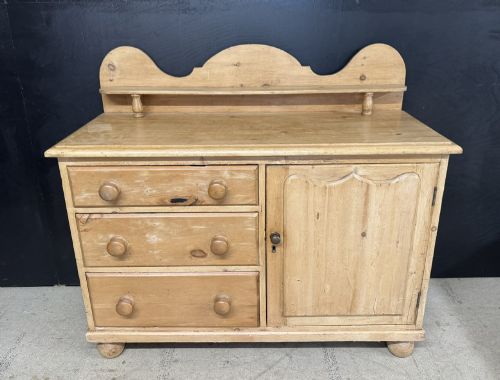
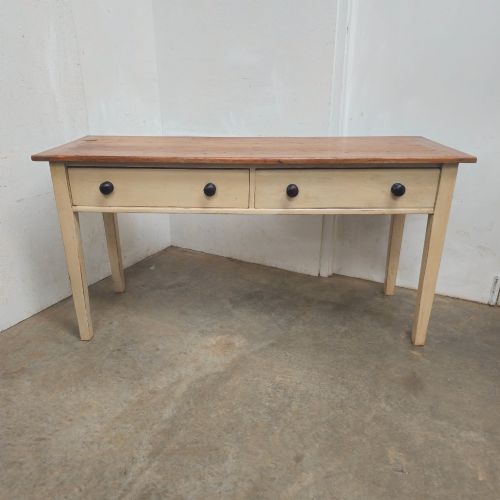
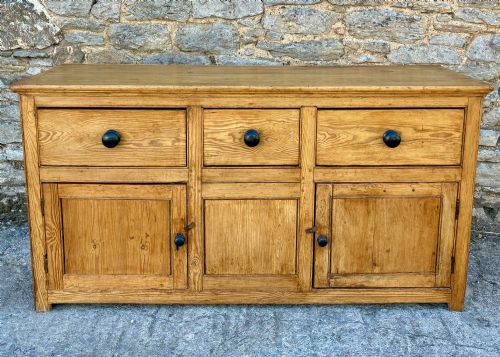
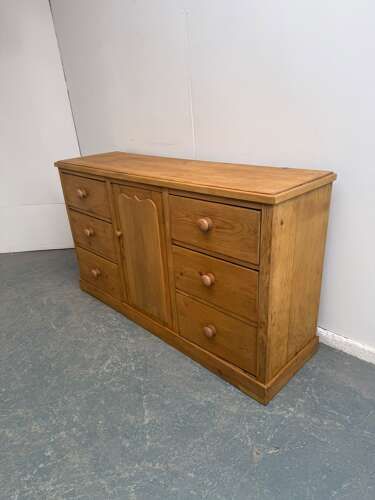
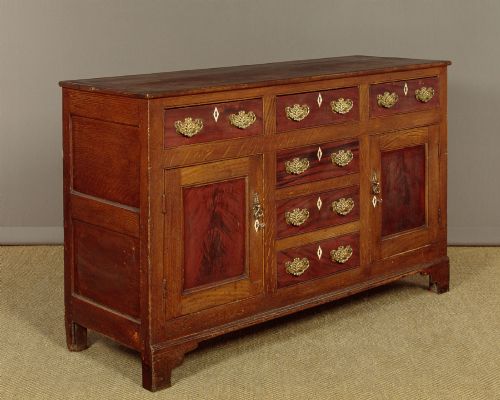
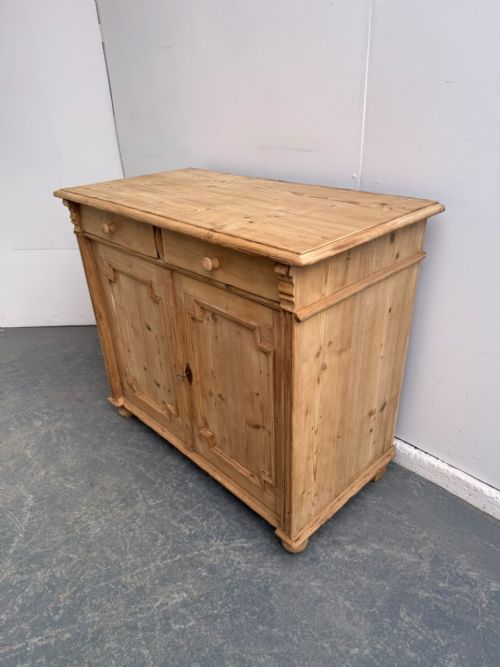
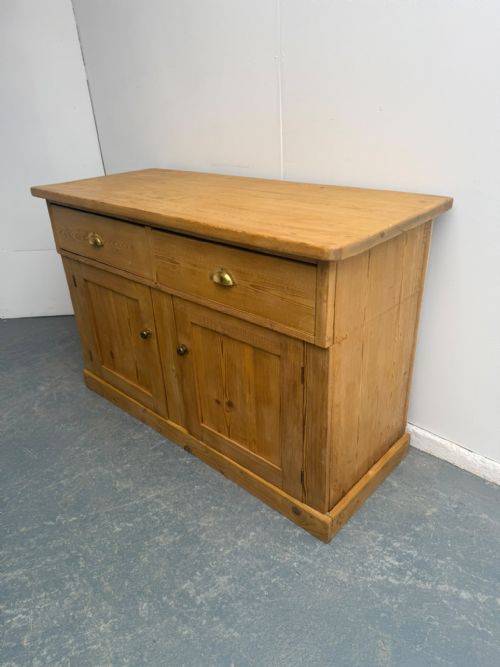
A pine kitchen server provides sturdy work and storage space, typically taking the form of a dresser base, sideboard, or serving table. These items originate predominantly from the nineteenth century, encompassing Victorian and Georgian periods.
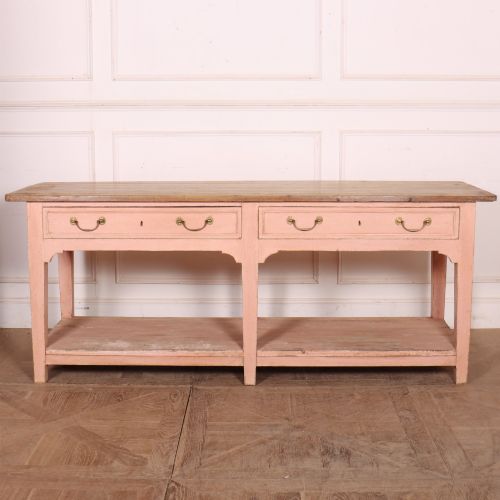
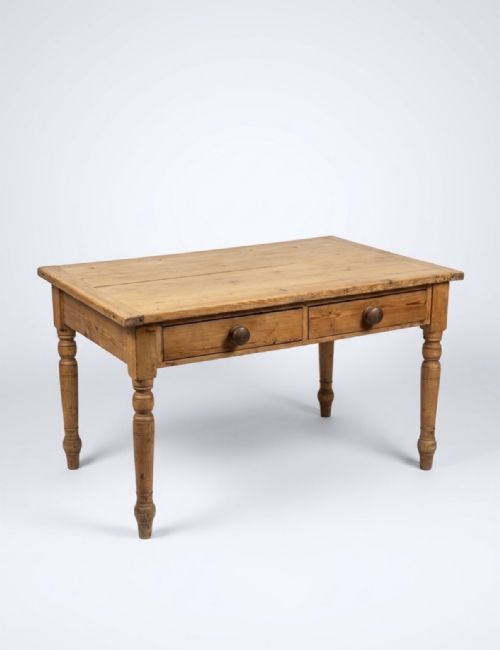
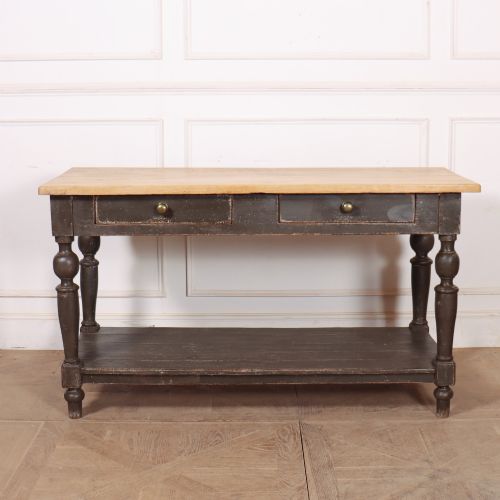
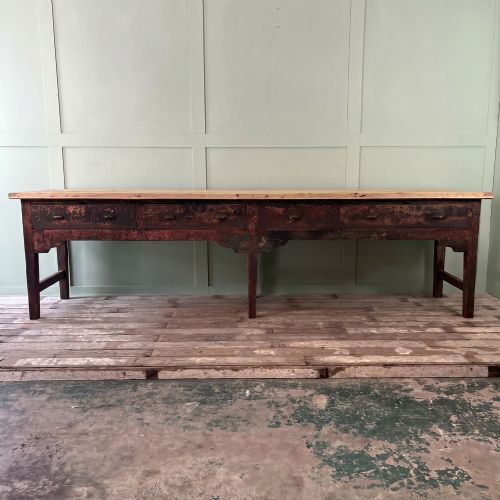
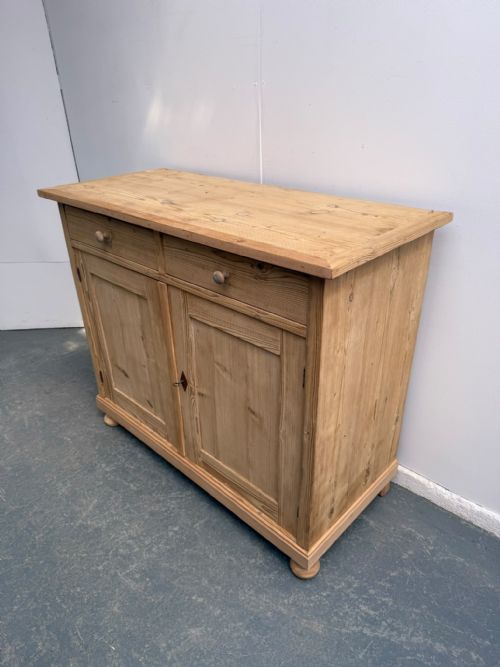
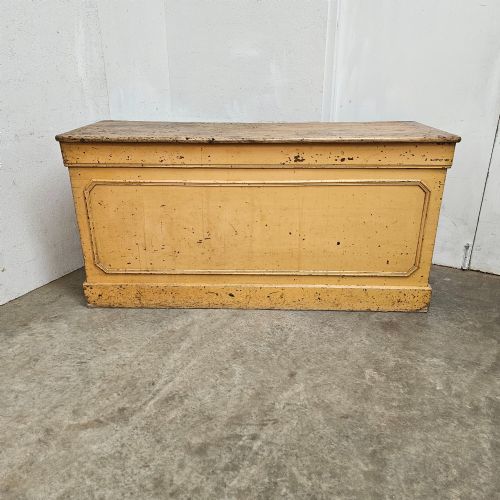
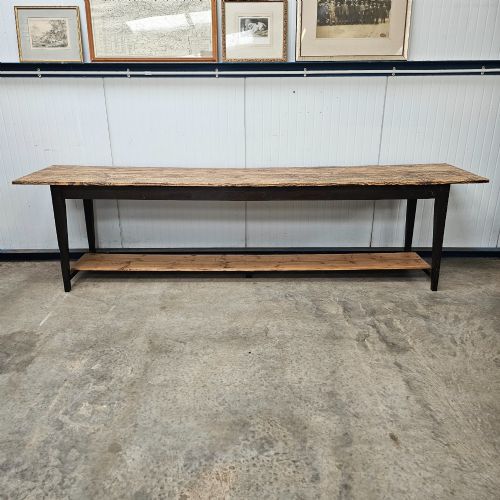
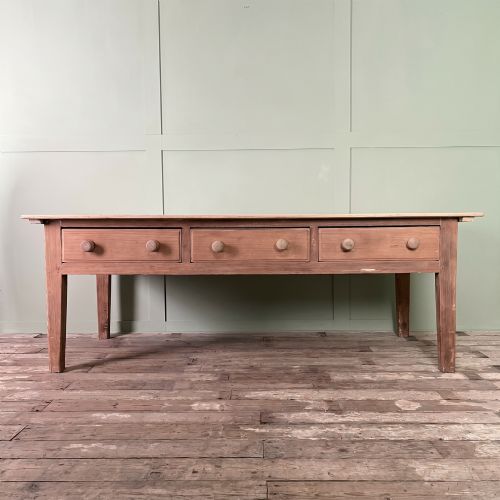
Buyers meet variations ranging from waxed finishes to original paint, with forms including potboard bases, two-door cupboards with drawers, and long dairy tables. English and French country styles dominate the selection available on this page.
Materials and construction methods
Construction relies heavily on solid pine, occasionally combined with oak, sycamore, or pitch pine for structural integrity or specific surfaces. Metal, iron, and brass appear in hinges, handles, and operational hardware.
Surfaces receive either a protective wax coat or layers of paint, with some pieces retaining their original historic painted finish.
Listings feature pine and pitch pine supported by oak, sycamore, iron, and brass fittings across 18th-century, Georgian, and Victorian periods.
Assessing quality in pine servers
Quality rests in the proportion of the timber, the integrity of the original joints, and whether surface treatments like paint or wax retain their honest age. Pieces with secondary hardwoods such as oak or sycamore in structural areas demonstrate higher utility.
Construction details like bread slides, potboards, and original brass or iron hardware elevate a piece beyond standard utilitarian builds.
The Pine Kitchen Server Glossary
- Dresser base
- A low storage unit with drawers and cupboards, historically used for food preparation and serving without the upper plate rack. It forms the foundation of many traditional country kitchens.
- Potboard
- An open slatted lower shelf built into a dresser base for storing heavy pots and pans. This feature allows damp kitchenware to air dry.
- Bread slide
- A pull-out wooden shelf integrated into the cabinet framework, used traditionally for cooling or preparing dough. It represents a thoughtful functional addition in domestic furniture.
- Pitch pine
- A dense, resinous softwood variety noted for its durability and strong grain pattern. It offers greater resilience than standard white pine.
- Dairy table
- A specialised work table constructed with porous timbers like sycamore or scrubbed pine. These surfaces suited the daily hygiene demands of milk processing and cheese making.
Pine Kitchen Server: Frequently Asked Questions
What is a pine kitchen server used for?
A pine kitchen server functions as a practical sideboard, prep station, or storage unit in domestic spaces. These surfaces handle daily culinary tasks and store tableware.
Lower shelves and cupboards organise kitchen items while keeping them accessible for everyday use.
How do I care for a waxed pine surface?
Waxed pine requires gentle cleaning with a soft cloth and periodic reapplication of a suitable beeswax polish. Avoid placing hot dishes directly onto the wooden top to prevent marking.
Protecting the surface from excess moisture preserves the historic finish and warmth of the timber.
Are these servers from the Victorian period?
Many servers date from the Victorian era, characterised by sturdy construction, drawer arrangements, and potboards. Some examples extend back into the Georgian and eighteenth centuries.
Construction techniques and hardware styles help distinguish these earlier periods from later nineteenth-century pieces.
What is the difference between painted and waxed pine?
Waxed pine displays the natural grain and warm patina of the wood built up over decades of use. Painted surfaces often feature historic layers of pigment that reflect regional domestic traditions.
Both finishes offer distinct aesthetic choices depending on the interior setting.