

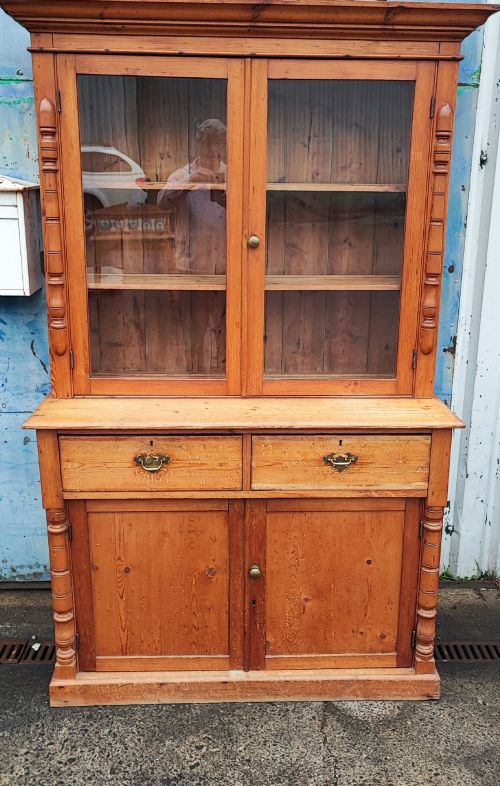

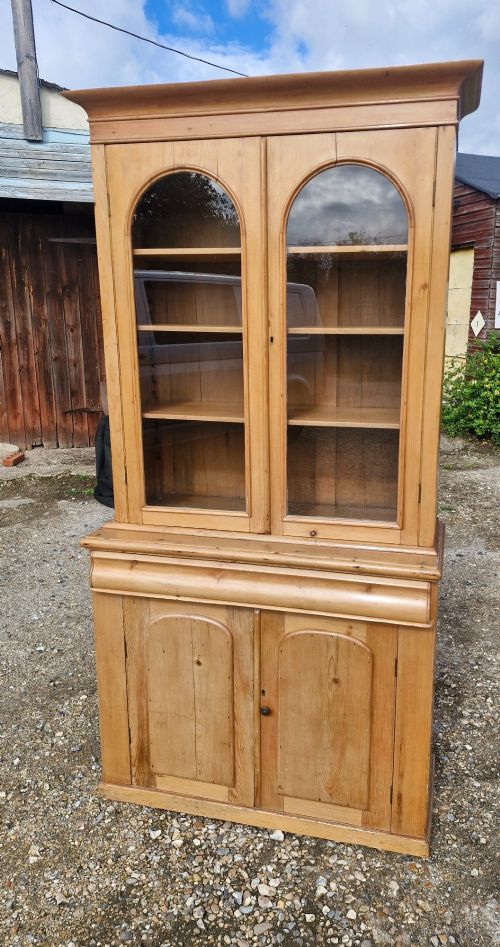
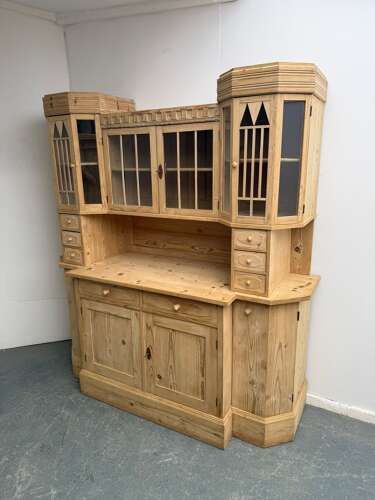
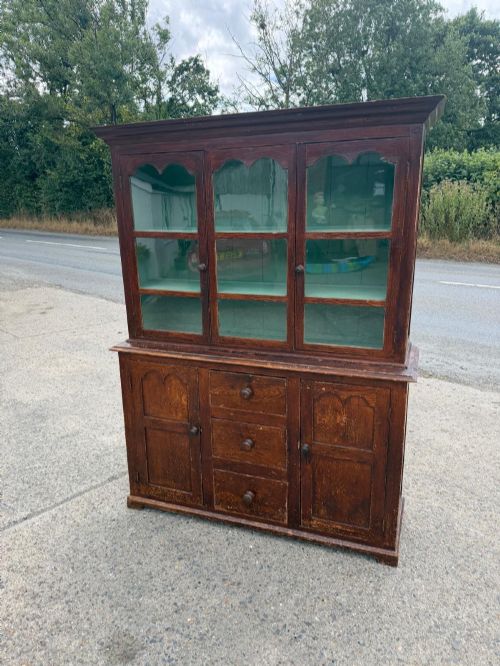
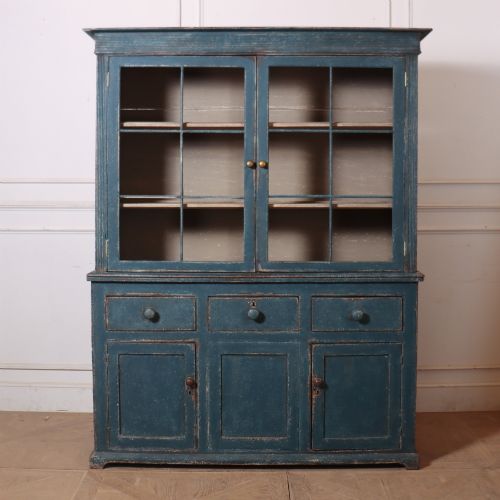
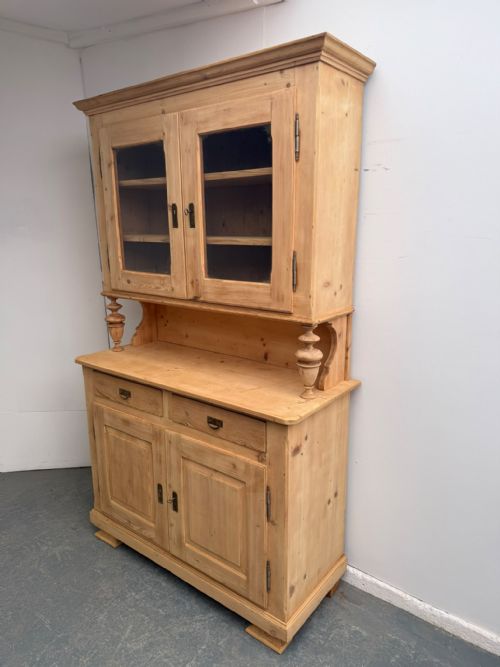


Pine Glazed Display Hutch
These pine glazed display hutch pieces offer honest storage and display, bringing provincial character and practical shelving into a modern home.
Pine Glazed Display Hutch
A pine glazed display hutch, also seen as kitchen dressers and bookcase cabinets, brings together upper glass doors for exhibition and lower cupboards for storage. These items emerge from the nineteenth century, the eighteen fifties, and decades up to nineteen thirty, carrying provincial origins across England, France, Hungary, and wider Europe.
Buyers meet regional kitchen dressers and breakfront cabinet forms most often on this page. Styles span English and French country, Arts and Crafts, and Victorian provincial vernacular, reflecting domestic utility across diverse rural settings.
How they were made
Construction relies primarily on solid pine timber, paired with glazed panels to the upper sections. Cabinet makers integrated brass and iron hardware, along with wire mesh and ceramic elements where functional needs required.
Surfaces frequently show original paint finishes, scrubbed or stripped treatments, scrumbled paint work, and wax coatings. Two-piece construction allows the upper glazed display hutch to separate from the lower base for transport.
Pine Glazed Display Hutch Retail Price Guide 2026
Typical asking prices for pine glazed display hutch among the pieces listed under this phrase on Sellingantiques today, from the lower quarter to the upper quarter. They describe what is for sale here now, not the wider market.
Listings feature pine, glass, brass, paint, wire mesh, ceramic, and iron across Victorian and early twentieth century periods.
What varies in quality
Quality rests upon the integrity of the original timber frame and the survival of early painted or stripped surfaces. Pieces retaining undisturbed historic paintwork or patinated wax finishes stand apart from later altered examples.
Proportion and regional carpentry distinguish standard vernacular items from finer provincial workshop outputs. Original glass panes, well-fitted two-piece construction, and honest construction details elevate the standing of a cabinet.
The Pine Glazed Display Hutch Glossary
- Breakfront
- A cabinet design where the central section projects forward from the flanking wings. This architectural arrangement creates depth and visual rhythm in larger storage furniture.
- Scrumbled
- A decorative paint technique involving translucent layers dragged or brushed over a base coat to simulate grain. It appears frequently on nineteenth-century vernacular pieces.
- Cornish dresser
- A regional kitchen dresser variant associated with the West Country and Cornwall. These items typically feature open or glazed upper plate racks above a sturdy base.
- Two-piece
- Furniture constructed in separate upper and lower modules for ease of movement. This format is standard for large dressers and glazed cabinets.
Pine Glazed Display Hutch: Frequently Asked Questions
Where did these hutches originate?
The pieces span English, French, and Hungarian origins, with strong representation from the West Country. Regional workshops built them for domestic kitchen and pantry use.
Makers utilised local pine and traditional joinery methods suited to provincial homes.
How are two piece dressers moved?
Two-piece construction means the upper glazed display hutch lifts directly off the lower base cabinet. This separation lightens the load significantly during transport.
Securing loose internal shelves beforehand ensures safe handling.
What finishes do these cabinets have?
Surfaces include original painted schemes, scrumbled decoration, stripped pine, and traditional wax finishes. Many pieces retain layers of historic paint applied over decades of domestic life.
Care involves preserving these aged coats rather than stripping them back entirely.
How do I date a pine dresser?
Dating relies on construction methods, hardware materials such as brass and iron, and stylistic cues from periods like the Victorian era or Arts and Crafts movement. Nail types, timber thickness, and backboard construction offer further clues.
Comparative analysis with dated examples establishes the likely decade of manufacture.