
Pine Double Cupboard
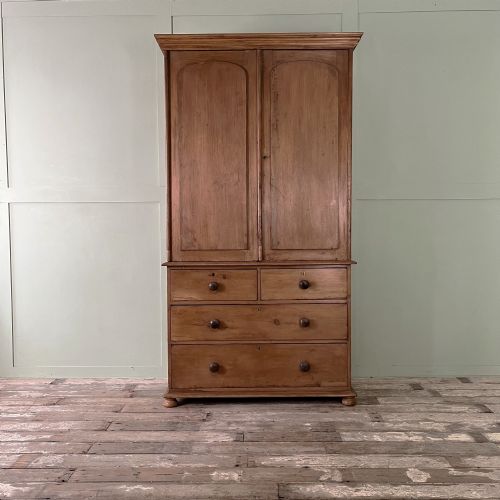
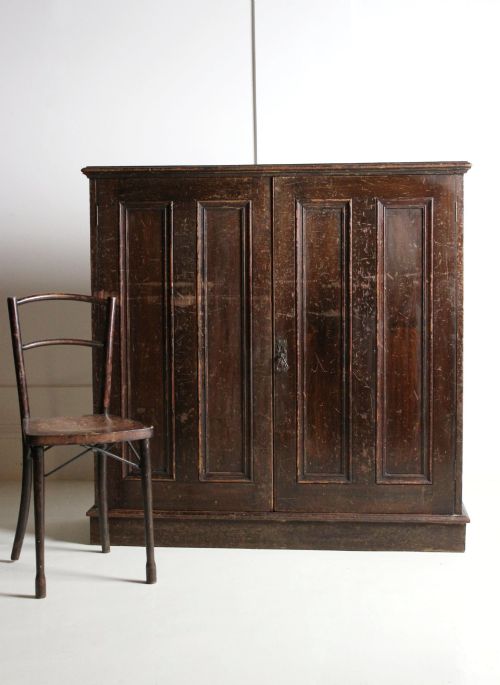
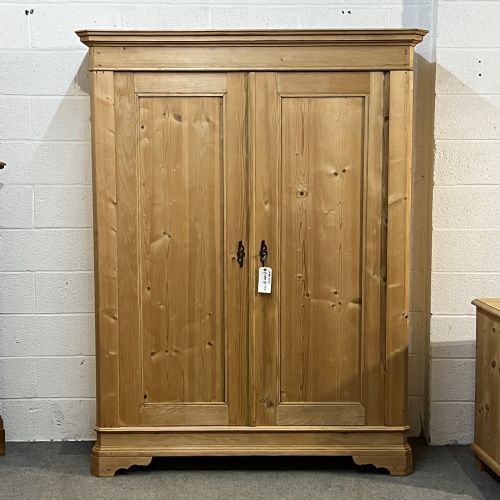
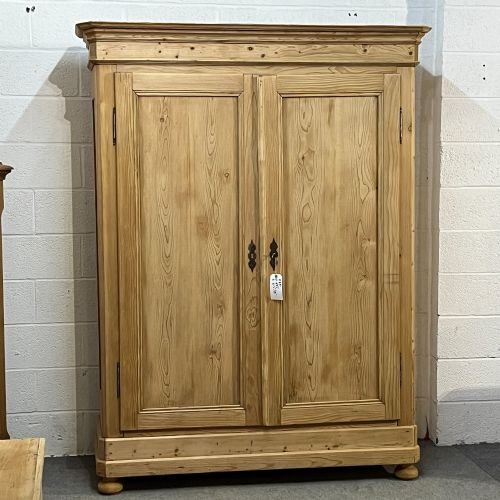
A pine double cupboard offers substantial storage with the character of older timber, spanning styles from country workshops to formal Georgian rooms.
Pine Double Cupboard
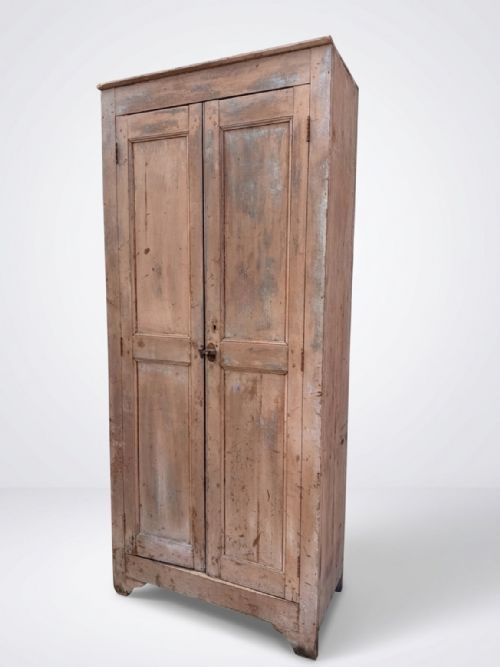
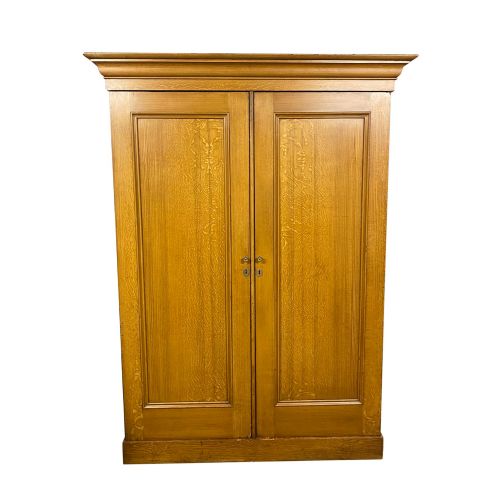
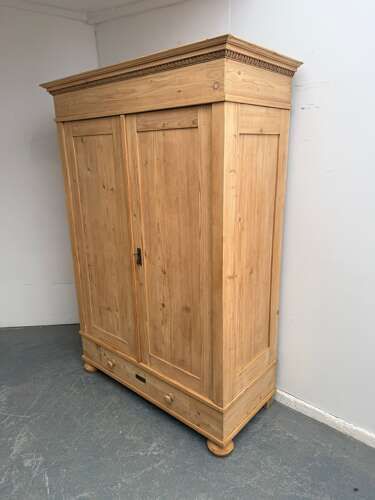
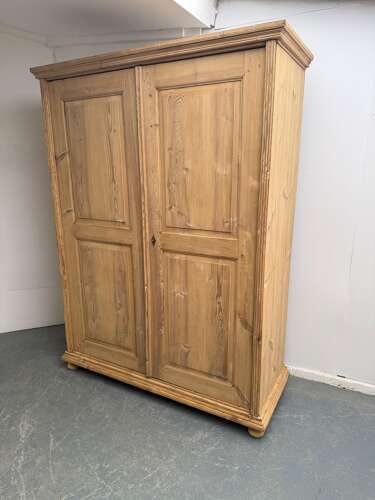
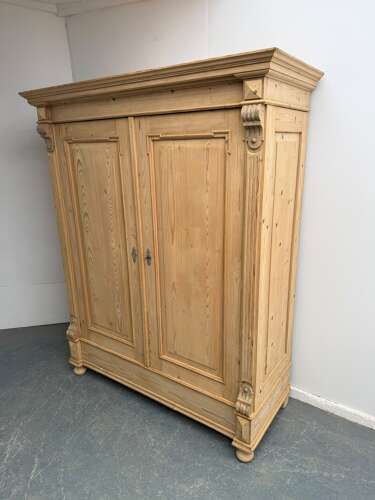
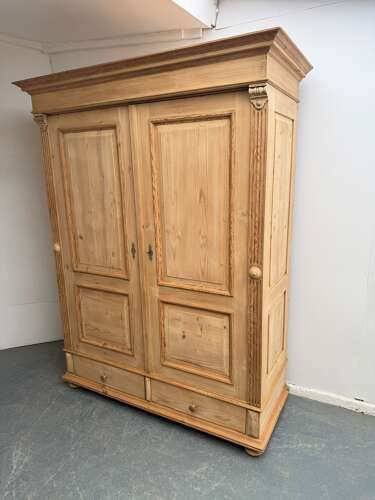
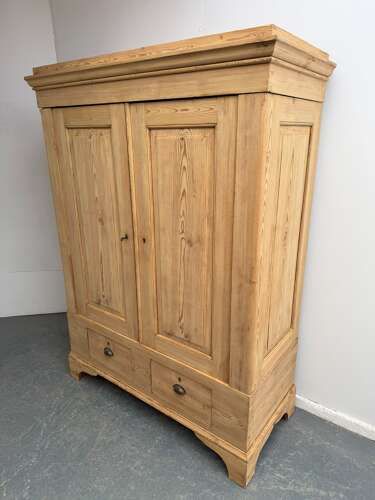
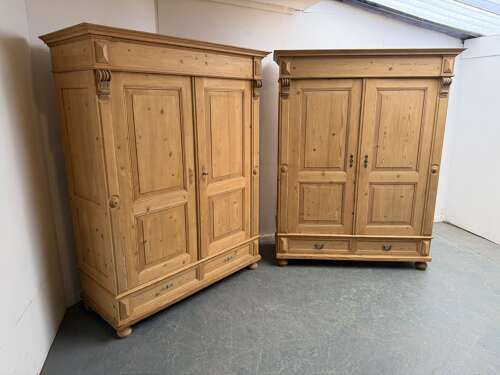
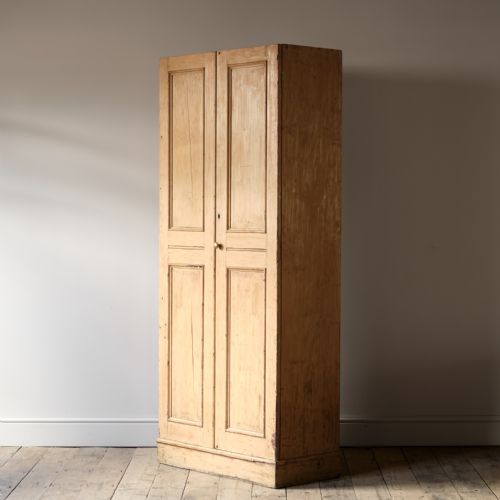
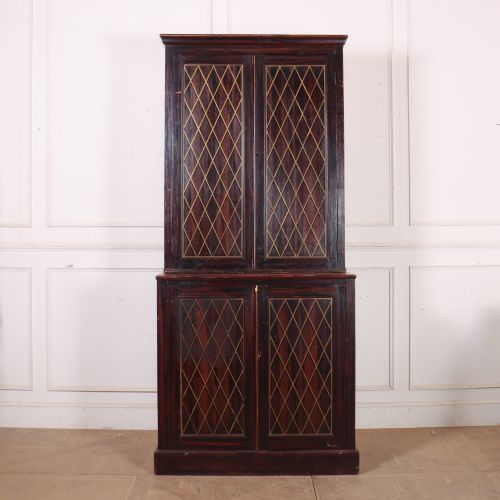
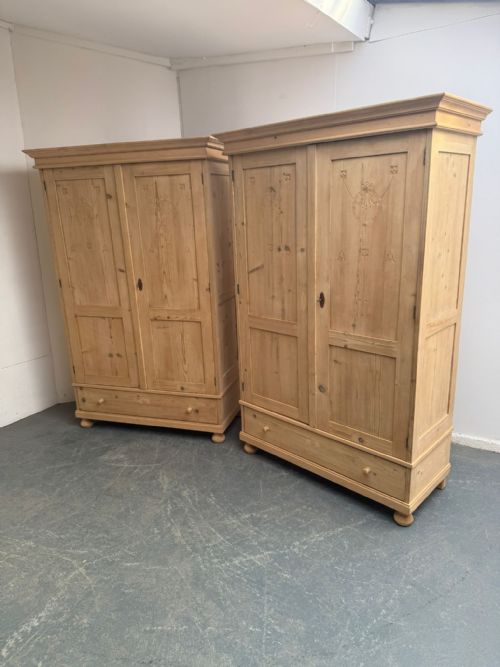
A pine double cupboard spans several centuries of domestic storage, appearing in forms ranging from tall wardrobes and armoires to linen presses and housekeepers cupboards. The pieces listed here encounter shoppers primarily as Victorian knockdown wardrobes or 19th-century painted cabinets, alongside earlier Georgian examples and continental styles.
Regional variations shape these pieces significantly, bringing French provincial armoires, Scandinavian painted cupboards, and English country furniture together under one heading. Buyers frequently select large two-door formats designed to dismantle for transport, balancing capacity with practical assembly in modern homes.
Beyond standard storage, the selection encompasses specialised pieces such as glazed display cabinets, chapel cupboards, and compactum wardrobes fitted with internal drawers. These diverse forms reflect the utilitarian origins of soft timber furniture across British and European households.
Judging the standard
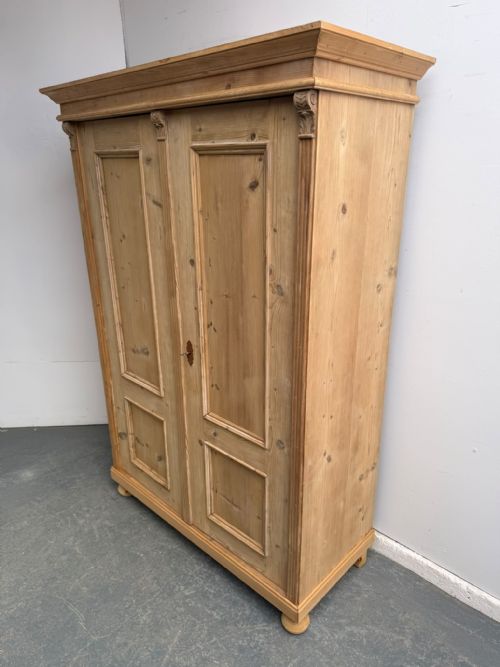
Quality rests upon the integrity of the timber and the retention of original structural components, such as cornices, panelled doors, and bracket feet. Superior pieces maintain their original surface treatment, whether an honest period wax or authentic old paint, rather than undergoing unsympathetic modern stripping.
Proportion and execution distinguish finer items, where thoughtful mouldings and balanced door panels elevate utilitarian storage into accomplished cabinetmaking. The precision of the knockdown mechanism and the presence of original brass or iron hardware further separate ordinary utility furniture from exceptional examples.
Materials across the selection range from plain and stained pine to pitch pine, complemented by iron, brass, glass, and scumble paint.
The Pine Double Cupboard Glossary
- Knockdown
- Furniture designed to be fully disassembled into flat panels and main sections for transport and installation. This clever modular construction allowed large wardrobes to travel up narrow staircases in older properties.
- Scumble paint
- A decorative surface technique where a translucent glaze is manipulated over a paler base coat to imitate more expensive hardwoods like oak. Artisans applied this method extensively during the 19th century.
- Linen press
- A tall piece combining upper sliding trays or shelves with lower drawers for storing textiles. These items often feature double doors enclosing the primary storage section.
- Compactum
- A specialised wardrobe featuring internal divisions, drawers, and hanging space combined within a single cabinet. It offers multifaceted organisation for clothing.
- Pitch pine
- A dense, resinous softwood variety prized for its prominent grain pattern and durability. It frequently appears in Arts & Crafts furniture.
Pine Double Cupboard: Frequently Asked Questions
How do I assemble a knockdown wardrobe?
Knockdown pine double cupboards utilise wedges, slots, or threaded bolts to secure the sides, top cornice, and base together without permanent glue. Working with a second person helps align the heavy side panels before dropping the backboards and pinning the cornice into place.
Ensuring the floor is level prevents the double doors from binding once the frame is tightened. Most historical pieces rely on simple gravity and interlocking joints rather than complex metal fixings.
Should I wax or paint my cupboard?
Deciding between a waxed finish or a painted surface depends on whether the timber retains traces of historic decoration or exhibits a pleasing warm grain. Unpainted pine responds well to traditional beeswax, which nourishes the dry wood and deepens its tone over time.
If the piece already carries layers of old or flaking paint, retaining that history is standard practice for preservation. Many buyers choose to apply fresh breathable paint or wax over bare pine depending on their interior scheme.
Are these cupboards deep enough for modern hangers?
Historical pine wardrobes and cupboards were often built shallower than modern fitted units because historical garments required less shoulder projection. Measuring the internal depth from the backboards to the inside of the closed doors confirms whether standard coat hangers will fit comfortably.
Some pieces utilise front-to-back pull-out hanging rails rather than traditional side-to-side bars to accommodate standard garment widths. Checking these dimensions prevents disappointment if you plan to use the piece as a primary wardrobe.
How do I date an antique pine cupboard?
Dating relies on examining construction markers such as hand-cut dovetails in the drawers, backboards made from wide single-tree planks, and forged iron hardware. Georgian pieces typically display simpler internal configurations and distinct architectural mouldings compared to later Victorian iterations.
Subtle shifts in proportion and style, from French provincial armoires to Arts & Crafts geometric panels, help narrow down the decade of manufacture. Comparing the timber characteristics with documented regional cabinetmaking styles confirms the era.