


Scandinavian Pine Armoire
A scandinavian pine armoire brings rustic warmth and practical storage to a room through centuries-old craftsmanship.
Scandinavian Pine Armoire
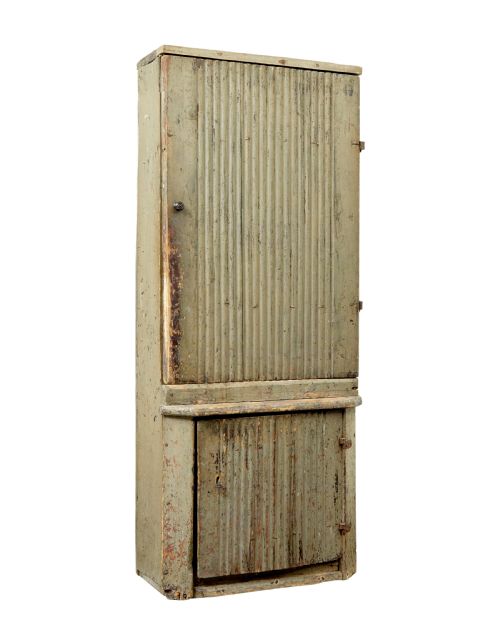
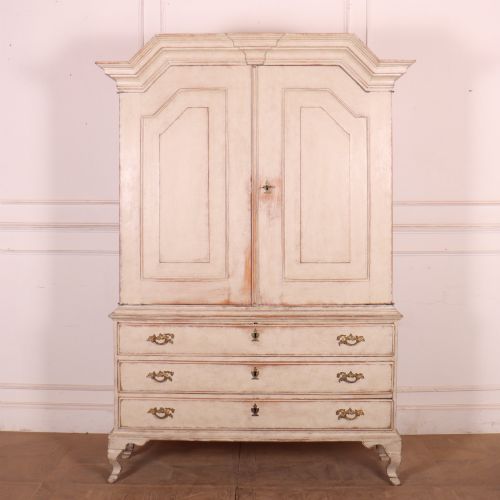
A scandinavian pine armoire encompasses large timber cupboards, linen cupboards, and wardrobes originating from northern Europe. The selection draws heavily on pieces from the eighteenth and nineteenth centuries, spanning regional folk art traditions and the refined restraint of Gustavian design.
Buyers will most frequently encounter painted pine cupboards featuring single or double doors, often displaying traces of original surface decoration. These storage pieces reflect domestic rural life, serving originally to store textiles, garments, and household provisions in farmhouse interiors.
How they were made
Carpenters constructed these cupboards primarily from native pine, utilising iron and brass for functional hinges, locks, and external hardware. Surfaces were frequently treated with mineral paint, traditional pigments, or ragwork finishes to emulate more expensive timbers or brighten dark Nordic interiors.
Joinery methods relied on pegged frames and panelled construction capable of withstanding seasonal shifts in temperature and humidity. Decorative elements were carved directly into the softwood or applied as simple mouldings to frame the doors and cornices.
What varies in quality
The distinction between standard utility pieces and superior examples lies in the integrity of the original construction and the survival of early painted surfaces. Finer items exhibit balanced proportions, well-executed carving, and layers of historical paint that have developed an authentic patina over generations.
Structural alterations, replacement hardware, and heavy modern stripping can diminish the historical character of a piece. Armoires that retain their original feet, cornices, and working iron locks generally hold greater appeal for collectors of regional European furniture.
The Scandinavian Pine Armoire Glossary
- Armoire
- A large wardrobe or cupboard, typically featuring doors that open to reveal shelving or hanging space. In northern European contexts, these pieces served multiple domestic storage functions.
- Gustavian
- The Swedish neoclassical style spanning the late eighteenth and early nineteenth centuries. It combines French influences with a lighter, restrained Nordic interpretation.
- Ragwork
- A decorative painting technique where rags or cloths are used to apply or texture paint onto a surface. This creates mottled or patterned finishes popular in folk art traditions.
- Baroque
- An ornate design period preceding the neoclassical era, characterised by dramatic carved details and robust proportions. In Scandinavian pieces, this often translates to vigorous panel moulding.
Scandinavian Pine Armoire: Frequently Asked Questions
How are these armoires cleaned?
Dust surfaces regularly with a soft, dry cloth to protect the painted or waxed pine finish. Avoid modern chemical sprays that can degrade historical layers of mineral paint.
Keep timber furniture away from direct heat sources and dramatic moisture changes to prevent the pine from splitting. Natural beeswax can be applied sparingly if the unpainted wood requires nourishment.
What is Gustavian style?
Gustavian design emerged in Sweden under the influence of King Gustav III following his visits to Versailles. It adapts continental neoclassical symmetry into simpler, brighter domestic furniture.
Pieces from this movement typically display muted paint colours, fluted columns, and subtle carved rosettes. They offer a refined contrast to heavier rustic European folk pieces.
How old is antique pine?
The pine furniture found from this region dates predominantly from the eighteenth and nineteenth centuries. Earlier pieces often display Baroque influences, while nineteenth-century items range from folk art to Victorian country styles.
Constructive details such as hand-cut nails, pegged joints, and adze marks help indicate the age of the timber. Paint analysis can also reveal whether surface decoration dates to the original period of manufacture.