


Swedish Pine Wardrobe
A Swedish pine wardrobe brings architectural presence and honest storage to a room, offering calm utility built from Northern timber.
Swedish Pine Wardrobe
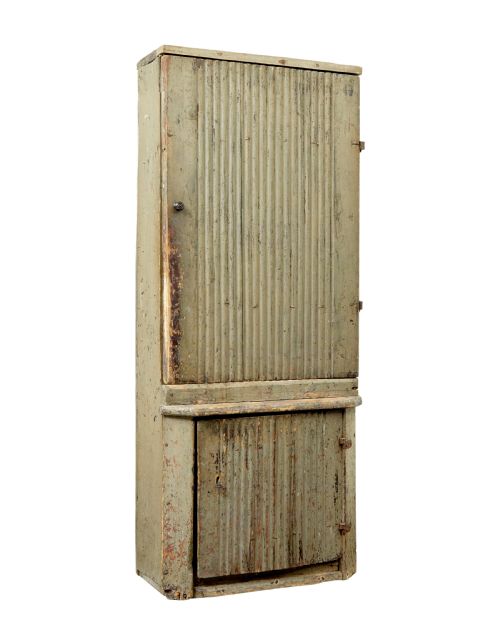
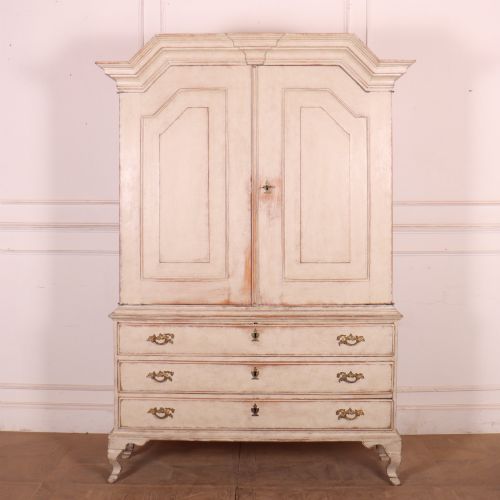
A swedish pine wardrobe encompasses large storage furniture originating from Scandinavia, typically taking the form of tall cupboards, armoires, and linen presses. These pieces are built from resilient local conifers, designed to hold household textiles and garments.
The selection ranges from understated country pieces to formal urban forms influenced by continental design. Most examples date from the eighteenth and nineteenth centuries, spanning distinct stylistic periods from Baroque influences to rural folk art.
Buyers will most frequently encounter painted pine cupboards and linen storage units from the nineteenth century. These items showcase the practical domestic heritage of Northern Europe through straightforward joinery and generous proportions.
How they were made
Construction relies primarily on solid pine, worked by local joiners using traditional frame and panel techniques. Timber was selected for durability and stability before being shaped into substantial carcasses.
Surface decoration frequently involves layers of paint, sometimes applied over older schemes or finished with ragwork patterns. Hardware typically consists of forged iron hinges and latches, occasionally complemented by brass fittings on more formal items.
Many nineteenth-century Scandinavian cupboards still smell faintly of the dried herbs once stored inside to deter moths from valuable linen.
What varies in quality
Quality rests upon the structural integrity of the pine carcass and the preservation of original decorative finishes. Pieces that retain their early paint layers without excessive intervention hold greater decorative value.
Proportion and architectural detailing distinguish finer examples from standard utility pieces. Finer items exhibit balanced cornices, thoughtful panel placement, and well-executed hardware that harmonise with the overall form.
The Swedish Pine Wardrobe Glossary
- Gustavian
- The Swedish neoclassical style spanning the late eighteenth and early nineteenth centuries, characterised by restrained ornamentation and lighter colour palettes. It draws inspiration from French design but maintains Nordic simplicity.
- Ragwork
- A decorative paint technique where rags or cloths are used to apply or texture colour onto a surface. This creates subtle mottled patterns common on traditional Scandinavian furniture.
- Linen cupboard
- A tall storage piece specifically designed for household textiles, featuring interior shelving rather than hanging space. These items were central to traditional domestic organisation.
- Armoire
- A large freestanding wardrobe or cupboard with doors, used primarily for hanging garments. The term reflects continental European influence on Scandinavian cabinet making.
Swedish Pine Wardrobe: Frequently Asked Questions
How do I use a pine wardrobe today?
These cabinets suit modern bedrooms and hallways by providing deep, concealed storage for clothes or linens. Their neutral or painted finishes allow them to anchor both contemporary and traditional interiors.
Interior configurations may require adding modern rails or shelves depending on the specific model. Measuring doorways and ceiling heights beforehand ensures safe placement in your home.
How do I date a Swedish pine cupboard?
Dating relies on examining construction methods, hardware types, and stylistic details such as cornices and feet. Eighteenth-century pieces often display heavier Baroque proportions or hand-wrought ironwork.
Nineteenth-century examples frequently incorporate simpler folk art painting or transitional neoclassical lines. Paint analysis can also reveal underlying decorative layers that indicate age.
Are these wardrobes painted or bare pine?
Most traditional pieces are painted in traditional green, white, or earth tones rather than left as bare wood. Paint protected the softwood and brightened dimly lit Scandinavian homes during long winters.
Surfaces often display patinated layers accumulated over decades of domestic use. Preservation of these historical finishes is a key consideration for collectors.