
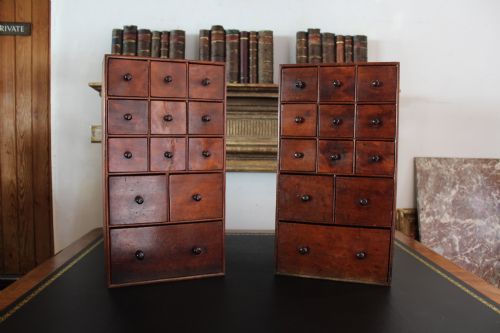
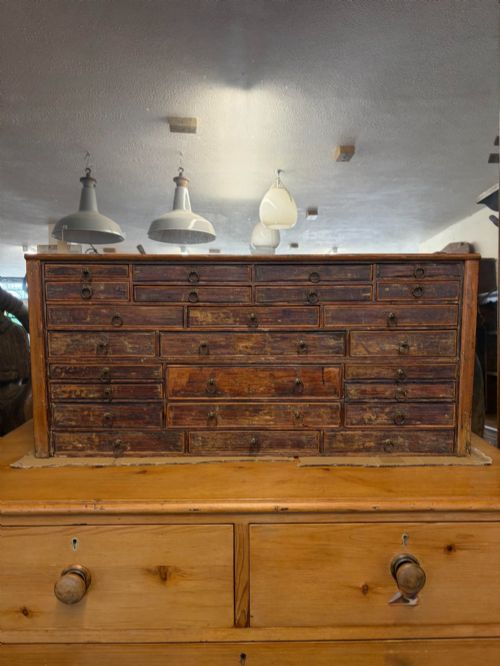
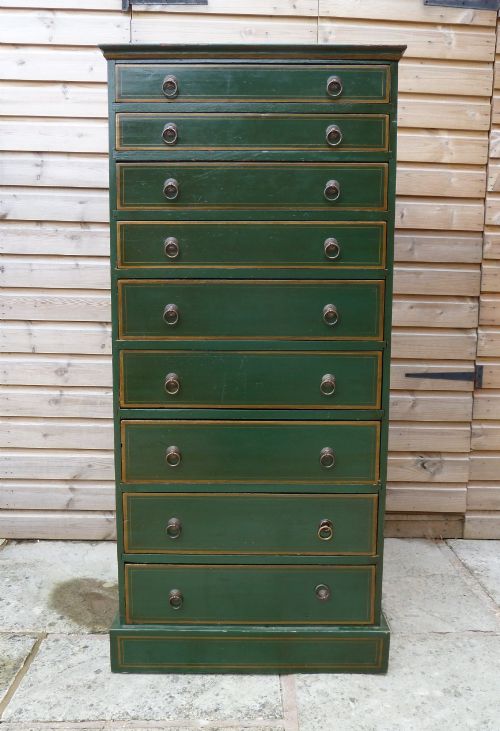
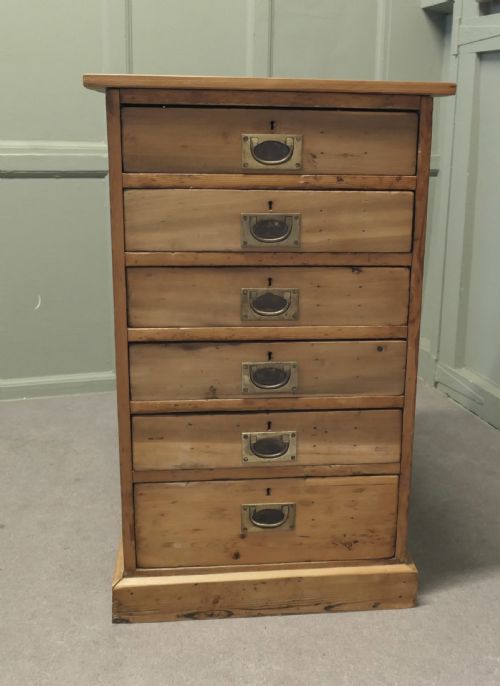


Pine Collector Drawers
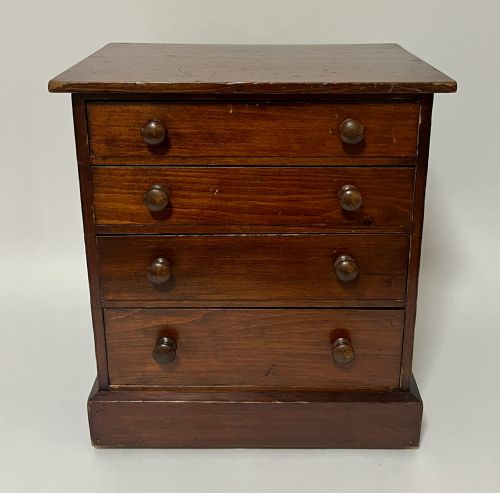
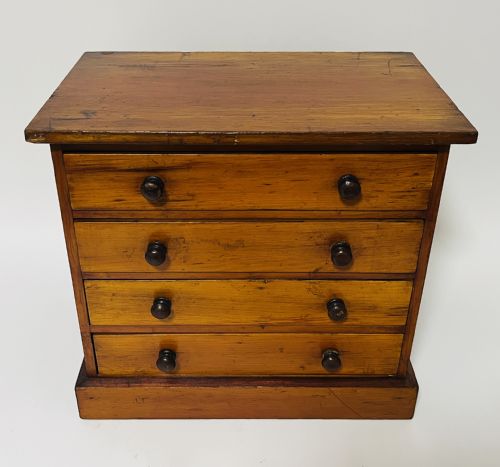
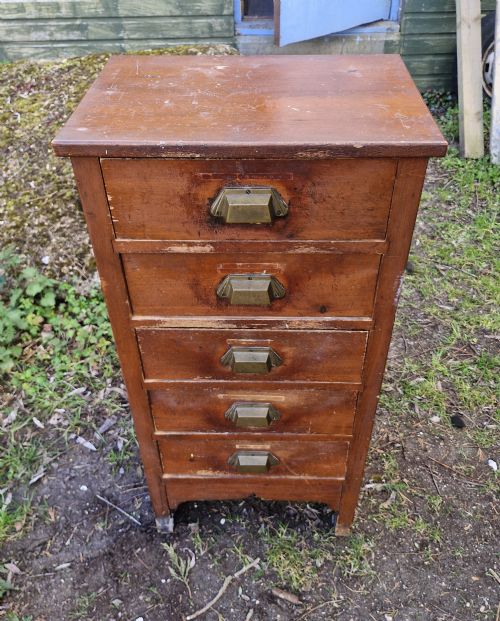
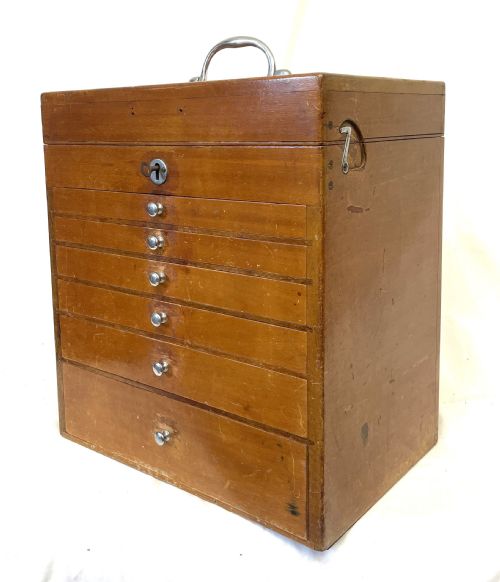
Pine collector drawers are hardworking multi-drawer storage units built for organising specimens, tools or documents, prized for their modular practicality and honest utility.
Pine Collector Drawers
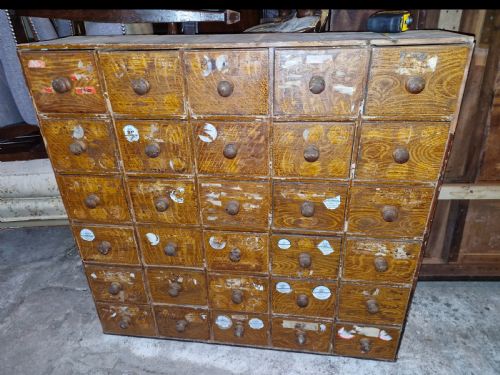
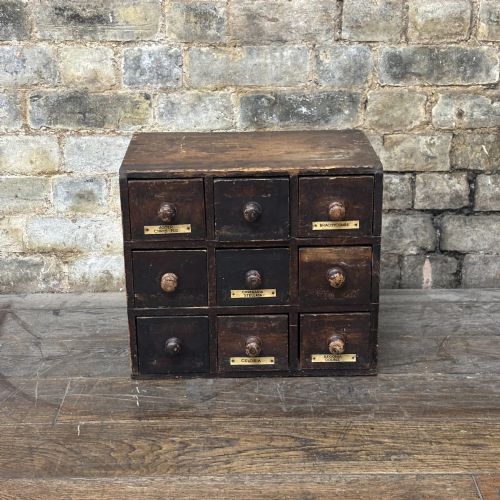
When you search for pine collector drawers, you are looking at utilitarian multi-drawer chests built to house specimens, pharmacy stock, seeds, dental gear or office files. These pieces originate predominantly from the nineteenth and early twentieth centuries, spanning Victorian, Edwardian and industrial utilitarian periods.
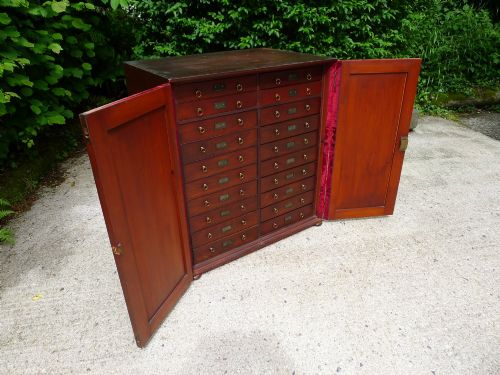
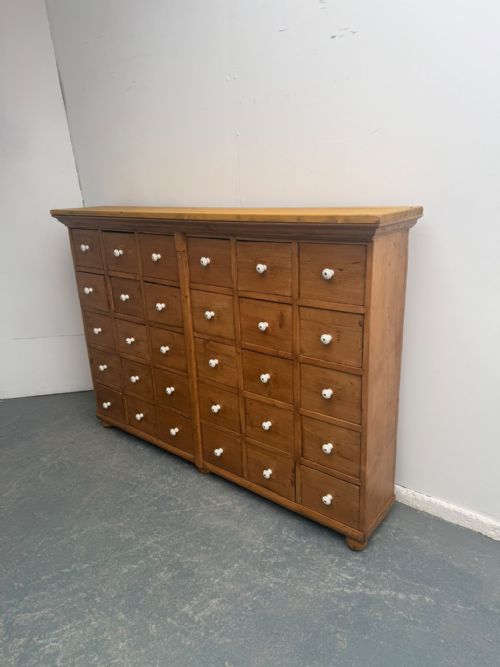
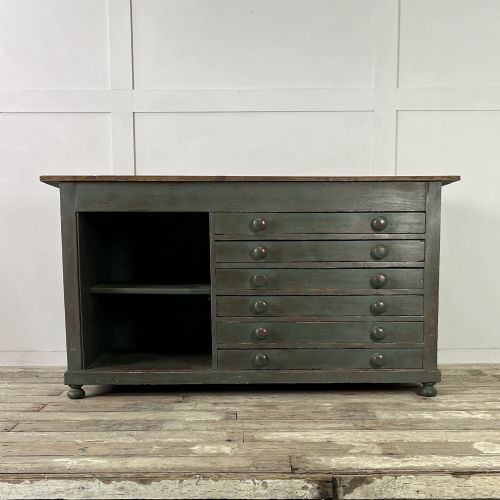
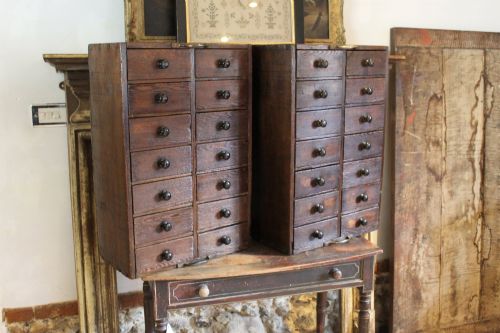
You are most likely to meet banks of small drawers, office filing chests, apothecary cabinets and desktop specimen cases. These configurations range from shallow multi-drawer banks to tall watchmaker cabinets and large apothecary units.
The materials reflect practical workshop and office use, featuring solid pine and pitch pine alongside deal, brass, iron and occasional glass elements. Painted finishes, stained surfaces and natural wax patinas appear frequently across the surviving examples.
How they were made
Makers built these cabinets using solid pine and pitch pine, often employing deal for secondary internal framing. The primary timber provides a durable, straight-grained carcase capable of withstanding heavy daily use in offices, shops and surgeries.
Hardware consists of brass and iron handles, pulls and label holders fitted to individual drawers. Ebonised mouldings, glass panels and painted or stained surface treatments add functional distinction to specific utilitarian forms.
Materials documented across these listings include pine, pitch pine, mahogany, brass, iron and glass.
What varies in quality
The distinction between standard utility storage and finer cabinet-making lies in the timber selection and joinery precision. Pitch pine examples with figured grain and tight dovetail construction sit at the upper end, alongside pieces retaining original painted surfaces or specialist maker signatures.
Original hardware integrity dictates much of the appeal, with matching period brass pulls and intact label holders elevating an ordinary bank of drawers. The survival of untouched workshop paint layers or polished deal finishes distinguishes superior survivors from plain altered units.
Luxmore's of Ilfracombe·D Napier And Sons·J T Crockett
The Pine Collector Drawers Glossary
- Deal
- Fir or pine timber commonly used for utilitarian cabinet carcases and interior framing during the nineteenth century. This soft timber accepts paint and stain readily.
- Pitch pine
- A resinous pine variety known for distinctive grain patterns and superior durability. Makers utilised this dense wood for high-quality specimen and collector cabinets.
- Bank of drawers
- A multi-tiered configuration of numerous small drawers designed for sorting and storing items systematically. These units served apothecaries, watchmakers and offices.
- Specimen cabinet
- A specialised storage chest fitted with many shallow drawers intended for botanical, geological or entomological collections. These pieces often feature dust-sealing door enclosures.
- Wellington chest
- A tall, narrow chest of drawers secured by a hinged locking stile on one vertical edge. This form safeguards the contents of all drawers simultaneously.
Pine Collector Drawers: Frequently Asked Questions
What were pine collector drawers originally used for?
These cabinets served businesses, workshops and scientific collectors as systematic storage for small items. Apothecaries, florists, watchmakers and dentists relied on them to organise specialised inventory.
Over time, offices adopted similar multi-drawer formats for filing documents and stationery supplies.
How do I identify Victorian pine drawers?
Victorian examples display characteristic construction methods, such as hand-cut dovetails on the drawer boxes and solid timber backs. Iron and brass hardware from this era typically matches the intended commercial or domestic function.
Periods are further identified by characteristic proportions, mouldings and surface treatments recorded across nineteenth-century pieces.
Are painted finishes original on these cabinets?
Many office, apothecary and utility pieces received layers of protective paint or stain during their working lives. Surviving historic paint layers often show genuine wear consistent with workshop or commercial use.
Unpainted pine and pitch pine surfaces were frequently finished with simple wax or polish rather than heavy varnish.
How do I care for antique pine furniture?
Keep these pieces away from direct heat sources and dramatic humidity fluctuations to prevent timber movement. Regular dusting with a dry cloth protects the wax or painted surface.
Avoid harsh modern cleaning chemicals that strip historic patina from the soft pine timber.