
Victorian Pine Desk Drawers
Victorian pine desk drawers offer honest utility and sturdy craftsmanship, bringing practical workspace and warm timber character to any room.
Victorian Pine Desk Drawers
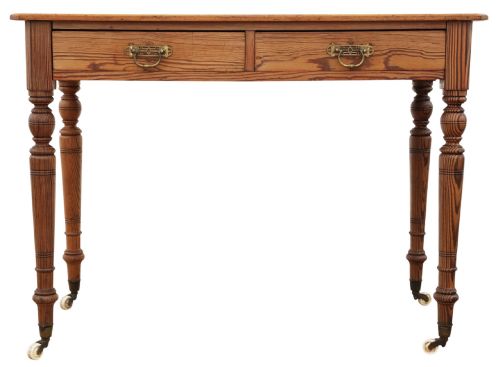
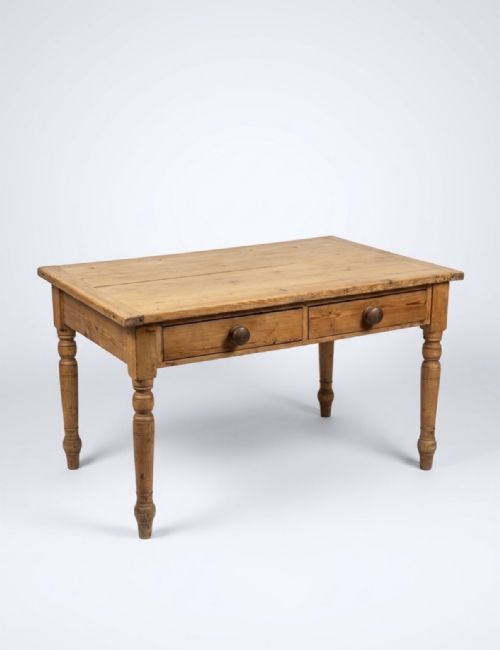
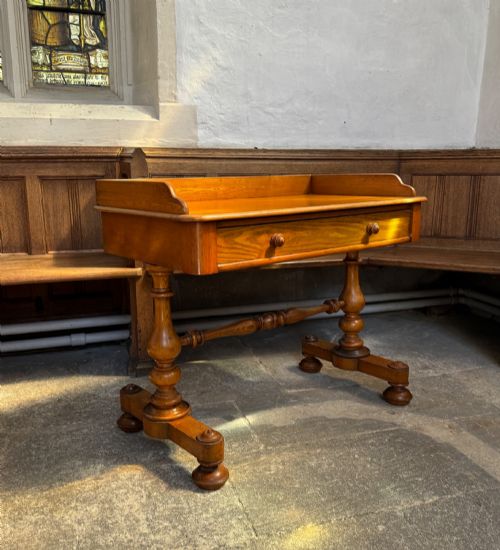
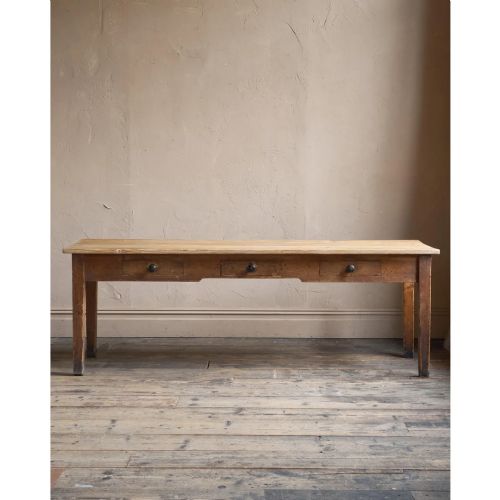
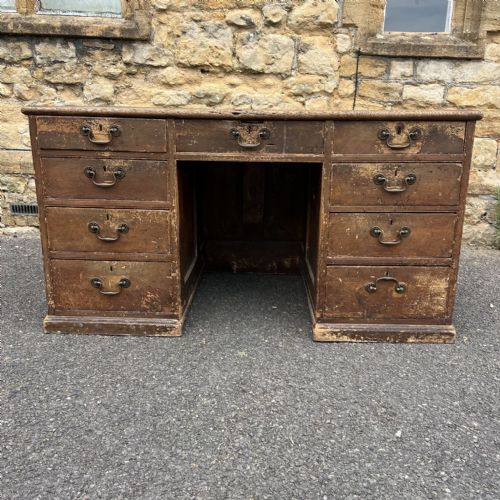
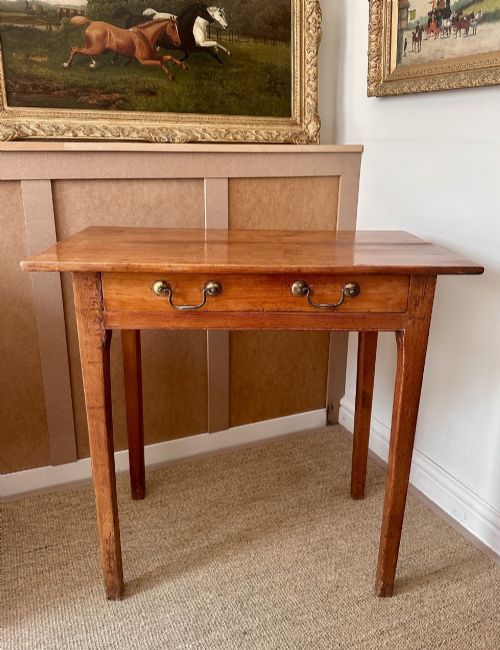
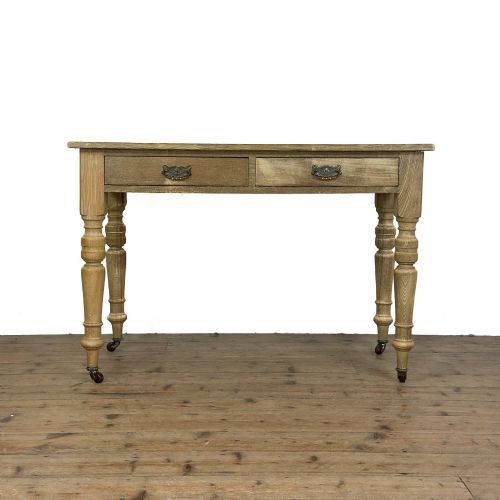
When you search for Victorian pine desk drawers, you encounter a robust selection of writing tables, pedestal desks, and workstations built during the nineteenth century. These pieces combine straightforward form with functional storage, offering single frieze drawers or multiple pedestal banks.
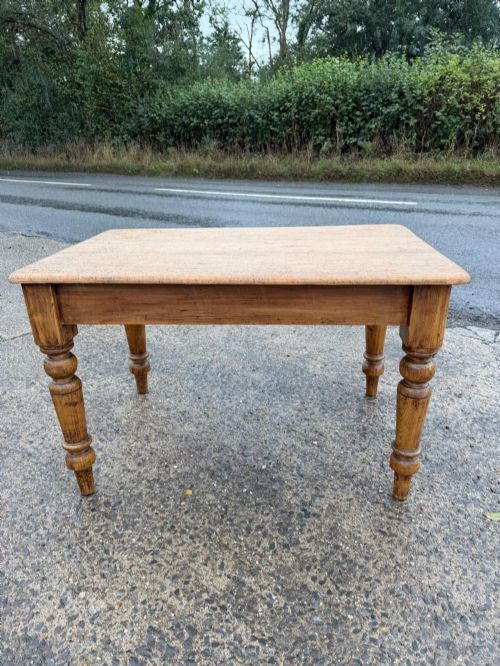
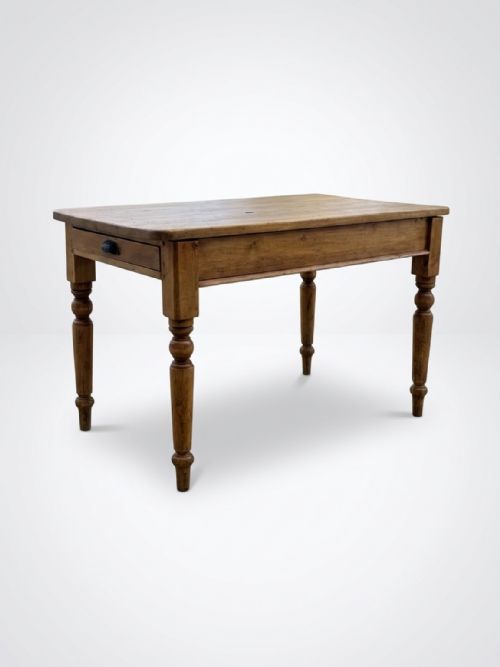
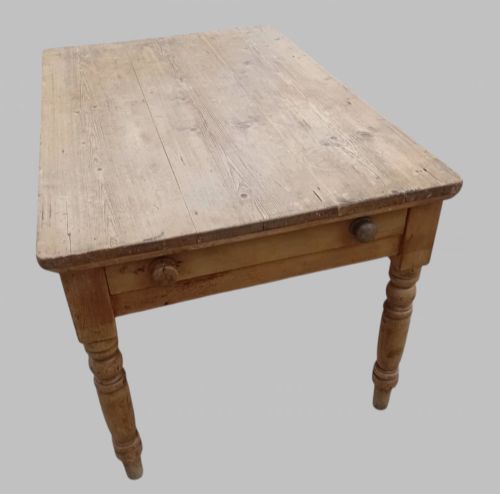
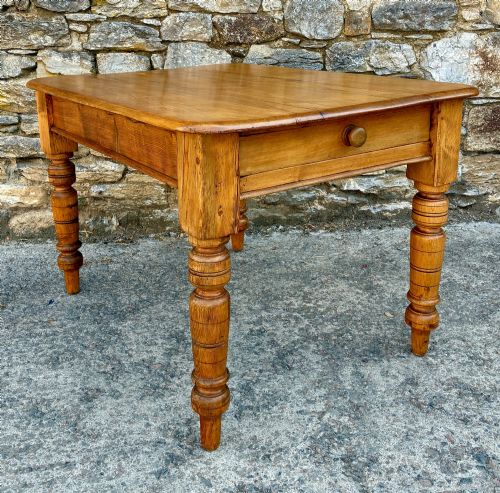
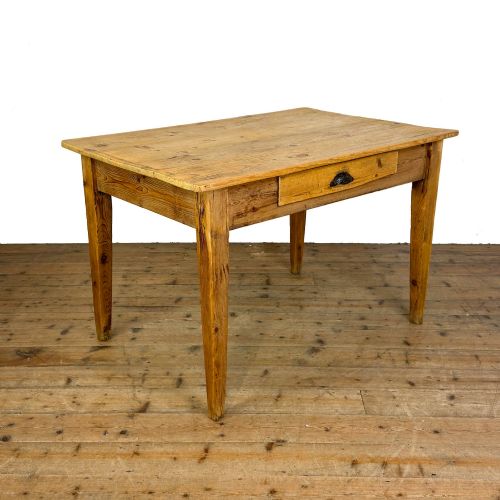
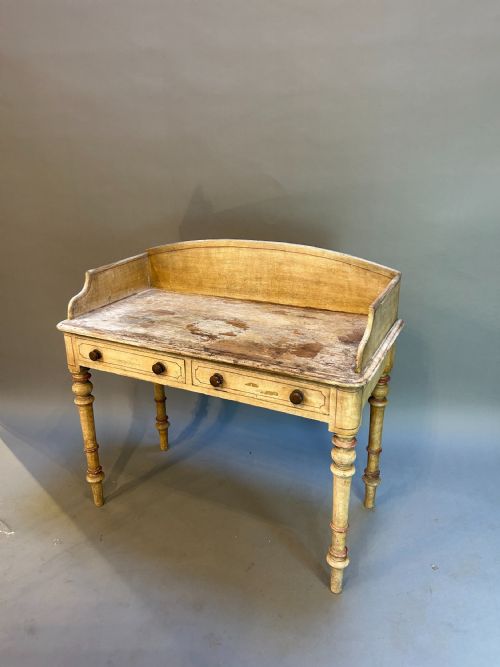
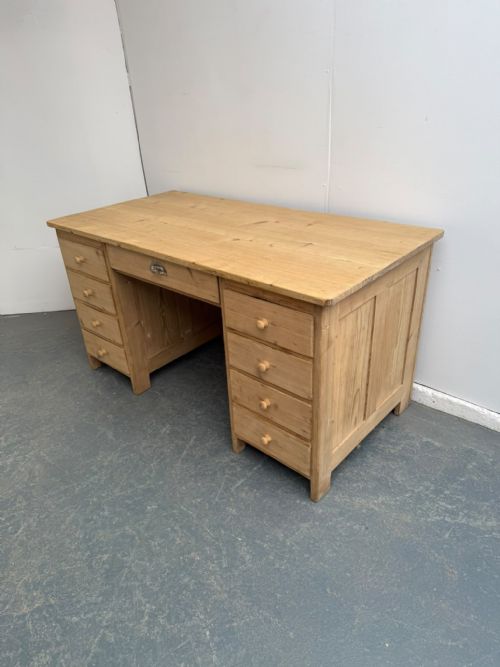
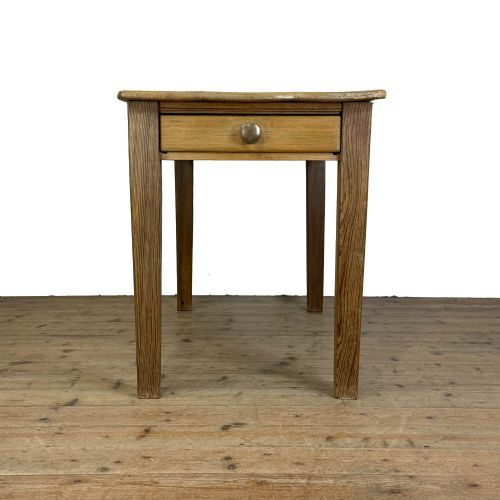
The versions most commonly met on this page range from simple farmhouse tables fitted with a single drawer to substantial pitch pine pedestal desks and secretaries. They originate from domestic, school, and estate settings, reflecting the practical needs of their era.
Makers utilised softwoods extensively, pairing standard pine with pitch pine and occasionally incorporating fruitwood or oak details. Their forms span from rustic country tables to formal writing and dressing desks.
Construction and Materials
Cabinet makers built these pieces using solid pine and pitch pine, often selecting denser pitch pine for heavy-duty library and pedestal desks. Secondary timbers such as oak or fruitwood appear in internal framing and specific writing surfaces.
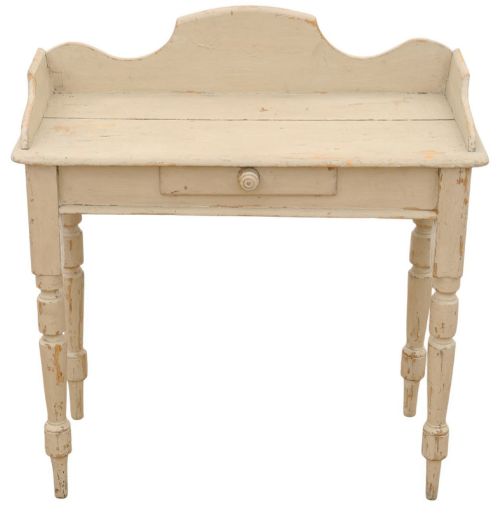
Metal fittings such as brass knobs and handles provide closure to the drawers, while ceramic and glass elements occasionally feature on related washstands and dressing pieces. Paint finishes, from original painted surfaces to stripped and waxed timber, demonstrate varied approaches to initial presentation and subsequent restoration.
Listings feature pieces spanning the Victorian period alongside Edwardian examples, constructed primarily in pine, pitch pine, and painted wood.
Quality and Proportion
The distinction between standard utility items and top-tier pieces lies in the selection of timber density and the precision of the joinery. Dense pitch pine and careful construction separate robust pedestal desks from simpler domestic tables.
Proportion and hardware integration also define the grade of a piece, with well-balanced pedestal arrangements and original brass or ceramic knobs indicating superior manufacture.
The Victorian Pine Desk Drawers Glossary
- Pitch pine
- A dense, resinous softwood favoured for heavy-use furniture due to its durability and distinct grain pattern. It provides structural strength to pedestal desks and writing tables.
- Frieze drawer
- A drawer situated immediately beneath the tabletop within the structural frame. It provides accessible storage for writing implements and papers.
- Pedestal desk
- A substantial form featuring two banks of drawers supporting a central writing surface. These pieces offer significant storage capacity.
- Secretaire
- A cabinet or desk incorporating a drop-front writing slope that conceals internal pigeonholes and secret compartments. It combines cabinetry with a dedicated writing surface.
- Scrub top
- A plain wooden tabletop designed for rigorous cleaning with water and a brush. This surface is characteristic of kitchen and farmhouse tables.
Victorian Pine Desk Drawers: Frequently Asked Questions
What are Victorian pine desk drawers?
They are storage compartments integrated into nineteenth-century writing tables, pedestal desks, and farmhouse furniture built from pine.
These compartments range from single frieze drawers to multi-drawer pedestal arrangements designed for everyday paperwork and storage.
How were these desks used originally?
They served practical functions in homes, schoolrooms, and estates for writing, record keeping, and administrative tasks.
Users stored letters, ledgers, and writing implements within the fitted compartments and drawer banks.
How do I care for a pine desk?
Maintain waxed or polished pine surfaces by applying appropriate furniture wax periodically and avoiding excess moisture.
Keep the timber away from direct heat sources to prevent warping and splitting in the softwood.
How do I identify a Victorian desk?
Look for construction markers such as hand-cut dovetail joints in the drawer construction and the use of solid pine or pitch pine timbers.
Hardware styles, including turned wooden knobs or brass pulls, also indicate nineteenth-century manufacture.