




Small Pine Apothecary Cabinet
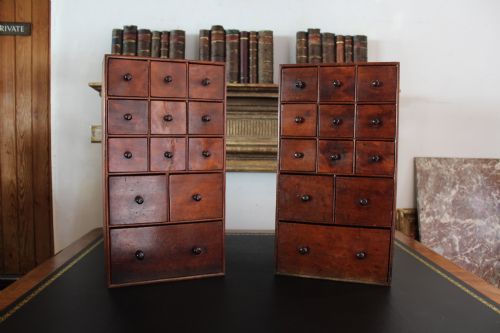
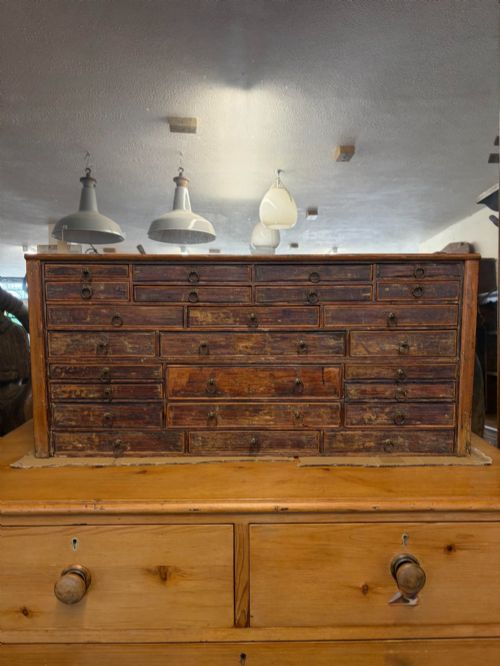
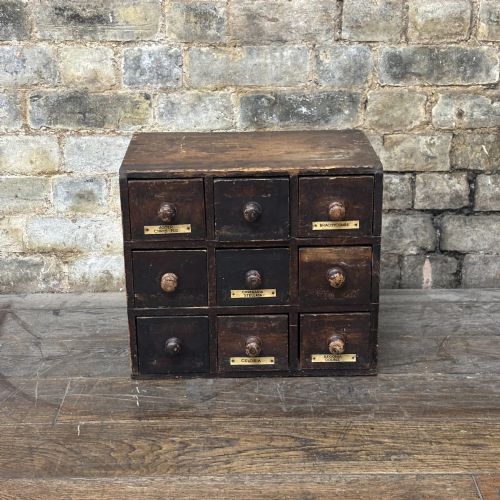
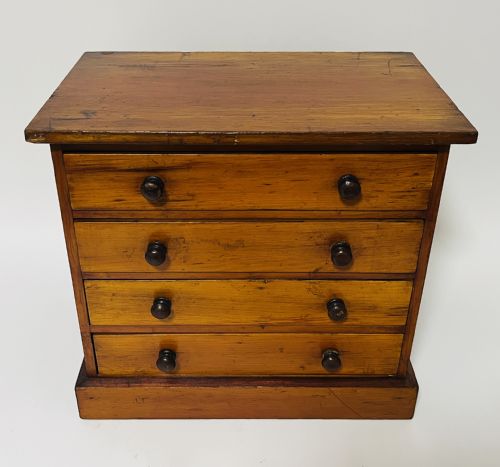
A small pine apothecary cabinet is a compact storage piece with multiple small drawers designed for organising small items, highly valued for its practical compartments and rustic charm.
Small Pine Apothecary Cabinet
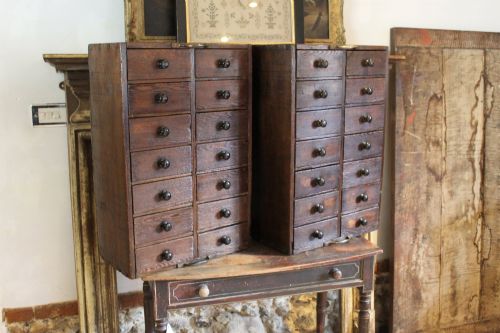
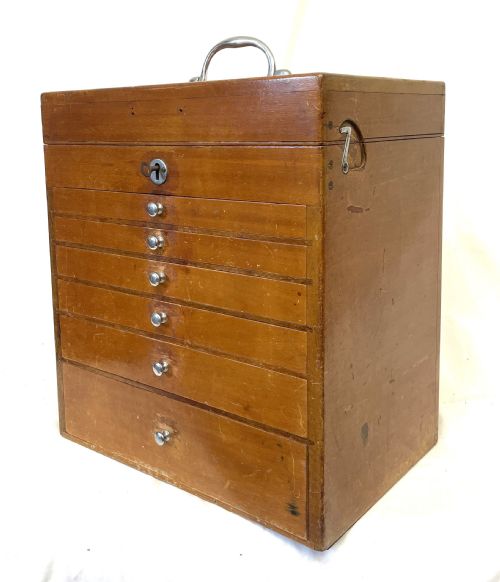
When you search for a small pine apothecary cabinet, you are looking at functional storage furniture originating primarily from the nineteenth and early twentieth centuries. These pieces encompass banks of drawers, wall cupboards, spice boxes, and collectors cabinets built for organising small goods.
The versions you are most likely to meet on this page span Victorian, Edwardian, and Scandinavian country styles. They include multi-drawer chests and wall hanging formats constructed in pine, sometimes paired with oak or mahogany elements.
How they were made
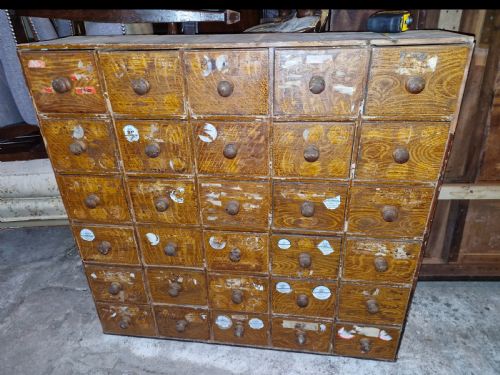
Construction relies primarily on pine and wood, occasionally incorporating brass and iron hardware like drawer pulls and hinges. Some examples feature painted or stained finishes to alter the appearance of the timber.
Makers utilised straightforward joinery appropriate for utilitarian furniture intended for everyday commercial or domestic service. Cabinets frequently combine pine carcass structures with denser woods for internal dividers or specific trim.
Current listings feature pieces spanning the 19th century, Victorian, Edwardian, and 1930s periods, constructed primarily in pine and wood with metal hardware.
What varies in quality
Quality separates through the integrity of the timber selection and the complexity of the drawer configuration. A dense bank of twenty-five drawers requires vastly more joinery work than a simple six-drawer wall cupboard.
Original hardware such as brass handles and the preservation of stained or painted surfaces differentiate standard utilitarian boxes from finer specimens. The presence of maker identifiers or specific institutional origins elevates the historical interest of the piece.
Luxmore's of Ilfracombe·D Napier & Sons
The Small Pine Apothecary Cabinet Glossary
- Bank of Drawers
- A multi-drawer storage unit featuring numerous small compartments arranged in rows and columns. These were originally utilised in shops and surgeries for organising small stock.
- Specimen Cabinet
- A specialised piece of furniture designed to house natural history collections, minerals, or botanical samples. They feature shallow drawers to protect delicate items.
- Deal
- A historical term for fir or pine timber commonly used in British cabinet making. Stained deal refers to softwood treated to resemble a darker hardwood.
- Spice Box
- A small wall-hanging or table-top cabinet with internal drawers intended for culinary ingredients. They date frequently to the nineteenth century.
- Utilitarian
- A design philosophy focused strictly on practical function rather than decorative elaboration. Edwardian utilitarian and industrial utility pieces reflect this straightforward approach.
Small Pine Apothecary Cabinet: Frequently Asked Questions
What were small pine apothecary cabinets used for?
These cabinets served primarily in shops, surgeries, and domestic spaces to organise small goods such as medicines, seeds, and spices.
The numerous small drawers allowed merchants and households to keep fine items sorted and easily accessible.
How do I date a pine apothecary cabinet?
Dating relies on examining construction methods, timber characteristics, and hardware styles associated with periods from the nineteenth century into the 1930s.
Labels, stamps, or specific regional designs such as Scandinavian country or Edwardian utilitarian also help establish the era.
Where should I place a wall hanging spice box?
Wall hanging cabinets fit well in kitchens or studies where wall space is available and small storage is required.
Ensure the wall fixings can support the weight of the timber and the contents stored within the drawers.
Are all these cabinets made entirely of pine?
While pine is the primary material seen across these listings, construction often includes secondary woods like oak and mahogany.
Metal components such as iron and brass frequently appear as hardware or decorative elements.