
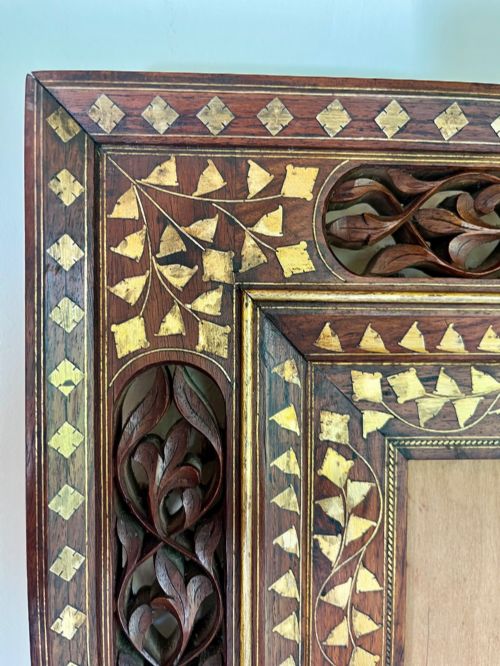
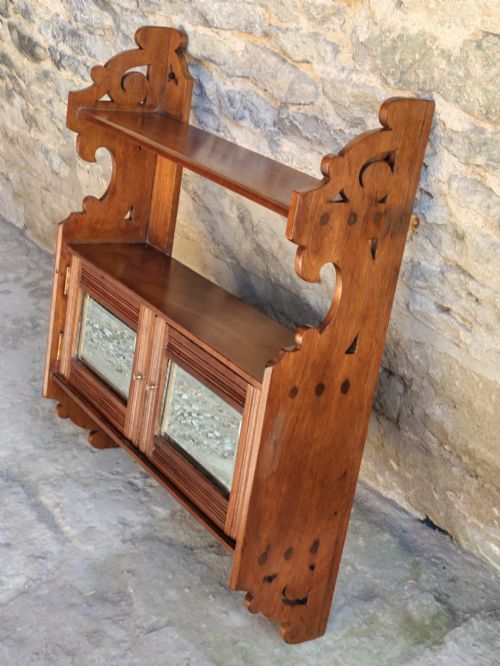


Pierced Carved Mirror
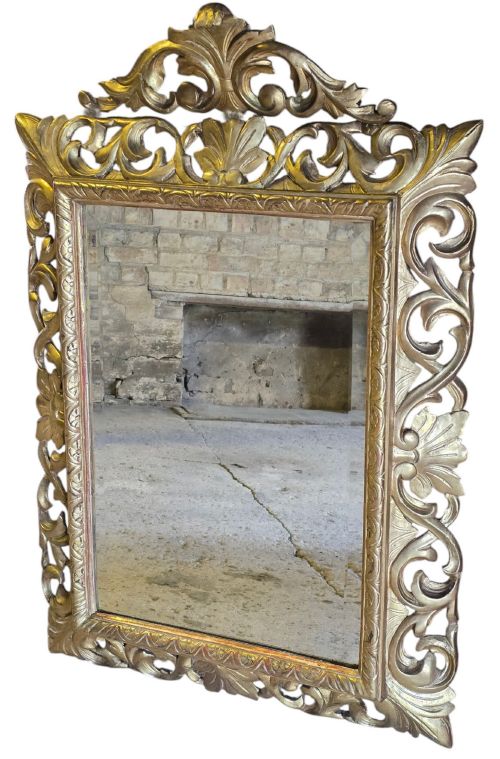
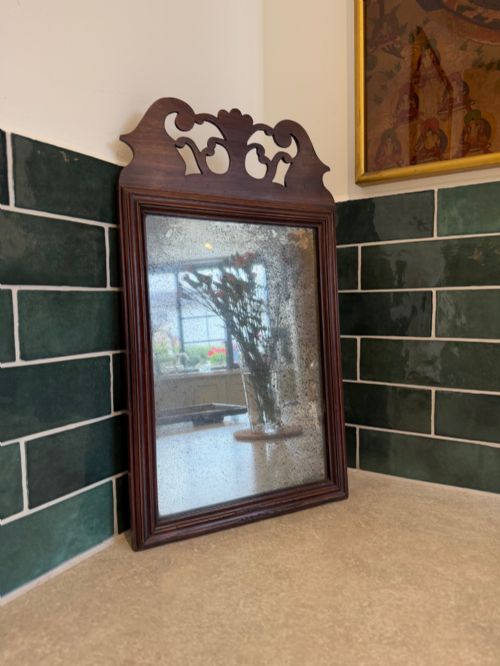
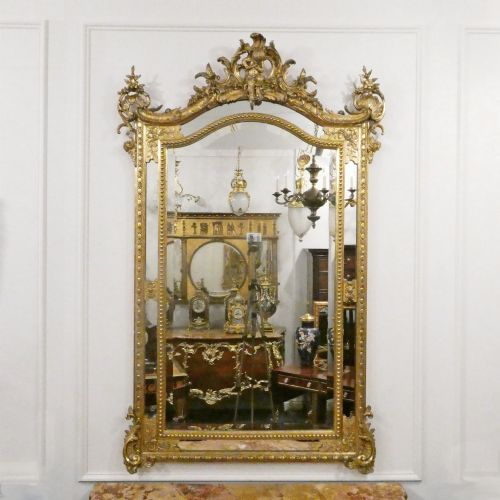
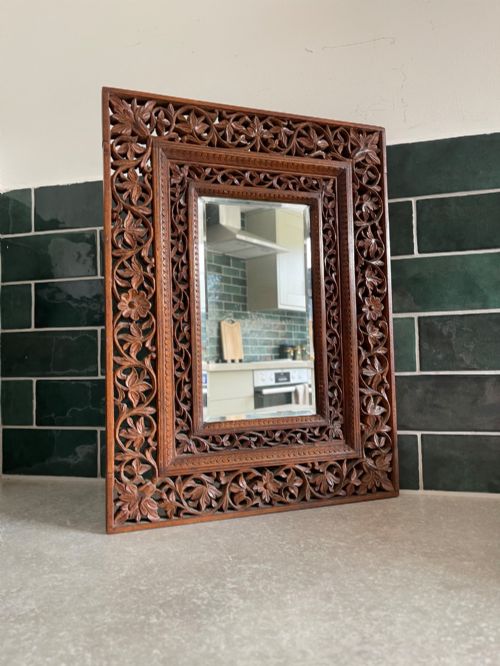
These pierced carved mirror examples combine openwork frames and reflective glass, offering historic craftsmanship suited to period and modern interiors alike.
Pierced Carved Mirror
Buyers meet various historic interpretations on this page, spanning the 18th century through to the Victorian era and early 1900s. Examples include overmantle mirrors, wall cabinets, and vanity mirrors from diverse origins.
Geographic influences shape the selection significantly, with Anglo-Indian, Kashmiri, and Hoshiarpur items appearing alongside traditional European Chippendale and Rococo designs. These regional pieces often integrate brass inlay or dense botanical carving into hardwood structures.
Materials and construction methods
Frames rely primarily on timber such as mahogany, walnut, oak, and dense hardwoods like those found in North Indian and Kashmiri workshops. Artisans shaped these materials using fret cutting and intricate hand carving to achieve openwork pierced borders.
Giltwood and gilt examples utilise layers of gesso applied over a wooden base before receiving gold leaf or paint finishes. Brass inlay also appears on specific regional frames, contrasting with the dark grain of hardwood or the reflective sheen of the glass plate.
Pierced Carved Mirror Retail Price Guide 2026
Typical asking prices for pierced carved mirror among the pieces listed under this phrase on Sellingantiques today, from the lower quarter to the upper quarter. They describe what is for sale here now, not the wider market.
Several mirrors feature the whimsical HoHo bird perched within their intricate fretwork frames, watching over centuries of daily reflection.
What separates examples
Depth and precision of the hand carving distinguish finer examples from simpler production. Crisp execution in fretwork and balanced proportions within Rococo or Chippendale styles indicate skilled workshop output.
The integrity of the surface finish matters greatly, whether original gilding on gesso or intact brass wire inlay within hardwood. Complete openwork sections without structural repairs represent higher-grade survival through the centuries.
The Pierced Carved Mirror Glossary
- Giltwood
- Wood that has been coated with gold leaf over a prepared gesso ground. This technique creates a luminous metallic surface popular in Georgian and Florentine frame design.
- Fretwork
- Ornamental perforated woodwork created by cutting patterns through thin boards. It defines the pierced borders of many 18th-century English wall mirrors.
- Overmantle mirror
- A large horizontal mirror designed to hang above a fireplace mantel. These pieces often feature elaborate gilt frames or painted detailing.
- Gesso
- A plaster-like mixture applied to wood frames to provide a smooth base for gilding or painting. Its quality affects how well the subsequent gold leaf adheres and holds crisp detail.
- Chippendale
- A style of English furniture and mirror design dating from the mid-18th century. It frequently incorporates asymmetrical Rococo scrolls, naturalistic motifs, and pierced fretwork.
Pierced Carved Mirror: Frequently Asked Questions
Where should I hang a pierced carved mirror?
These mirrors suit entrance halls, reception rooms, and bedrooms where their decorative frames catch the light. Overmantle versions fit naturally above fireplaces, while smaller vanity or wall mirrors function well in narrower spaces.
Ensure the wall fixings support the weight of the timber or giltwood frame securely. Positioning the glass opposite a window also helps maximise reflected natural light in the room.
How do I identify a Georgian mirror?
Look for characteristic timber choices such as mahogany alongside classical architectural or Rococo fretwork motifs. Pieces from this period often display hand-carved details like the HoHo bird or symmetrical scrolls.
Construction methods inside the frame, including period fixings and timber age, further distinguish 18th-century examples from later revival pieces.
What is an Anglo-Indian mirror?
These mirrors originate from Indian workshops producing items for British export during the 19th and early 20th centuries. They typically feature dense, intricate carving in native hardwoods.
Many examples also incorporate contrasting materials such as brass wire inlay within the pierced wooden frame, setting them apart from European designs.
How do I care for giltwood frames?
Dust giltwood surfaces gently with a soft, dry brush to protect the delicate gold leaf and gesso layers. Avoid using chemical cleaners, water, or moisture near the frame.
Keep the mirror away from direct sunlight and damp environments to preserve both the timber structure and the metallic finish over time.