

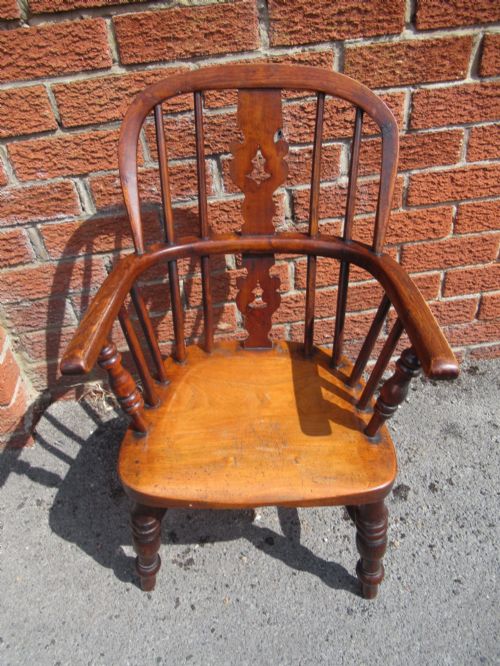
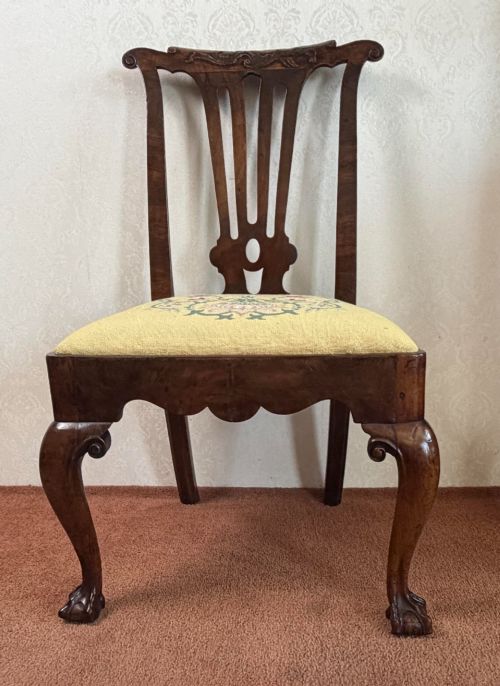
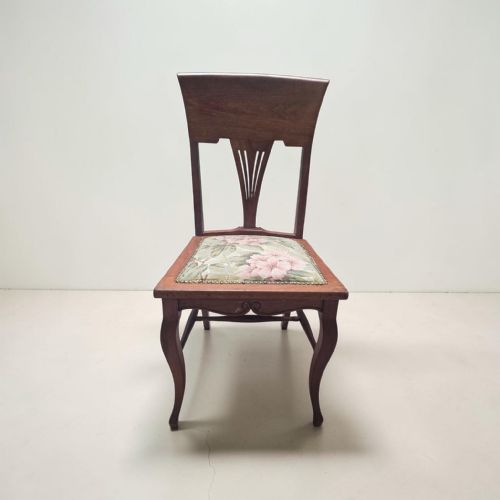
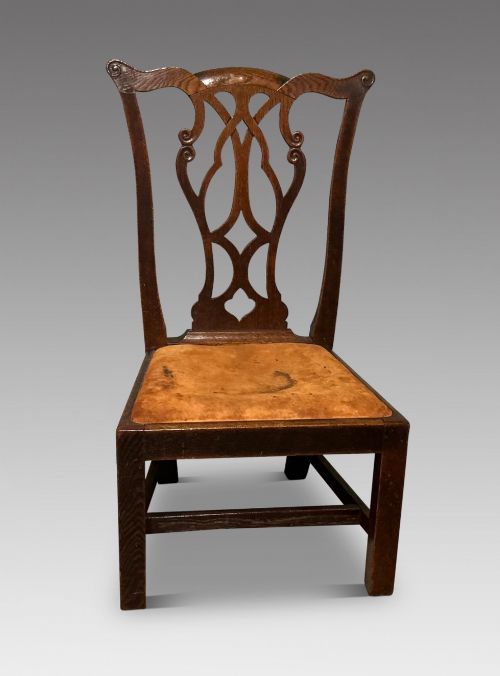
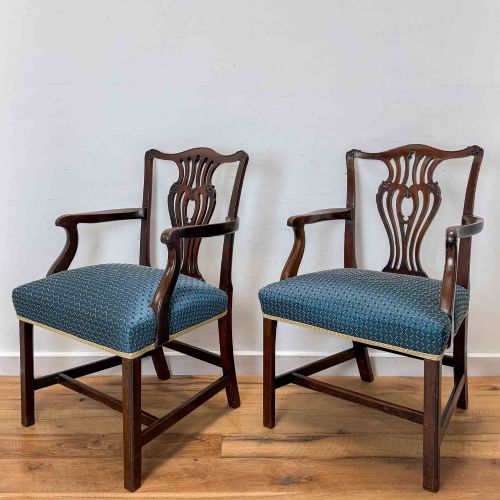
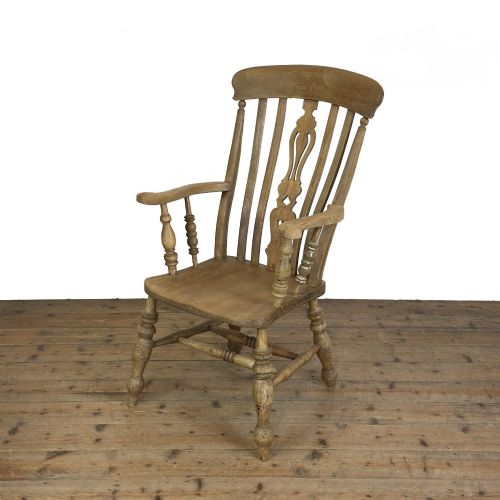
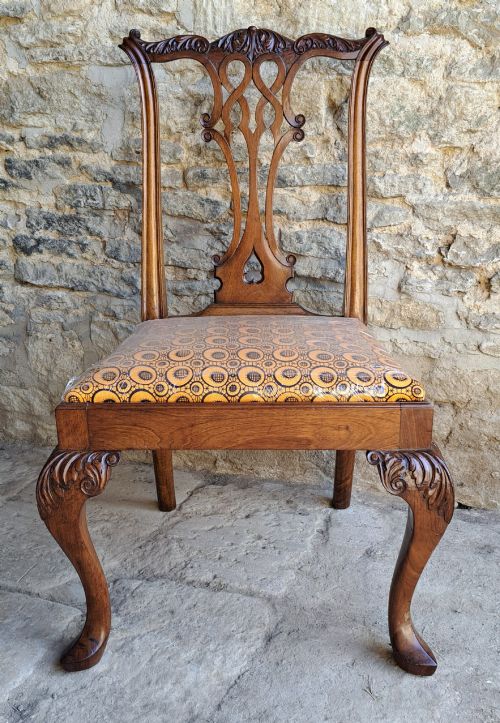
Pierced Carved Back Chair
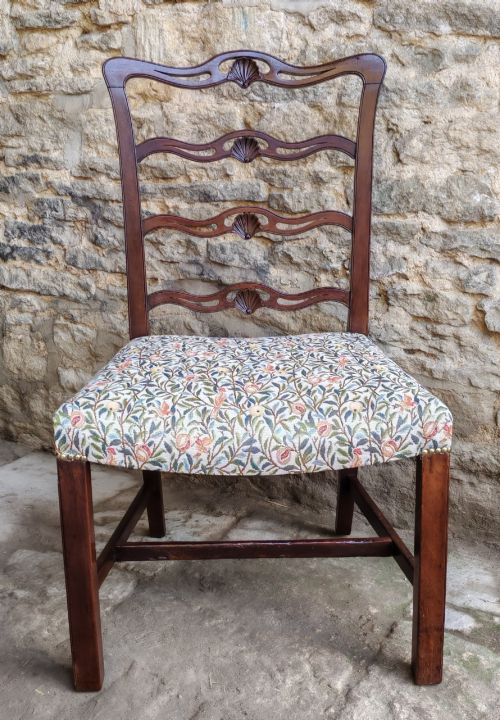
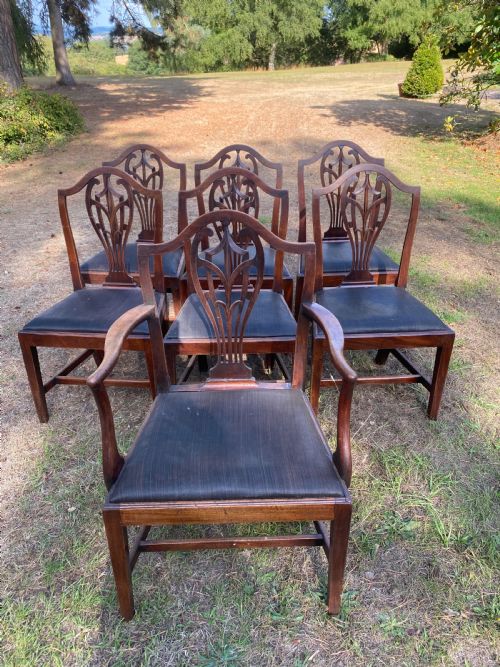
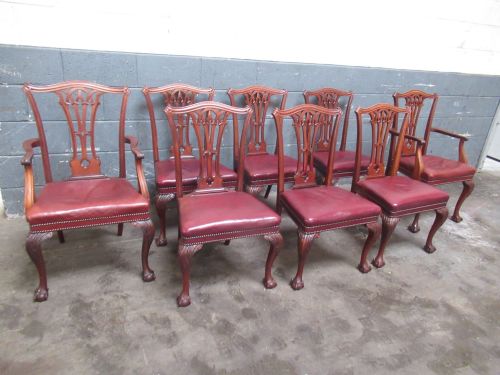
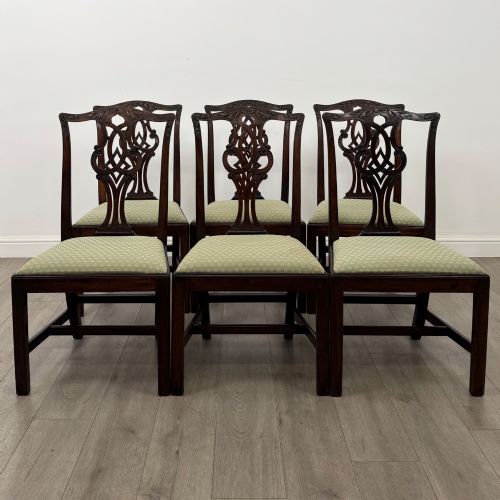
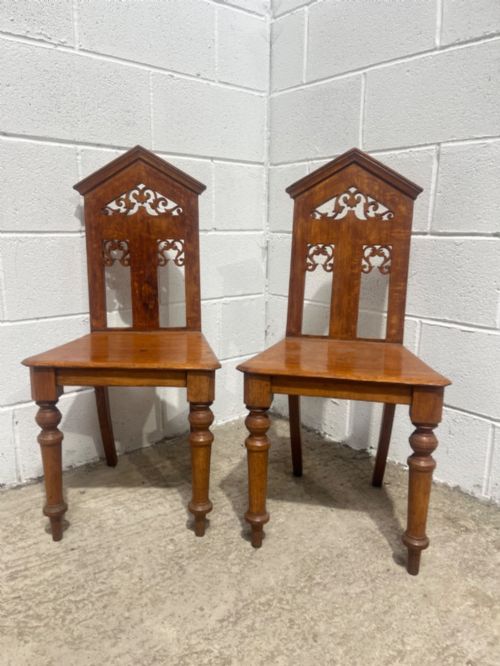
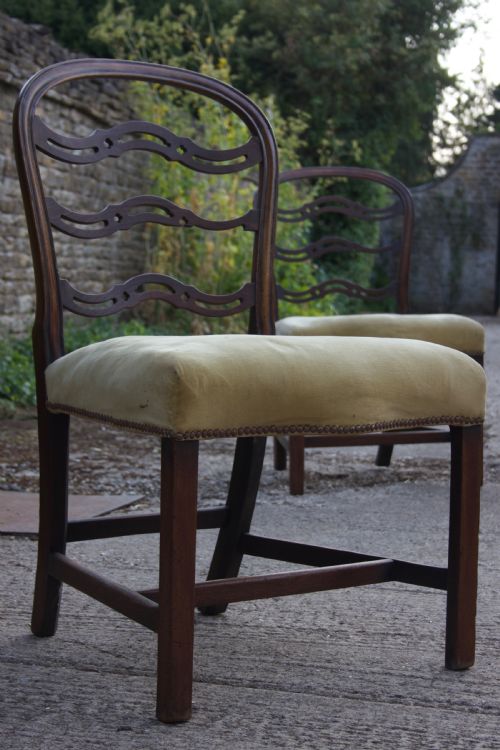
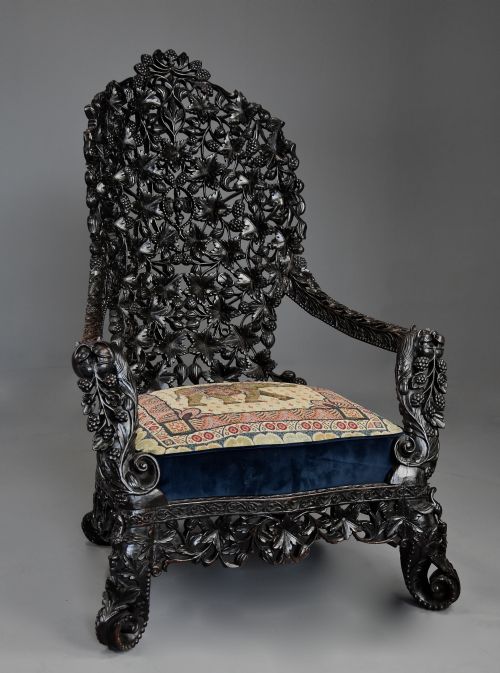
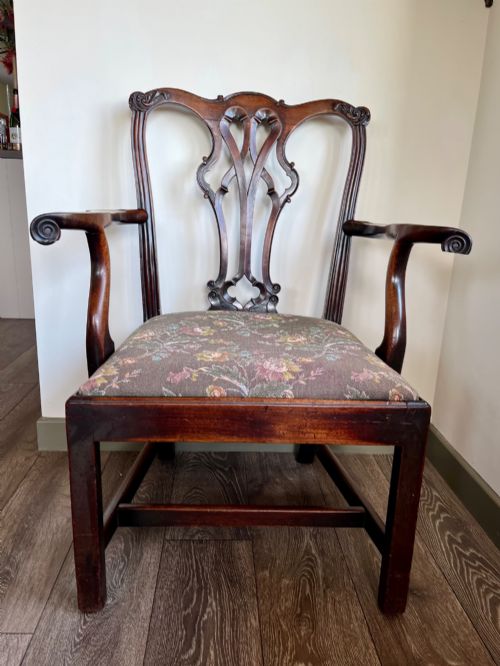
These pierced carved back chair examples bring together mahogany, walnut, and oak frames shaped by Georgian, Victorian, and Edwardian cabinetmakers.
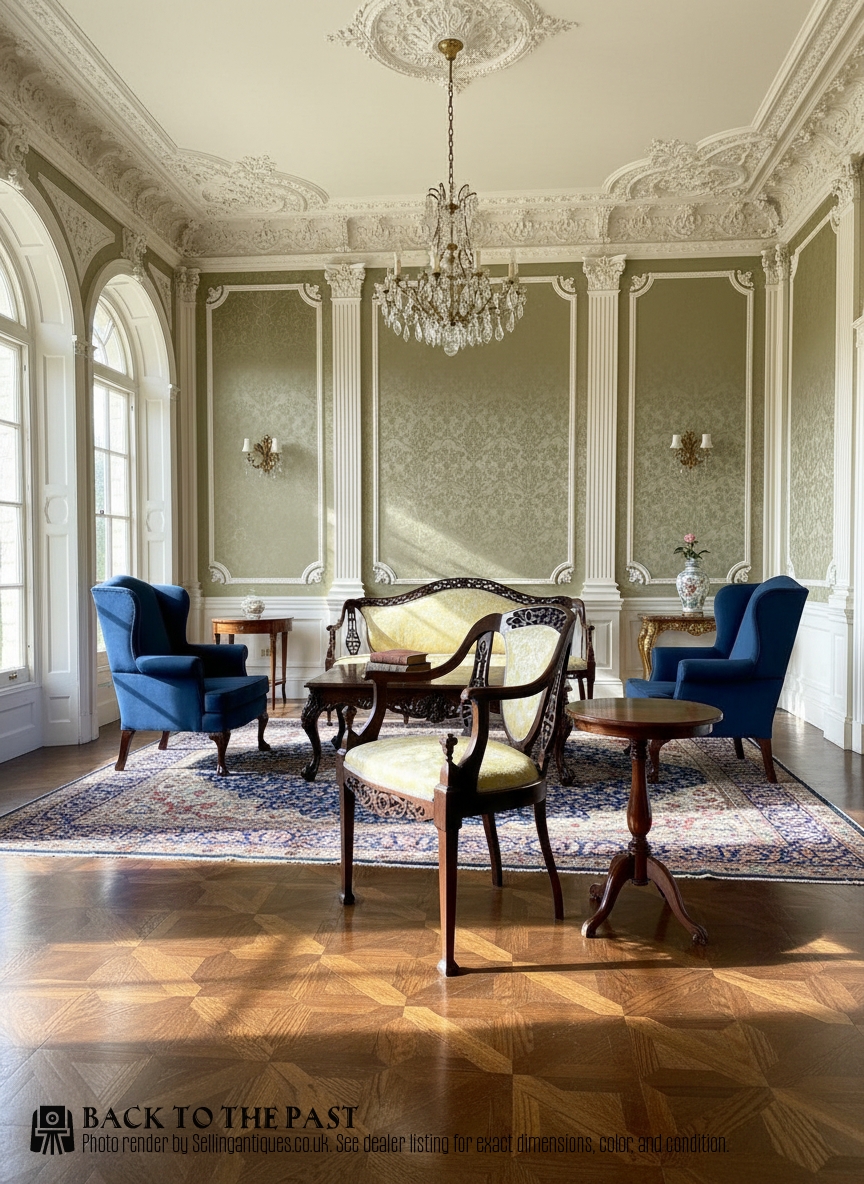
Pierced Carved Back Chair
A pierced carved back chair is a seating form defined by an openwork splat or carved wooden backrest, appearing primarily across 18th century and 19th century periods in formats such as dining chairs, side chairs, and armchairs. You will most frequently meet mahogany and walnut examples carrying Georgian or Chippendale style influences, alongside occasional oak and ash interpretations.
The survival of sets alongside single pieces and pairs indicates how these seating options served domestic interiors from grand dining rooms to smaller studies. Makers adapted the pierced splat format across different timber species, yielding varied profiles from upright hall chairs to generous armchairs with drop-in seats.
How they were made
Cabinetmakers constructed these frames predominantly from solid hardwoods such as mahogany, walnut, and oak, often combining secondary timbers like elm and fruitwood in regional pieces like Windsors. Timber selection dictated the depth of carving achievable in the pierced splat and the stability of the back stiles.
Joinery techniques relied on mortise and tenon joints to secure the seat frame and back assembly, while carved details were executed by hand using gouges and chisels directly onto the solid wood. Drop-in seats were built as separate frames upholstered in fabric, leather, tapestry, or velvet and dropped into a rebated wooden ledge.
Materials recorded across the archive include mahogany, walnut, oak, elm, ash, brass, leather, velvet, and tapestry.
What varies in quality
Quality rests upon the crispness of the hand carving within the pierced splat and the weight and grain definition of the mahogany or walnut timber selected for the frame. Superior examples demonstrate fluid symmetry in the pierced scrollwork and careful matching of wood grain across the stiles and crest rail.
Structural integrity depends on the precision of the underlying joinery rather than surface decoration alone, separating standard production from exceptional cabinet work. The retention of original timber surfaces and upholstery frames that fit flush within the seat rebate further distinguish finer interpretations.
Thomas Chippendale·Hepplewhite·Wheelers of Arncroach
The Pierced Carved Back Chair Glossary
- Splator splat back
- The upright wooden slat running through the centre of a chair back between the seat and the top rail. This component carries the pierced and carved ornamentation characteristic of the style.
- Drop in seat
- A separate wooden frame fitted with webbing and upholstery that drops directly into a recess in the chair rails. It allows for easier recovering without dismantling the main structure.
- Stiles
- The vertical side posts of a chair back that frame the splat and connect the crest rail to the seat. Their thickness and contouring provide the primary structural support for the backrest.
- Crest rail
- The uppermost horizontal or curved wooden member of a chair back. It often receives the most elaborate carving or shaping in the design.
- Chippendale style
- A decorative vocabulary drawn from 18th century cabinetmaking patterns featuring pierced interlaced splats, acanthus leaf carving, and cabriole legs. Revival versions appeared in later periods.
Pierced Carved Back Chair: Frequently Asked Questions
What is a pierced carved back chair?
A pierced carved back chair is a wooden seat featuring an openwork splat decorated with carved patterns in the backrest. These pieces span multiple centuries and include dining chairs, side chairs, and armchairs.
Cabinetmakers utilised hardwoods like mahogany and walnut to shape these open back designs, which became central to formal dining and reception rooms.
How do I date a pierced carved back chair?
Dating relies on examining the timber species, joinery methods, and stylistic cues present in the carving and overall proportions. Eighteenth-century pieces typically display dense native mahogany or walnut with hand-cut joinery.
Later Victorian and Edwardian revivals often incorporate machine assistance or softer secondary timbers alongside period design motifs. Comparing the construction details against documented regional practices helps narrow the decade of manufacture.
How were drop in seats used?
Drop-in seats served as removable platforms upholstered in materials such as leather, velvet, tapestry, or woven fabric. They rested within a rebated wooden frame inside the chair seat.
This construction allowed households to update upholstery or clean the seating components without disturbing the structural frame of the chair.
Where were these chairs placed originally?
These chairs functioned primarily as dining room seating, hall furniture, or desk chairs depending on their scale and arm configuration. Larger armchairs occupied principal spaces, while side chairs formed matched sets around dining tables.
Oak hall chairs stood in entrance spaces, whereas walnut and mahogany armchairs served libraries and private studies.
What wood types should I expect?
Mahogany and walnut form the majority of formal pierced carved back chair frames across the 18th and 19th centuries. Oak appears frequently in hall chairs, corner chairs, and earlier vernacular formats.
Regional Windsor and farmhouse examples often combine elm, ash, and fruitwood within the same structure to utilise the specific properties of each timber.