




Antique Prayer Desk
An antique prayer desk brings quiet devotion and centuries of craftsmanship into a room.
Antique Prayer Desk
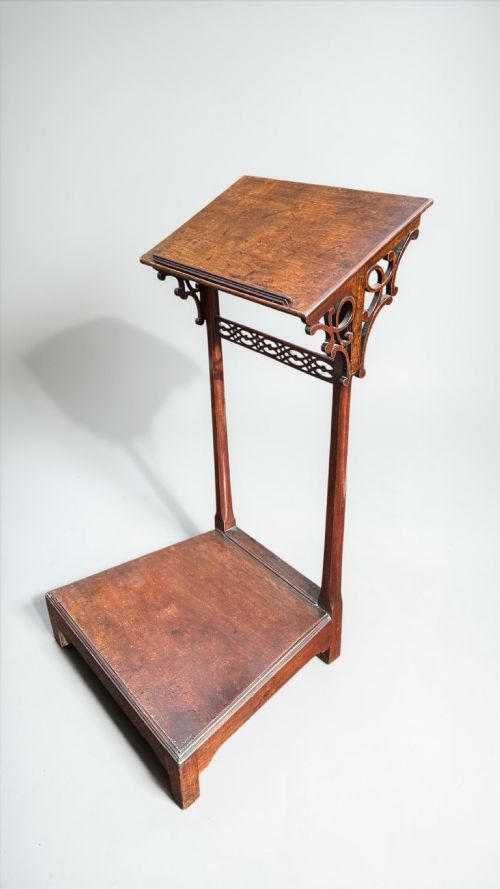
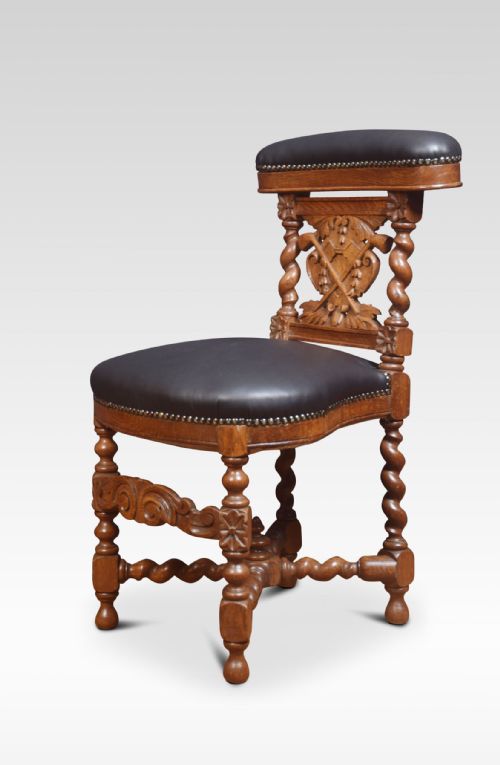
An antique prayer desk serves as dedicated devotional furniture designed for private worship and contemplation. These pieces take various forms, from substantial oak prayer desk kneelers to upholstered chairs intended for prayer.
The examples found here span several distinct periods including Georgian, Victorian, and the year 1900. Buyers encounter diverse stylistic influences such as Gothic Revival, Chippendale, Jacobean Revival, and French Rococo Revival.
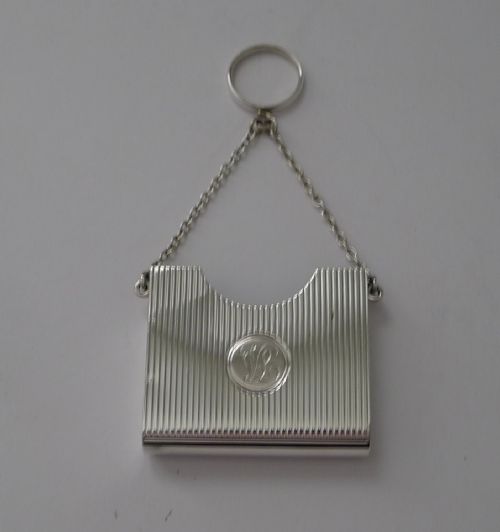
Forms extend beyond traditional desks to encompass prie-dieu chairs, chatelaine accessories, travel clocks shaped like prayer books, and solid sterling silver prayer book holders. Oak, mahogany, walnut, and rosewood form the structural basis of these devotional objects.
How they were made
Cabinet makers utilised dense hardwoods such as oak, mahogany, walnut, and rosewood to construct these pieces. Carved wooden elements display intricate detailing, particularly in Black Forest and Gothic Revival examples.
Upholstered prayer chairs feature supportive textiles including leather, velvet, and various traditional fabrics. Metal components incorporate brass, sterling silver, and gilt metal for hardware and decorative accents.
Antique Prayer Desk Retail Price Guide 2026
Typical asking prices for prayer desk among the pieces listed under this phrase on Sellingantiques today, from the lower quarter to the upper quarter. They describe what is for sale here now, not the wider market.
What varies in quality
The standard of carving distinguishes simpler utility pieces from elaborate craftsmanship. Deep, hand-carved relief work on oak and walnut structures demonstrates superior artistic effort.
The selection of primary timber and the preservation of original upholstery materials, such as leather and velvet, influence the character of each item. Complete pieces retaining integrated brass or silver elements display higher degrees of original integrity.
Sampson Mordan
The Antique Prayer Desk Glossary
- Prie-dieu
- A devotional piece of furniture intended for prayer, typically combining a kneeling platform and a low desk or armrest. French examples frequently appear as upholstered chairs designed for this dual purpose.
- Gothic Revival
- An architectural and decorative style drawing inspiration from medieval design. This aesthetic manifests in pointed arches, heavy oak construction, and fretted tops.
- Chippendale
- A mid-eighteenth-century English design style associated with Thomas Chippendale. Pieces from this period exhibit refined proportions and classical cabinet-making techniques.
- Black Forest
- A regional style of wood carving originating from the German mountain region. Items in this group feature naturalistic animal and foliage motifs rendered in carved oak.
Antique Prayer Desk: Frequently Asked Questions
What is a prie-dieu?
A prie-dieu is a French term translating to pray-God, describing furniture designed specifically for kneeling during prayer. These items usually feature a padded shelf for elbows and a lower platform for knees.
Over time, the form evolved into specialised chairs that combined seating with a high back rest tailored for devotional reading.
How are prayer desks used today?
Modern owners utilise these compact desks and kneelers as distinctive accent furniture in bedrooms, studies, or quiet corners. They serve as writing surfaces or display spaces for books and candles.
Chairs associated with these desks function equally well as decorative seating while retaining their historical ecclesiastical character.
How do I identify Victorian Gothic pieces?
Victorian Gothic items display architectural motifs borrowed from medieval churches, such as pointed arches, quatrefoils, and heavy structural timber. Oak is the predominant wood used for this robust style.
Fretted tops and deep relief carvings further distinguish these nineteenth-century devotional objects from simpler domestic furniture.
What woods were commonly used?
Cabinet makers relied heavily on durable hardwoods like English oak for ecclesiastical furniture and structural items. Walnut, mahogany, and rosewood appear frequently in finer domestic variants.
These timbers were often polished or left with a natural dark finish to emphasise the grain and hand-carved details.