


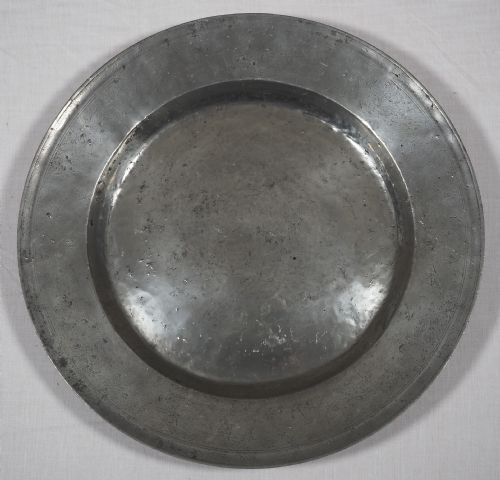


Pewter Serving Platter
A pewter serving platter brings solid weight and a quiet, metallic grey presence to a table, spanning centuries of English metalwork.

Pewter Serving Platter
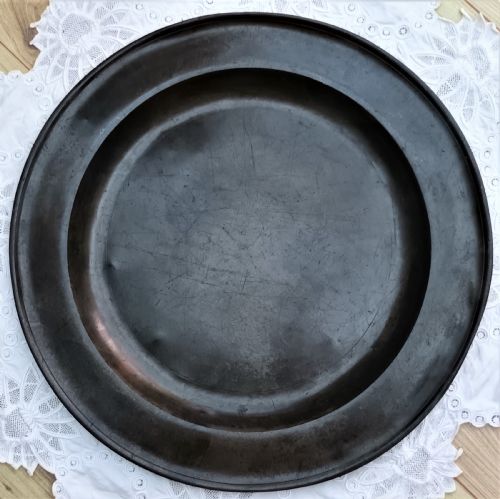
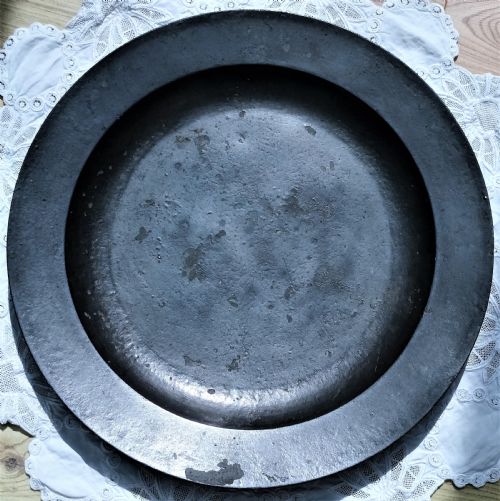
When you search for a pewter serving platter, you are looking at substantial metal dishes and chargers designed for domestic and ceremonial use. The pieces found here range from broad rim chargers produced in the seventeenth century to Georgian plates and Arts and Crafts serving trays.
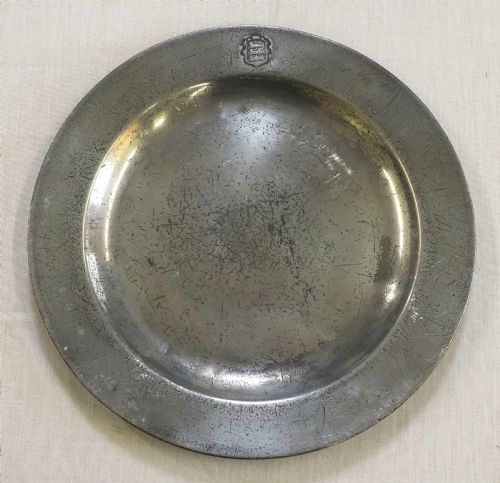
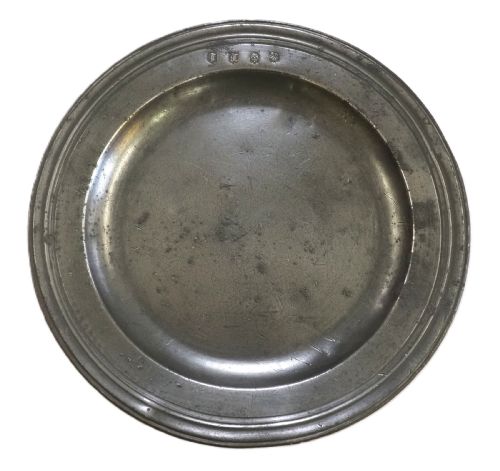
The version you are most likely to meet on this page is an eighteenth century English dish or charger, often featuring reeded borders and maker touchmarks. These circular vessels vary from modest plates to very large chargers spanning over twenty inches across.
How they were made
These items were shaped primarily from pewter, an alloy consisting chiefly of tin mixed with lead or copper to give it durability and weight. Makers cast the metal in moulds before hammering the surface by hand to achieve rigidity and flatness.
Details such as multiple reeded rims, incised borders, and cast coats of arms were applied by hand. Makers often struck their touchmarks into the soft metal to record their workshop and standard of quality.
Pewter Serving Platter Retail Price Guide 2026
Typical asking prices for pewter serving platter among the pieces listed under this phrase on Sellingantiques today, from the lower quarter to the upper quarter. They describe what is for sale here now, not the wider market.
The listings span from the seventeenth century through the Georgian era up to Arts and Crafts production in nineteen hundred, all executed in pewter.
What varies in quality
The distinction between ordinary plates and superior pieces rests on the weight of the metal and the breadth of the rim. Broad rim chargers from the seventeenth century command attention for their substantial heft and generous proportions.
Quality also shows in the crispness of touchmarks and the skill of the all-over hammering. Pieces bearing identifiable maker stamps and armorial engravings demonstrate superior craftsmanship from established workshops.
John Duncomb·Samuel Smith·Wood & Michell·John Tubb·Thomas Alderson·Thomas Haward·Thomas Powell·Edward Leapidge I·Nehemiah Cloudesley·John Barlow·S Duncomb
The Pewter Serving Platter Glossary
- Charger
- A large ornamental or serving plate, typically exceeding sixteen inches in diameter. These substantial vessels formed the centrepiece of formal dining tables before ceramic dinner services became widespread.
- Reeded
- A decorative moulding formed of parallel convex strips. Multiple reeded rims add structural rigidity and visual definition to the edge of a plate.
- Touchmark
- An official stamp impressed into pewter by a maker or guild member. These marks identify the workshop and act as a guarantee of metal standard.
- Broad rim
- A wide, flat border surrounding the central well of a charger. Seventeenth century examples frequently display particularly wide rims.
- Holloware
- Vessels designed to hold food or liquid rather than flat plates. Platters and deep dishes fall into this category of domestic metalwork.
Pewter Serving Platter: Frequently Asked Questions
What is a pewter serving platter used for?
These platters served as large serving dishes for joints of meat and communal dining in wealthy households. Later pieces functioned as decorative chargers displayed on dresser shelves.
Today they serve equally well as display centerpieces or for presenting food at the table, provided the metal is maintained properly.
How can I tell the age of a pewter platter?
Age is identified through stylistic clues such as rim width, reeding patterns, and maker touchmarks. Seventeenth century pieces often feature very broad rims and heavy hand-hammering.
Eighteenth century examples tend toward multiple reeded borders and distinct touchmarks that can be cross-referenced with historical pewterers' records.
What materials are pewter platters made from?
They consist of pewter, an alloy composed mainly of tin combined with varying proportions of lead, copper, or antimony. This composition gave the metal a soft, silvery grey lustre.
The specific alloy mixture determined how well the dish held its shape under the weight of heavy food.
How do I care for antique pewter?
Antique pewter requires gentle washing with mild soap and warm water, followed by thorough drying to prevent water spots. Avoid harsh commercial metal polishes that remove the historic dark patina.
Allowing the metal to retain its natural oxidised surface preserves the character acquired over centuries.