





Pewter Rimmed Platter
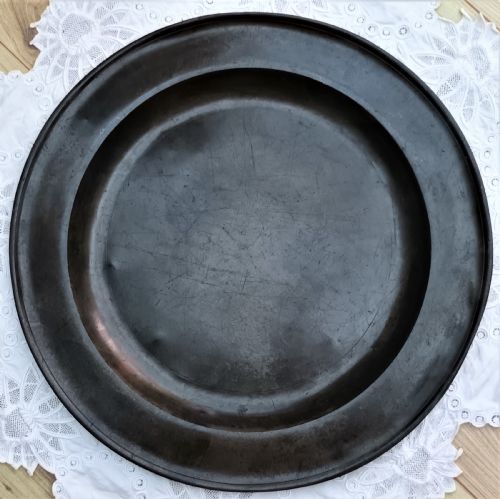
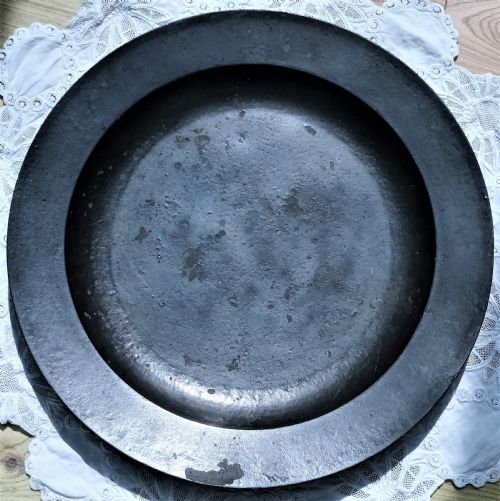
A pewter rimmed platter brings heavy, tactile metalwork into a room, offering tactile metal surfaces spanning the seventeenth and eighteenth centuries.
Pewter Rimmed Platter
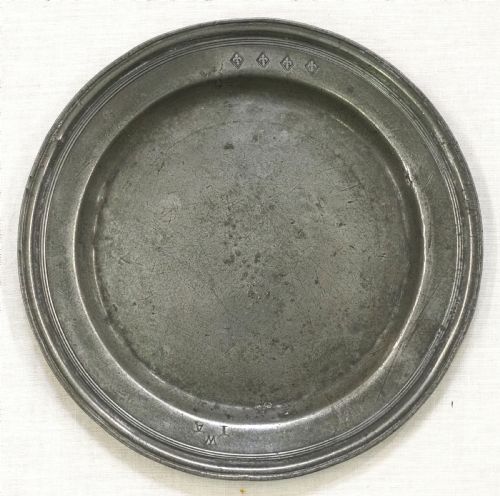
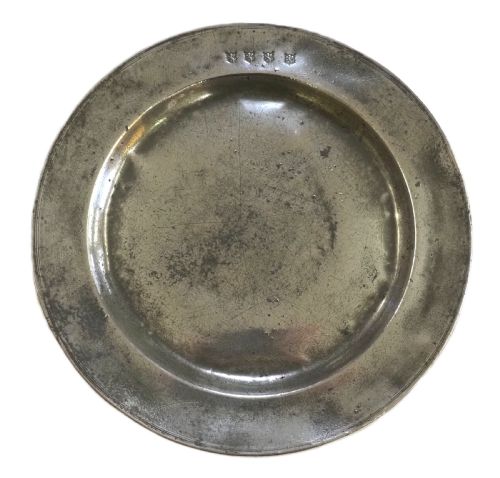
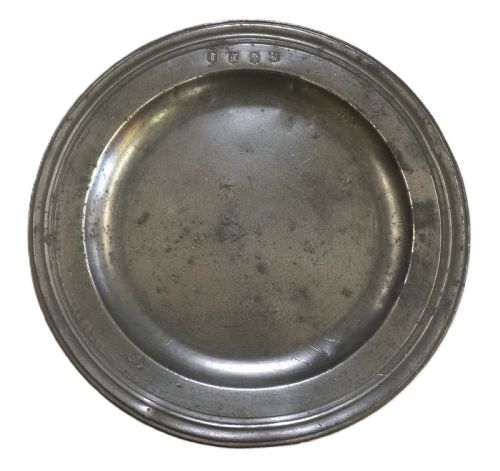
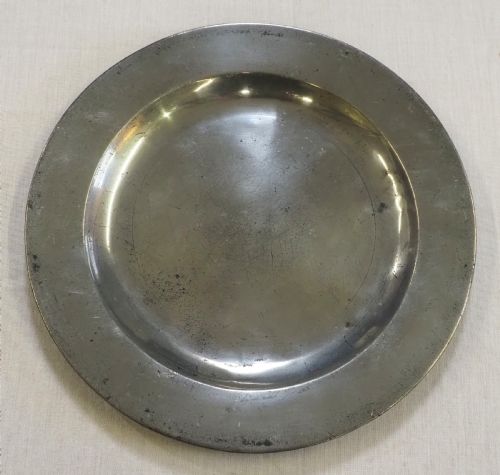
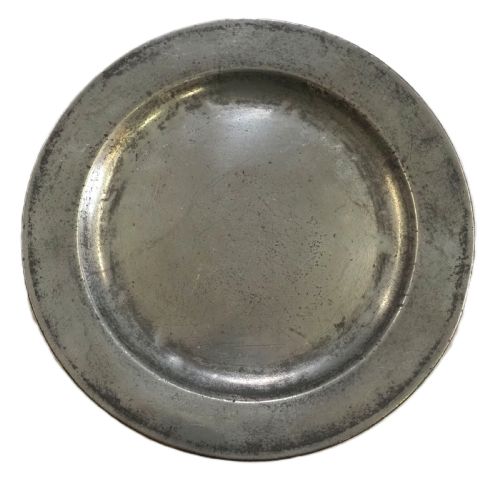
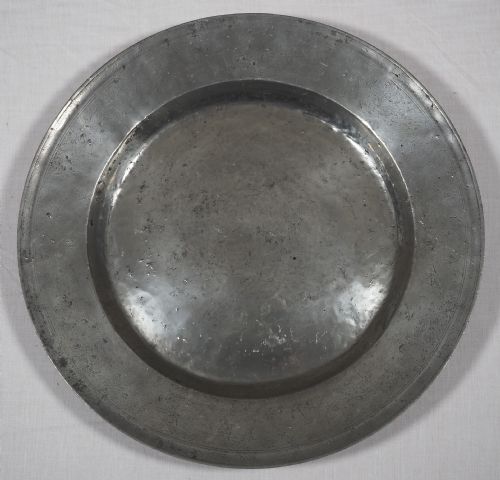
A pewter rimmed platter spans significant domestic and formal dining history, appearing across the seventeenth and eighteenth centuries in English households. Collectors encounter substantial chargers and plates featuring plain, broad, or reeded rims.
The pieces on this page originate from periods such as the Charles II, William and Mary, and Georgian eras. They function as robust display objects or historic tableware, grounding a room in tactile metalwork.
Craftsmanship and materials
These items are forged from pewter, a traditional metal alloy shaped into plates, dishes, and large chargers. Makers utilised hammering techniques across surfaces to achieve structural rigidity and finish.
Pewter Rimmed Platter Retail Price Guide 2026
Typical asking prices for pewter rimmed platter among the pieces listed under this phrase on Sellingantiques today, from the lower quarter to the upper quarter. They describe what is for sale here now, not the wider market.
One seventeenth-century charger proudly bears the Skrymshire family crest, having witnessed centuries of household dining before reaching today's collectors.
Distinguishing quality and character
Quality rests in the crispness of maker touchmarks, the weight of the metal, and the preservation of original rim profiles. Broader rims and overall hand hammering elevate certain examples above standard domestic plates.
Provenance and maker attribution shape interest among collectors. Pieces bearing clear touches from known pewterers carry greater historical weight than unmarked or heavily worn equivalents.
John Duncomb·Samuel Smith·Richard King·John Trapp II·John Tubb·Robert Moulins II·Humphrey Evans II·Thomas Templeman·Lawrence Dyer·Thomas Haward·Thomas Powell·Edward Leapidge I·John Barlow
The Pewter Rimmed Platter Glossary
- Charger
- A large circular plate or platter, typically measuring over sixteen inches, used for serving food or as a base dish.
- Touchmark
- An indented stamp applied by a pewterer to identify their workshop and compliance with trade standards.
- Reeded rim
- A border decorated with parallel raised mouldings or concentric rings pressed into the metal.
- Broad rim
- A wide, flat margin surrounding the central well of a charger, characteristic of seventeenth-century domestic metalwork.
Pewter Rimmed Platter: Frequently Asked Questions
Can I use these chargers for dining?
Historic pewter often contains varying trace levels of lead, making modern food use inadvisable for everyday consumption. These platters are best reserved for display and decorative appreciation.
Enjoying them on walls or sideboard stands lets you study the metalwork safely. Their weight and historic significance suit visual presentation rather than culinary service.
What is a touchmark on pewter?
A touchmark is a small stamped emblem pressed into the pewter by the maker or workshop. These marks act as signatures, denoting quality and origin.
Finding a clear touchmark allows collectors to trace a piece back to specific documented pewterers. Unmarked items still offer craftsmanship but lack direct maker attribution.
How do I date an old pewter dish?
Dating relies on rim styles, manufacturing techniques, and recorded maker operating periods. Broad rims and hammer marks typically point towards seventeenth-century origins, while plain or narrow rims often indicate Georgian manufacture.
Comparing touchmarks against historical trade records narrows down the active working dates of the smith. Material thickness and overall plate geometry also provide clues to the era.