

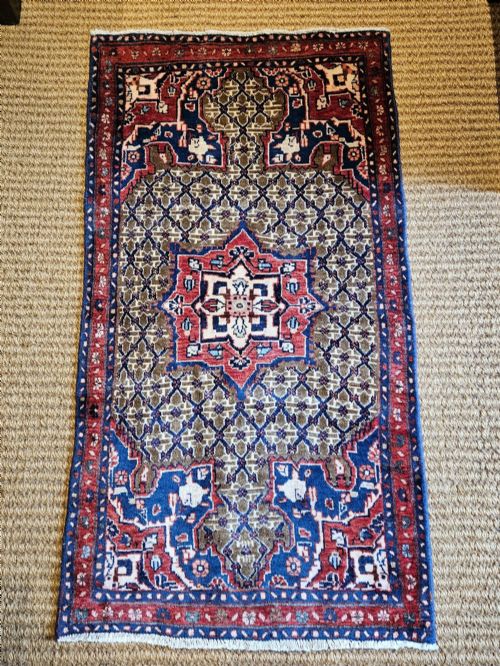
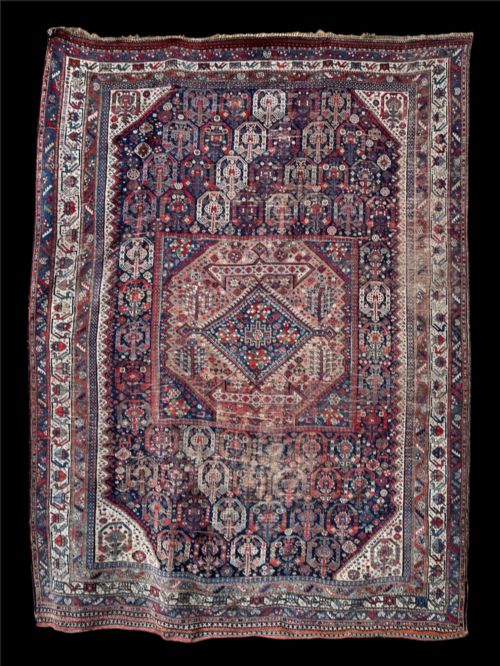


Persian Wool Floor Mat
These persian wool floor mat examples bring tactile texture and heritage pattern into a room through hand-knotted pile.
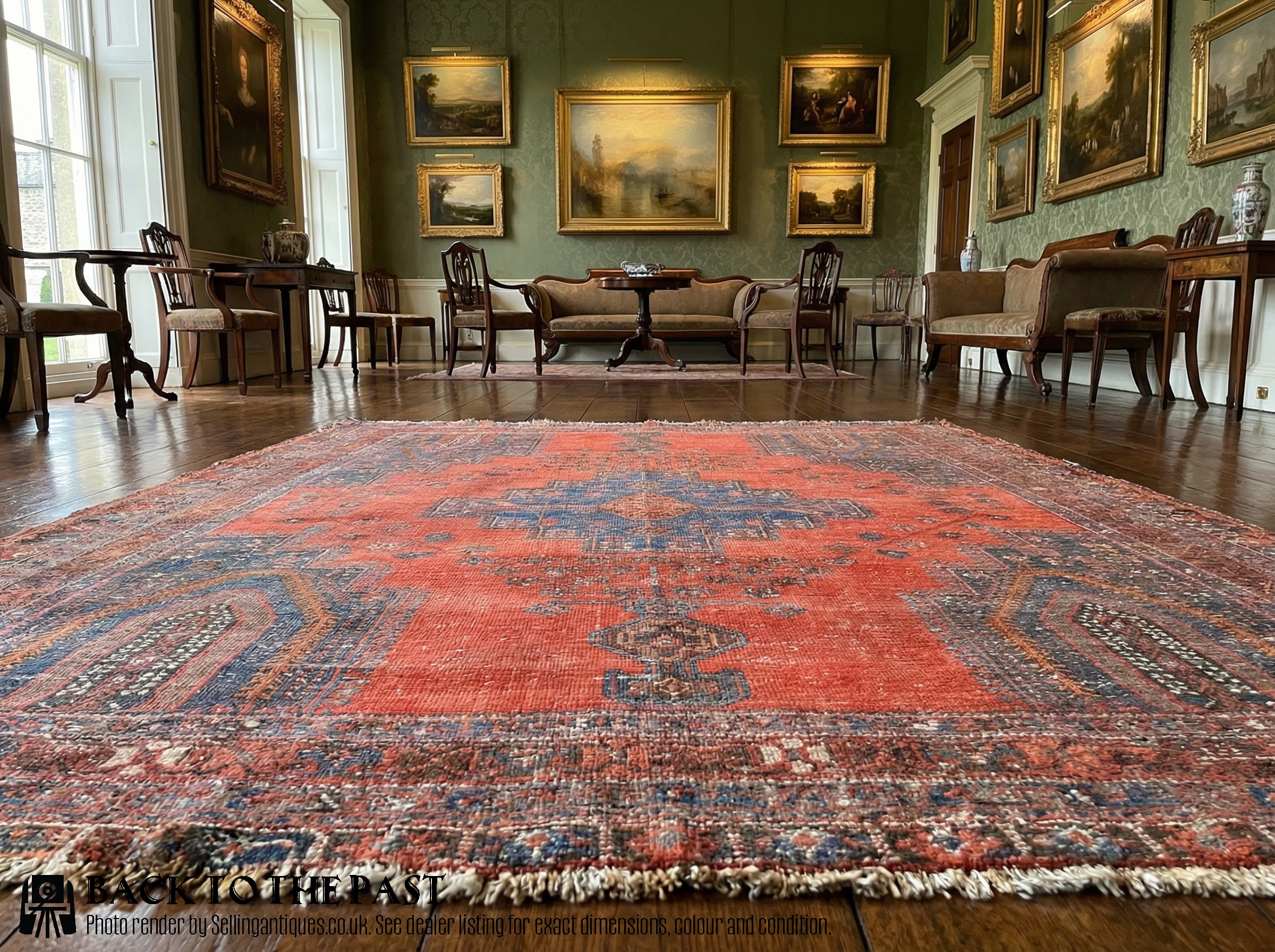
Persian Wool Floor Mat
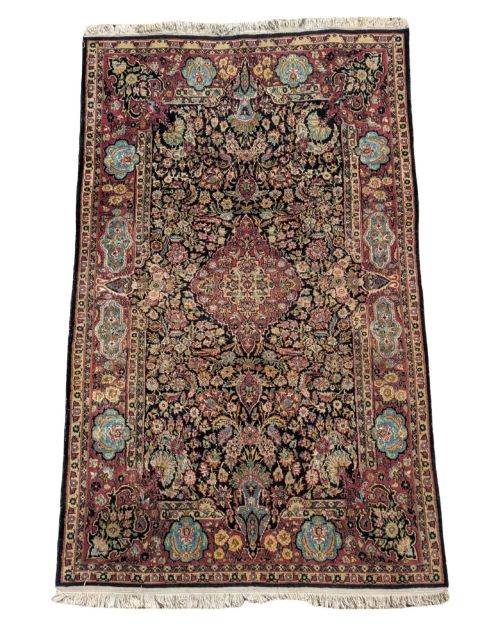
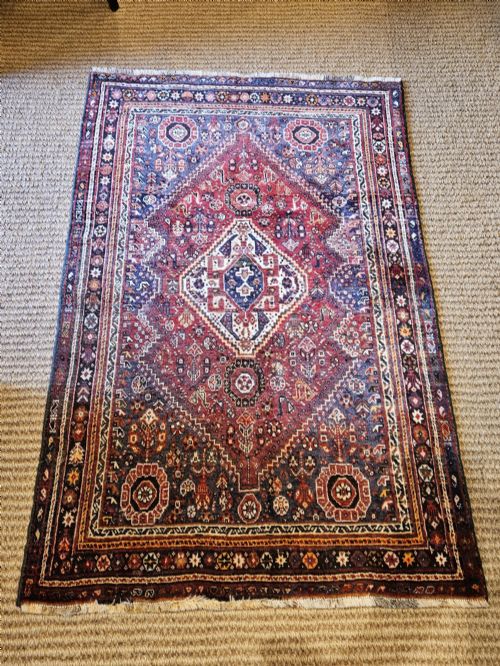
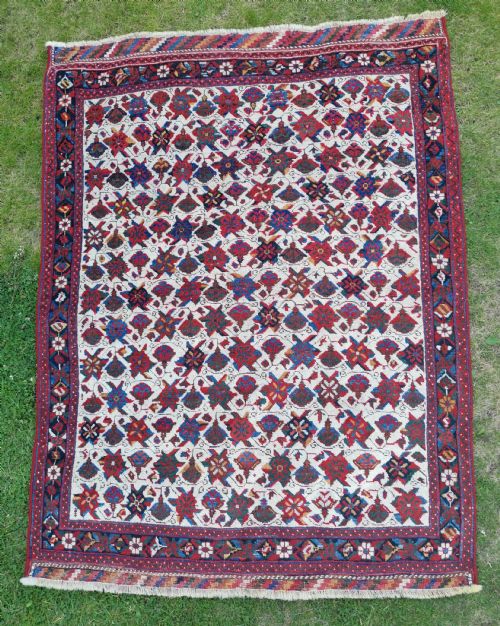
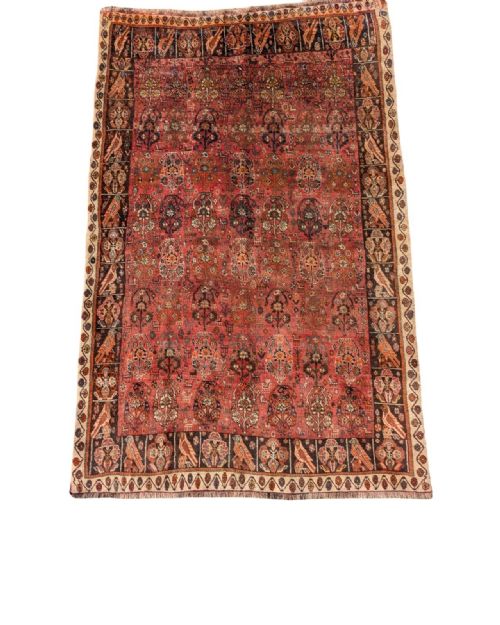
When you search for a persian wool floor mat, you encounter hand-knotted floor coverings spanning village, tribal and city workshops across the nineteenth and early twentieth centuries. These pieces encompass everything from compact hearth rugs and hallway runners to large room-sized carpets and saddlebags.
You are most likely to meet pieces originating from regional traditions such as Heriz, Afshar, Baluch, Khamseh, and Kashan. Their formats range from geometric village weaves to formal floral compositions.
The materials rely predominantly on wool pile, sometimes enriched with cotton foundations and occasional silk highlights.
How they were made
Makers constructed these rugs using wool for the pile, set upon sturdy cotton or wool foundation warps and wefts. The traditional hand-knotting technique allowed weavers to build dense, durable surfaces capable of enduring generations of floor use.
Dyers utilised natural materials to colour the wool, producing deep tones of red, blue, rust and white that mellow gracefully over decades. Certain city carpets incorporate silk highlights to add subtle luminosity to the central motifs.
Persian Wool Floor Mat Retail Price Guide 2026
Typical asking prices for persian wool floor mat among the pieces listed under this phrase on Sellingantiques today, from the lower quarter to the upper quarter. They describe what is for sale here now, not the wider market.
Several nomadic pieces include original wool saddlebags once carried across rugged terrain by working pack animals.
What varies in quality
Quality rests upon knot density, the precision of the tribal or traditional design execution, and the integrity of the wool. Tighter knots allow intricate geometric and floral patterns to resolve with sharper clarity.
The brilliance and depth of the dyed wool dictate visual richness, distinguishing standard village pieces from finer city examples like Isfahan or Kashan carpets.
Arab-jabbareh Tribe
The Persian Wool Floor Mat Glossary
- Pile
- The vertical tufts of wool or silk that form the usable surface of the rug. This soft layer absorbs footfall and displays the woven pattern.
- Warp
- The stationary longitudinal threads stretched on the loom before knotting begins. These provide the structural foundation of the carpet.
- Weft
- The horizontal threads passed across the warp strands to secure the rows of knots in place. They determine the firmness of the rug body.
- Gul
- A medallion-like repeating motif often found in tribal weaves. This octagonal design element appears frequently across Baluch and Turkmen rugs.
- Prayer rug
- A specialised format featuring a mihrab or niche design used historically for daily devotions. These pieces direct the focus toward a pointed architectural arch.
Persian Wool Floor Mat: Frequently Asked Questions
How do I clean an antique wool rug?
Vacuum gently without using a rotating brush bar to protect the delicate hand-knotted pile from pulling or fraying.
Professional specialist washing remains essential for deep cleaning to prevent dye migration and preserve the historical wool fibres.
Where should I place a hallway runner?
Position these long narrow formats in high-traffic corridors or entrance halls where their dense wool construction handles daily movement.
Ensure a suitable underlay sits beneath the rug to prevent slipping and cushion the foundation against stone or wooden floors.
How can I tell tribal rugs apart?
Examine the motifs for distinctive geometric patterns, rectilinear symbols, and repeated octagons typical of nomadic or village workshops.
Compare the colour palettes and wool textures, as regional groups often relied on specific local dyes and spinning techniques.
Can I use these rugs under furniture?
Room-sized carpets anchor sitting areas effectively when placed beneath coffee tables or partially under sofa front legs.
Avoid heavy, sharp furniture feet resting directly on fragile edges to protect the original binding and side cords.