


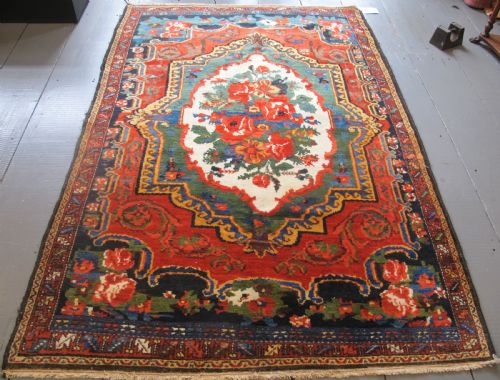
Antique Bakhtiar Rug
An antique bakhtiar rug brings the rich nomadic and village weaving traditions of western Persia straight onto the floor.
Antique Bakhtiar Rug
When someone searches for an antique bakhtiar rug, they are looking at heavy, durable floor coverings originating from the Chahar Mahal region of western Persia. These pieces embody Persian tribal and village weaving traditions, created by local craftspeople who utilised patterns passed down through generations.
The most common version met on this page is the standard rectangular rug, though larger carpets and elongated runner rugs also appear. Dating primarily from the late nineteenth century through to the 1920s, these items offer solid construction and traditional motifs.
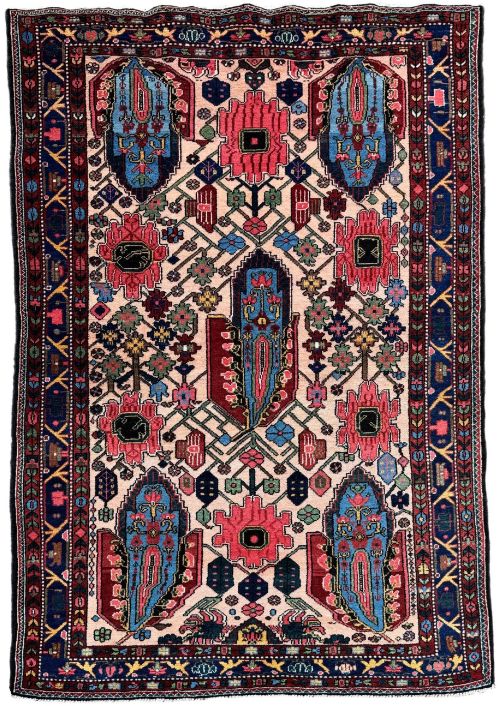
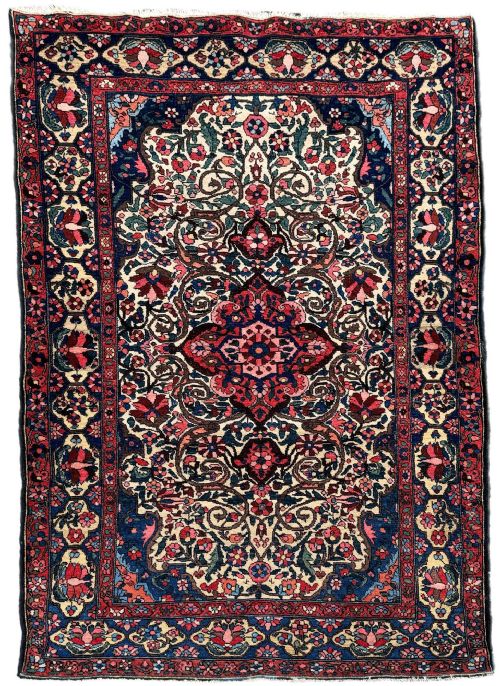
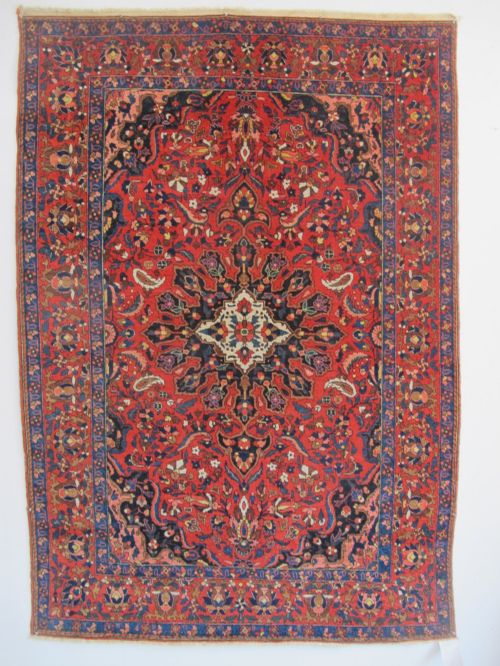
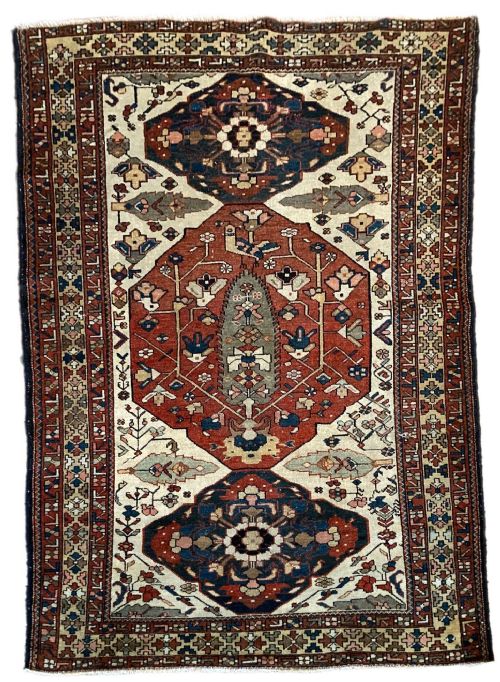
Makers in this region drew upon their surroundings, producing garden panel designs, floral medallions, and repeating field motifs. The resulting textiles range from smaller area pieces to large room-sized carpets suitable for heavy domestic use.
How they were made
The foundation of these textiles relies upon sturdy cotton warps and wefts, providing a stable grid for the dense pile. Artisans knotted hand-spun wool directly onto this cotton framework, creating a thick and resilient surface designed to withstand heavy wear.
Dyers utilised natural materials to colour the wool, producing deep tones that settle gracefully over decades. The combination of dense wool knots and a firm cotton foundation accounts for the substantial weight and enduring structure of these floor coverings.
Antique Bakhtiar Rug Retail Price Guide 2026
Typical asking prices for bakhtiar rug among the pieces listed under this phrase on Sellingantiques today, from the lower quarter to the upper quarter. They describe what is for sale here now, not the wider market.
Some weavers included tiny wandering birds inside their garden panels, adding a touch of life to the geometric geometry.
What varies in quality
The refinement of the knotting largely determines the precision of the drawn motifs and the overall handle of the textile. Denser knots allow for sharper definition within intricate garden panels or floral medallions, whereas looser weaves produce a more relaxed, rustic appearance.
The nuance and depth of the natural dyes also set examples apart. Subtle shifts in shade across the field indicate careful dyeing processes that give the surface visual movement.
The Antique Bakhtiar Rug Glossary
- Pile
- The upright loops or cut ends of yarn that form the usable surface of the rug. This wool layer absorbs foot traffic and displays the woven design.
- Warp
- The stationary vertical threads stretched tightly on the loom before weaving begins. Cotton warps provide structural stability to the entire textile.
- Weft
- The horizontal threads passed alternately over and under the warp threads between rows of knots. They bind the structure together across the width of the piece.
- Medallion
- A large central ornamental design motif placed in the middle of the field. Many traditional Persian pieces anchor their composition around this central focus.
- Garden design
- A formal layout divided into compartments or panels representing traditional Persian gardens with trees, flowers, and water channels. This pattern is particularly associated with village weavers from the Chahar Mahal region.
Antique Bakhtiar Rug: Frequently Asked Questions
Where were these rugs made?
These textiles were produced by tribal and village weavers in the Chahar Mahal region of western Persia. The local communities developed distinctive regional designs that set their weaving apart from city workshops.
Production centred around village and tribal settlements where families passed down traditional knotting techniques and patterns from generation to generation.
How do I care for an antique rug?
Vacuum the piece gently without using a rotating brush roll to protect the wool pile from unnecessary friction. Professional cleaning by a specialist familiar with antique textiles keeps the fibres healthy.
Rotate the rug periodically to ensure even exposure to foot traffic and sunlight. Placing a suitable underlay underneath helps prevent slipping and reduces wear against the floor.
What is a garden panel design?
A garden panel design divides the field of the textile into a grid of compartments. Each individual square or rectangle typically depicts stylised flowers, trees, or birds.
This layout imitates traditional Persian walled gardens, reflecting an ancient design concept translated into wool by village artisans.
How can I tell the age of these pieces?
Dating relies upon examining the materials, structural characteristics, and natural dye palettes used in the construction. Pieces from the nineteenth and early twentieth centuries display specific wear patterns and wool characteristics.
Comparing construction traits against documented examples from periods such as 1890 or the 1920s helps narrow down the likely decade of manufacture.