




Blue Wool Oriental Carpet
A blue wool oriental carpet brings centuries of regional weaving traditions into a room, offering rich natural dyes and durable craftsmanship.
Blue Wool Oriental Carpet
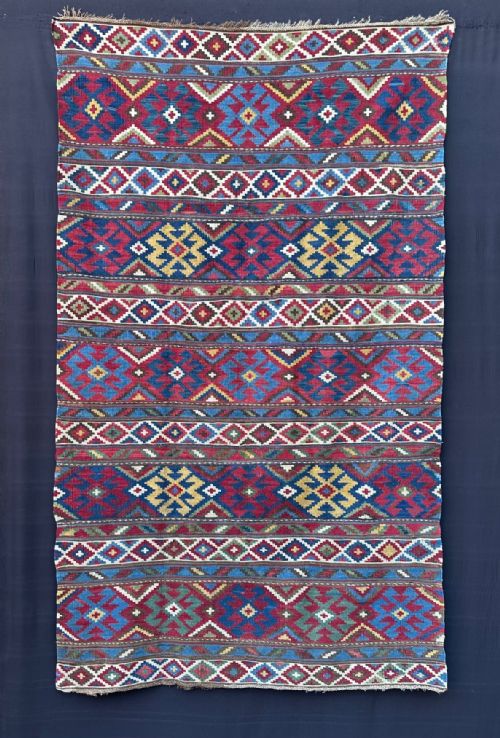
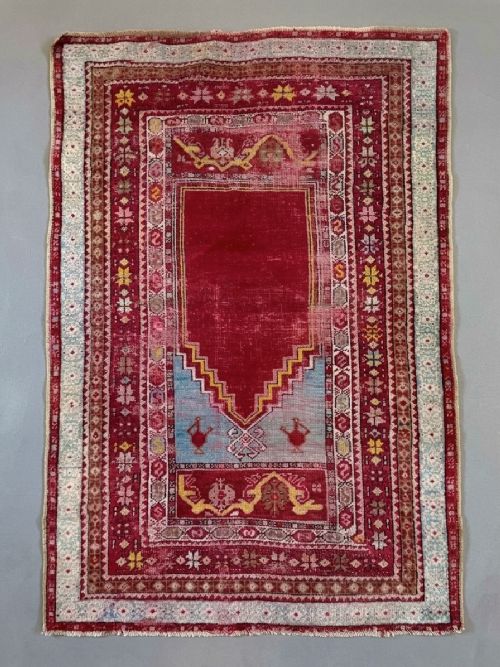
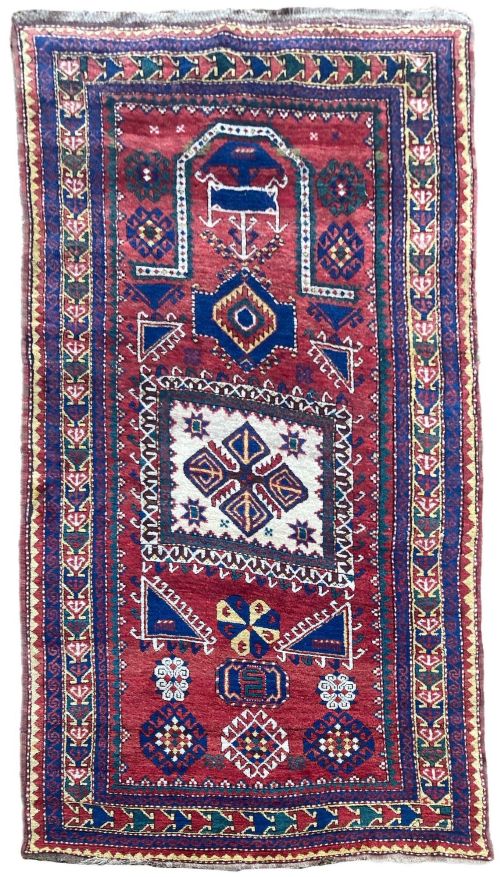
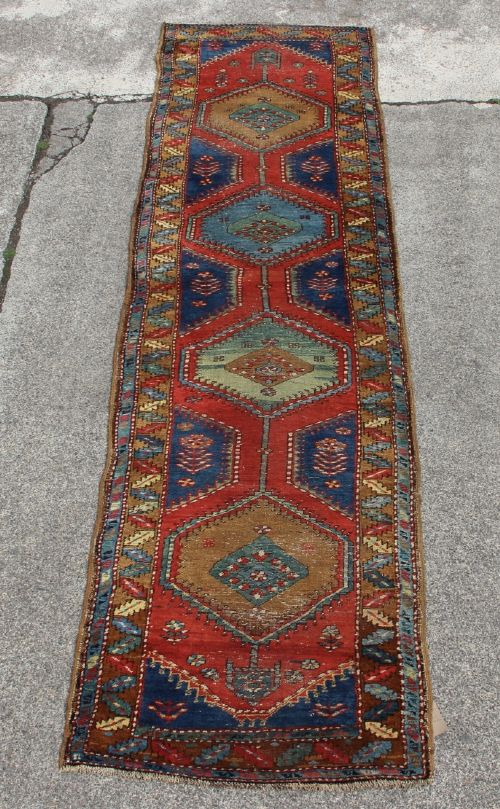
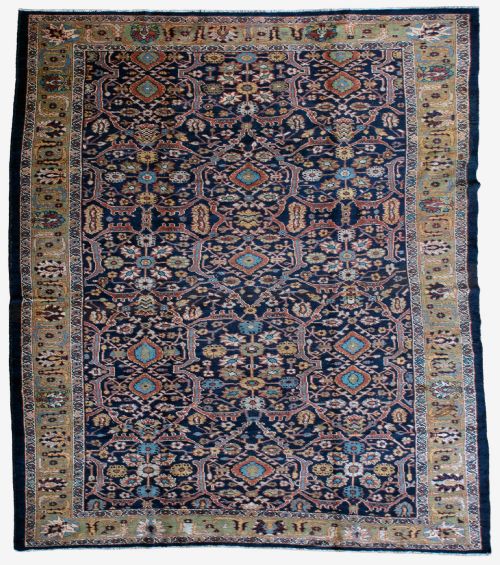
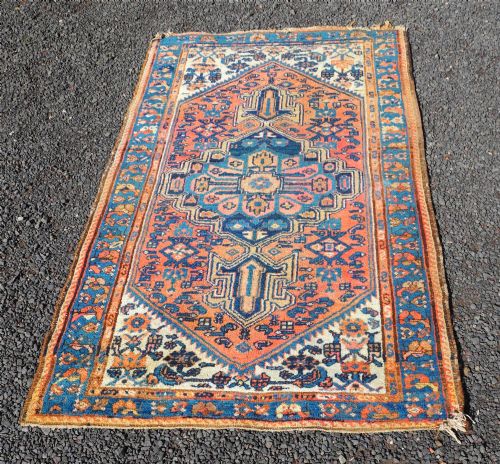
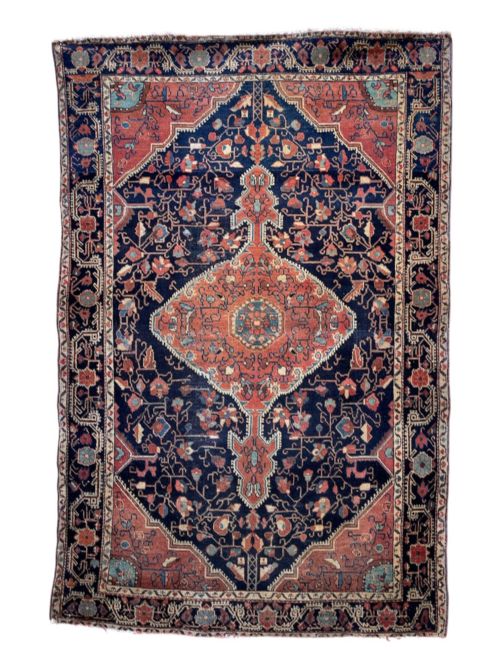
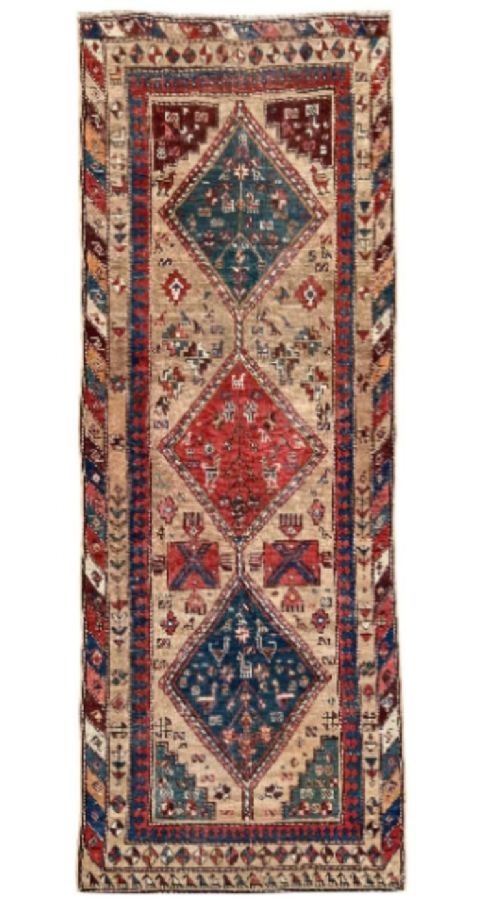
When searching for a blue wool oriental carpet, buyers encounter hand-woven floor coverings originating from Persia, the Caucasus, Anatolia, and Tibet. These pieces span from the mid nineteenth century through to the early twentieth century, taking the form of area rugs, large carpets, runners, and specific prayer rugs.
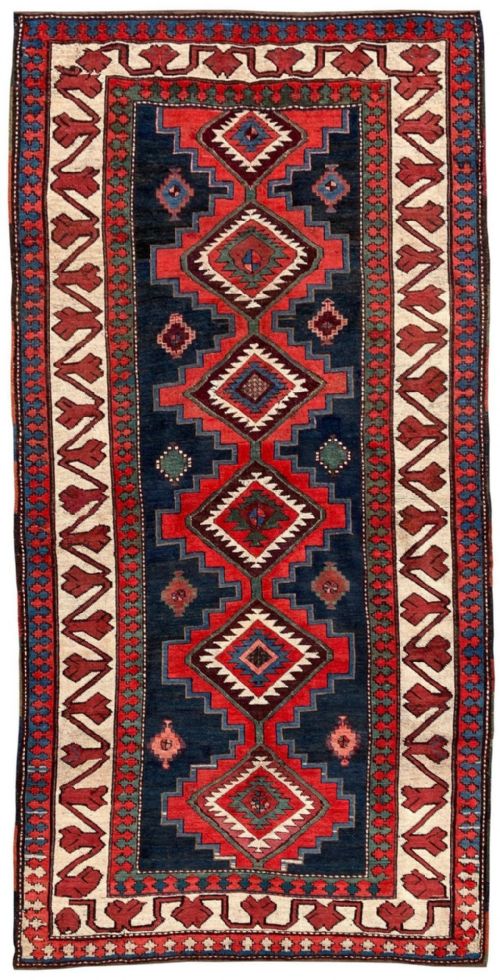
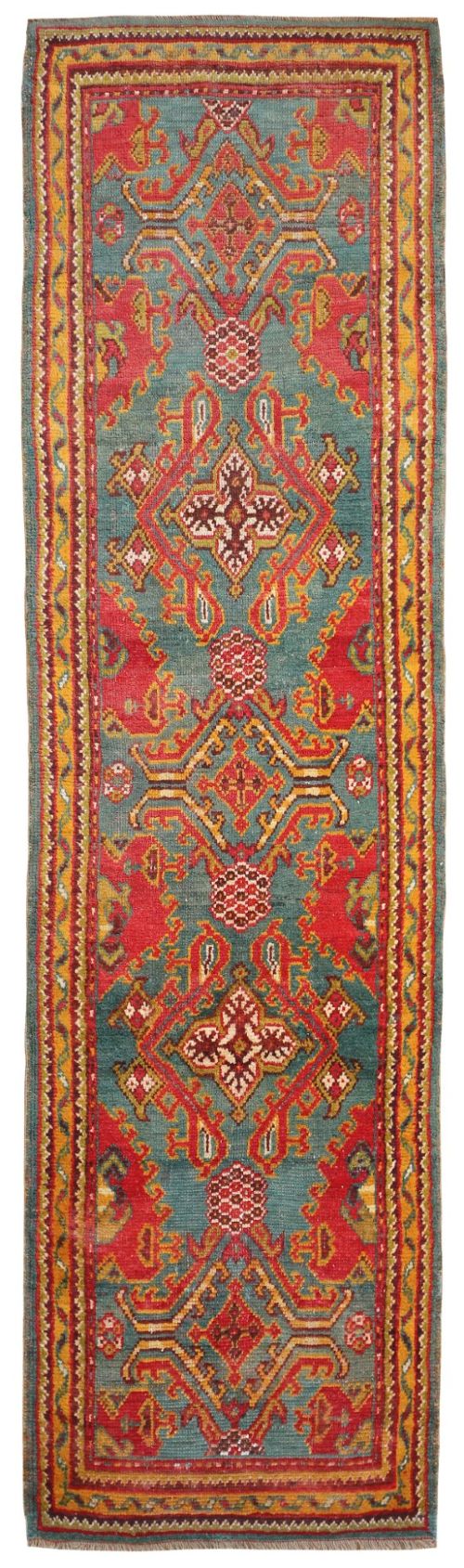
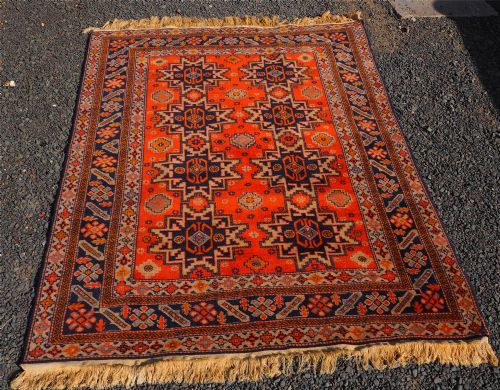
The selections on this page showcase distinct regional styles including Heriz, Kazak, Khamseh, and Ushak designs. These textiles demonstrate traditional geometric and floral patterns executed in wool, cotton, and occasionally silk.
Buyers are most likely to meet vintage and antique examples dating from the 1850s to the 1930s. Each piece reflects the specific tribal or village workshop traditions of its geographic source.
Materials and construction
These floor coverings rely primarily on a foundation of sturdy cotton or wool warps and wefts. The surface pile consists of hand-spun wool, sometimes accented with silk highlights to add textural contrast and visual depth.
Weavers utilised natural dyes to achieve deep indigo blues alongside complementary earthy tones. These colorants were derived from local plants and minerals, interacting with wool fibres to develop rich patinas over decades of use.
Weavers occasionally incorporated intentional irregularities in borders to ward off evil spirits, ensuring every carpet possessed a unique fingerprint.
Assessing quality in regional carpets
The fineness of the knot density and the precision of the geometric or floral layout dictate the tier of a carpet. Tightly packed wool piles create resilient surfaces that maintain structural integrity through heavy foot traffic.
The complexity of the regional design and the depth of the natural dye palette separate standard village production from finer workshop carpets. Variations in wool quality and the consistency of hand-spinning directly influence how gracefully a piece ages.
The Blue Wool Oriental Carpet Glossary
- Warp
- The vertical threads stretched lengthwise on a loom that form the foundational skeleton of the carpet. The exposed fringes at either end of a rug are typically the finished warp threads.
- Weft
- The horizontal threads passed across the warp threads to secure the rows of knots in place. Together, warp and weft create the stable grid of the textile.
- Pile
- The dense surface layer of upright wool or silk ends that forms the visible and tactile face of the carpet. Pile height varies depending on the regional weaving traditions of the maker.
- Natural Dyes
- Colourants sourced from organic materials such as plants, insects, and minerals rather than synthetic compounds. These dyes yield nuanced shades that mellow gracefully over time.
- Runner
- A long and narrow format of carpet designed specifically for hallways, staircases, or corridors. Runners display elongated central medallions or repeating geometric fields.
Blue Wool Oriental Carpet: Frequently Asked Questions
How do I clean an antique wool carpet?
Gentle surface vacuuming without a rotating brush roll removes routine dust and loose grit from the wool pile. Professional rug cleaning is recommended for deep washing to protect natural dyes and foundation threads.
Water saturation and harsh chemical detergents must be avoided to prevent dye bleeding or fibre degradation. Regular rotation ensures even exposure to light and wear across the rug.
Where were these carpets traditionally made?
Production centres span across Persia, the Caucasus region, Anatolia, and Tibet. Each area developed distinct regional motifs, colour palettes, and weaving structures.
Tribal groups and village workshops utilised local materials and passed down specific pattern geometries through generations. This creates the regional identities seen in antique Heriz, Kazak, and Ushak pieces.
Are these carpets suitable for heavy traffic?
Hand-spun wool combined with sturdy cotton foundations creates durable floor coverings built for daily domestic use. High knot densities provide structural resilience in hallways and living spaces.
Using an appropriate underlay rug pad prevents slipping and cushions the foundation against hard flooring. This simple addition reduces friction and extends the functional life of the textile.
How can I tell the age of a rug?
Structural analysis of the foundation materials, fringe wear, and dye types provides indicators of a rug's period. Natural indigo and madder dyes exhibit subtle tonal variations unique to older hand-dyed wool.
Design motifs and regional weaving signatures help narrow down the decade of production. Nineteenth-century examples often display irregular abrash colour shifts resulting from small dye batch variations.