

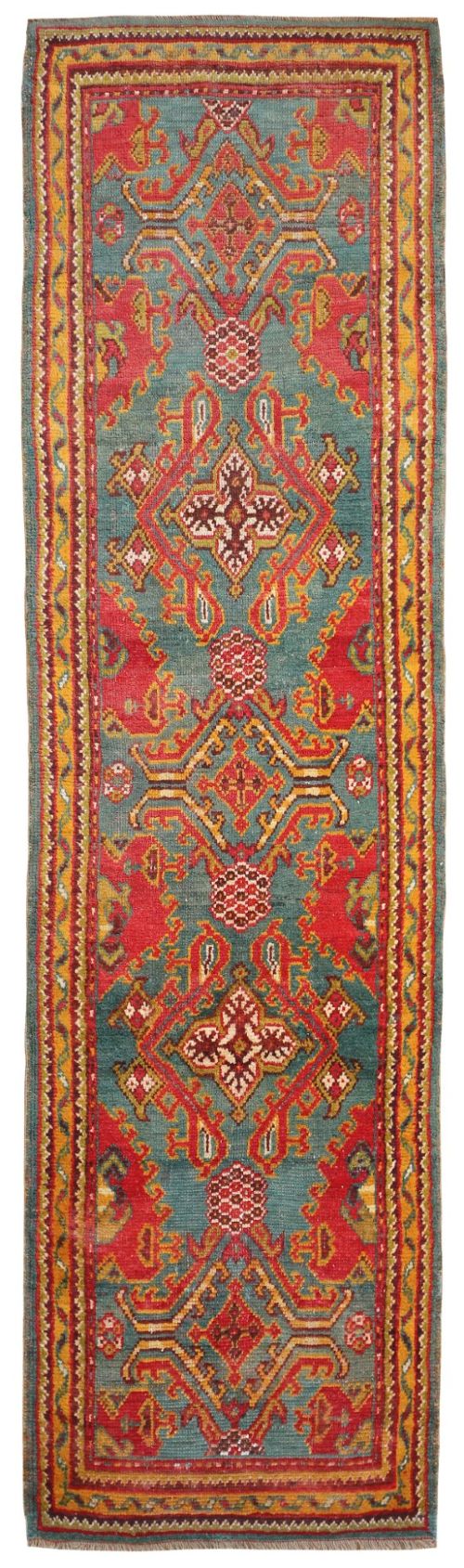
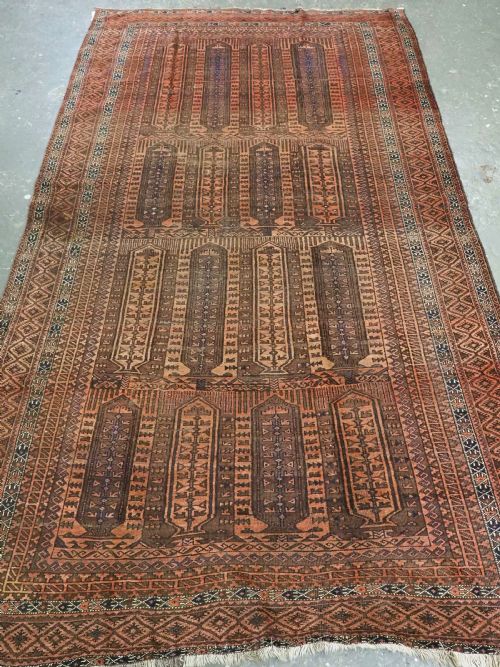
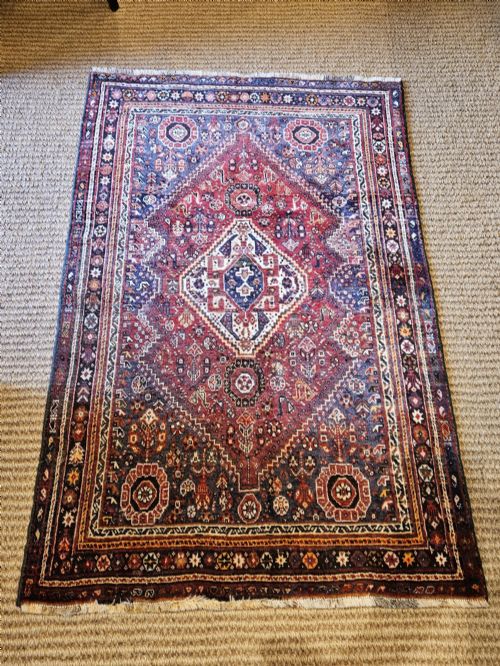
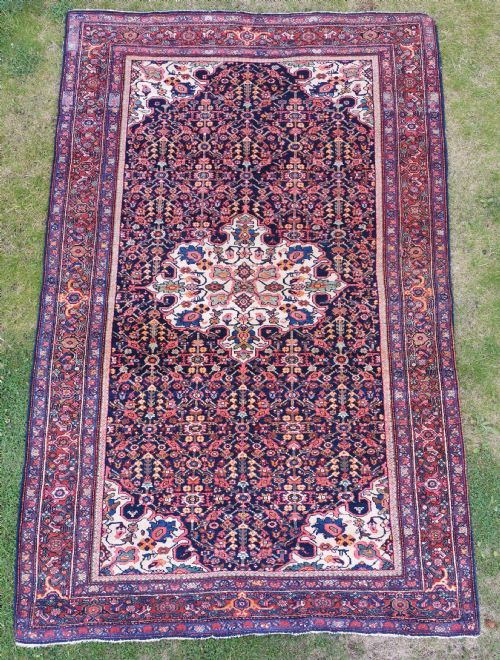
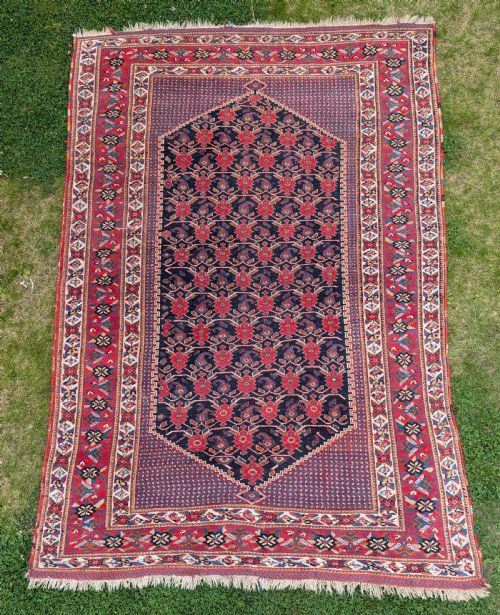
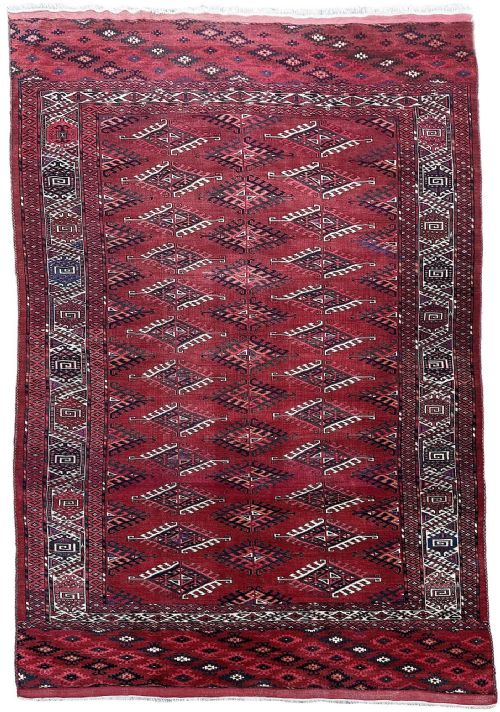
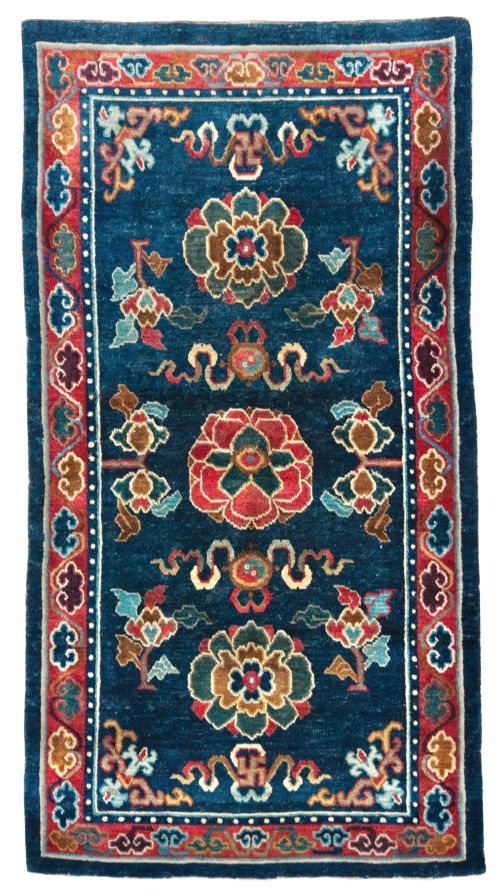
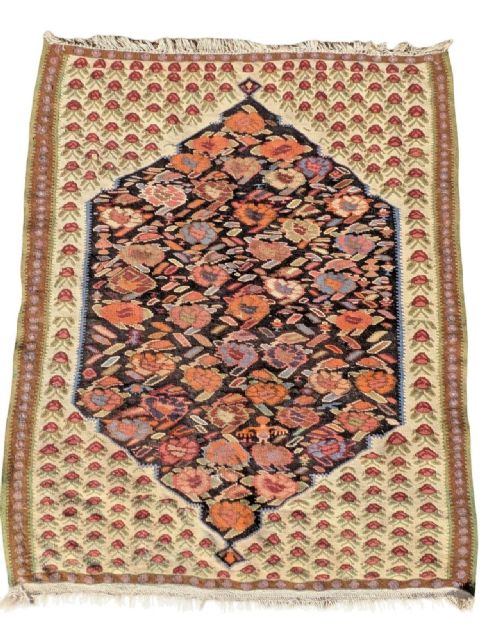
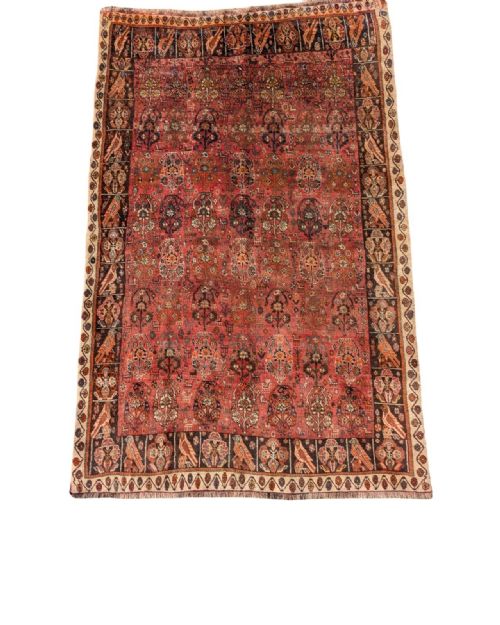
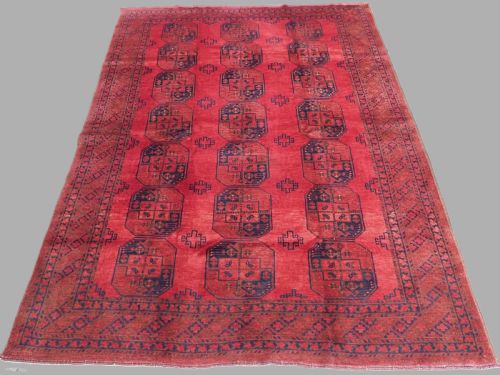
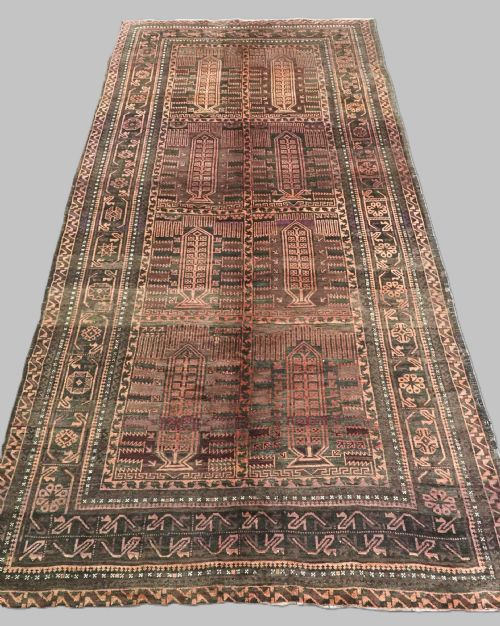
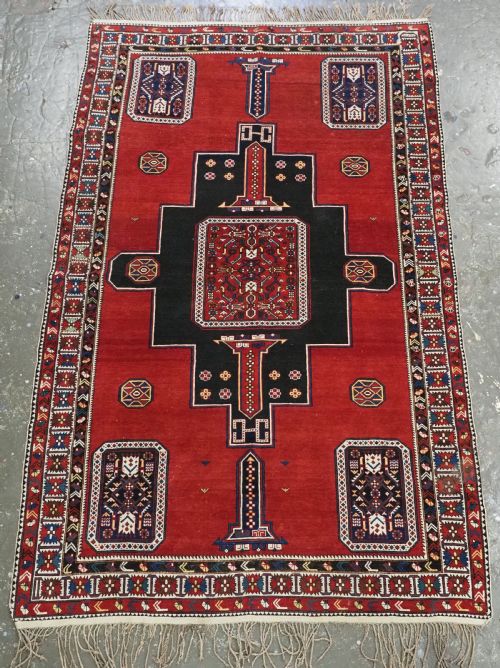
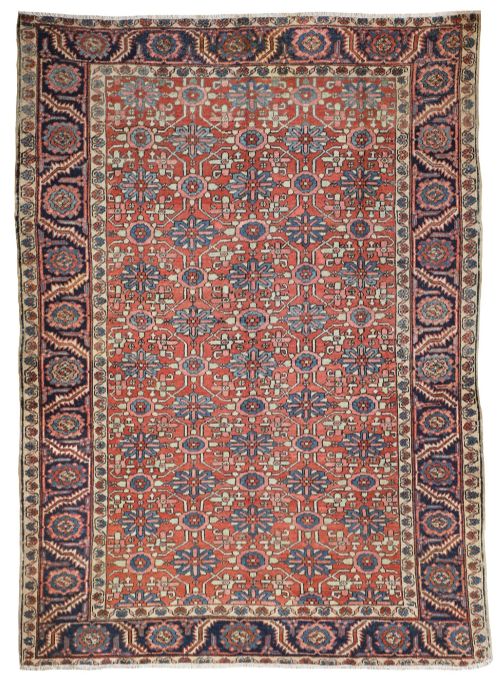
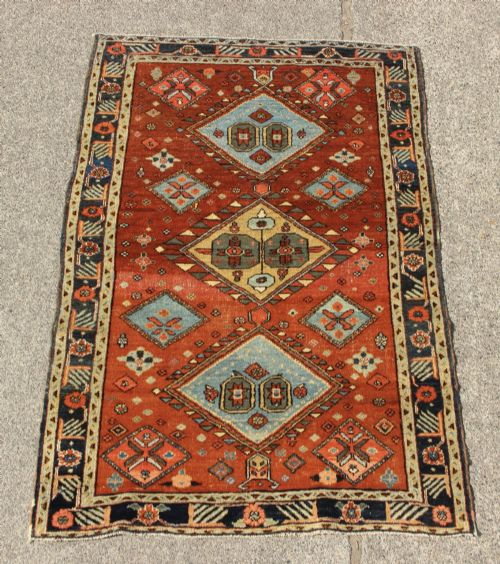
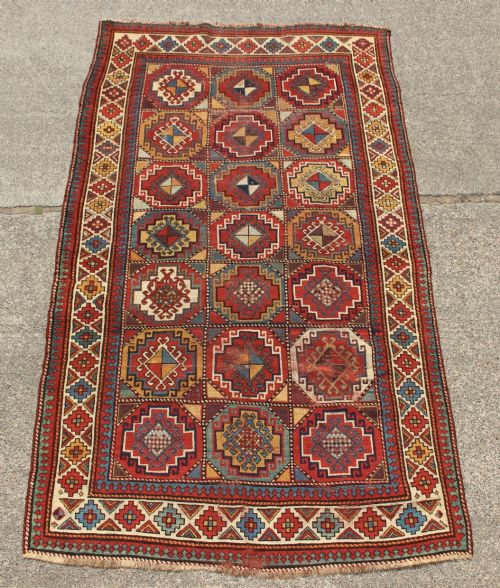
Handwoven Oriental Area Rug
A handwoven oriental area rug brings genuine texture and deep regional character to a room through centuries-old village and tribal weaving traditions.
Handwoven Oriental Area Rug
When you search for a handwoven oriental area rug, you encounter floor coverings originating from Persia, the Caucasus, Anatolia, and Central Asia. These textiles arrive in formats ranging from small mats and prayer rugs to large room-sized carpets and elongated runners.
The selections span from the late nineteenth century through to the mid-twentieth century, capturing periods such as the 1880s, 1890s, and various decades up to the 1940s. Village workshops and nomadic tribes produced the majority of these pieces, bringing distinctive geometric and floral motifs to domestic spaces.
On this page, you meet specific regional types including Heriz, Bidjar, Afshar, Baluch, and Kazak examples. Each style carries the traditional design vocabulary and palette characteristic of its specific weaving community.
How they were made
The makers utilised hand-spun wool for the pile, grounding the textiles in durable, resilient animal fibres. Cotton frequently served as the foundation material for warps and wefts, providing structural stability.
Weavers employed natural dyes to colour the wool, yielding rich tones of rust, warm red, and ivory that mellow gracefully over decades. Hand-knotting techniques secured the pile to the foundation, creating dense and enduring floor coverings.
Certain antique Baluch rugs contain small protective amulets woven directly into the wool pile by makers.
What varies in quality
Knot density and structural tightness dictate the resilience of the weave, separating robust heavy-use carpets from lighter decorative mats. Precision in the execution of intricate geometric or floral motifs reflects the skill of the individual weaver.
The purity and depth of the natural dye palette influence the visual harmony of the piece as it ages. The integrity of the foundational wool and cotton foundation determines how well the textile withstands generations of placement.
The Handwoven Oriental Area Rug Glossary
- Warp
- The stationary longitudinal threads stretched onto a loom that form the structural skeleton of the rug.
- Weft
- The horizontal threads passed through the warps to bind the knots in place.
- Pile
- The vertical or slanted cut ends of the knotted yarn that form the usable surface texture.
- Medallion
- A central ornamental design motif placed in the middle field of the carpet.
- Prayer rug
- A small textile featuring a mihrab or niche design historically used for daily devotion.
Handwoven Oriental Area Rug: Frequently Asked Questions
Where were these rugs made?
These floor coverings originate from diverse weaving regions across Persia, the Caucasus, Anatolia, and Afghanistan. Local tribes and village communities produced them using traditional regional designs.
Specific areas such as Heriz, Kazak, and Shiraz developed distinct visual vocabularies that identify the geographic source of each textile.
How do I care for my rug?
Protect the wool pile by vacuuming gently without a rotating brush roll to prevent fibre damage. Keep the textile out of direct, prolonged sunlight to preserve the natural dyes.
Rotate the floor covering periodically to ensure even wear across high-traffic areas of the room.
What is a tribal rug?
Tribal rugs are woven by nomadic or semi-nomadic groups using memory-based designs rather than formal paper cartoons. These pieces often feature bold geometric patterns and symbols passed down through generations.
Their character reflects the independent aesthetic choices of makers working outside large urban workshop systems.
How can I tell regions apart?
Different weaving centres utilised characteristic colour palettes, knotting structures, and specific geometric or floral motifs. For instance, Heriz carpets often display large geometric medallions, while Kazak pieces favour sharper rectilinear forms in primary colours.
Examining the materials used in the foundation helps clarify the probable geographic origin.