

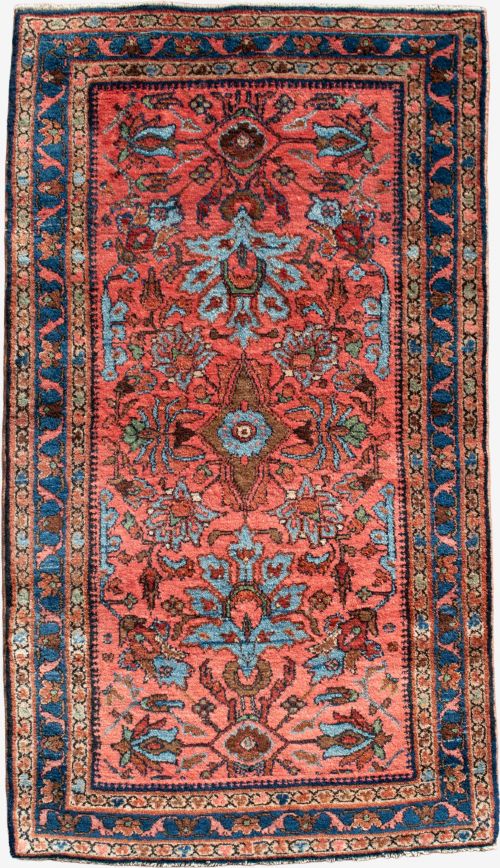
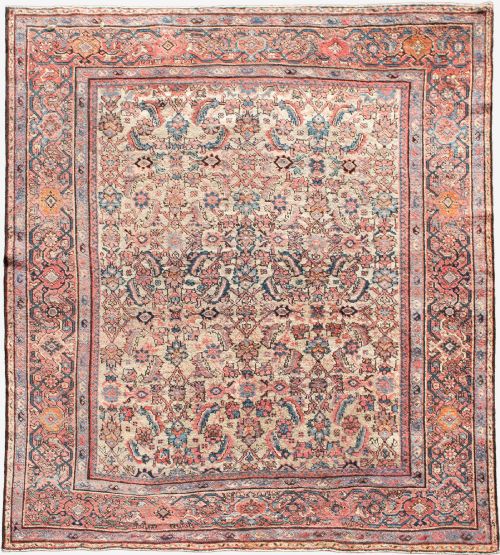
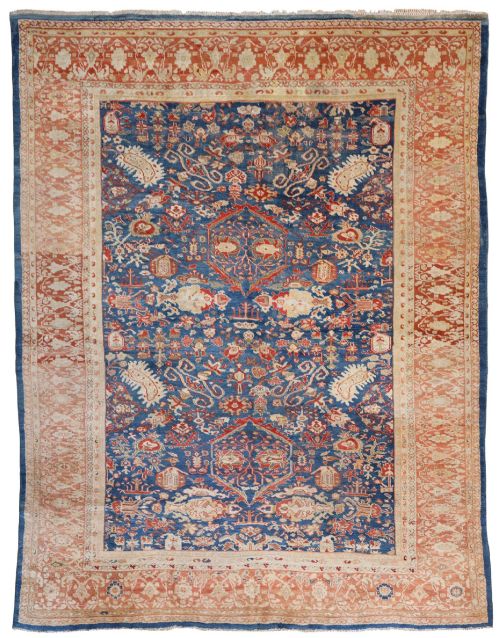
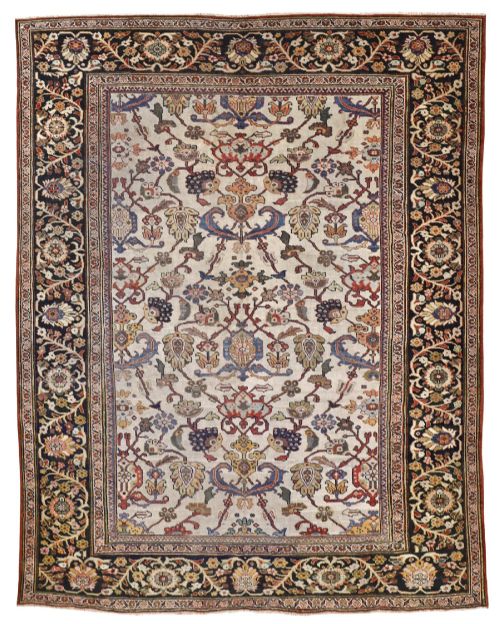

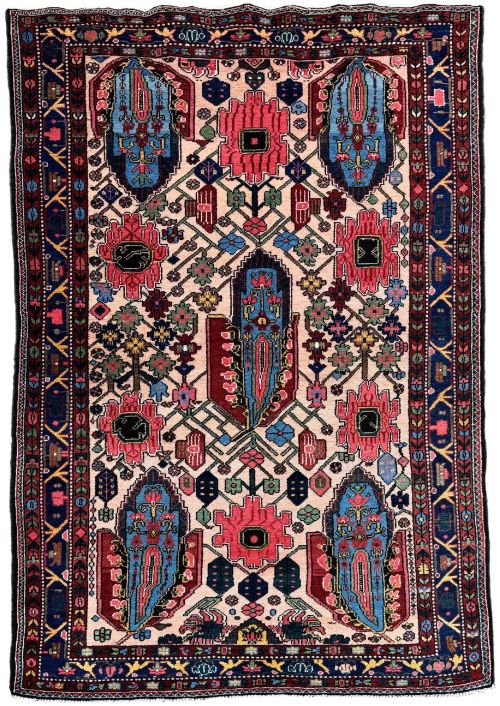
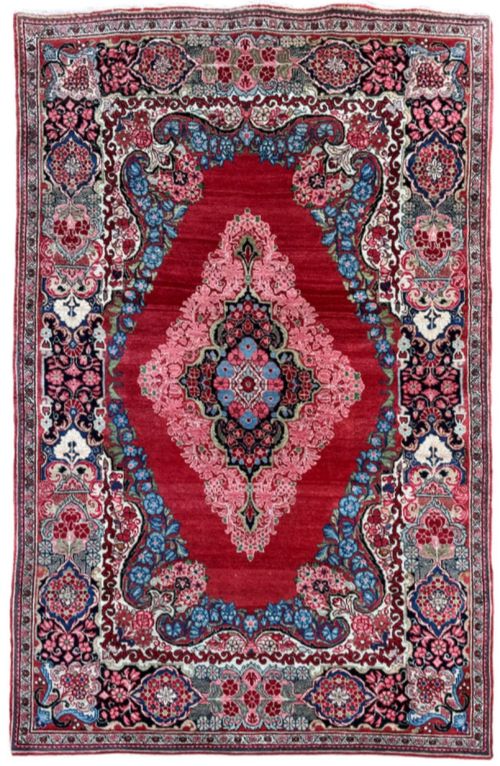
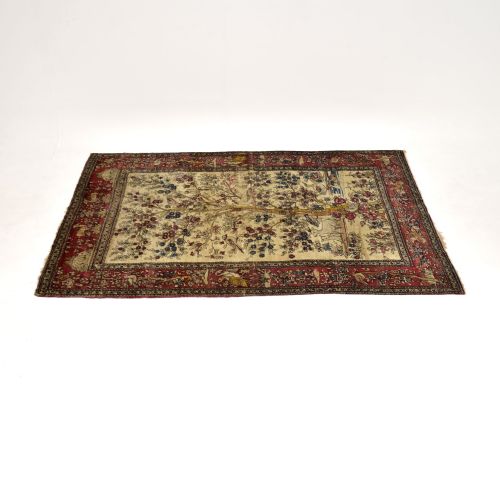
Floral Persian Area Rug
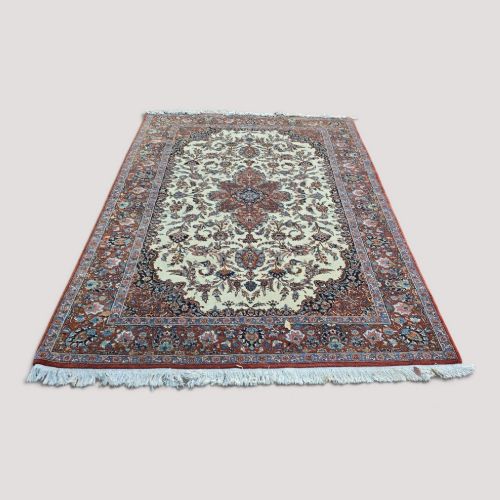
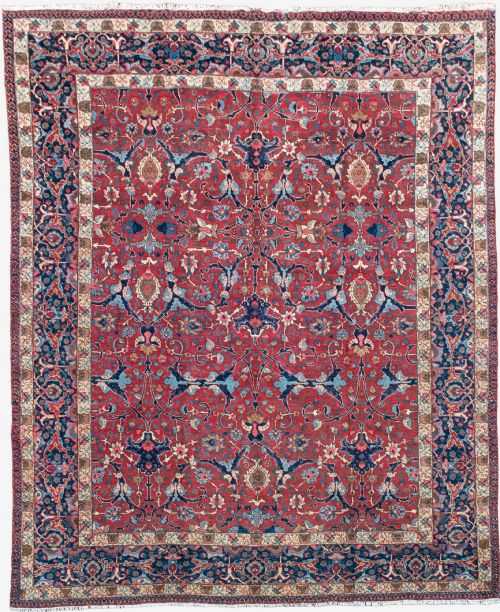
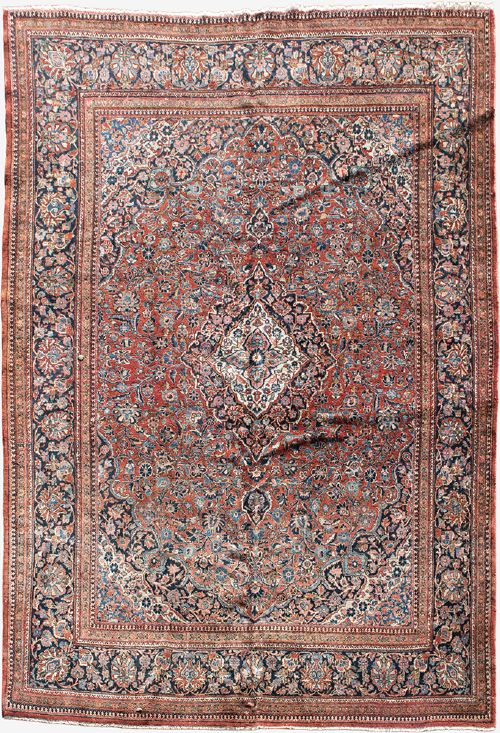
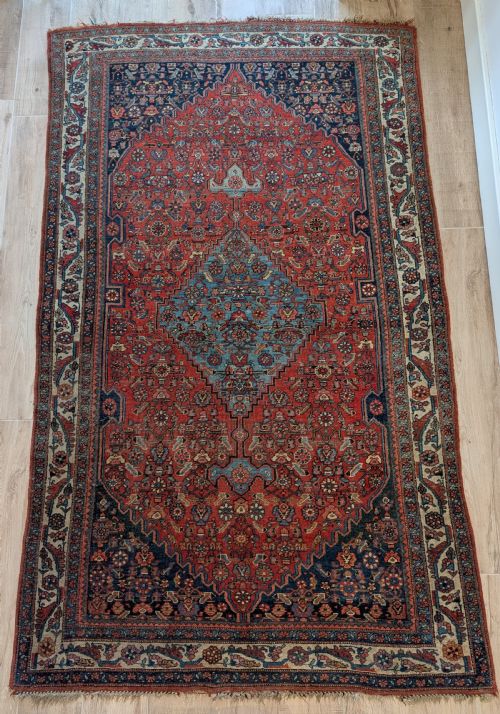
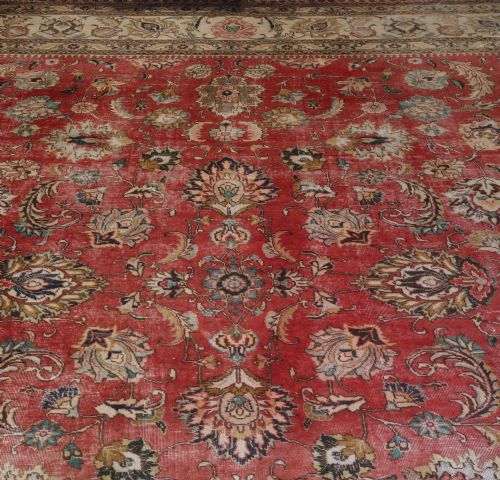
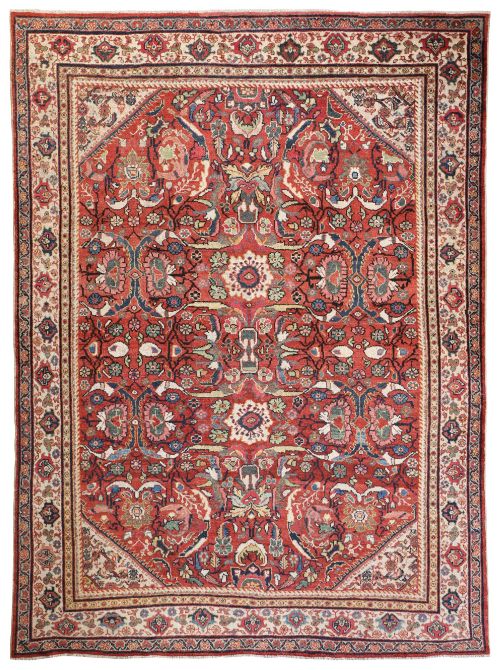
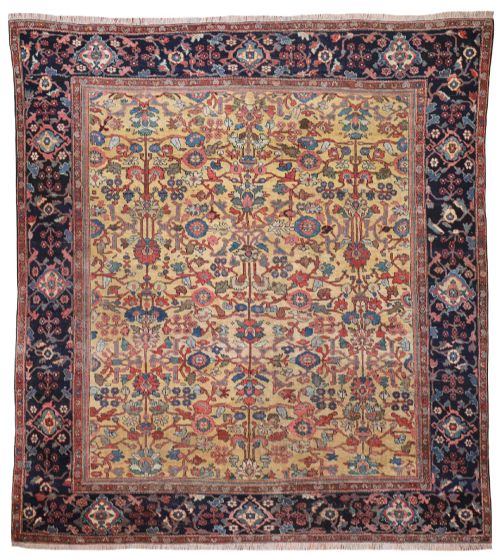
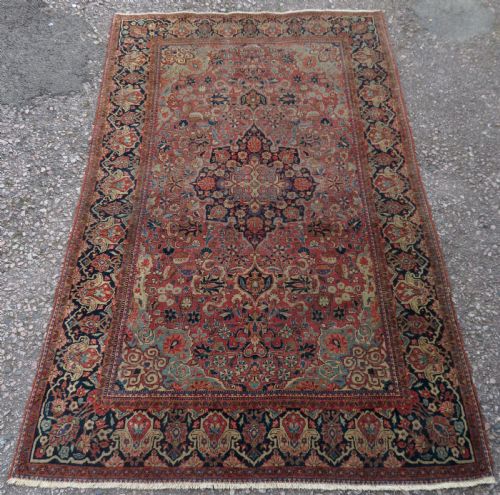
A floral persian area rug brings centuries of woven artistry into a room, offering rich botanical motifs beneath your feet.
Floral Persian Area Rug
When you search for a floral persian area rug, you encounter hand-knotted floor coverings hailing from various villages, towns, and weaving centres across Persia. These textiles date from the late nineteenth century through to the mid-twentieth century, capturing traditional patterns that have been passed down through generations of weavers.
The pieces appearing on this page take the form of area rugs, hearth-sized mats, and larger room-sized carpets. Originating from specific regions such as Heriz, Kashan, Tabriz, Mahal, and Bakhtiar, each example displays distinct regional characteristics in its floral composition and medallion layout.
Most items you meet here are utilitarian objects created for everyday household use rather than purely decorative gallery pieces. They bridge the gap between functional floor protection and intricate textile art, grounding a room with historical depth and tactile warmth.
How They Were Made
The construction of these floor coverings relies primarily on wool piles hand-knotted onto sturdy cotton foundations, occasionally incorporating silk highlights to accentuate specific details within the design. Weavers utilised natural and early synthetic dyestuffs to achieve deep tones of madder red, indigo blue, and earthy neutrals.
Each knot was tied by hand onto vertical looms, followed by clipping the wool pile to an even height and washing the finished textile to set the colours and soften the handle. The structural integrity depends on densely packed knots and robust selvedges that protect the edges from fraying over decades of use.
Floral Persian Area Rug Retail Price Guide 2026
Typical asking prices for floral persian area rug among the pieces listed under this phrase on Sellingantiques today, from the lower quarter to the upper quarter. They describe what is for sale here now, not the wider market.
Some weavers cleverly hid tiny 'mistakes' in their borders, believing perfection belonged solely to the divine.
What Varies in Quality
The distinction between ordinary and superior examples lies in the fineness of the knotting and the complexity of the design execution. Tighter knots allow for sharper floral curves and more intricate medallion detailing, whereas coarser weaving yields a more rustic, simplified interpretation of the pattern.
Materials also dictate the tier of quality, with lustrous wool grades and carefully extracted dyes retaining their vibrancy and softness better than heavier, rigid wools. The visual harmony of the palette and the precision of the weaver's hand across the field separate standard village productions from master workshop outputs.
Ahmadi Isfahan
The Floral Persian Area Rug Glossary
- Medallion
- A symmetrical central ornament placed in the middle of the carpet field. It usually takes a circular, oval, or lobed star shape.
- Field
- The background area of the rug enclosed by the border. This is the space where most floral vines, vases, and trees are displayed.
- Selvedge
- The side cords formed by wrapping the weft threads over several warp threads at the edge. A well-maintained selvedge keeps the structure secure.
- Warp
- The vertical foundation threads running lengthwise from one end of the rug to the other. The pile knots are tied directly around these sturdy strands.
- Weft
- The horizontal threads passed back and forth between the warp threads to lock the knots in place. They provide structural stability to the woven fabric.
Floral Persian Area Rug: Frequently Asked Questions
How do I clean an antique rug?
Professional dusting and gentle hand washing by a specialist who understands antique textiles are essential for maintenance. Avoid harsh chemical treatments and aggressive vacuuming.
Regular gentle brushing and occasional rotation ensure even wear patterns across high-traffic areas of the floor.
Can I place furniture on them?
These carpets were built to withstand daily domestic life, including the placement of tables and chairs. Using protective furniture cups helps distribute heavy weight evenly across the wool pile.
Rearranging your furniture slightly every few years prevents deep crushing in one specific spot.
How do I identify different regional styles?
Regional attribution relies on observing specific motifs, such as the geometric corners of a Heriz or the curved floral vines of a Tabriz. Colour palettes and weave densities also point directly to the specific weaving tradition.
Comparing border designs and medallion structures provides further clues to a piece's geographical origin.
Do I need an underlay?
An appropriate non-slip underlay prevents the textile from sliding on wooden or stone floors and reduces friction between the foundation and the floorboards. This extra cushioning absorbs foot impact and prolongs the lifespan of the cotton warp threads.
Choose a breathable underlay designed specifically for antique rugs to avoid trapping moisture.