



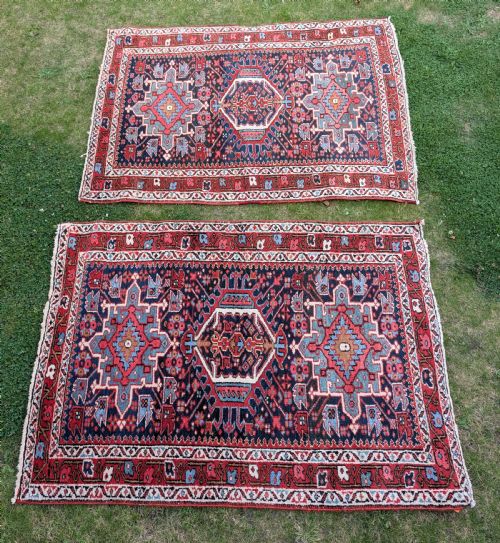
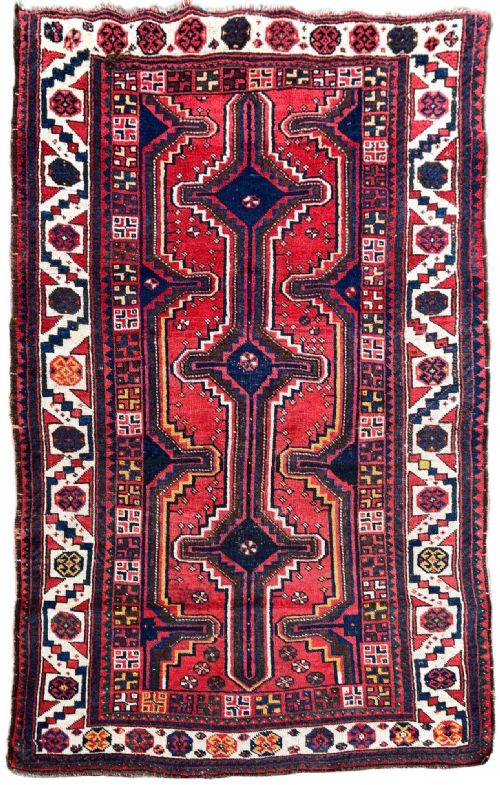
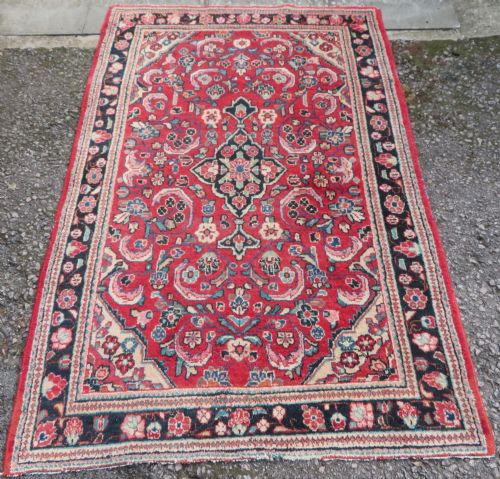
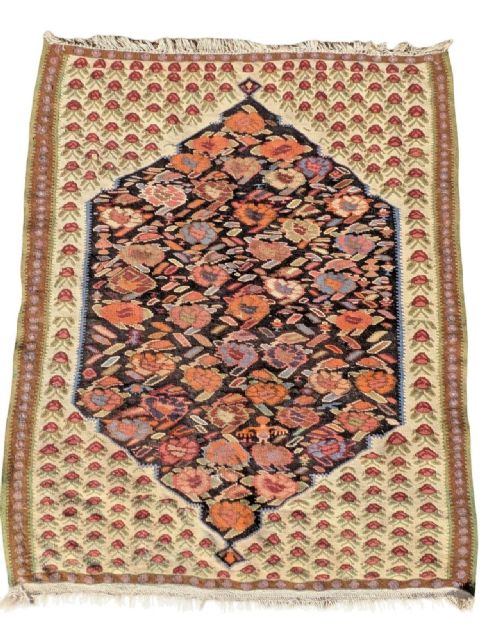
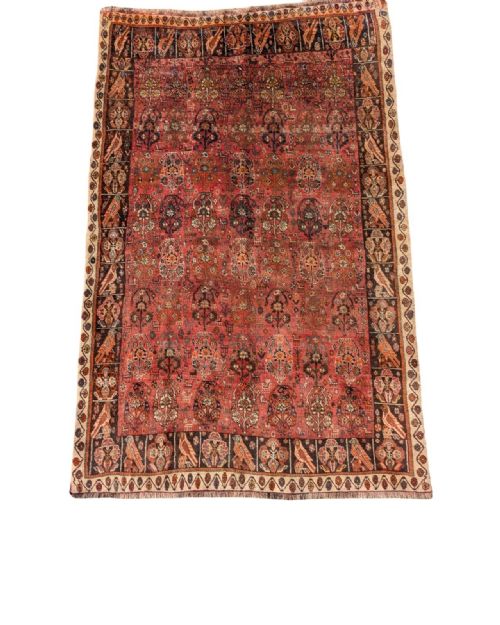
Persian Tribal Area Rug
These persian tribal area rug examples bring together hand-knotted wool and natural dyes from village and nomadic weavers across nineteenth and twentieth-century Persia and surrounding regions.
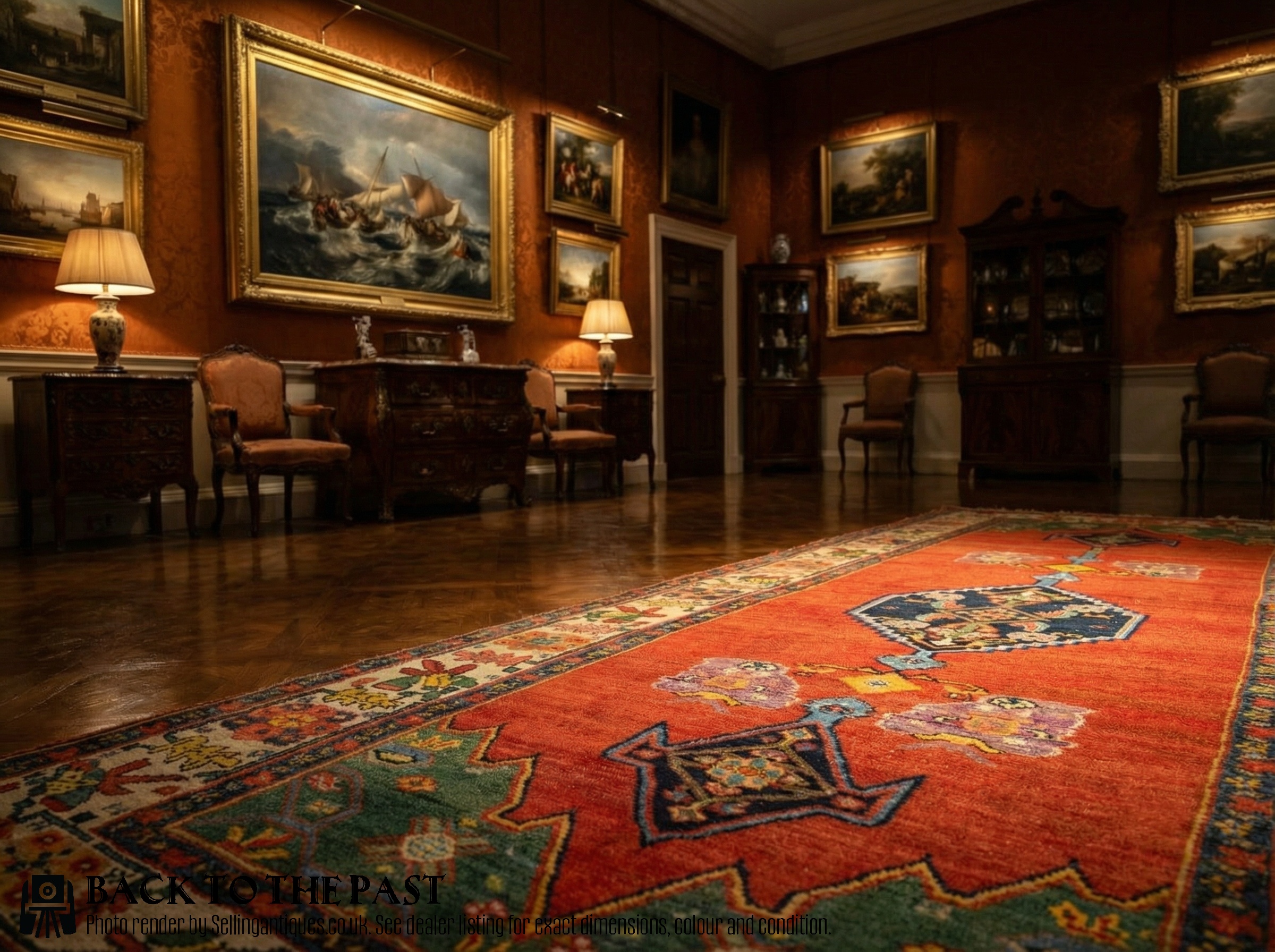
Persian Tribal Area Rug
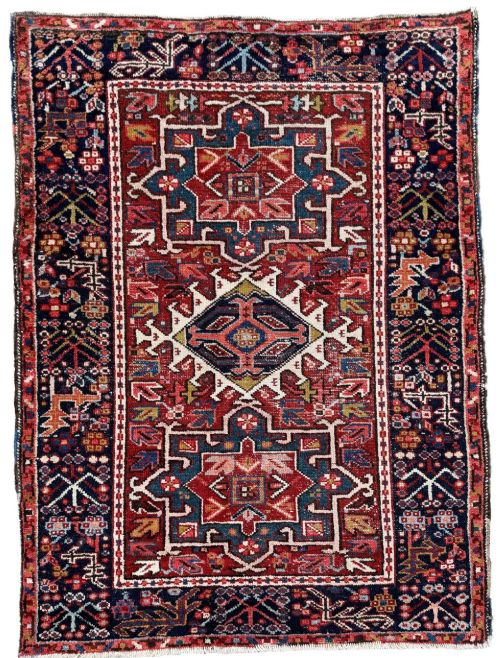
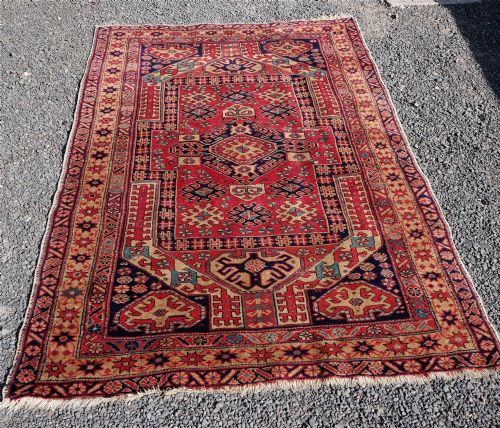
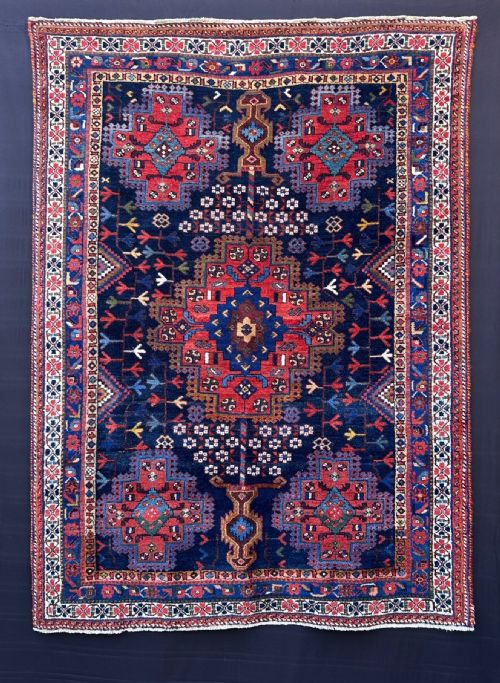
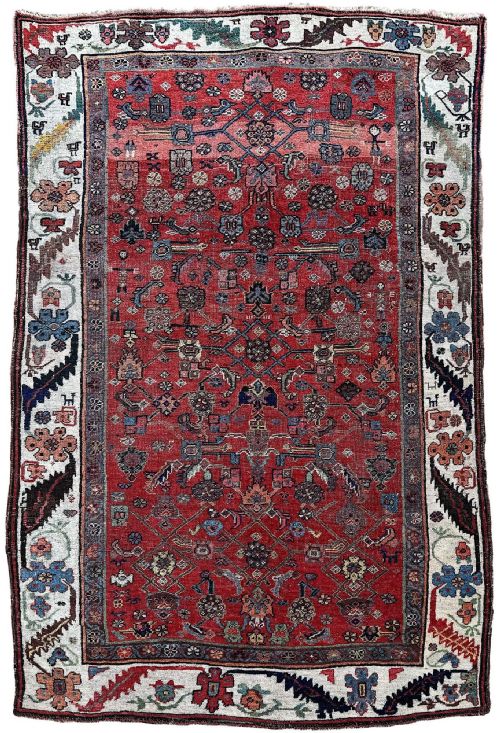
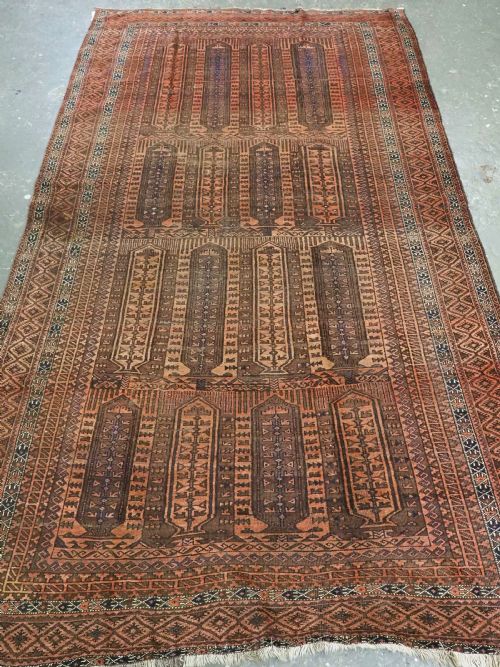
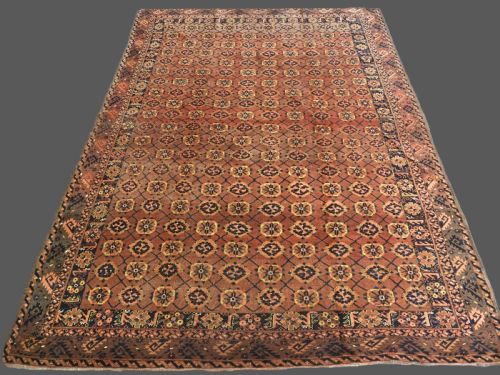
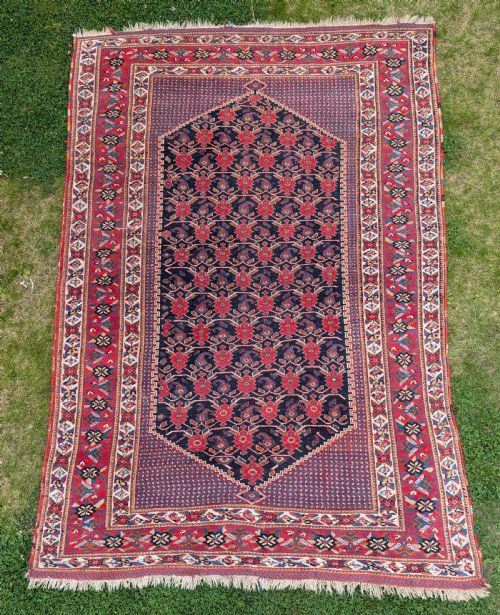
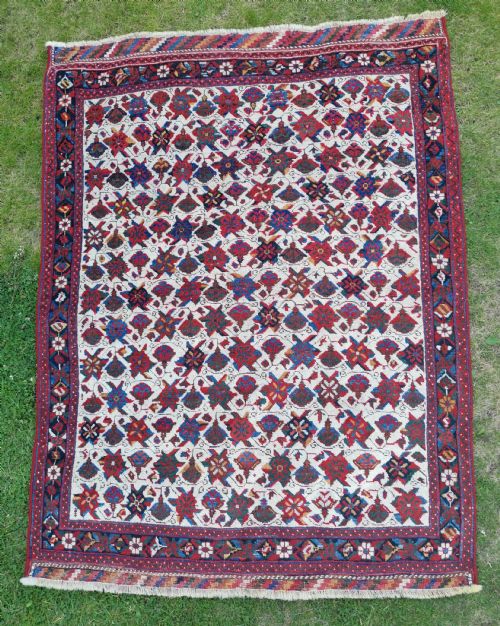
A persian tribal area rug represents the traditional weaving of nomadic and village communities, spanning distinct groups such as the Afshar, Bakhtiar, Khamseh, and Baluch. These pieces range from compact hearth-sized rugs to large carpets suited for principal rooms.
The aesthetic centres on geometric medallions, repeated guls, and village motifs woven by hand rather than produced in urban manufactories. Such floor coverings carry the character of specific tribal regions and nineteenth and early twentieth-century periods.
How they were made
Weavers constructed these pieces using hand-spun wool and cotton foundations, often incorporating camel hair for natural tone and durability. Natural dyes provide the palette, yielding warm reds, indigos, and earth tones that settle gracefully over time.
The hand-knotting technique creates dense pile structures designed for daily floor use. Village and nomadic workshops relied on upright or horizontal looms set up within domestic or camp settings.
Persian Tribal Area Rug Retail Price Guide 2026
Typical asking prices for persian tribal area rug among the pieces listed under this phrase on Sellingantiques today, from the lower quarter to the upper quarter. They describe what is for sale here now, not the wider market.
Some nineteenth-century nomads tucked tiny lucky amulets directly into the wool knots.
What varies in quality
Knot density and wool quality set individual pieces apart, dictating how sharply defined the geometric motifs appear and how resilient the pile remains under foot. Finer spinning and tight packing of the knots yield a supple handle and enduring structure.
The depth and complexity of the natural dye palette also distinguish finer examples, where subtle tonal shifts within the wool add visual richness. Well-balanced proportions and confident drawing in traditional designs separate standard village output from exceptional regional weaving.
Afshar·Bakhtiar·Khamseh·Baluch·Karaja
The Persian Tribal Area Rug Glossary
- Gul
- A repeated octagonal or gabled medallion motif commonly found in tribal carpets. It often serves as the primary compositional element across Turkmen and Baluch weaving.
- Medallion
- A central ornamental design element placed in the field of the rug. In tribal pieces, these take on geometric or polygonal forms.
- Pile
- The upright yarn loops that form the soft surface of the rug. It is created by knotting wool or camel hair onto the warp threads.
- Warp
- The vertical threads stretched along the loom that form the structural skeleton of the rug. Weft threads are interlaced across them to secure the knots.
- Kilim
- A flat-woven carpet or rug made without a raised pile. These pieces rely on interlocking weft techniques to create crisp geometric patterns.
Persian Tribal Area Rug: Frequently Asked Questions
How do I clean an old wool rug?
Vacuum gently without a rotating brush roll to remove grit from the wool pile.
For deeper cleaning, consult a specialist experienced in handling natural dyes and hand-spun wool.
Can I use these rugs in high-traffic hallways?
Many sturdy village carpets and runner formats were built for heavy domestic use.
Placing a quality underlay beneath the rug helps protect the cotton foundation and prevents sliding.
How do I identify a tribal design?
Tribal designs typically feature repeating geometric motifs, stepped medallions, and stylized animal or plant forms rather than flowing court scrolls.
Regional palettes and distinctive border patterns often point directly to specific groups like the Afshar or Khamseh.
What does natural dye look like over time?
Natural dyes mellow gently with age, developing soft abrash and varied undertones across the wool surface.
This subtle tonal variation marks organic dye sources rather than uniform synthetic coloration.