

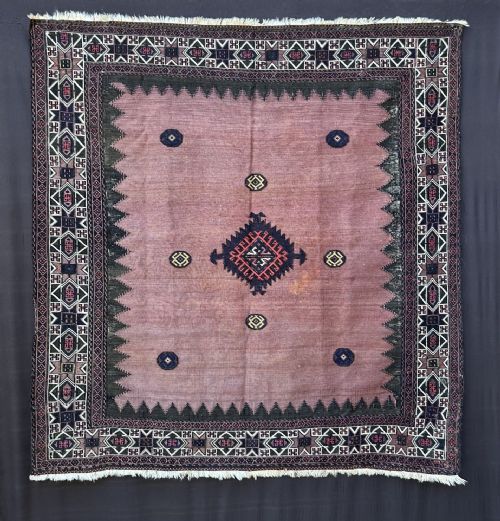
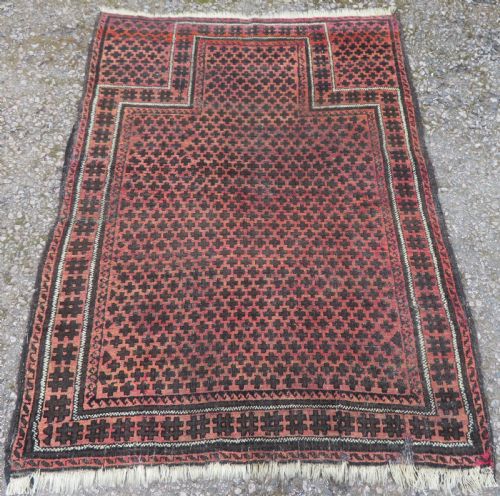

Persian Baluch Rug
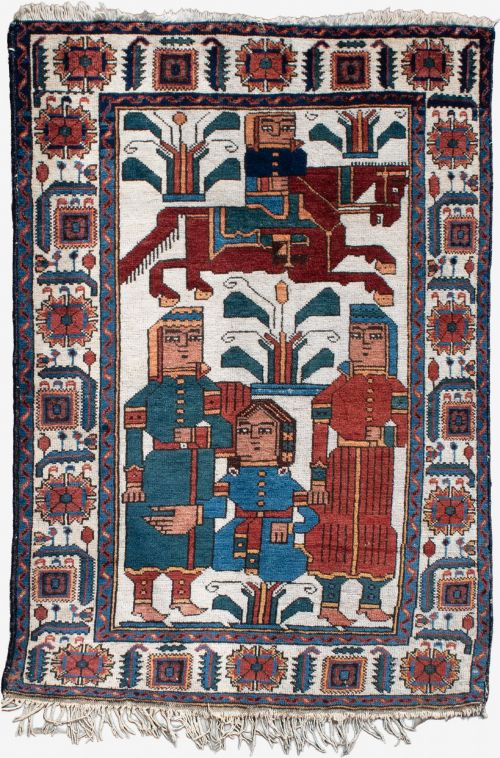
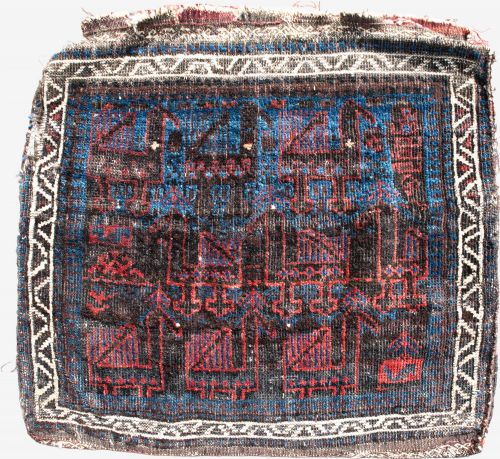
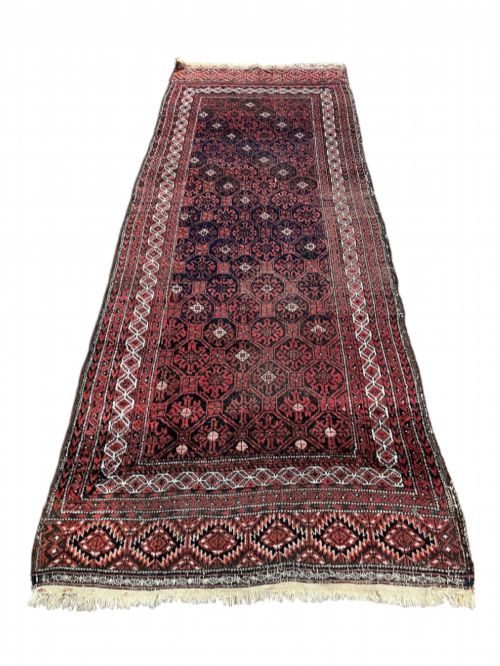
These persian baluch rug pieces are tribal floor coverings offering rich dark tones and distinct geometric patterns.
Persian Baluch Rug
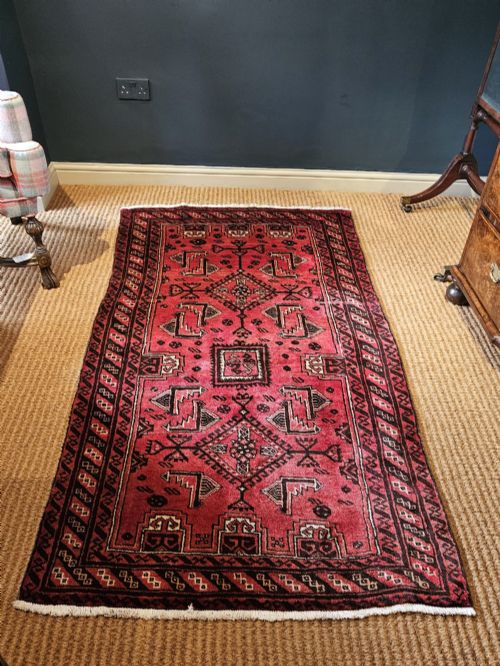
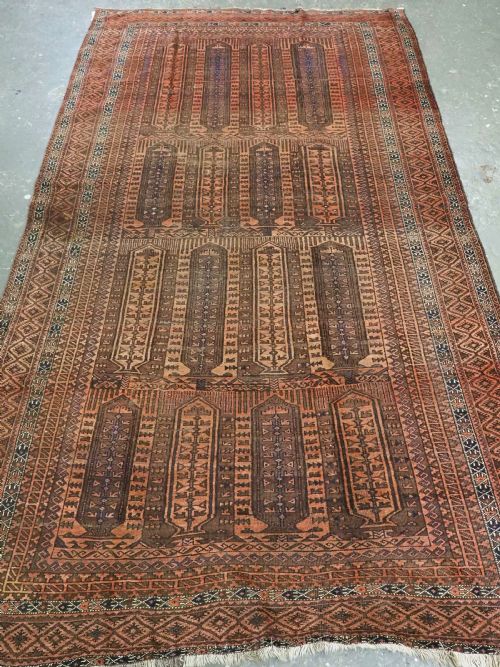
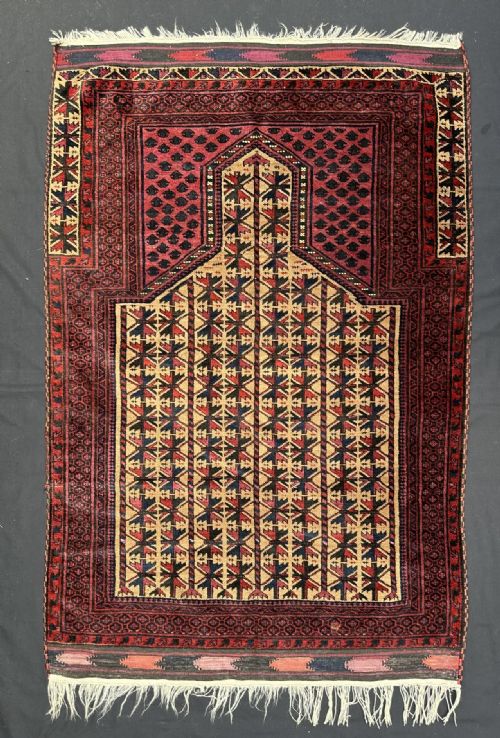
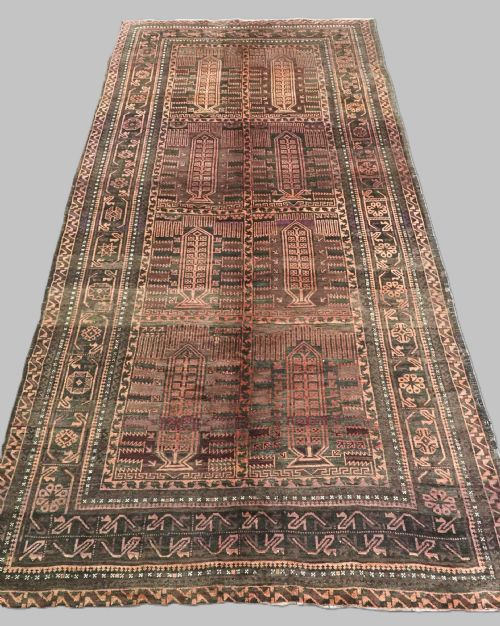
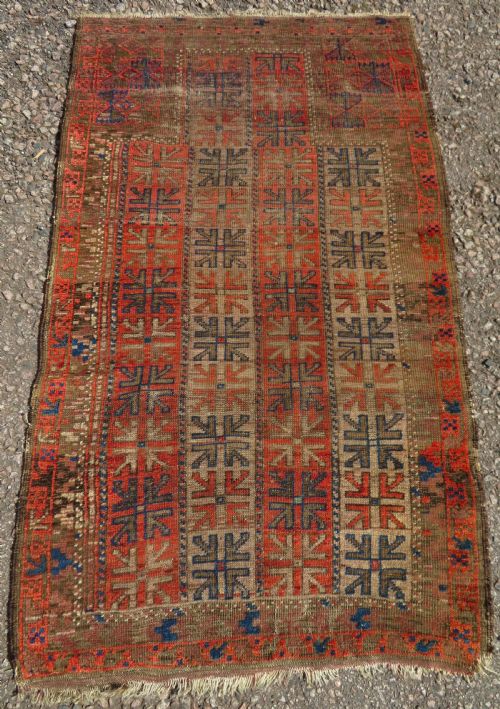
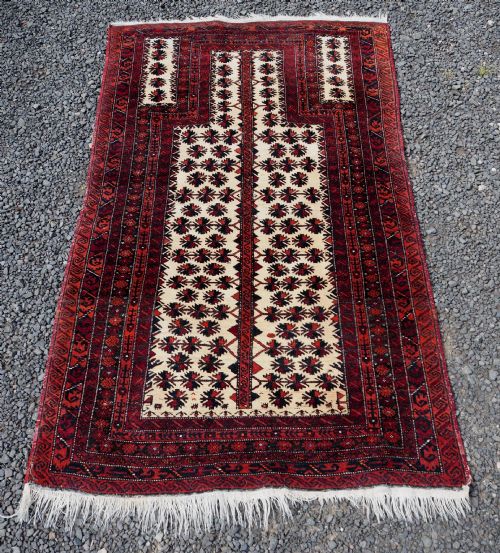
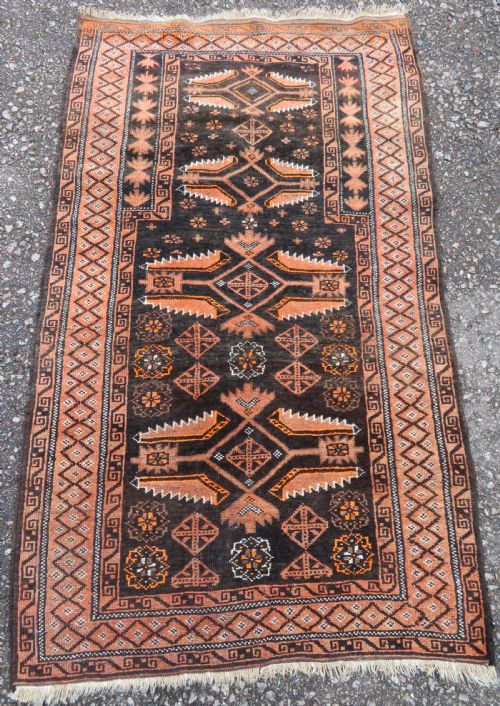
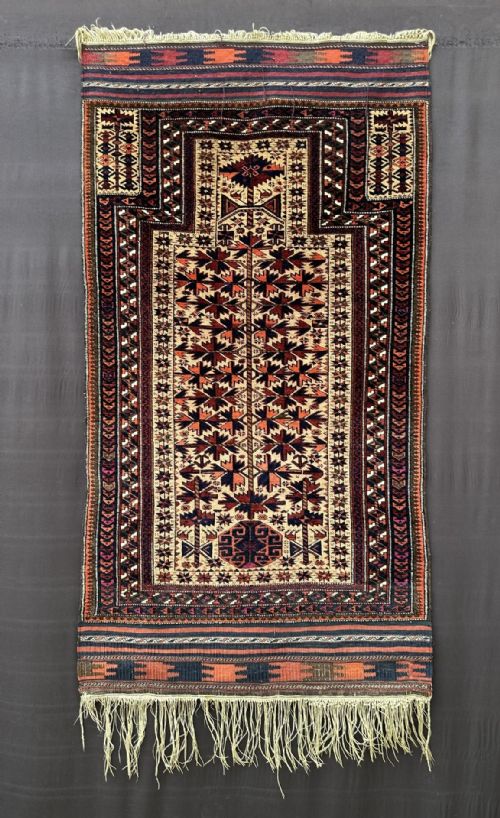
A persian baluch rug is a traditional tribal floor covering woven by nomadic and village communities across the borderlands of Persia and Afghanistan. These pieces typically measure within standard area rug dimensions and serve as functional floor furnishings or smaller prayer mats. When you examine this selection, you encounter formats featuring prayer arches, lattice patterns, and striped flatweaves.
The objects span production periods from the late nineteenth century through the early twentieth century, specifically between 1880 and 1930. Examples carry regional design identifiers linked to Khorasan, Ferdows, and western Afghanistan, alongside specific subtype attributions such as Timuri and Mahdad Khani. These designations point to distinct weaving groups who utilised traditional village motifs.
Buyers seek out these rugs for their deep colour palettes and authentic tribal character, which set them apart from formal city workshop carpets. The surviving examples demonstrate the enduring utility of nomadic weaving traditions adapted for domestic interiors. Each piece reflects the specific stylistic vocabulary of its maker and region.
How they were made
The construction of a persian baluch rug relies fundamentally on wool, frequently hand-spun to produce a durable and tactile pile. Weavers construct these floor coverings using traditional hand-knotting techniques on foundation warps, supplemented in specific instances by flatweave and brocaded sections.
Makers achieve the characteristic deep rich tones through traditional dyeing methods applied to local wool fibres. The resulting textiles combine structured pile areas with intricate geometric border details, occasionally incorporating supplementary weft-float techniques.
Persian Baluch Rug Retail Price Guide 2026
Typical asking prices for persian baluch rug among the pieces listed under this phrase on Sellingantiques today, from the lower quarter to the upper quarter. They describe what is for sale here now, not the wider market.
Some weavers incorporated scarcer tribal symbols like Mushwani patterns to signal specific clan lineages.
What varies in quality
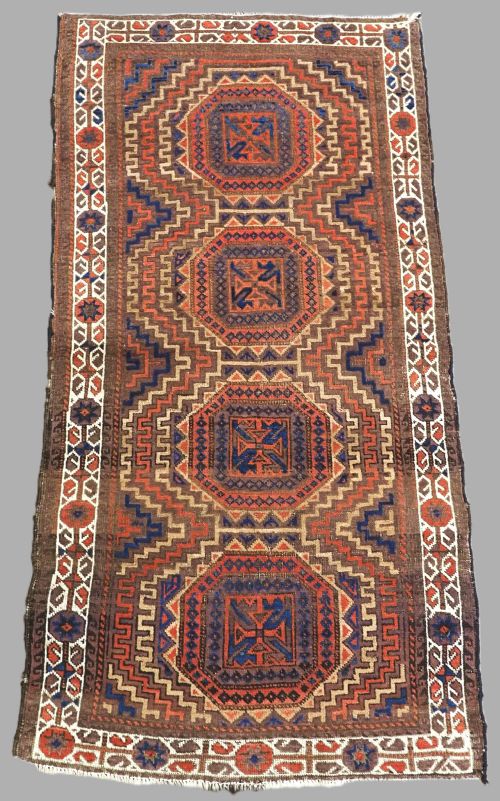
The distinction between tiers of a persian baluch rug rests upon the precision of the geometric lattice or prayer design and the handling of the wool. Finer examples display meticulous execution of intricate motifs such as large Turkmen guls or Mushwani patterns, demonstrating superior technical control by the weaver.
Colour saturation and the richness of the palette contribute significantly to the standing of an individual piece. Deeper, more complex hues combined with scarce or unusual structural designs elevate the visual impact and set superior examples apart from standard tribal output.
The Persian Baluch Rug Glossary
- Prayer Rug
- A smaller format rug featuring a mihrab or arch design traditionally used for daily devotions. These pieces direct the user toward Mecca during prayer.
- Gul
- A repeating octagonal or medallion motif commonly found in tribal weaving traditions. This design element originates from Central Asian and borderland textile aesthetics.
- Flat Weave
- A textile constructed without a pile by interlocking warp and weft threads together. These sections provide structural contrast to knotted pile areas.
- Lattice
- A repeating grid or diagonal network pattern spanning the field of the rug. This geometric framework often encloses secondary ornaments or floral abstractions.
- Brocaded
- A decorative technique where supplementary weft threads are added to create raised surface patterns. This method enhances the texture of the border or field.
Persian Baluch Rug: Frequently Asked Questions
What is a persian baluch rug?
A persian baluch rug is a hand-knotted tribal floor covering made by nomadic and village weavers in the borderlands of Persia and Afghanistan.
These textiles are characterised by geometric motifs, dark saturated palettes, and traditional formats including area sizes and prayer mats.
Where were these rugs made?
They were produced by nomadic and semi-nomadic tribes inhabiting the frontier regions between Persia and Afghanistan. Specific pieces are associated with regional centres like Khorasan, Ferdows, and Adraskhan.
Weavers worked within local tribal groups including Timuri and Mahdad Khani communities.
How do I live with one?
These rugs suit areas of moderate foot traffic where their durable wool pile can be appreciated. Placing them on a suitable underlay protects the foundation and prevents slipping on hard floors.
Keep them away from direct continuous sunlight to preserve the deep rich colours of the wool.