

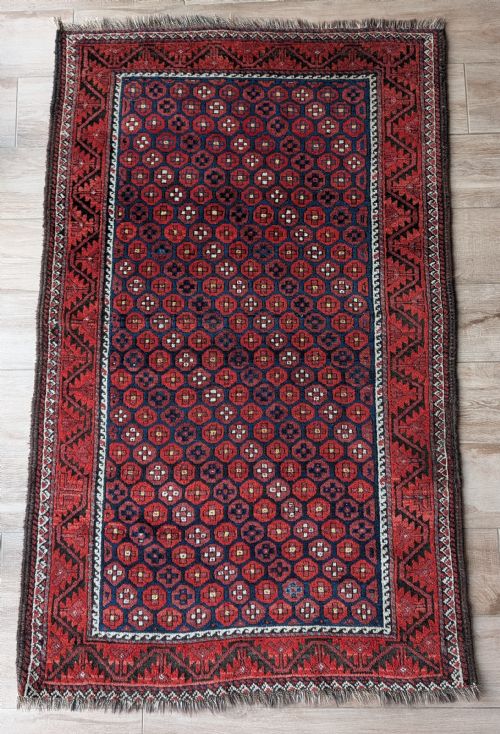
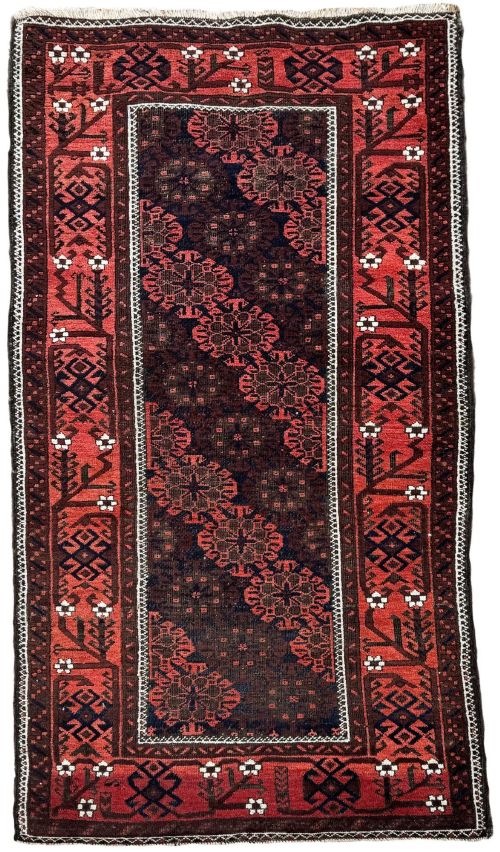
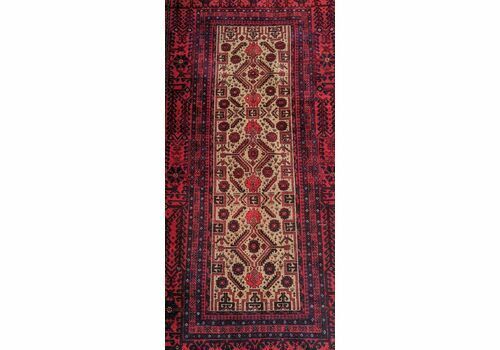
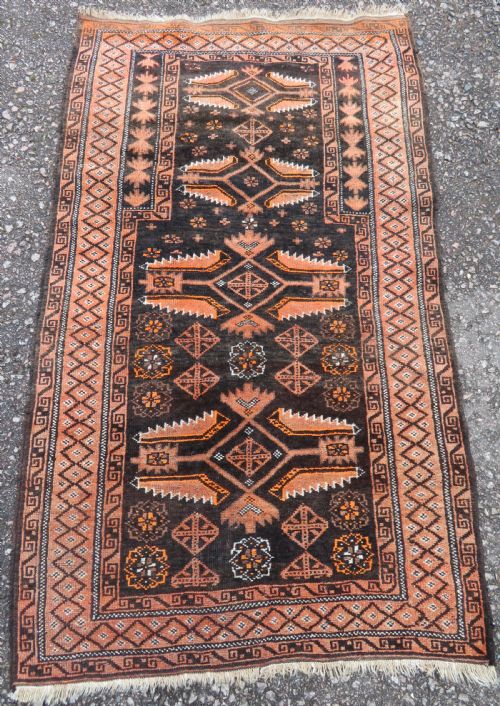


Persian Balouch Rug
These persian balouch rug pieces are enduring tribal textiles of wool, offering geometric patterns and rich tones shaped by nomadic makers.
Persian Balouch Rug
A persian balouch rug brings tactile warmth and distinct nomadic character to an interior through traditional tribal designs. When exploring this selection, buyers encounter floor rugs, hallway runners, and functional storage bags.
The pieces span the nineteenth century and the early decades of the twentieth century, reflecting varied regional traditions. Tribal and nomadic aesthetics define the grouping, featuring specific motifs like guls and prayer designs.
How They Were Made
These textiles rely principally on wool, utilised for both pile and foundation work in many examples. Cotton also appears in the construction, supporting the structural integrity of the weave.
Weavers employed tribal and nomadic techniques, incorporating banded weft work and double-sided vanity bag structures. The resulting pieces demonstrate durable handling suited to everyday utility.
Persian Balouch Rug Retail Price Guide 2026
Typical asking prices for persian balouch rug among the pieces listed under this phrase on Sellingantiques today, from the lower quarter to the upper quarter. They describe what is for sale here now, not the wider market.
The site listings feature wool and cotton materials across periods spanning the nineteenth century up to the 1930s.
What Varies in Quality
Quality rests in the precision of the wool handling and the clarity of the underlying tribal design, such as Herati patterns or large guls. Strong regional characteristics distinguish the finer weaving output.
Preservation of original elements, including backing materials and edge finishes, elevates specific examples. The depth of colour achieved in the wool further separates standard pieces from superior works.
The Persian Balouch Rug Glossary
- Gul
- A repeating medallion motif often found in tribal weavings. It serves as a primary decorative element across many Baluch pieces.
- Herati
- A floral and leaf pattern arranged in a lattice framework. This traditional design appears frequently in regional rug decoration.
- Prayer rug
- A small textile featuring a mihrab or niche design used for devotional practices. These formats carry specific symbolic layouts.
- Runner
- A long, narrow carpet format designed for hallways or corridors. They provide functional floor coverage in confined spaces.
- Weft
- The horizontal threads passed across the warp during weaving. Banded weft work demonstrates specific technical skill in storage bags.
Persian Balouch Rug: Frequently Asked Questions
How are these rugs used?
These pieces function primarily as floor coverings in hallways, bedrooms, or studies, adding texture and warmth to interior spaces. Smaller formats and storage bags provide decorative accents for walls or furniture.
Their durable wool construction allows them to withstand regular foot traffic when placed in appropriate low-impact areas. Care should be taken to protect antique fibres from excessive moisture and direct sunlight.
How do I date a rug?
Dating relies upon stylistic markers, material analysis, and structural evidence within the weave. Pieces in this selection span the late nineteenth century and the early decades of the twentieth century.
Natural variations in wool and traditional dye palettes offer further clues to an item's age. Comparative study of motifs like guls helps place examples within their historical periods.
What is a storage bag?
Storage bags were practical items made by nomadic groups to transport and store personal possessions. They often feature finished backs and intricate banded weft work.
Collectors prize these textile items for their portable size and concentrated design work. They represent an authentic facet of tribal craftsmanship alongside standard floor rugs.
Where were they made?
These textiles originate from regions associated with Baluch and related tribal groups spanning modern borders. Khorasan and Sistan represent specific geographic areas recorded in the available examples.
Nomadic movements across these territories influenced the stylistic overlap seen in Afghan and Persian tribal pieces. Local traditions shaped the distinct wool handling and design vocabulary.