



Period Wooden Footstool
A period wooden footstool grounds a room with centuries of craft, offering solid timber frames and historic upholstery that collectors prize.
Period Wooden Footstool
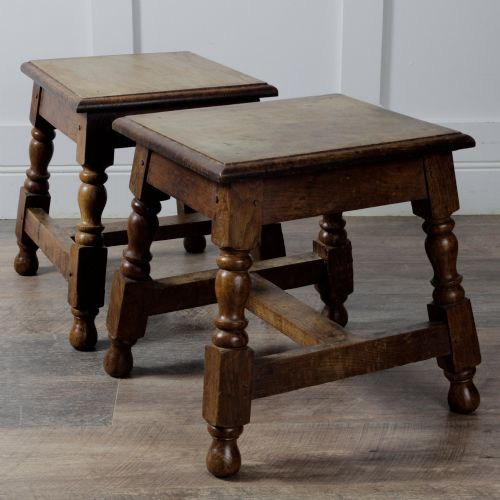
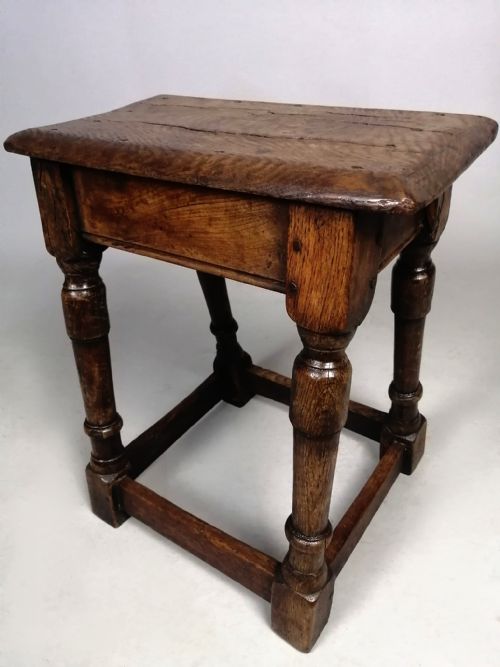
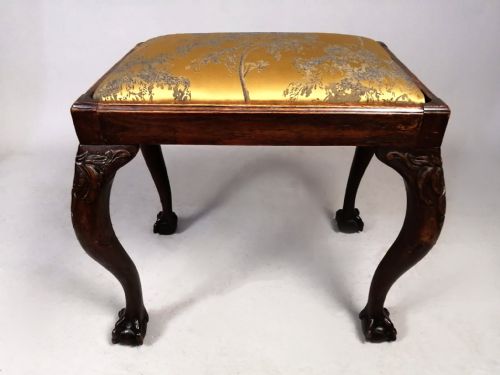
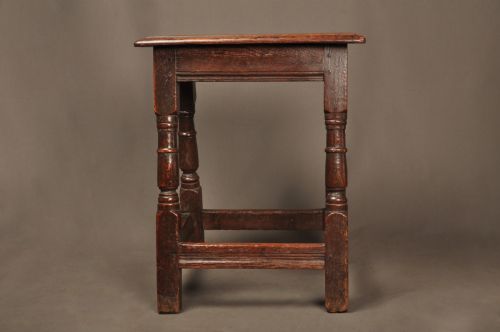
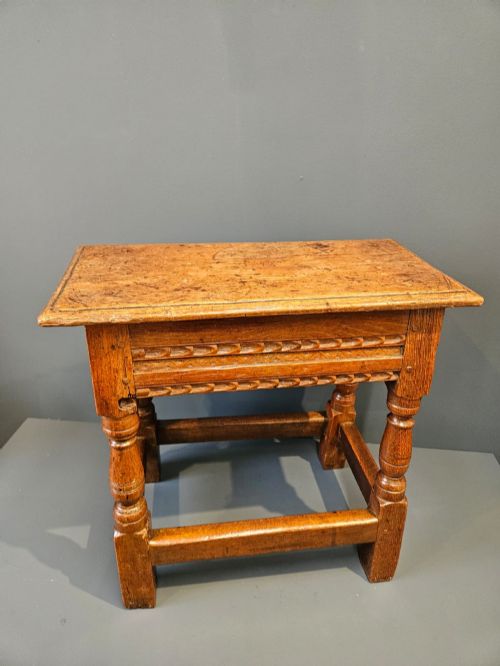
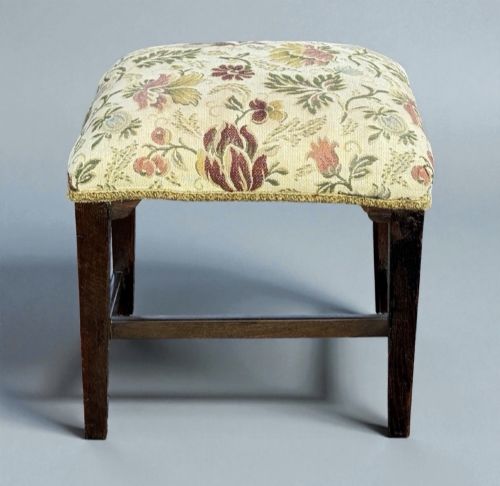
A period wooden footstool spans centuries of domestic seating, ranging from early joint stools to upholstered Georgian designs. When you search for a period wooden footstool, you encounter forms that served practical household roles before evolving into decorative furnishings.
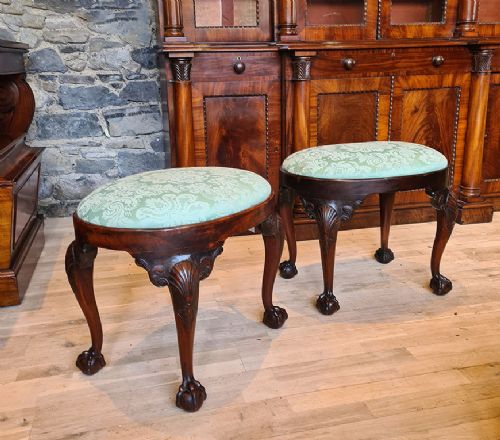
Stools appear in square and rectangular formats, sometimes paired as sets. Styles stretch from Jacobean and George II to Victorian and country interpretations.
Quality factors in historic seating
The integrity of the wooden frame dictates distinction in these stools. Examples retaining their original timber surfaces and period joinery command greater attention from purists.
The sophistication of carved detail and the authenticity of retained textiles influence the character of each piece. Surviving examples with early upholstery demonstrate the original maker's full intent.
Several stools double as sturdy plant stands once their sitting days are done.
The Period Wooden Footstool Glossary
- Joint stool
- A sturdy wooden stool constructed with mortise and tenon joints rather than turned legs. These pieces date primarily from the seventeenth and eighteenth centuries.
- Ebonised wood
- Timber treated with a chemical or finish to imitate ebony. This dark staining technique appears on nineteenth-century aesthetic period items.
- Jacobean
- A design style spanning the early to mid seventeenth century. It is characterised by solid construction, rectangular forms, and geometric carved ornamentation.
- George II
- An architectural and furniture style dating from the mid eighteenth century. Pieces from this era often feature carved cabriole legs and refined proportions.
Period Wooden Footstool: Frequently Asked Questions
How do I date an oak joint stool?
Dating relies on examining the tool marks, timber shrinkage, and construction methods visible on the underside and joints. Early examples display hand-cut pegs and adzed surfaces.
Changes in moulding profiles and leg turnings also help distinguish seventeenth-century pieces from later revival items.
Were these stools used as seats?
These items served primarily as practical seating or stands in historic households. Their robust construction allowed them to withstand heavy daily domestic tasks.
Over time, many lower forms transitioned into footstools for use alongside larger armchairs and sofas.
How do I care for antique upholstery?
Historic textiles require gentle maintenance, keeping them away from direct sunlight and fluctuating humidity. Vacuuming with a low-suction brush attachment removes surface dust safely.
Professional conservation is recommended for fragile silk or tapestry coverings to preserve the original fibres.
What is the difference between oak and elm?
Oak is a hard, durable timber with a pronounced grain pattern, used extensively in early English furniture frames. Elm offers a tougher, interlocking grain that resists splitting.
Elm frequently appears in seat tops and country pieces where strength under tension is required.