



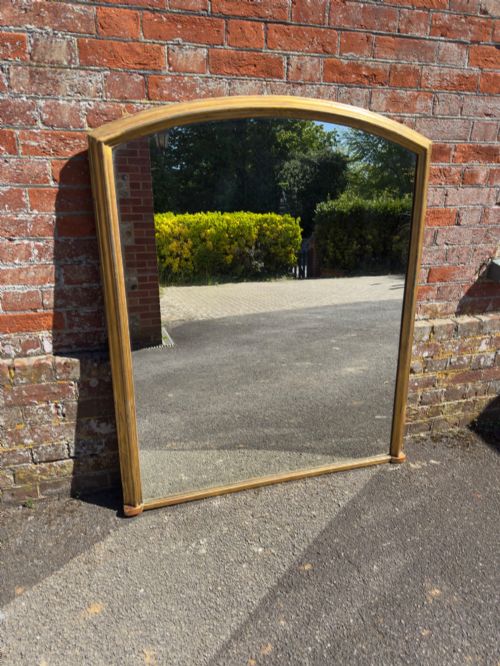
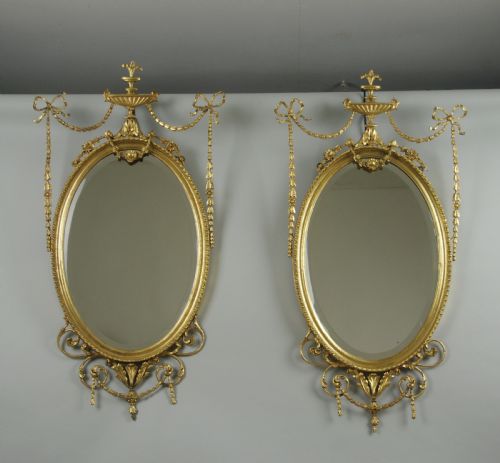


Period Victorian Wall Mirror
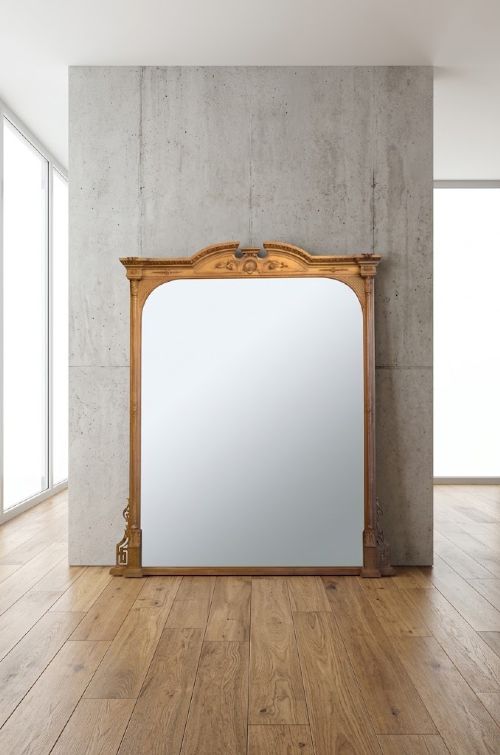
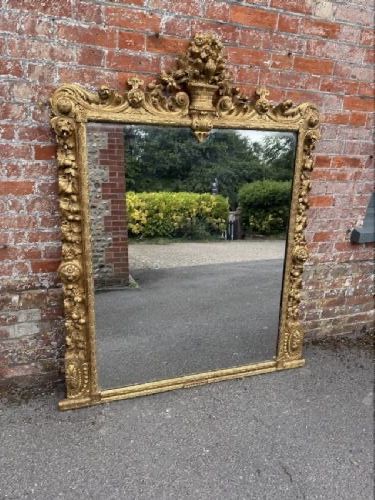
A period victorian wall mirror brings a generous sweep of nineteenth-century glass and gilt into a room, reflecting light and depth.
Period Victorian Wall Mirror
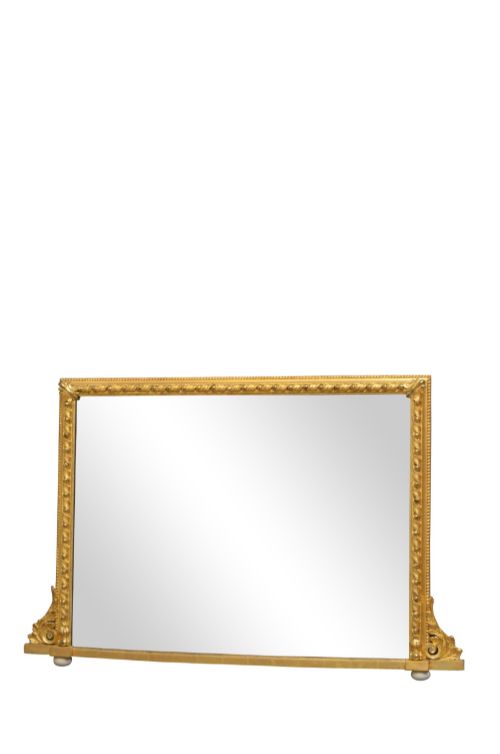
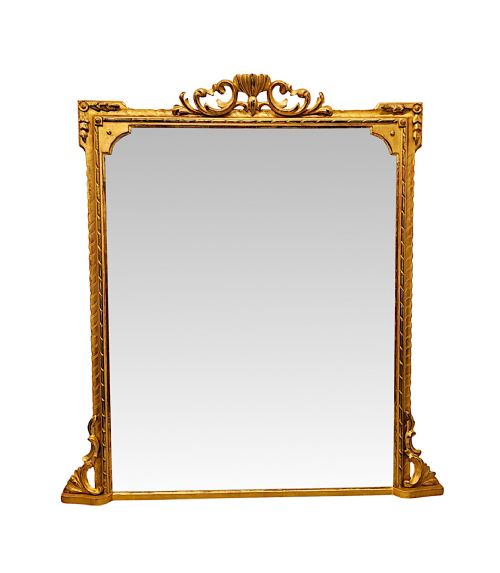
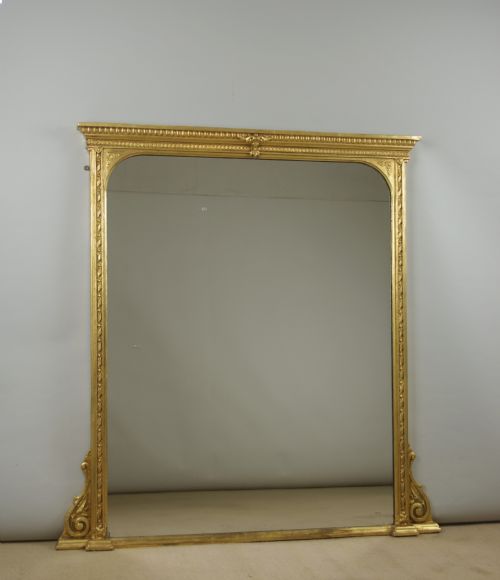
When searching for a period victorian wall mirror, buyers encounter a diverse selection dominated by large overmantel mirrors designed to sit above a fireplace. These domestic fixtures originate from various decades of the nineteenth century, including specific pieces dated through the eighteen-fifties, sixties, seventies, eighties, and nineties.
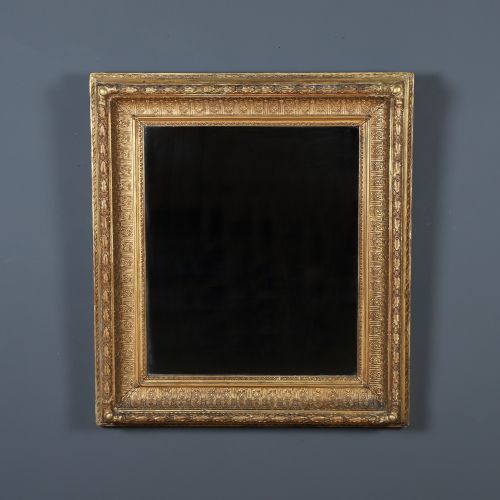
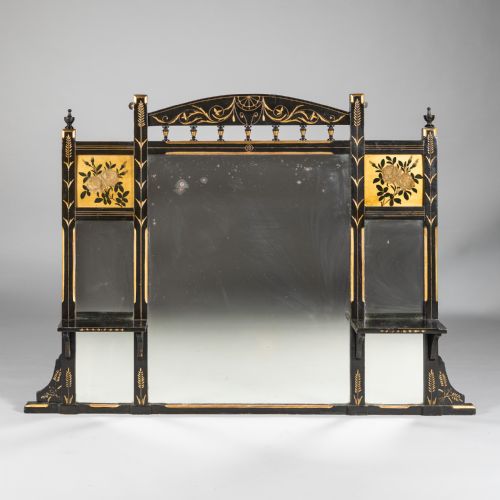
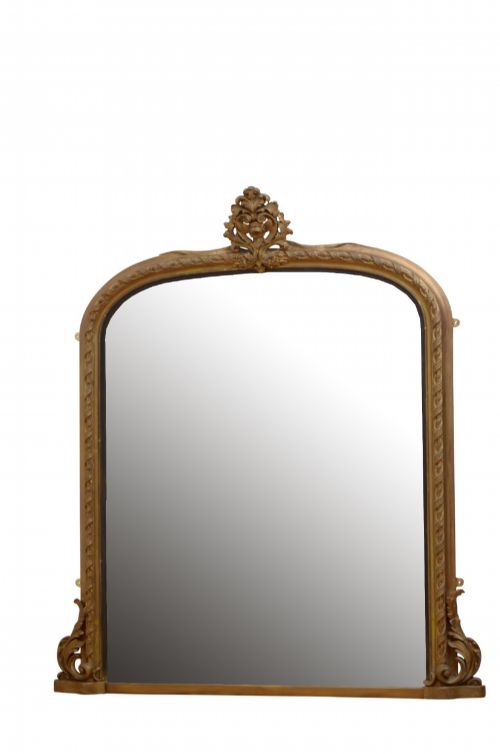
Beyond grand overmantels, the category includes smaller hallway mirrors, oval wall mirrors, and tall reception pieces intended for functional daily use. Styles range from straightforward Victorian designs to aesthetic movement ebonised frames, neoclassical revivals, and George II revival mahogany pieces.
How they were made
Craftsmen built the structural frames using timber foundations such as mahogany, oak, walnut, and ebonised wood, often applying carved gesso to build up decorative relief work. Artisans then finished these surfaces using gold leaf, paint, silvering, brass, and copper elements.
The reflective surfaces consist of traditional mirror glass, frequently featuring original foxed plates, etching, or engraving developed through nineteenth-century manufacturing methods.
Current listings feature nineteenth-century materials including giltwood, ebonised wood, mahogany, oak, gesso, brass, and copper.
What varies in quality
The distinction between standard examples and the finest items rests upon the depth and crispness of the carved wood and gesso ornamentation. Master carvers produced spirited relief work that retains sharp definition along the moulded borders.
Originality also determines standing, as pieces retaining their primary glass plates, backboards, and untouched gilding hold greater historical integrity than those with replaced components.
William Kent
The Period Victorian Wall Mirror Glossary
- Overmantel mirror
- A large horizontal mirror specifically proportioned to hang on the wall directly above a fireplace mantelpiece. These substantial pieces frequently anchor the decorative scheme of a nineteenth-century reception room.
- Giltwood
- Timber that has been coated with a thin layer of gold leaf over a prepared gesso ground. This technique provides a luminous metallic finish characteristic of formal period frames.
- Foxed glass
- Mirror glass exhibiting natural age spots, darkening, and mottled oxidation within the reflective backing. Collectors prize this atmospheric ageing as proof of genuine nineteenth-century provenance.
- Ebonised wood
- Timber treated with chemical stains or dark finishes to imitate costly ebony. This dark treatment gained popularity during the aesthetic movement of the late nineteenth century.
- Gesso
- A plaster-like mixture applied to wood frames and carved into intricate decorative motifs before gilding. It allows for sharp, sculptural relief work across the moulding.
Period Victorian Wall Mirror: Frequently Asked Questions
Where should a large overmantel mirror hang?
These large mirrors traditionally hang directly above a chimney breast in a principal reception room. Their scale reflects natural daylight across the space and balances the heavy architecture of a fireplace.
Alternatively, secure mounting allows them to function effectively in grand hallways or dining rooms, provided the wall structure supports the substantial weight of the timber and glass.
What is foxed glass?
Foxed glass refers to mirror plates that show natural spotting, dark patches, and silver degradation accumulated over decades of oxidation. This chemical ageing softens the reflection and creates a characteristic antique appearance.
Many collectors prefer original foxed plates because replacement glass alters the historic character and visual authenticity of the piece.
How do I identify an aesthetic movement mirror?
Aesthetic movement pieces typically feature ebonised wood frames combined with parcel-gilt highlights, brass details, or copper accents. The design focuses on simplified geometric lines and contrasting dark surfaces rather than heavy classical ornamentation.
These mirrors often date from the latter decades of the nineteenth century and reflect a shift toward artistic refinement in domestic interiors.
Can these mirrors be mounted on normal walls?
Period wall mirrors vary enormously in weight, ranging from light hallway pieces to exceptionally heavy carved overmantels. Safe installation requires fixing directly into structural masonry or solid wall studs using appropriate hardware.
Professional consultation ensures the hanging brackets and weight distribution match the specific demands of the frame.